
Prince Ferdinand Philippe of Orléans, Duke of Orléans — History & Facts
In 1842, Jean Auguste Dominique Ingres was summoned to capture the likeness of Prince Ferdinand Philippe, heir to the French throne, in what would become one of his last portraits before the prince’s untimely death. The commission was urgent: the young Duke of Orléans died suddenly in a carriage accident that July, and the painting became not just a tribute, but a memorial, completed posthumously with the aid of sketches and earlier sittings. The loss shocked Paris and cast a shadow over the July Monarchy, making this portrait both a personal and political artifact.
Ingres, already celebrated for his portraits of the French elite, was tasked with commemorating a prince whose promise had been cut short. The painting presents the Duke in full regalia, standing with an air of poised melancholy. His uniform, adorned with the blue sash and star of the Legion of Honour, signals his rank and the hopes invested in him as the future of the Orléans line. Ingres’s precise brushwork renders the textures of velvet, gold embroidery, and the glint of medals, while the prince’s calm gaze and slightly parted lips suggest both dignity and vulnerability.
The background is restrained, focusing attention on the sitter’s presence rather than his surroundings—a choice reminiscent of Ingres’s earlier Portrait of Monsieur Bertin, where character is revealed through pose and expression rather than narrative. Here, the prince’s hand rests on a ceremonial sword, a subtle reminder of duty and the fragility of power. After its completion, the portrait became part of the Orléans family collection, cherished as a remembrance of the lost heir. Its journey reflects the turbulence of 19th-century France: following the fall of the July Monarchy in 1848, many royal possessions were dispersed, but this painting remained with the family, later entering public collections as interest in Ingres’s work grew.
Today, it stands as a testament to both the painter’s skill and the era’s shifting fortunes, occupying a respected place among Ingres’s late portraits. The work marks a moment when portraiture became not just a record of appearance, but a vessel for public grief and private memory.
More Artworks by Jean Auguste Dominique Ingres
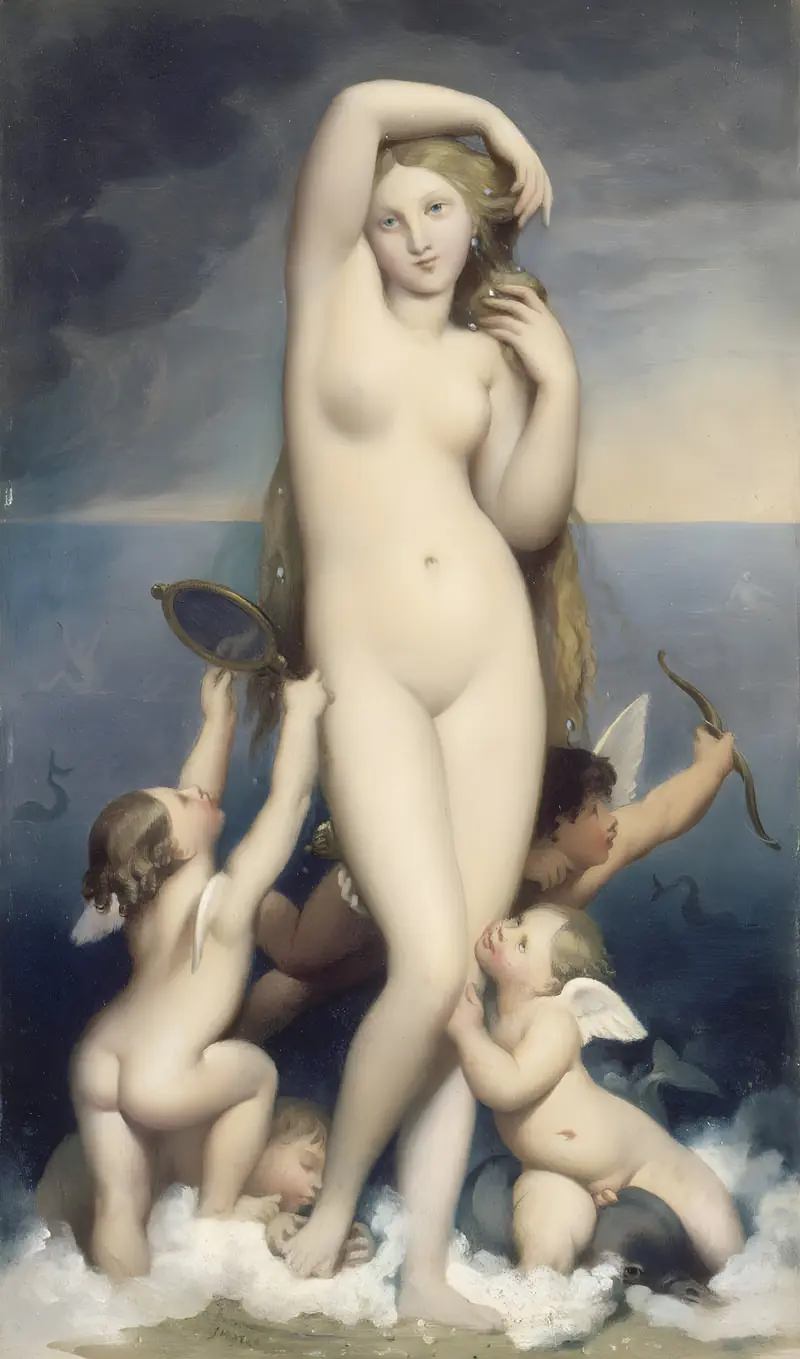
Vénus anadyomène
Jean Auguste Dominique Ingres
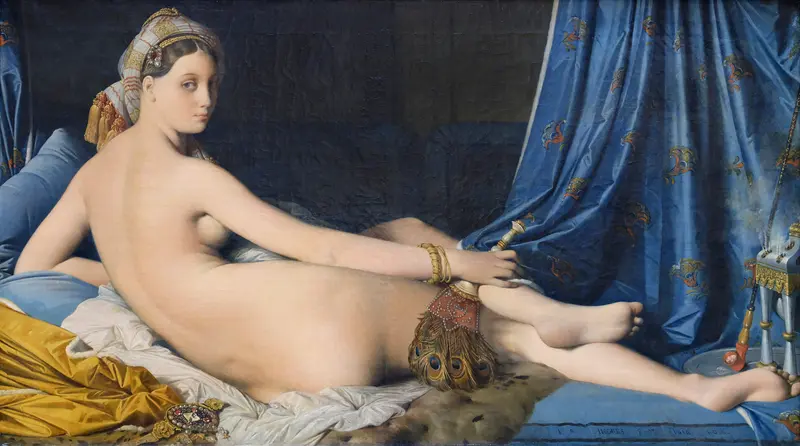
Grande Odalisque
Jean Auguste Dominique Ingres
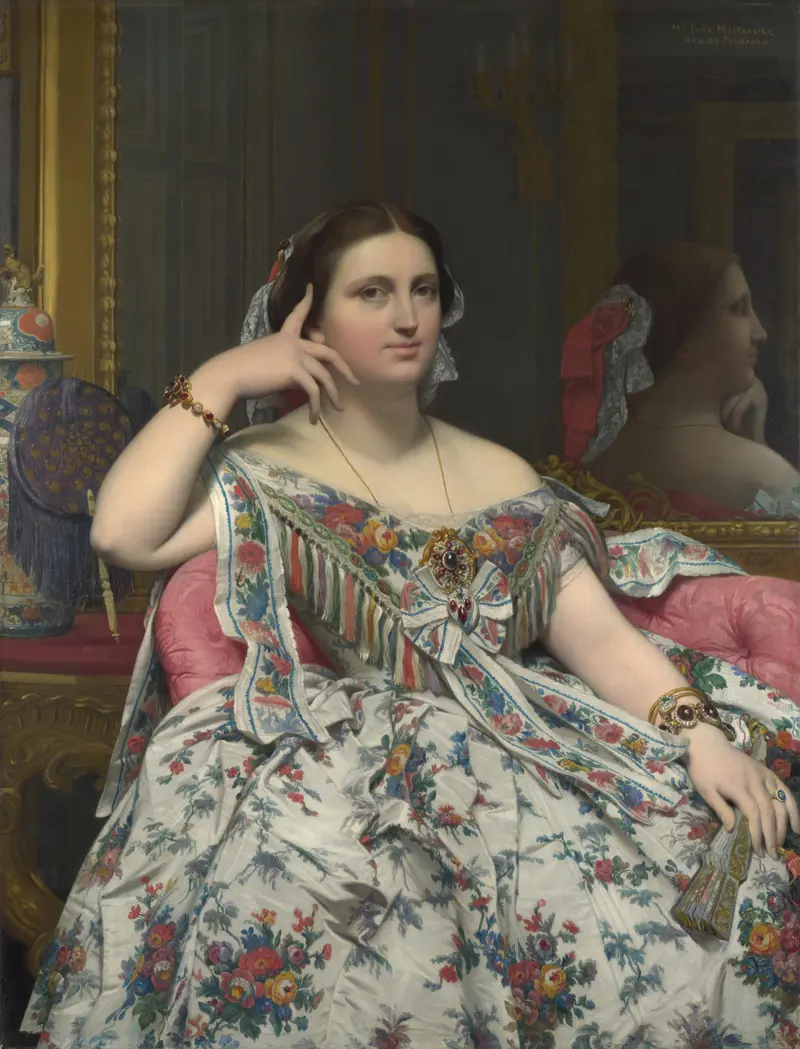
Madame Moitessier (seated)
Jean Auguste Dominique Ingres
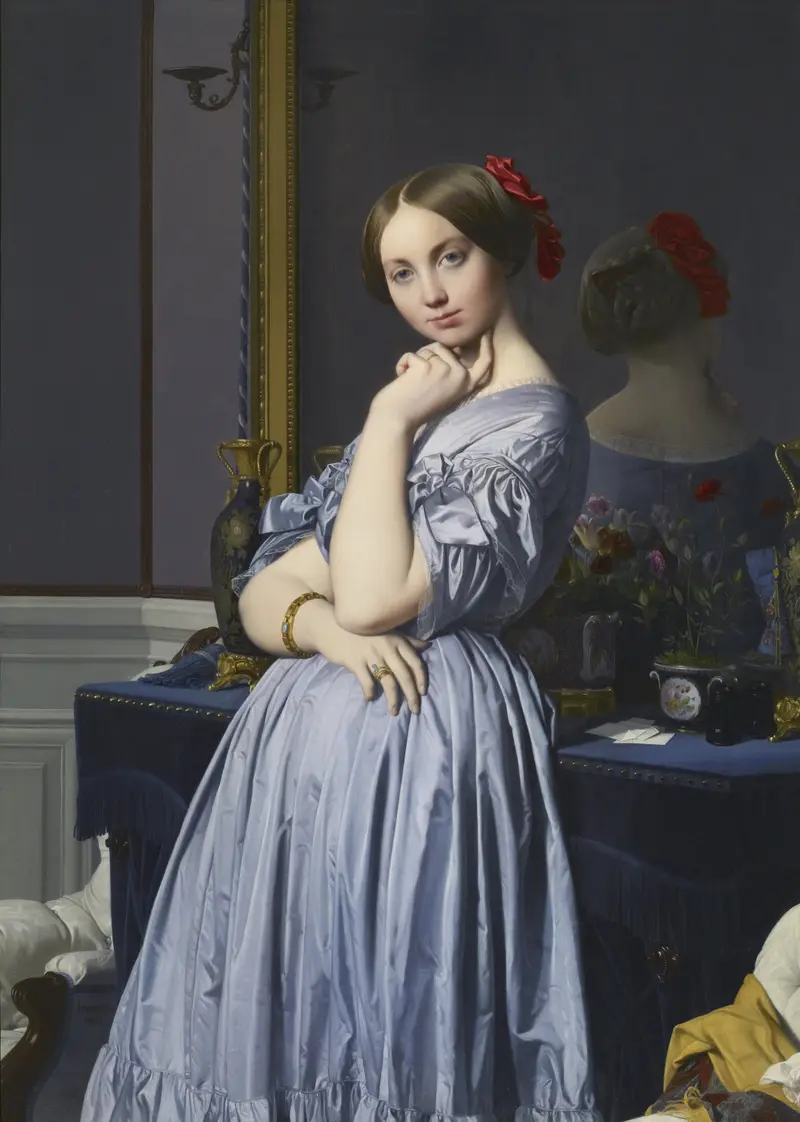
Portrait of Comtesse d’Haussonville
Jean Auguste Dominique Ingres
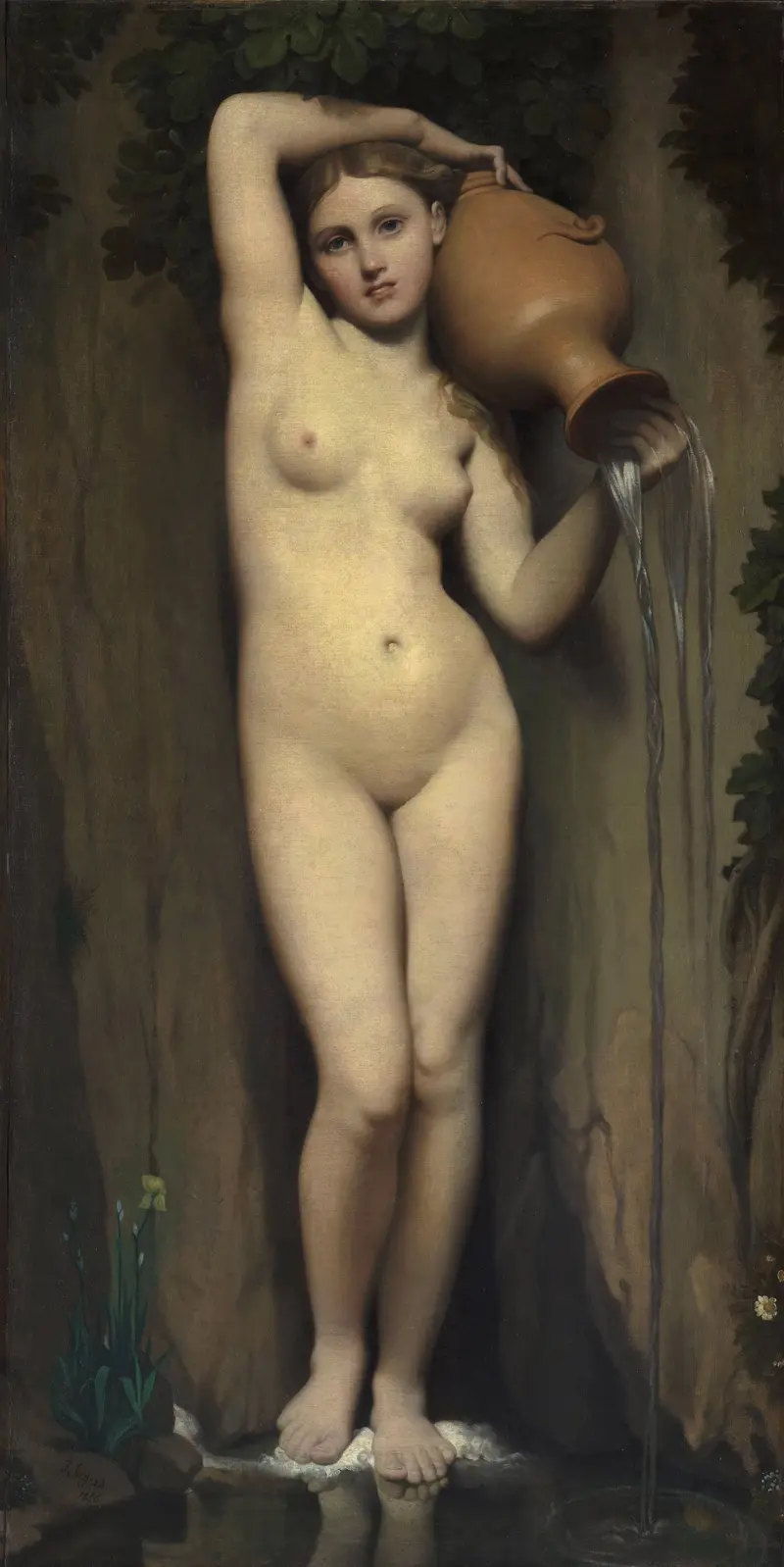
The Source
Jean Auguste Dominique Ingres
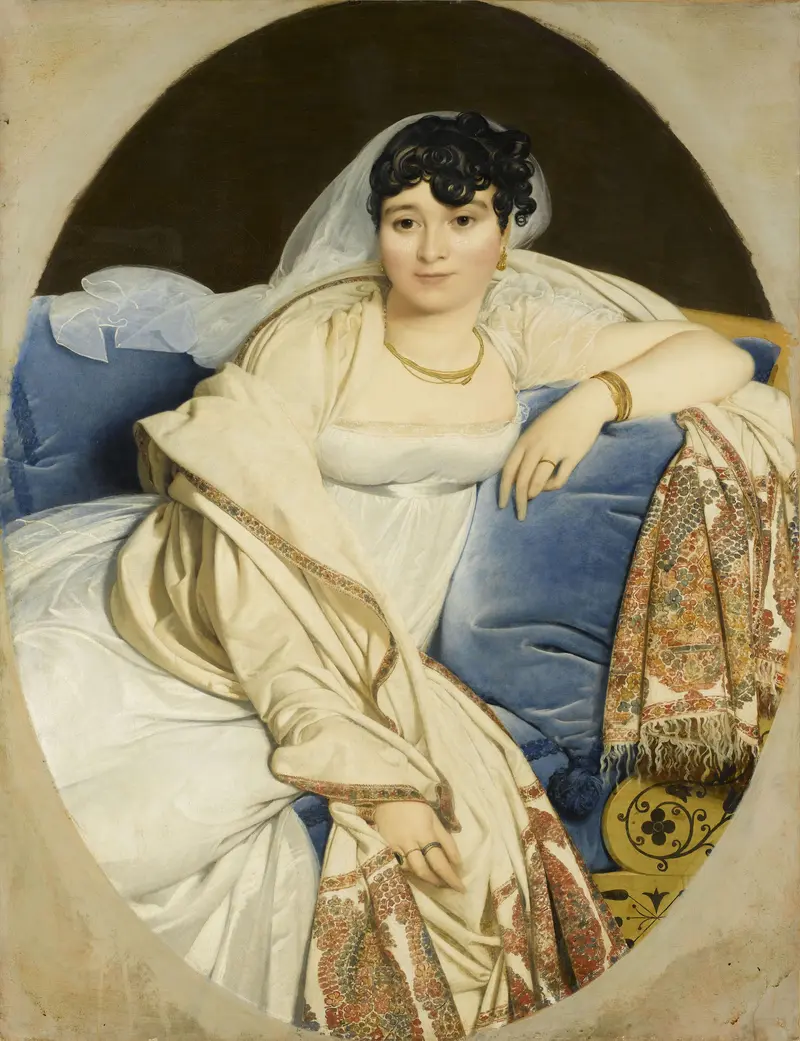
Madame Rivière
Jean Auguste Dominique Ingres

Madame Jean-Auguste-Dominique Ingres, née Madeleine Chapelle
Jean Auguste Dominique Ingres

Portrait of a Lady
Jean Auguste Dominique Ingres
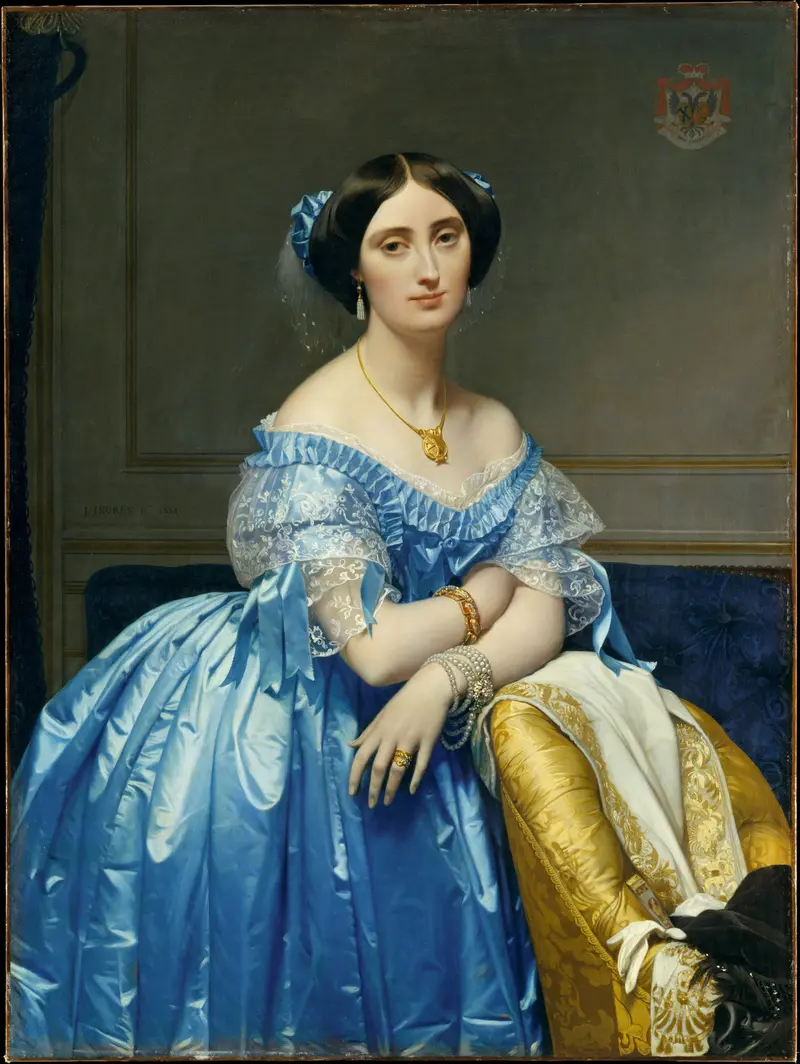
Joséphine-Éléonore-Marie-Pauline de Galard de Brassac de Béarn (1825–1860), Princesse de Broglie
Jean Auguste Dominique Ingres
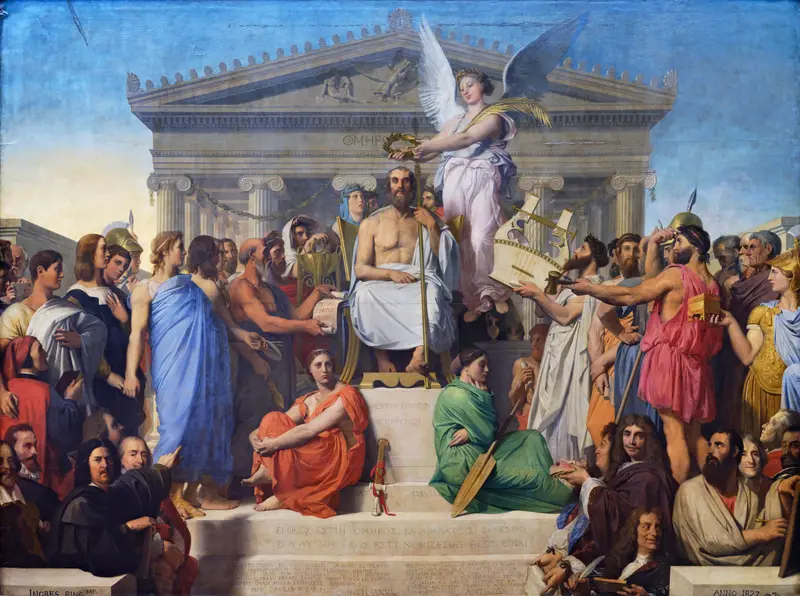
The Apotheosis of Homer
Jean Auguste Dominique Ingres





