Printemps à Lesquiffinec. Morgat — History & Facts
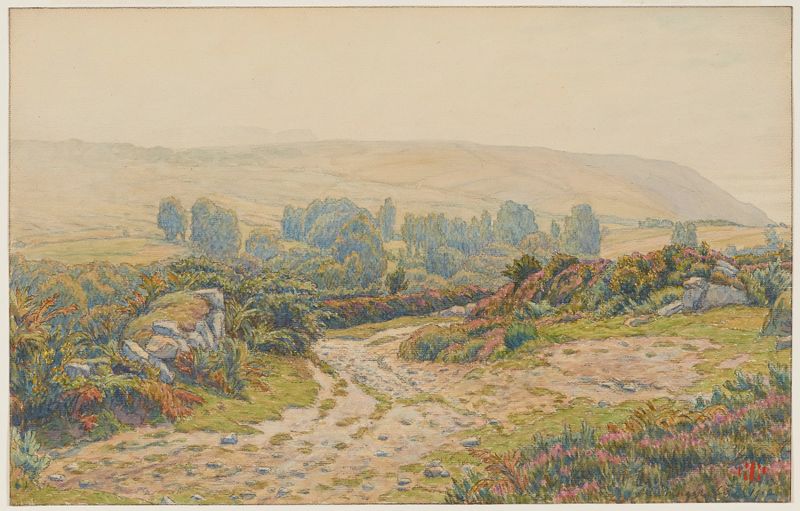
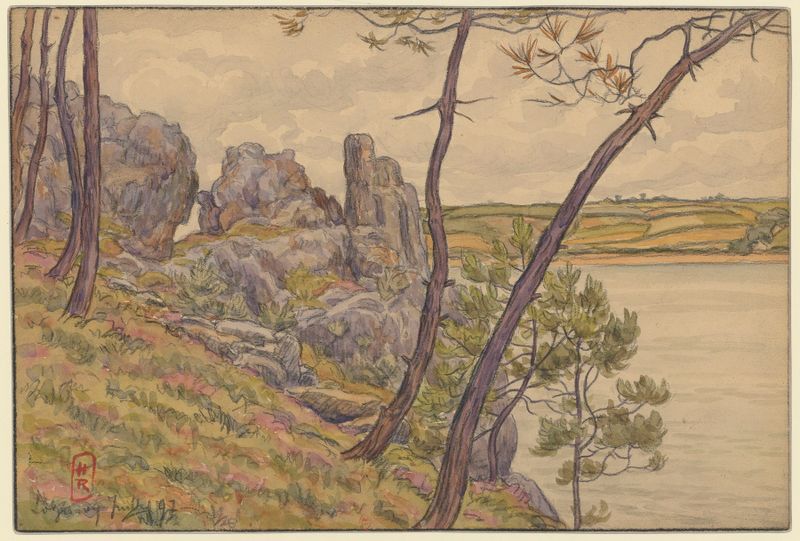
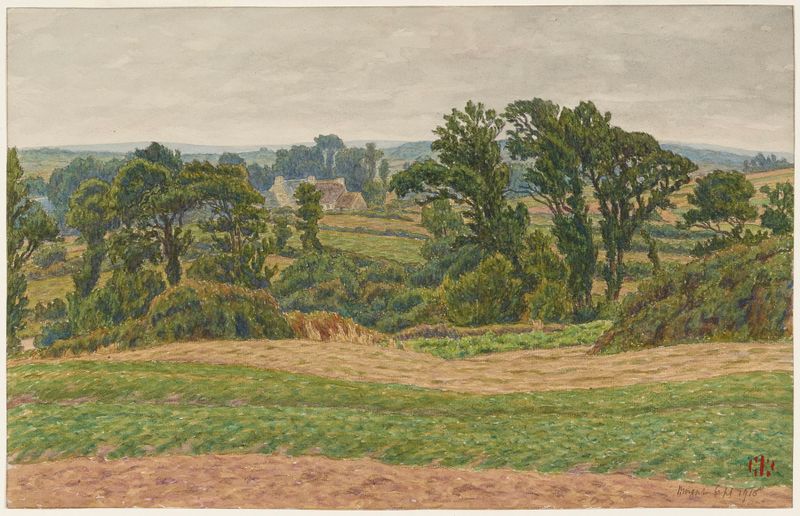
Where does light end, and longing begin? In the delicate interplay of color and shadow, Printemps à Lesquiffinec awakens a sense of yearning, inviting us into a world that seems to shimmer just beyond our grasp. Look to the center of the canvas, where soft pastels swirl together in a dance of blue and green, illustrating a tranquil spring landscape. The strokes are fluid, almost dreamlike, guiding the eye along a gentle path that meanders through a lush, vibrant garden. Notice how the light falls upon the blossoms, illuminating the scene with an ethereal glow, as if each petal holds a secret yearning to be touched.
The composition draws you in, compelling your heart to wander through the serene beauty of nature. Yet beneath this idyllic façade lies a poignant contrast. The vivid colors, reminiscent of joy and renewal, clash subtly with an undercurrent of melancholy—an invitation to reflect on the fleeting nature of beauty. Each bloom, while radiant, hints at the ephemeral quality of spring, evoking a longing for permanence in a transient world.
The delicate brushwork suggests an intimacy with the landscape, revealing the artist's deep connection and desire to capture a moment that is both peaceful and poignant. Created in 1915, during the tumultuous period of World War I, this work emerged from the studio of Henri Rivière in France. At a time when the world was gripped by conflict, the piece reflects a desire for escape into the serenity of nature. Rivière sought solace through his art, aiming to express the beauty and fragility of life in a world that was desperately in need of hope and renewal.