
Prison of the Inquisition at Cordova — History & Facts
The weight of loneliness permeates the air, echoing through the stark walls of an unforgiving confinement. This haunting stillness reflects the inner turmoil of the souls trapped within its confines, each moment stretching into eternity. Focus on the somber palette of greys and browns that envelops the scene, grounding your gaze in the oppressive atmosphere. Notice how the dim light filters through the barred windows, casting elongated shadows that stretch like desperate hands reaching for freedom.
The meticulous details in the architecture—the cold stone, the heavy iron grates—evoke a sense of despair and desolation, while the sparse furnishings hint at the harsh realities faced by the prisoners. Delve deeper into the emotional layers of the work; the juxtaposition of light and shadow serves as a metaphor for hope and despair. The absence of human figures intensifies the isolation, inviting us to ponder the silent stories of suffering and resilience. Each stone seems to whisper tales of anguish, yet there is an undeniable beauty in the composition that suggests a yearning for liberation, making the viewer reflect on their own feelings of solitude. Charles Hamilton Smith created this piece at a time when the atrocities of the Inquisition still resonated within the collective memory.
Painted in the early 19th century, his work emerged amidst growing Romantic sentiments, where artists began to explore themes of individual struggle against oppressive systems. This painting stands as a poignant reminder of the dark chapters of history, resonating with those seeking to understand the depths of human experience.
More Artworks by Charles Hamilton Smith
Browse all →
Situation of H.M.S. Hecla & Griper
Charles Hamilton Smith
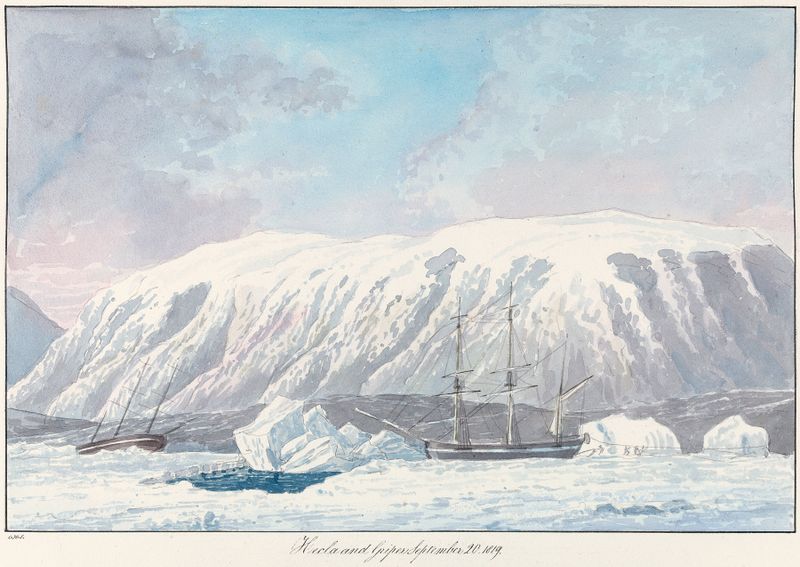
Hecla and Griper
Charles Hamilton Smith

Friendly Cove, Nootka Sound
Charles Hamilton Smith

Iceberg in Baffin’s Bay
Charles Hamilton Smith
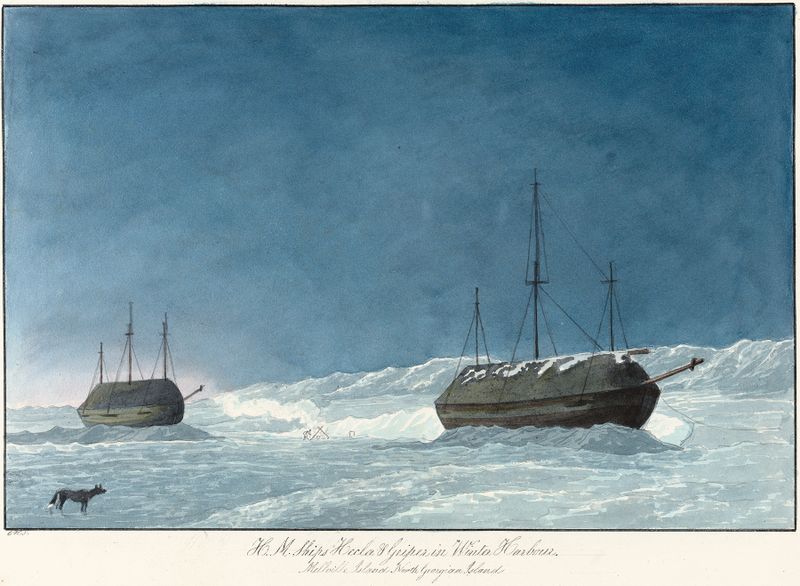
H. M. Ships Hecla and Griper in Winter Harbour
Charles Hamilton Smith

The Erebus & Terror in a Gale in the Pack of the Ice
Charles Hamilton Smith
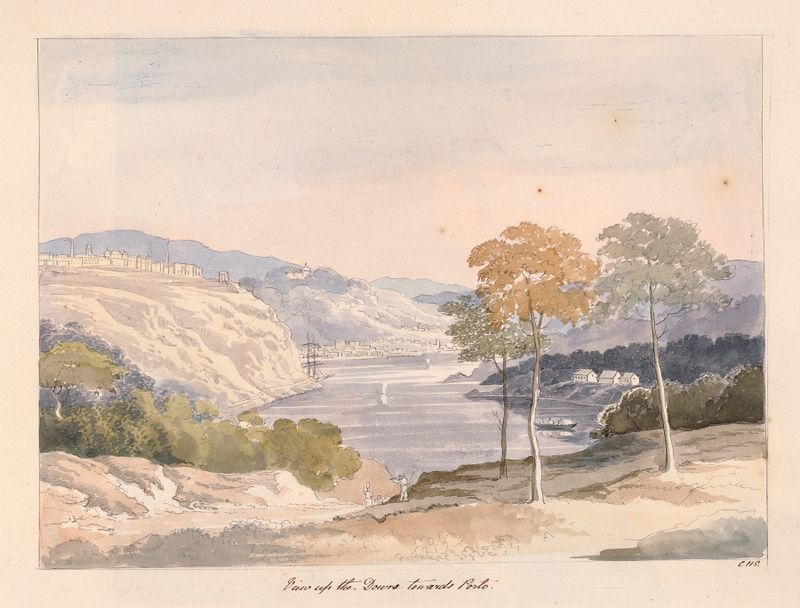
View of the Douro towards Porto
Charles Hamilton Smith
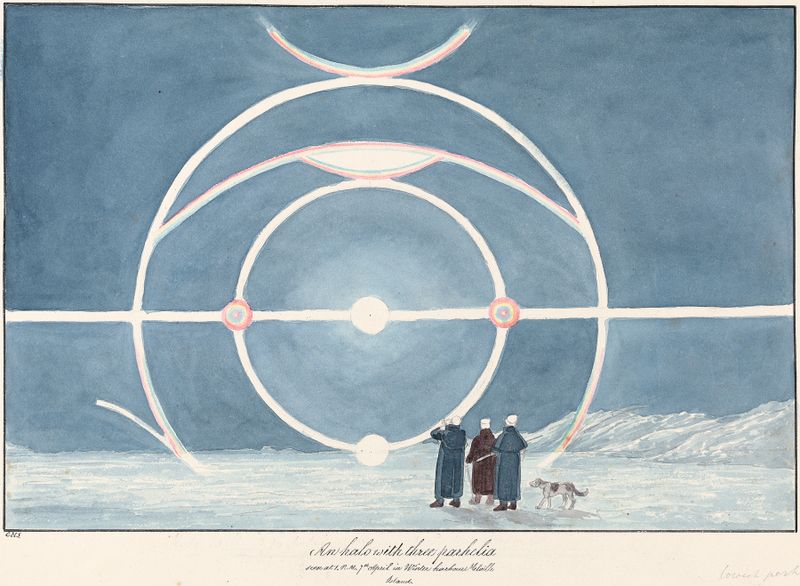
Halo with Three Parhelia, Winter Harbour Melville Island
Charles Hamilton Smith
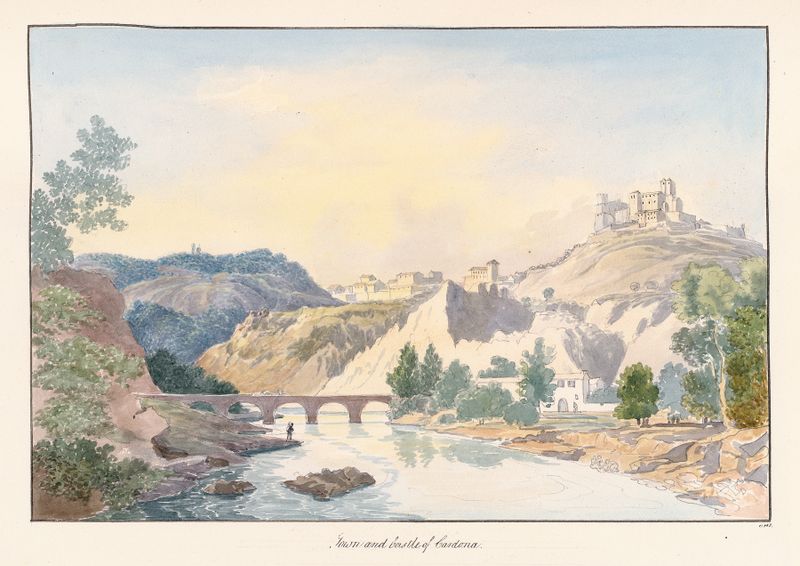
Town and Castle of Cardona
Charles Hamilton Smith
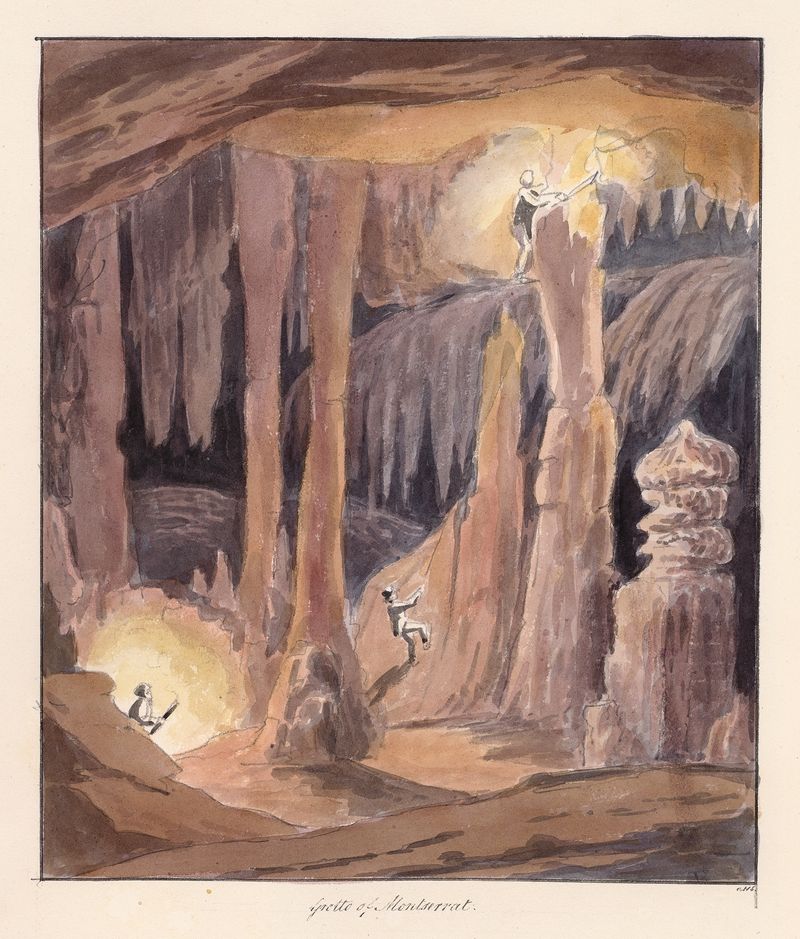
Grotto of Montserrat
Charles Hamilton Smith
More Historical Art
Browse all →
The Night Watch Militia Company of District II under the Command of Captain Frans Banninck Cocq
Rembrandt van Rijn

Lincoln Memorial
Henry Bacon

The Third of May 1808
Francisco de Goya

Isaac and Rebecca, Known as ‘The Jewish Bride’
Rembrandt van Rijn

The Charge of the Mamelukes (1814)
Francisco de Goya

De vier ruiters van de apocalyps
Albrecht Dürer