Provins (Seine et Marne) — History & Facts
The first thing that draws the eye in Provins (Seine et Marne) is the play of shadow beneath the great, sloping roof that dominates the right side of the scene. Auguste Louis Lepère’s lines capture not just the architecture, but the slow rhythm of a town square where time seems to pause. A cluster of figures—perhaps a mother and children—gather in the foreground, their dark silhouettes anchoring the composition and inviting the viewer to imagine their conversation.
The buildings, with their uneven walls and clustered chimneys, lean gently into each other, suggesting centuries of quiet habitation. Light washes across the open space, guiding the gaze from the figures to the intricate textures of stone and timber, then up to the restless sky Lepère sketches with a few swift, searching lines. Created in 1910, this work belongs to an era when French artists were rediscovering their own landscapes, drawn to the poetry of provincial towns and the dignity of everyday life. Lepère was celebrated for his ability to render the atmosphere of rural France, using printmaking to reach a wider audience than oil painting alone could allow.
Works like this were collected by those who cherished the vanishing face of the old towns, as modernization swept through the countryside. Today, Provins (Seine et Marne) survives thanks to the National Gallery of Art’s open access project, a quiet testament to both the artist’s affection for place and the enduring power of a well-observed street corner. Let your eye linger on the details—the archway, the distant figures, the soft bustle—and imagine the stories that might unfold there.
More Artworks by Auguste Louis Lepère

Notre Dame vue du Marché aux pommes
Auguste Louis Lepère
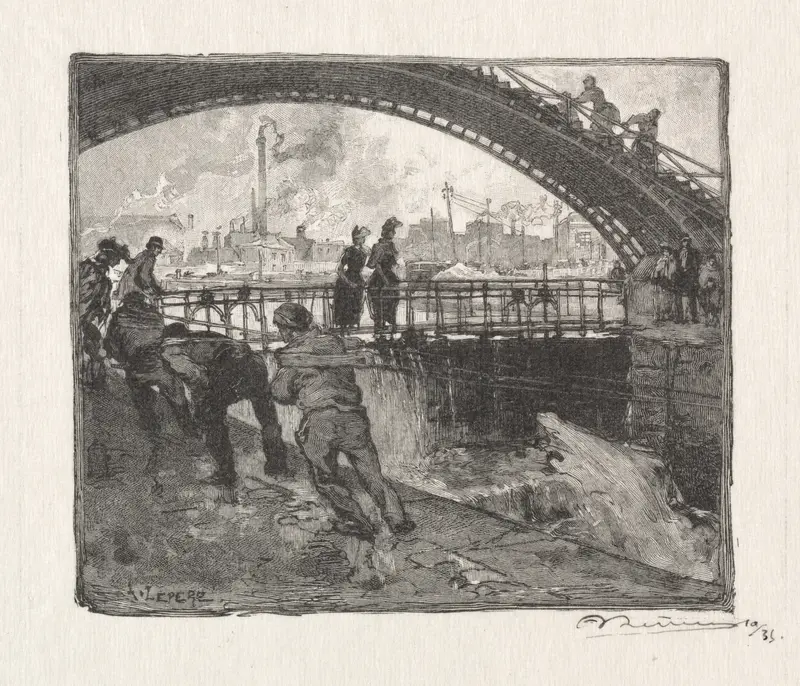
L’Ecluse du Canal St. Martin
Auguste Louis Lepère
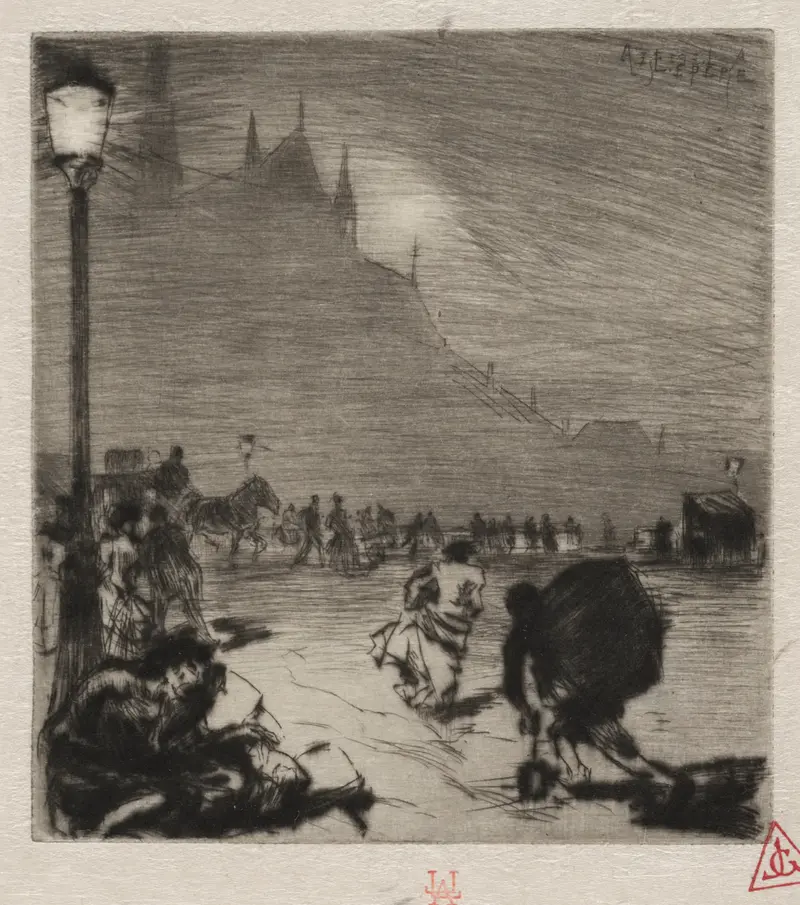
Au Coin du Pont-aux-Doubles
Auguste Louis Lepère
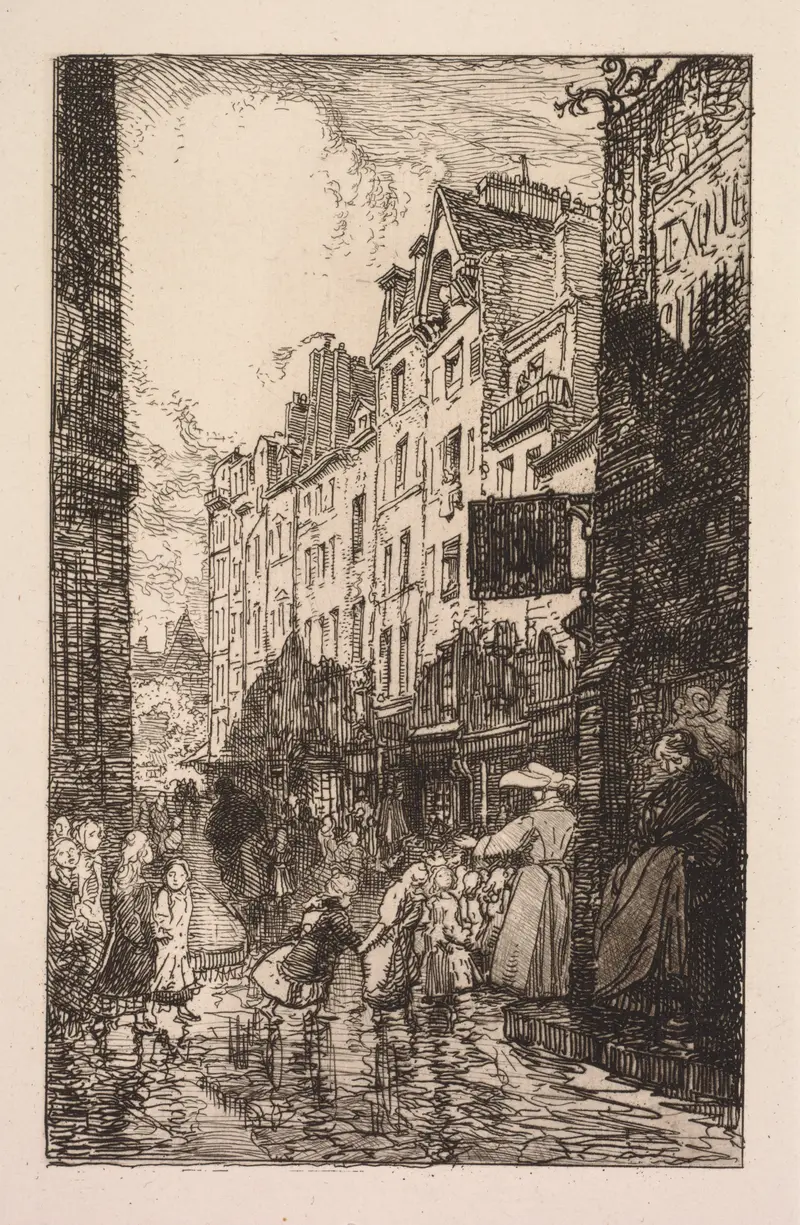
La Rue des Prêtres Saint-Séverin
Auguste Louis Lepère
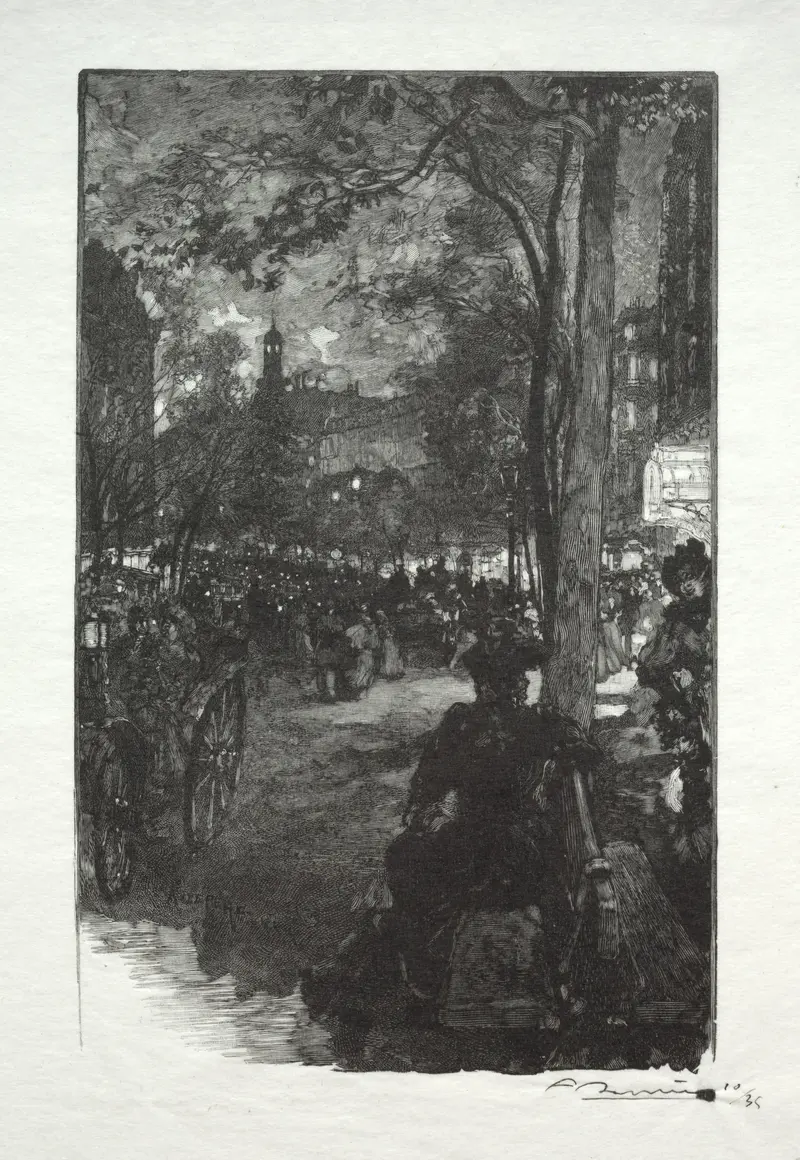
Le Boulevard Montmartre, le Soir
Auguste Louis Lepère
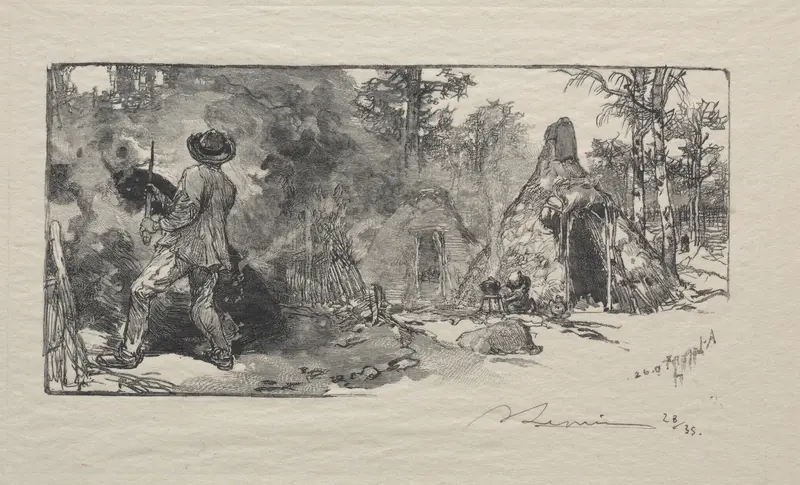
Les Charbonniere
Auguste Louis Lepère
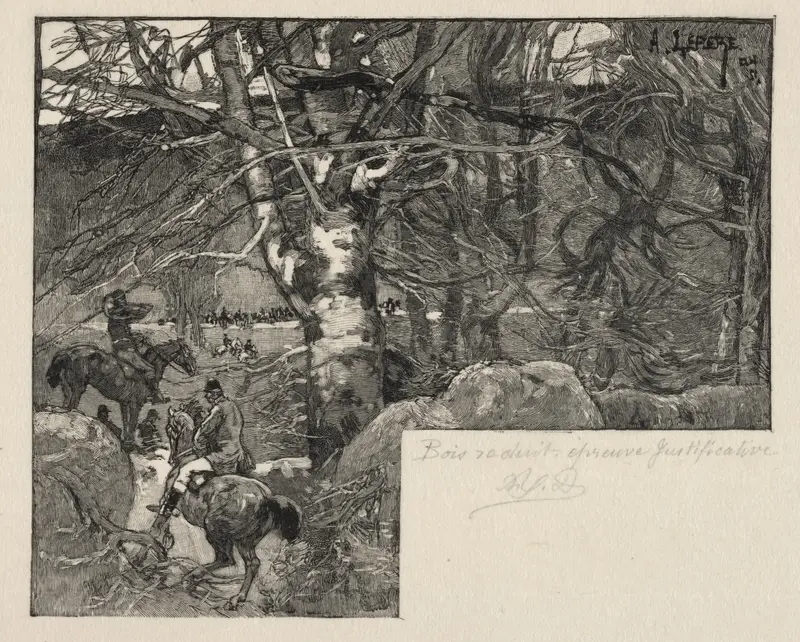
Une Chasse au Mont Gérard
Auguste Louis Lepère
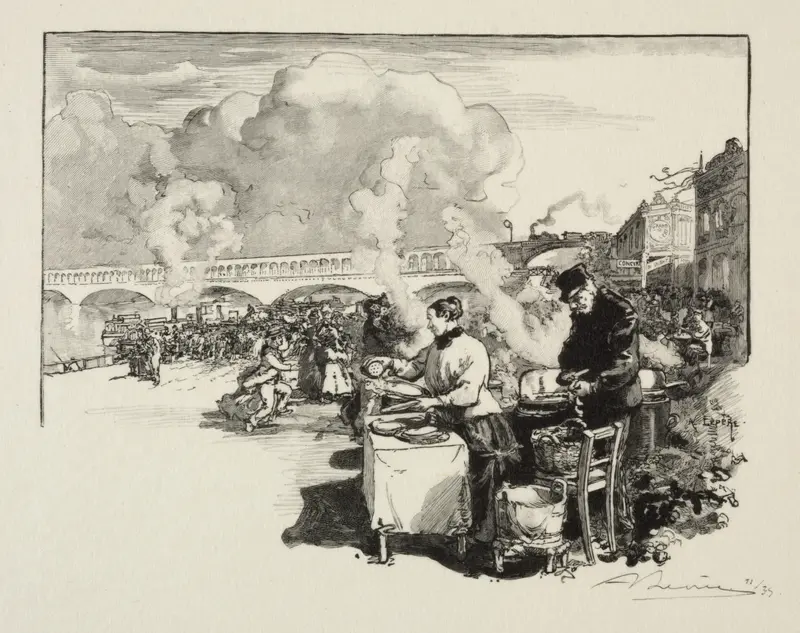
Debarcadère des bateaux-omnibus
Auguste Louis Lepère

La Seine, au quai de la Rapée
Auguste Louis Lepère

Le Palais des Arts Liberaux, Intèrieur
Auguste Louis Lepère