
Prozession im Kreuzgang in Seeon — History & Facts
Did the painter know this moment would outlive them? In Prozession im Kreuzgang in Seeon, a profound sense of awakening resonates, capturing a slice of existence that transcends its immediate context. Focus on the left, where figures in solemn procession emerge, cloaked in rich, velvety hues that evoke reverence. The soft interplay of light filters through arched windows, casting delicate patterns on the stone walls, guiding the viewer’s gaze along the procession. The meticulously painted details, from the textures of their garments to the subtle expressions on their faces, invite you deeper into their world, a visual prayer held suspended in time. As you absorb the scene, consider the stillness underlying the vibrant movement.
Each figure embodies a unique emotional thread—some radiate serenity, while others exhibit an inward tension, hinting at individual stories. The contrasting shades, from deep shadows to luminous highlights, reflect a duality of aspiration and introspection, suggesting that this journey is not solely physical but spiritual, an awakening to a higher understanding. In 1892, Wilhelm Trübner painted this work during a time of personal challenge and artistic exploration. Living in Germany, he was deeply engaged with the Symbolist movement, seeking new methods to convey spiritual and emotional themes through art.
His experiences and the artistic environment of the time influenced a desire to capture not just a scene but a nuanced moment of collective consciousness, one that resonates with viewers long after the brushstrokes dried.
More Artworks by Wilhelm Trübner
Browse all →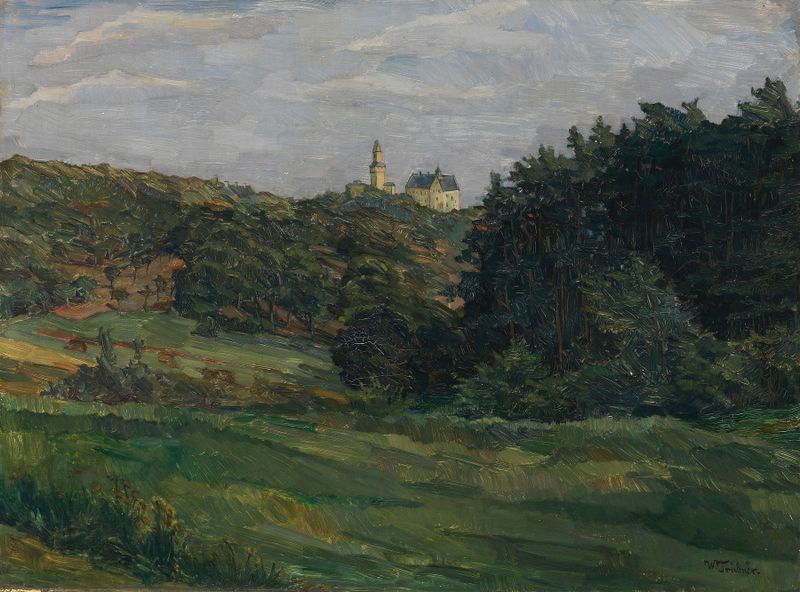
Burg Kronberg im Taunus
Wilhelm Trübner
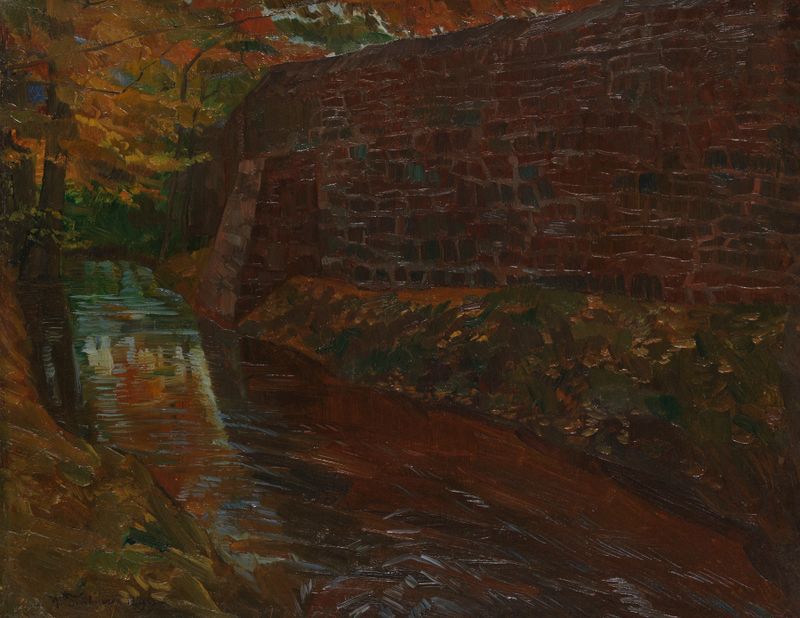
Parkmauer in Amorbach
Wilhelm Trübner

Garten einer Villa am Starnberger See
Wilhelm Trübner

A View of Frauenchiemsee
Wilhelm Trübner
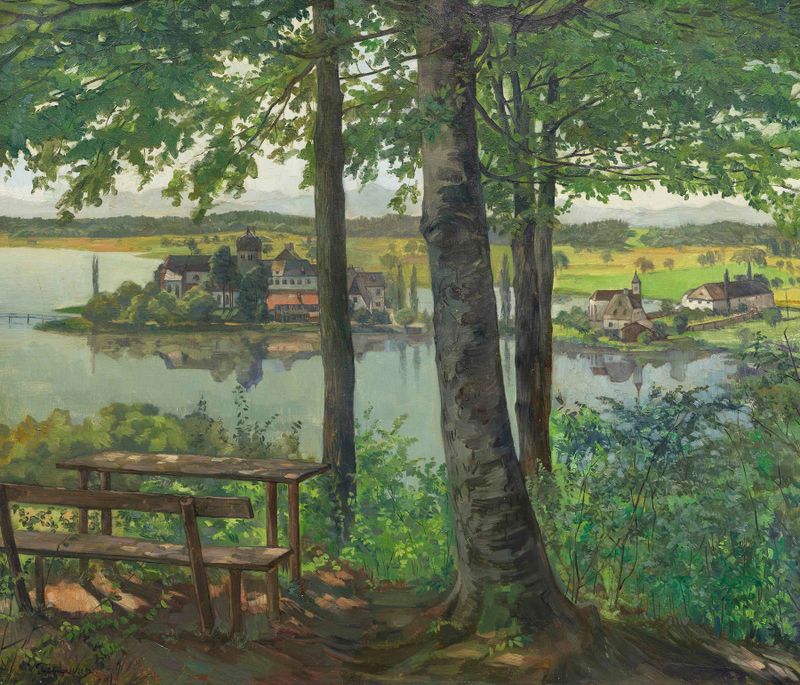
Aussicht auf Kloster Seeon
Wilhelm Trübner
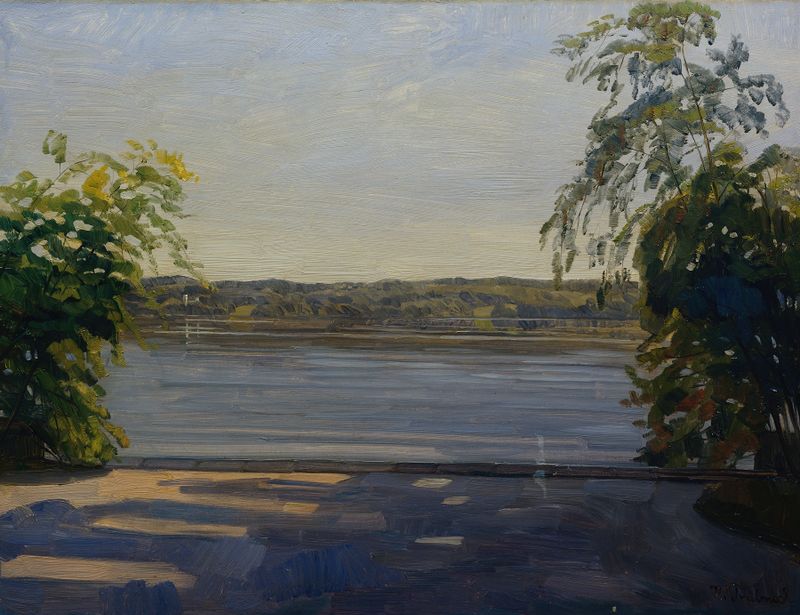
Starnberger See
Wilhelm Trübner
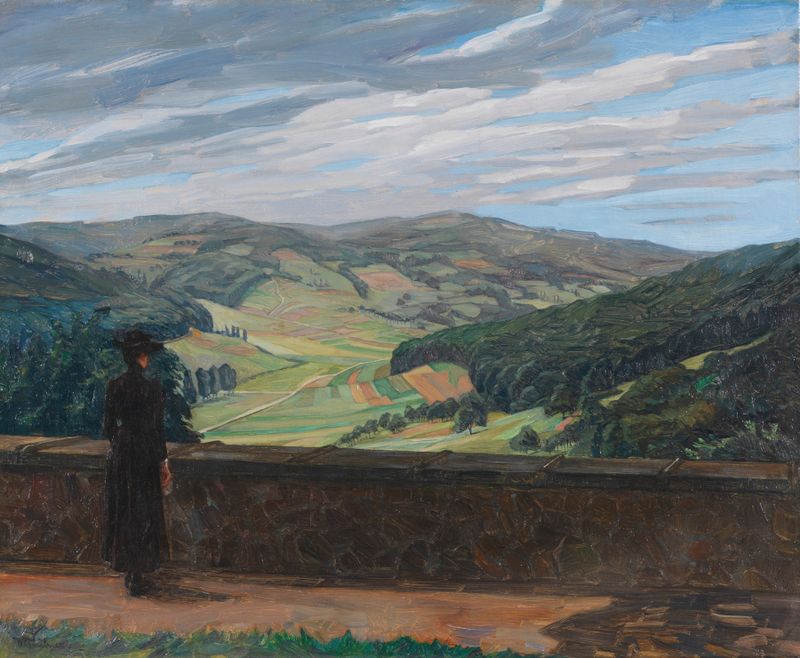
Blick in den Odenwald
Wilhelm Trübner
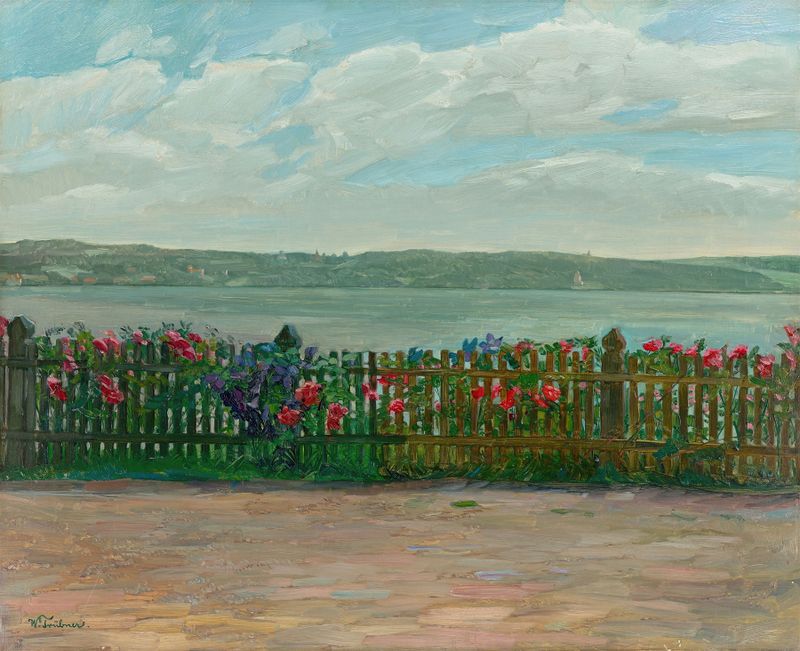
Rose fence with view of the Berg Castle at Lake Starnberg
Wilhelm Trübner
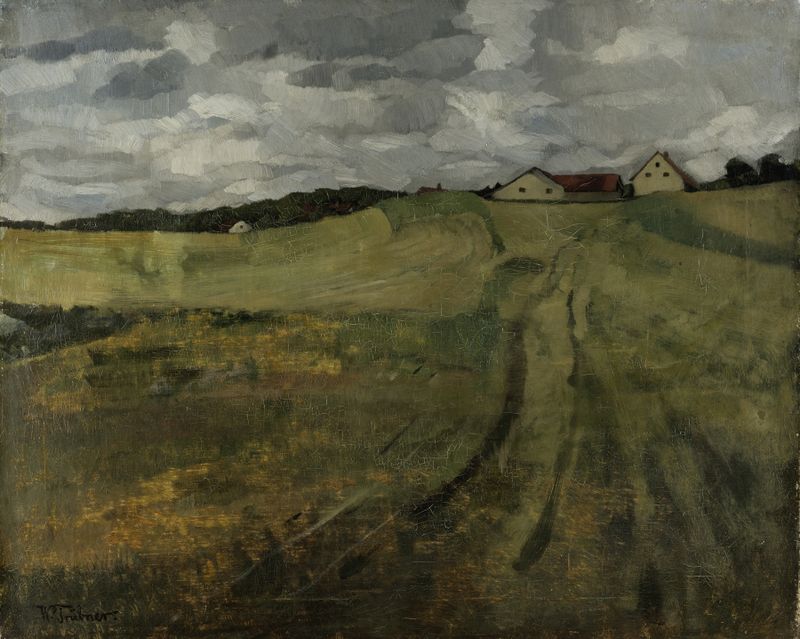
Stubble Field with Ascending Path near Wessling
Wilhelm Trübner
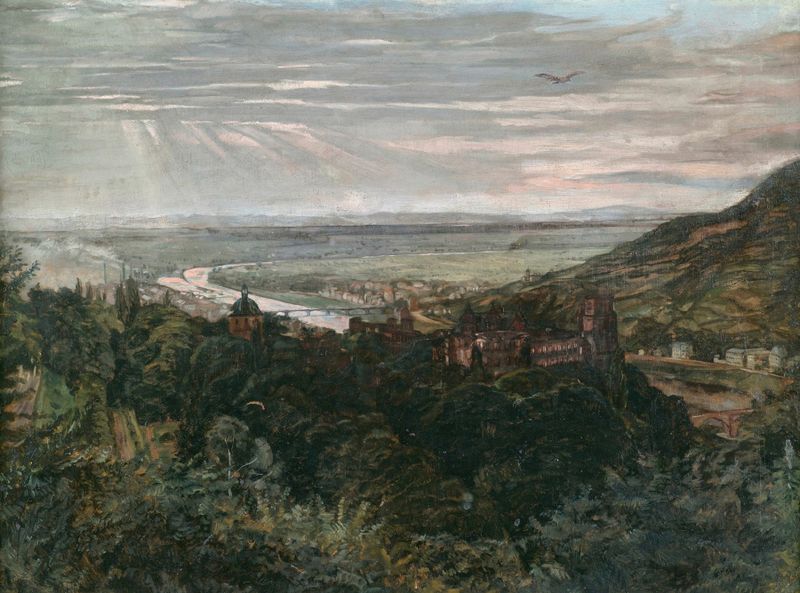
View of Heidelberg
Wilhelm Trübner
More Religious Art
Browse all →
The Return of the Prodigal Son
Rembrandt van Rijn

The Garden of Earthly Delights
El Bosco

Count Orgaz’ funeral
El Greco

The Hundred Guilder Print: the central piece with Christ preaching, the plate arched
Rembrandt van Rijn

The Descent from the Cross
Rogier van der Weyden

The return of the prodigal son
Rembrandt van Rijn