
Près du Dôme des Invalides — History & Facts
When did color learn to lie? In a world bound by the limits of perception, hues can weave truths and fabrications alike, suggesting the fragile boundary between what is real and what we choose to believe. Look to the center of the canvas, where striking shades of blue and gold converge in a dance around the iconic dome. The celestial sky contrasts sharply with the warm golden tones of the structure, illuminating it as if beckoning the viewer to witness a moment of rebirth. The brushstrokes are dynamic yet deliberate, a testament to the artist's skill in capturing both light and texture, while the well-defined lines of the dome create a focal point that draws the eye upward, evoking a sense of aspiration. Beneath the surface of this vibrant vista lies a tension between stability and transformation.
The dome, a symbol of honor and memory, stands resilient against the encroaching abstract forms around it, suggesting the weight of history. Yet, the lush greenery in the foreground breathes life into the scene, hinting at renewal and growth amidst the echoes of the past. The dichotomy of the steadfast structure and the ephemeral nature of the surrounding landscape embodies the delicate interplay between permanence and change. In 1929, Hendriks painted this work during a time of significant artistic evolution in Europe, influenced by both the aftermath of the Great War and the burgeoning modernist movement.
Living in Paris, a hub of innovation and artistic experimentation, he was immersed in an environment ripe with new ideas, reflecting a society grappling with its identity. This piece resonates as a commentary on the resilience of architecture and spirit in the face of shifting times, embodying a moment where history and modernity converge.
More Artworks by Arend Hendriks
Browse all →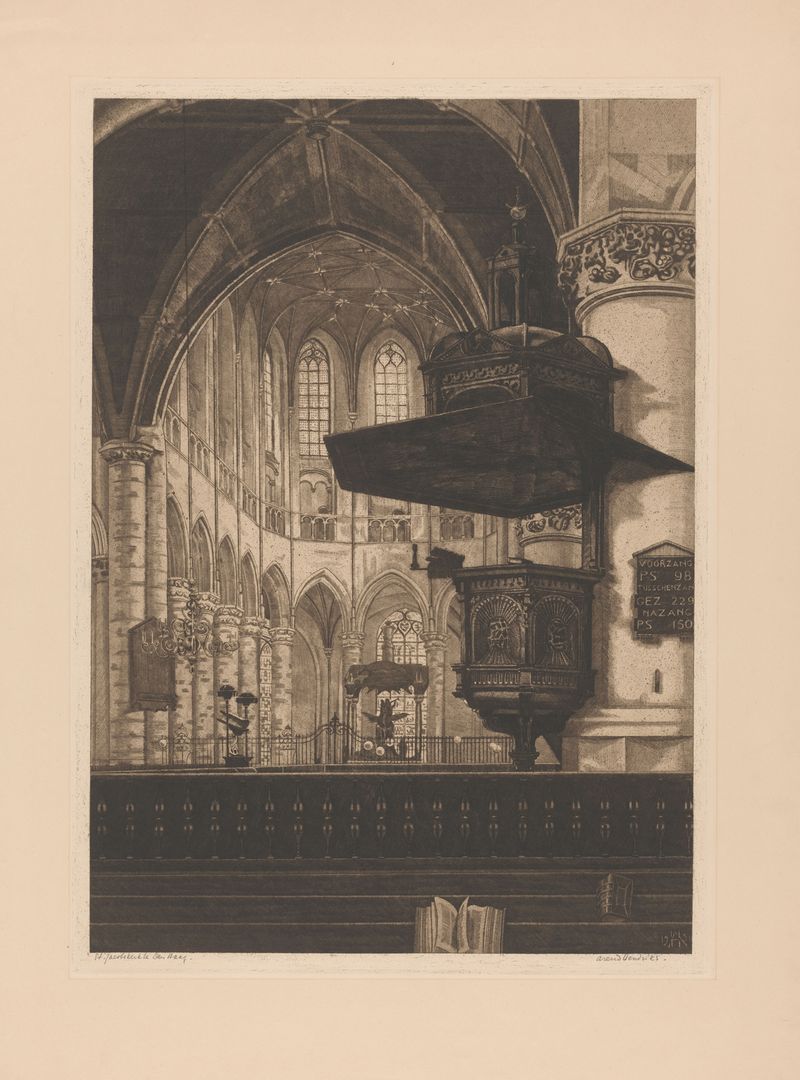
St. Jacobskerk te Den Haag
Arend Hendriks

Landschap met bloemen
Arend Hendriks
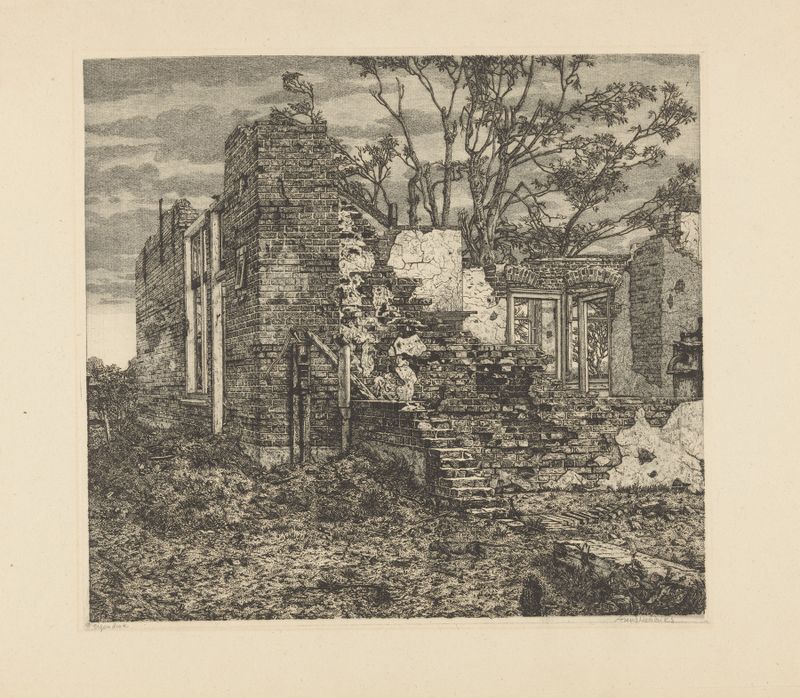
Ruïne van een huis
Arend Hendriks
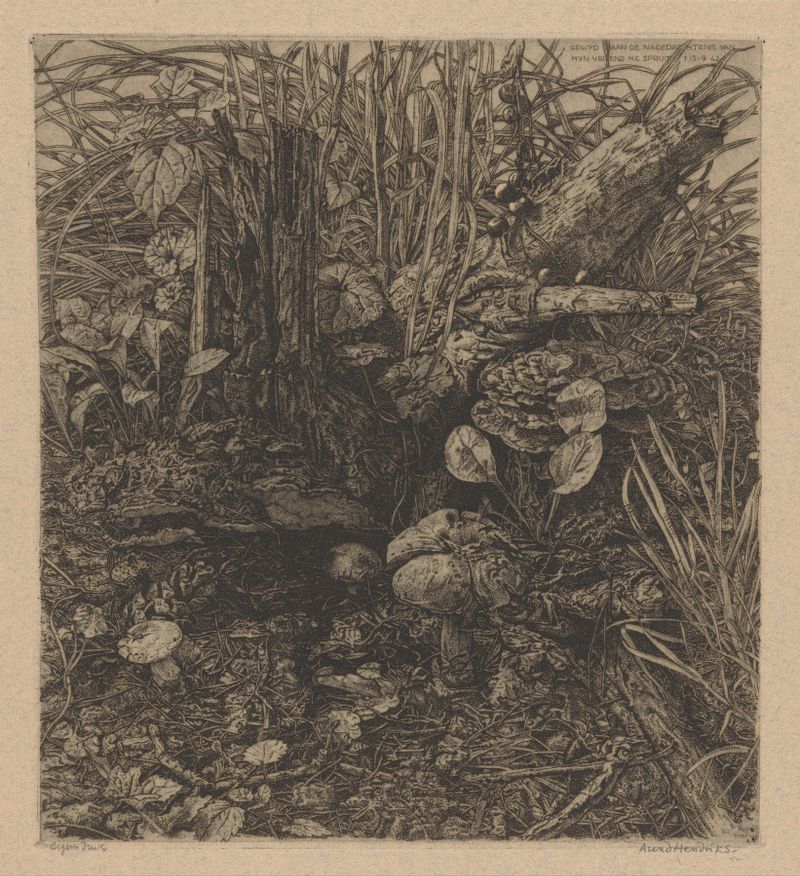
Paddenstoelen bij een boomstronk
Arend Hendriks

Gezicht op Huis ten Bosch, RP-P-2014-83-65
Arend Hendriks
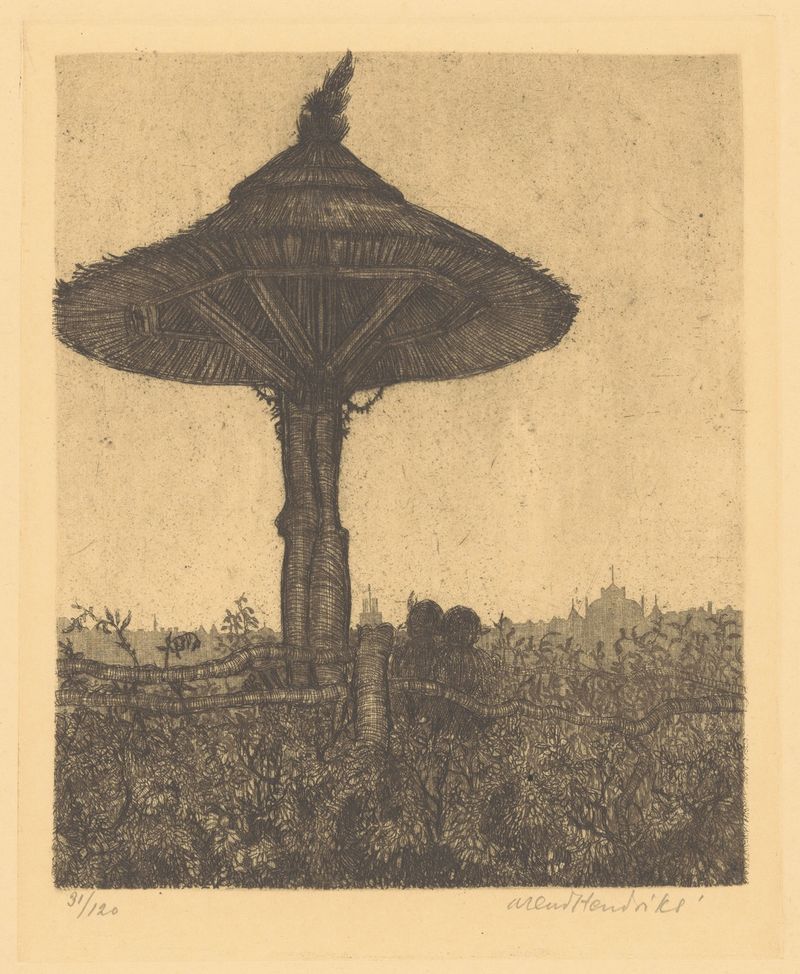
De paraplu
Arend Hendriks
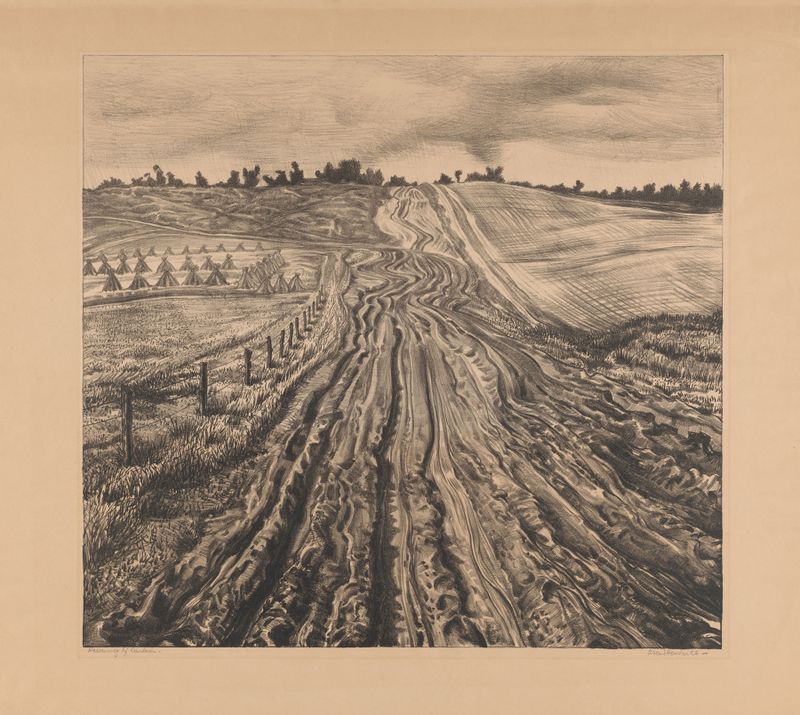
Hessenweg bij Lunteren
Arend Hendriks
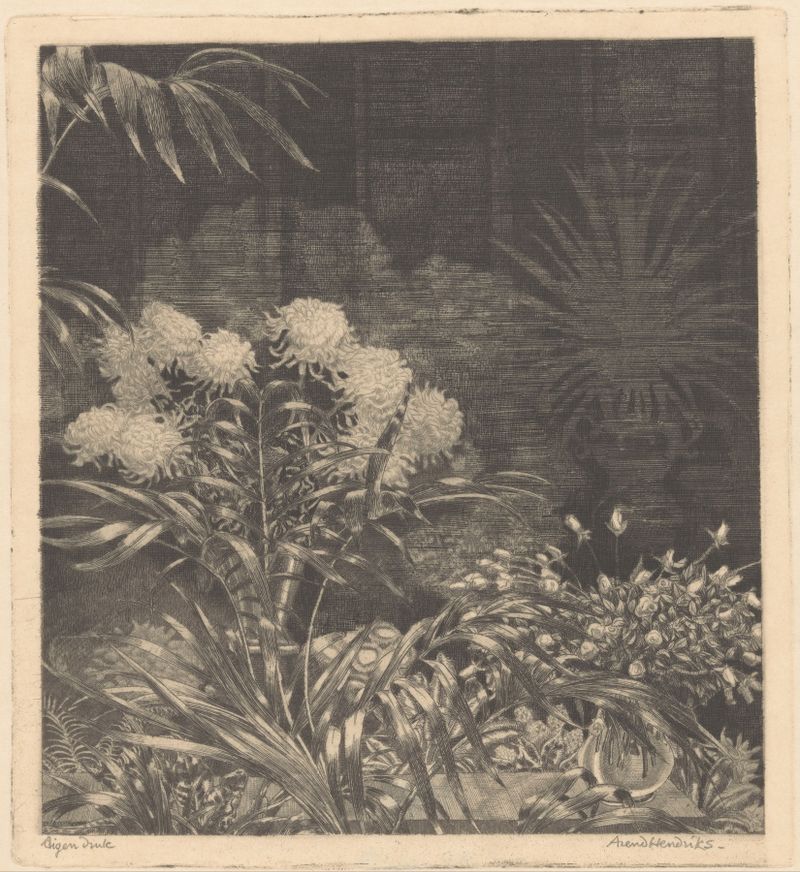
Interieur met bloemen in vazen en planten in potten
Arend Hendriks
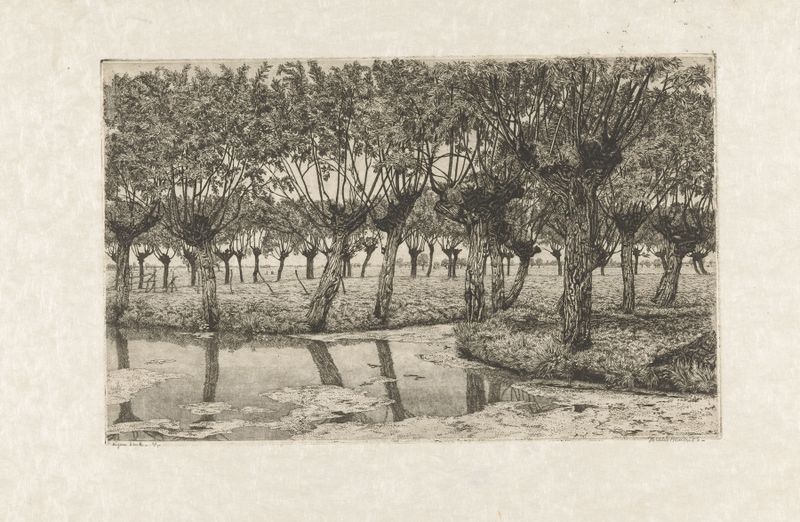
Polderlandschap met knotwilgen
Arend Hendriks
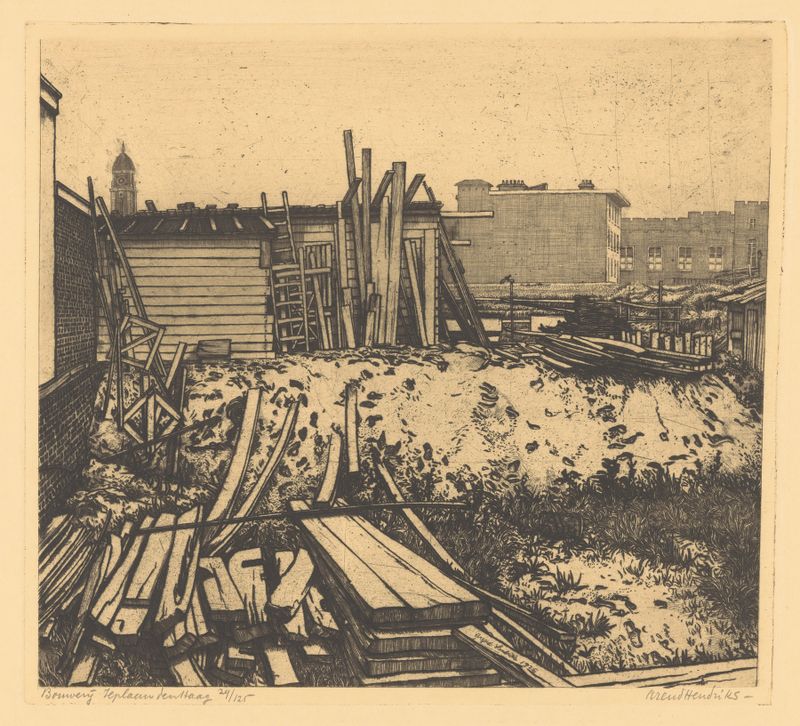
Bouwerij, Ieplaan, Den Haag
Arend Hendriks
More Architecture Art
Browse all →
The statue of Liberty
Frédéric Auguste Bartholdi

View of Houses in Delft, Known as ‘The Little Street’
Johannes Vermeer

View of Houses in Delft, Known as ‘The Little Street’
Johannes Vermeer

The Cathedral in Rouen. The portal, Grey Weather
Claude Monet

The yellow house
Vincent van Gogh

The Church in Auvers-sur-Oise, View from the Chevet
Vincent van Gogh