Puig del Mas. Banyuls — History & Facts
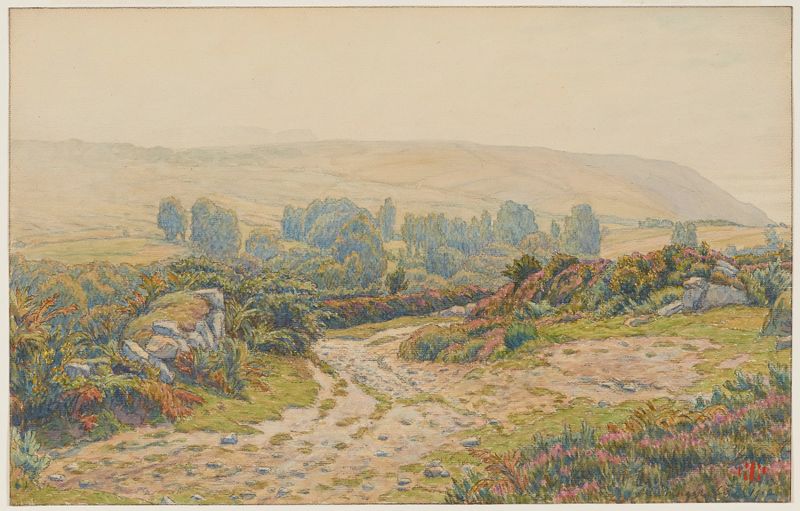
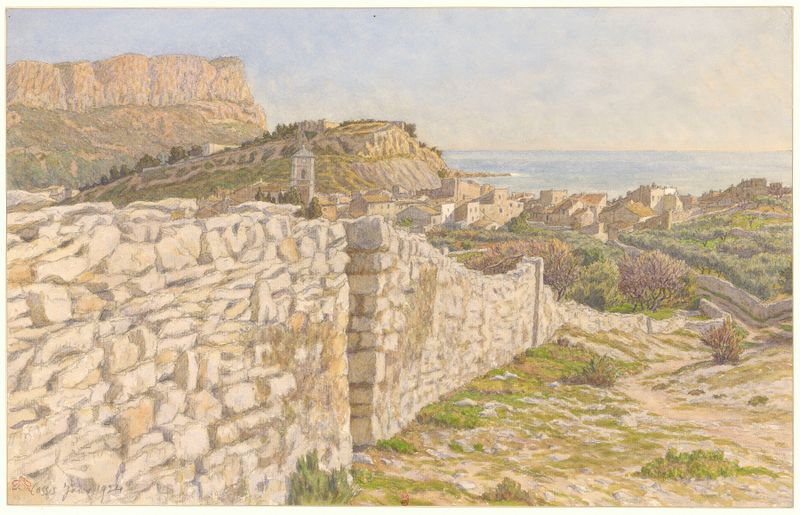
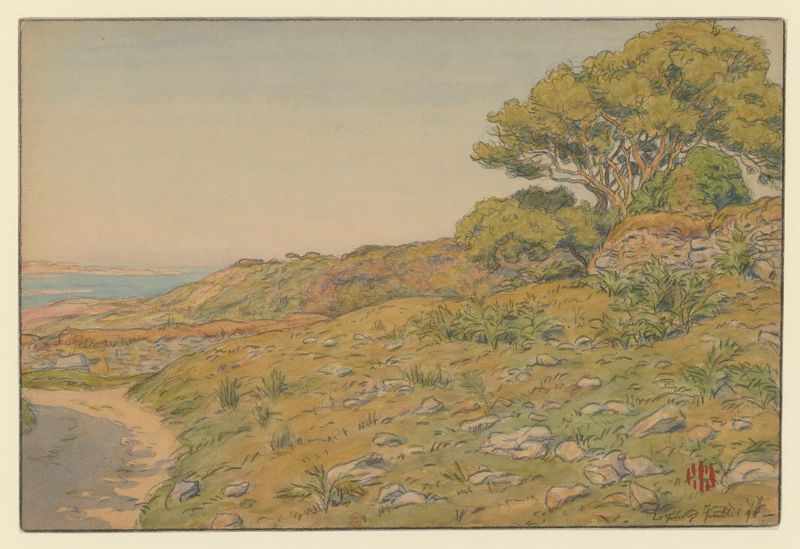
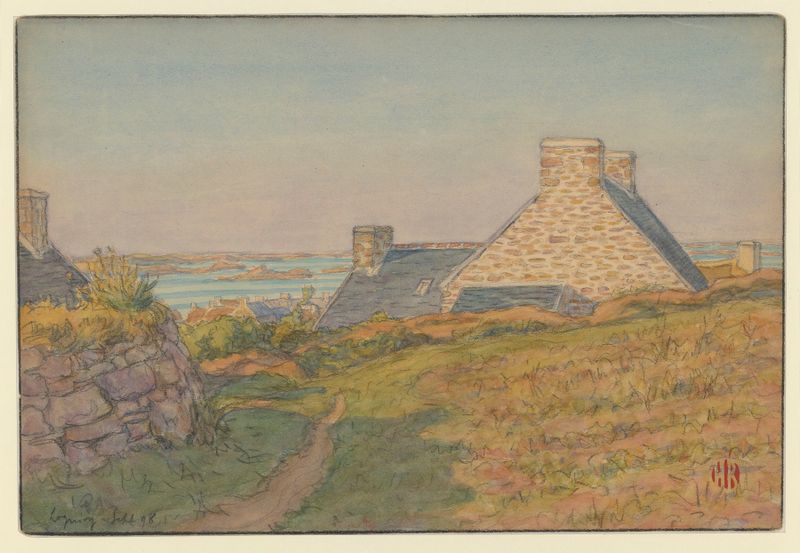
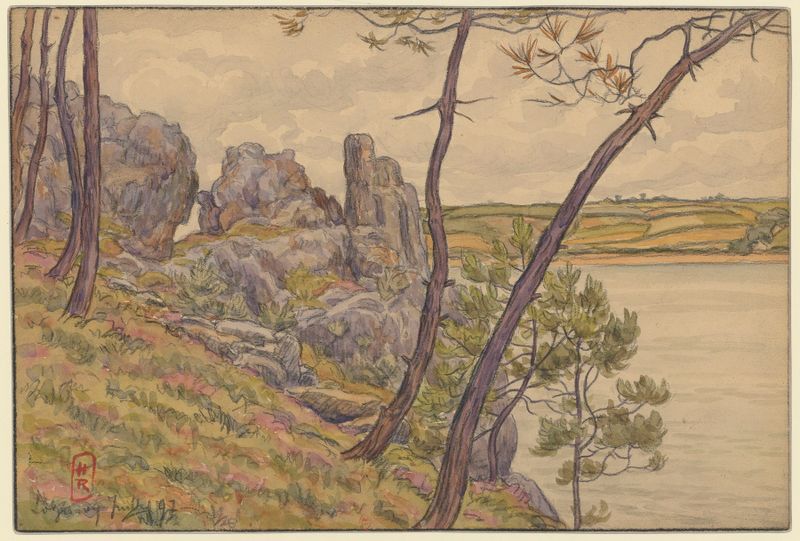
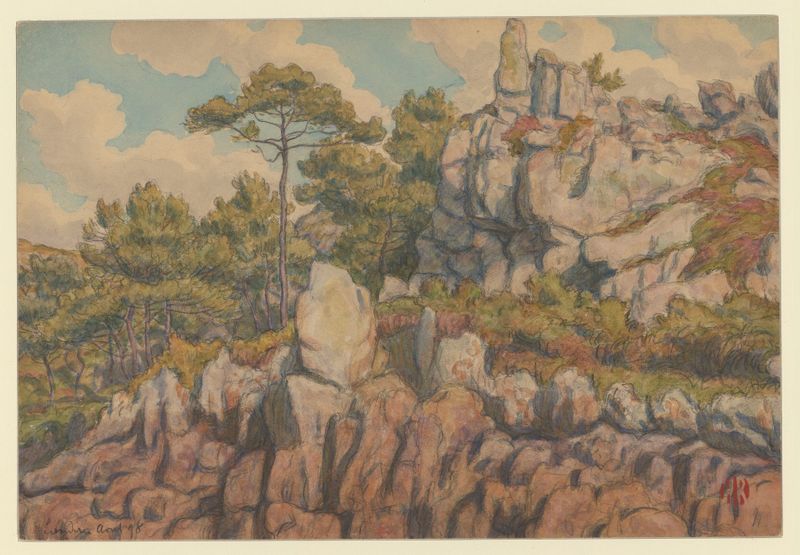
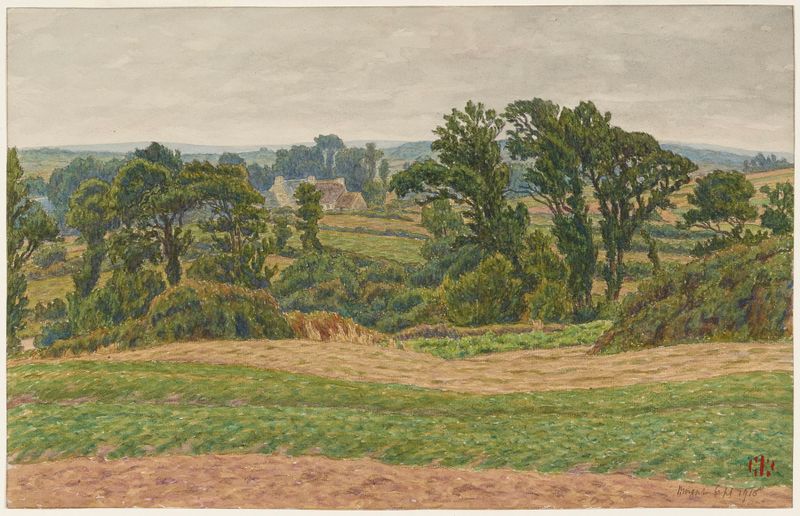
Did the painter know this moment would outlive them? In a fleeting world where time slips like water through fingers, the silence of a captured landscape resonates with an echo of eternity. Focus on the sweeping expanse of the horizon, where the deep blues and greens blend seamlessly into the sky. The brushwork is meticulous, creating a sense of both calm and movement, as if the wind dances through the trees. Look closely at the gentle curves of the hills, inviting the viewer’s eye to wander toward the distant mountains, their colors softened by atmospheric perspective.
The interplay of light and shadow adds depth, turning the canvas into a serene invitation for contemplation. Yet, beneath this tranquil beauty lies a profound sense of void. The absence of human figures speaks volumes, suggesting a world untouched and untouched by time, perhaps reflecting the artist’s own pursuit of solitude. The subtle contrasts in color symbolize both the serenity and isolation inherent in nature, evoking a longing for connection in a world that can often feel distant.
This landscape is a meditation on existence and absence, urging us to reflect on what we find in solitude. In 1926, while residing in France, Rivière painted this piece during a time when the art world was evolving rapidly, marked by movements such as Surrealism and Cubism. His works often straddled the line between representation and abstraction, and this painting reflects his unique style, merging impressionistic techniques with a focus on the emotive power of nature. It was a period of personal introspection for the artist, and this work embodies that quiet exploration of both the external and internal landscapes.