Punta Campanella — History & Analysis
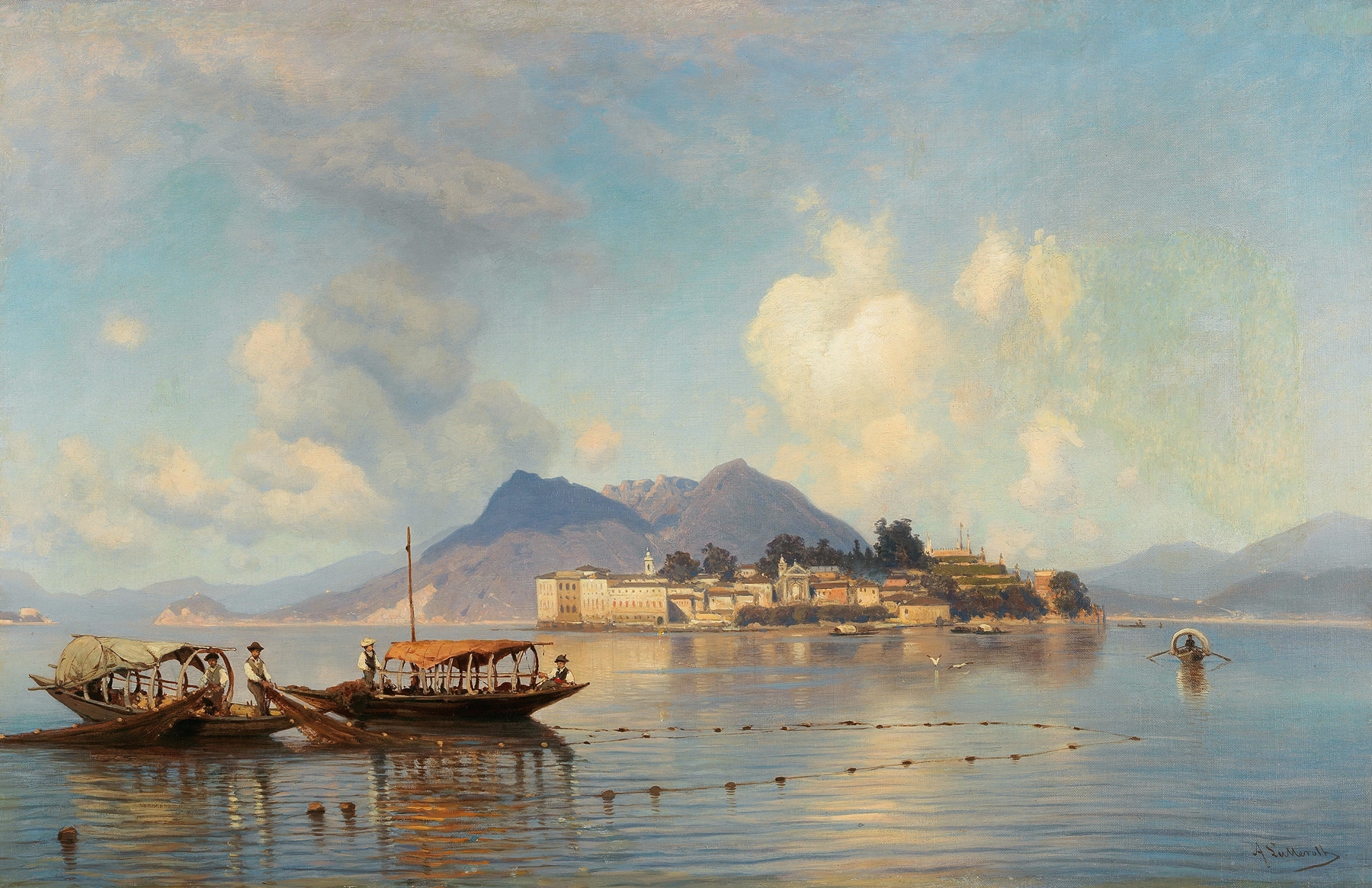
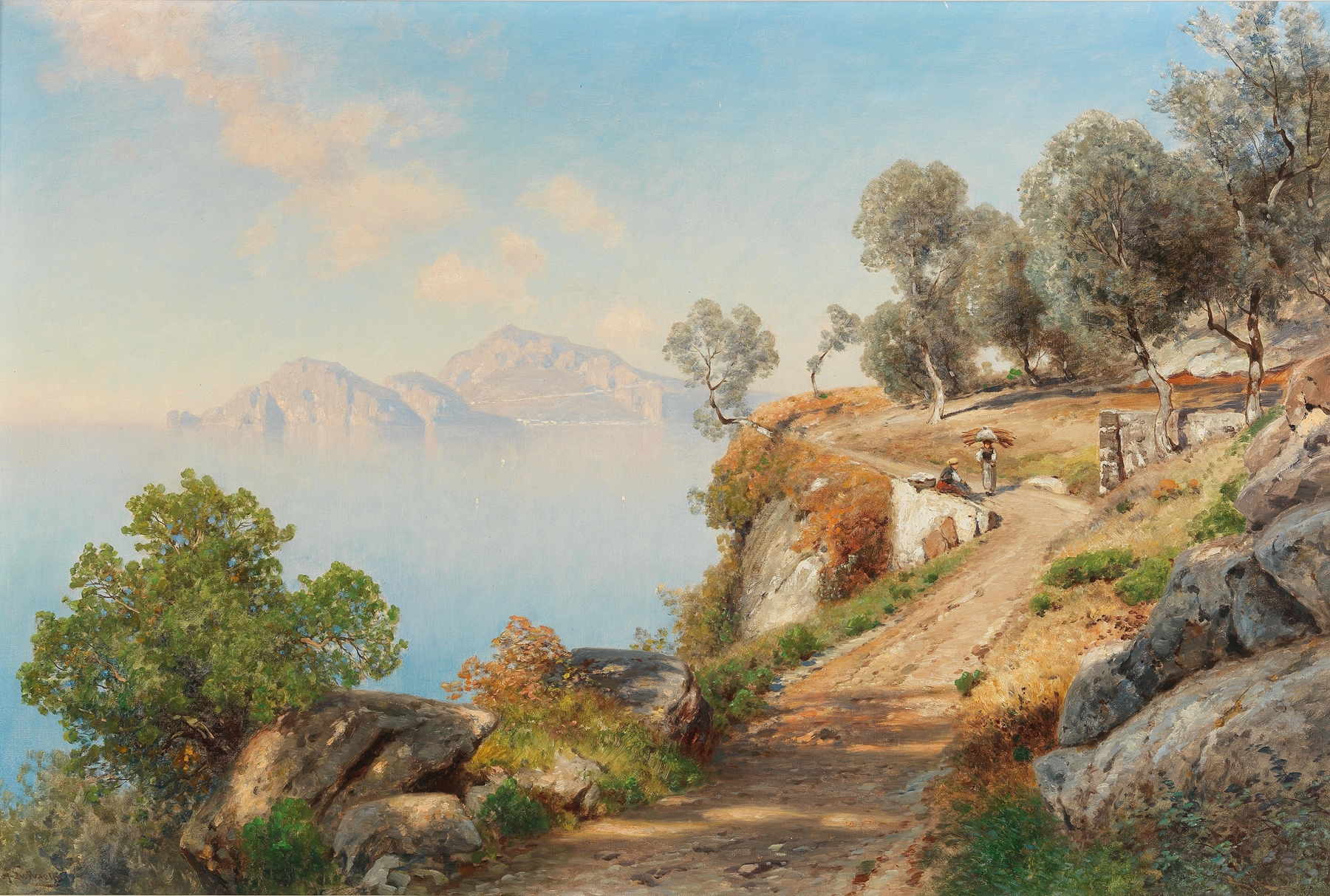
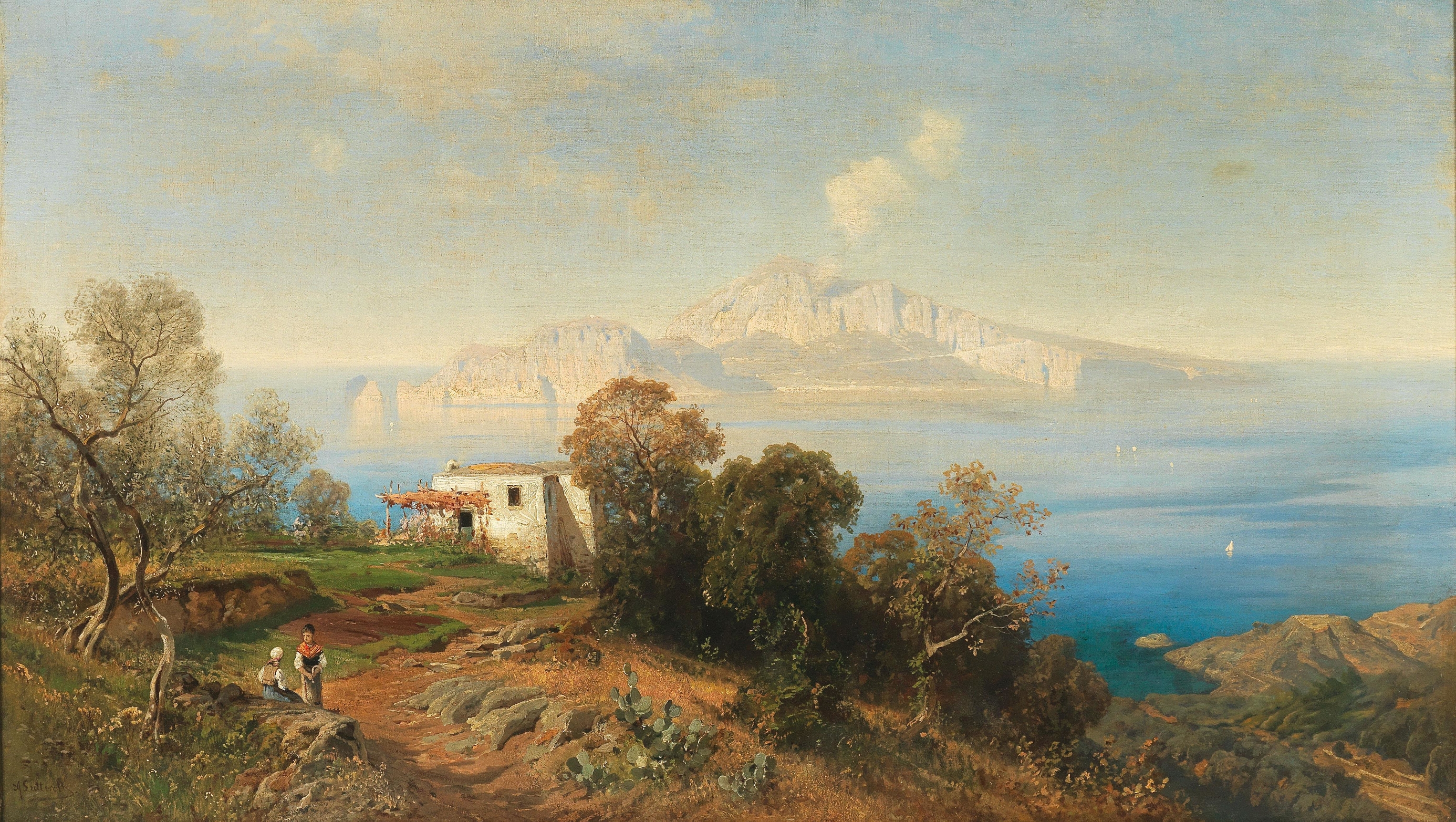
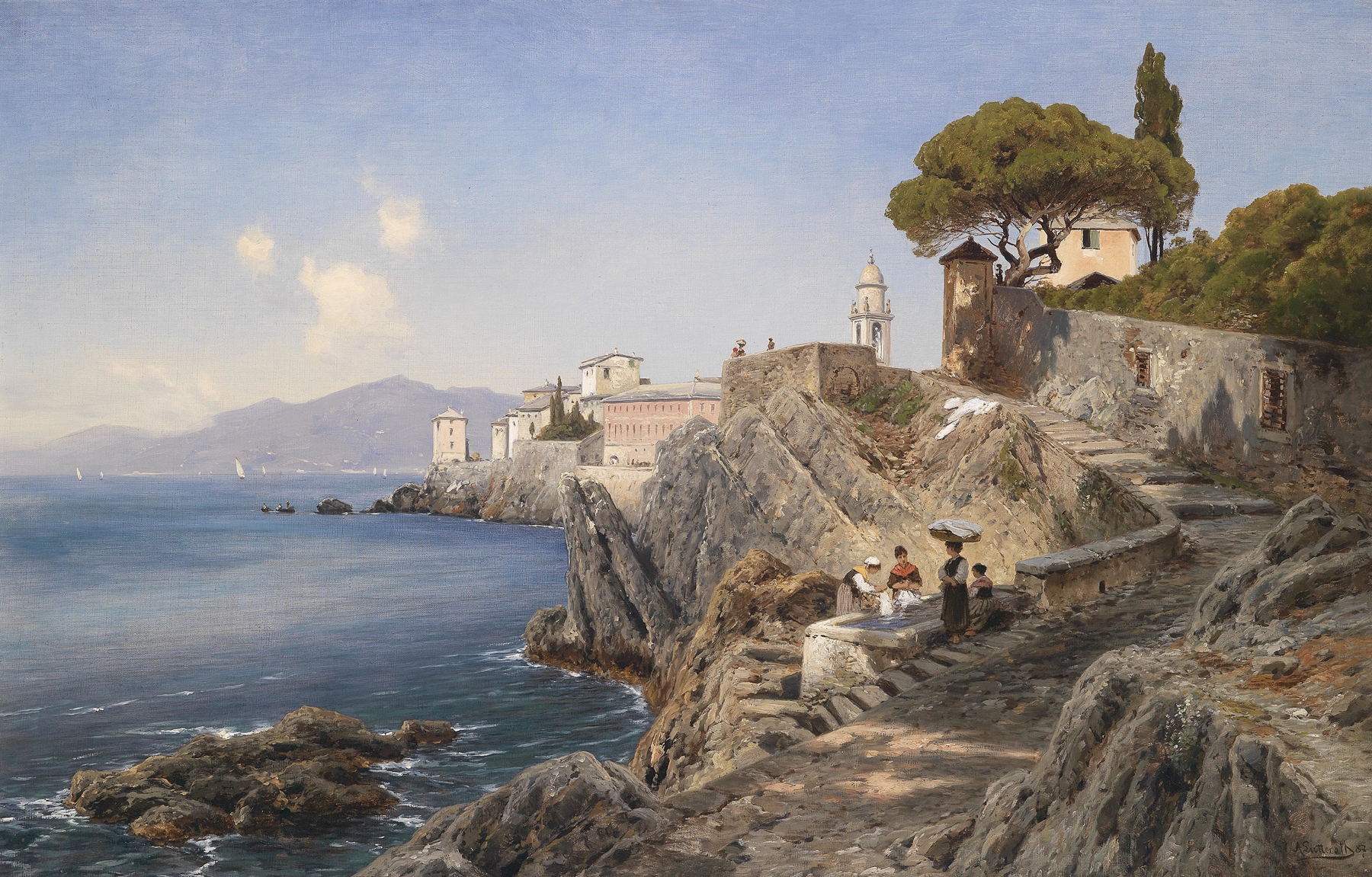
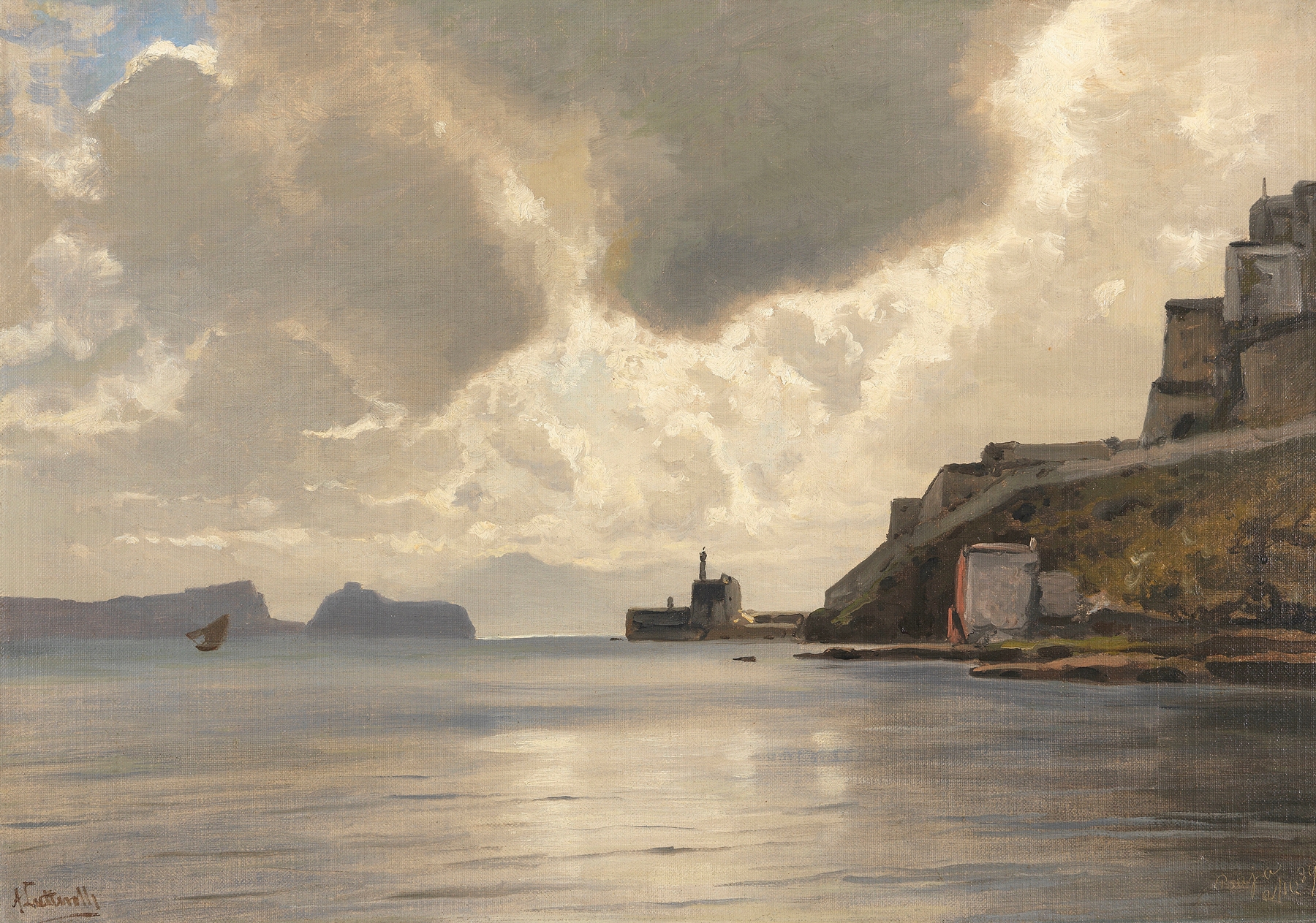
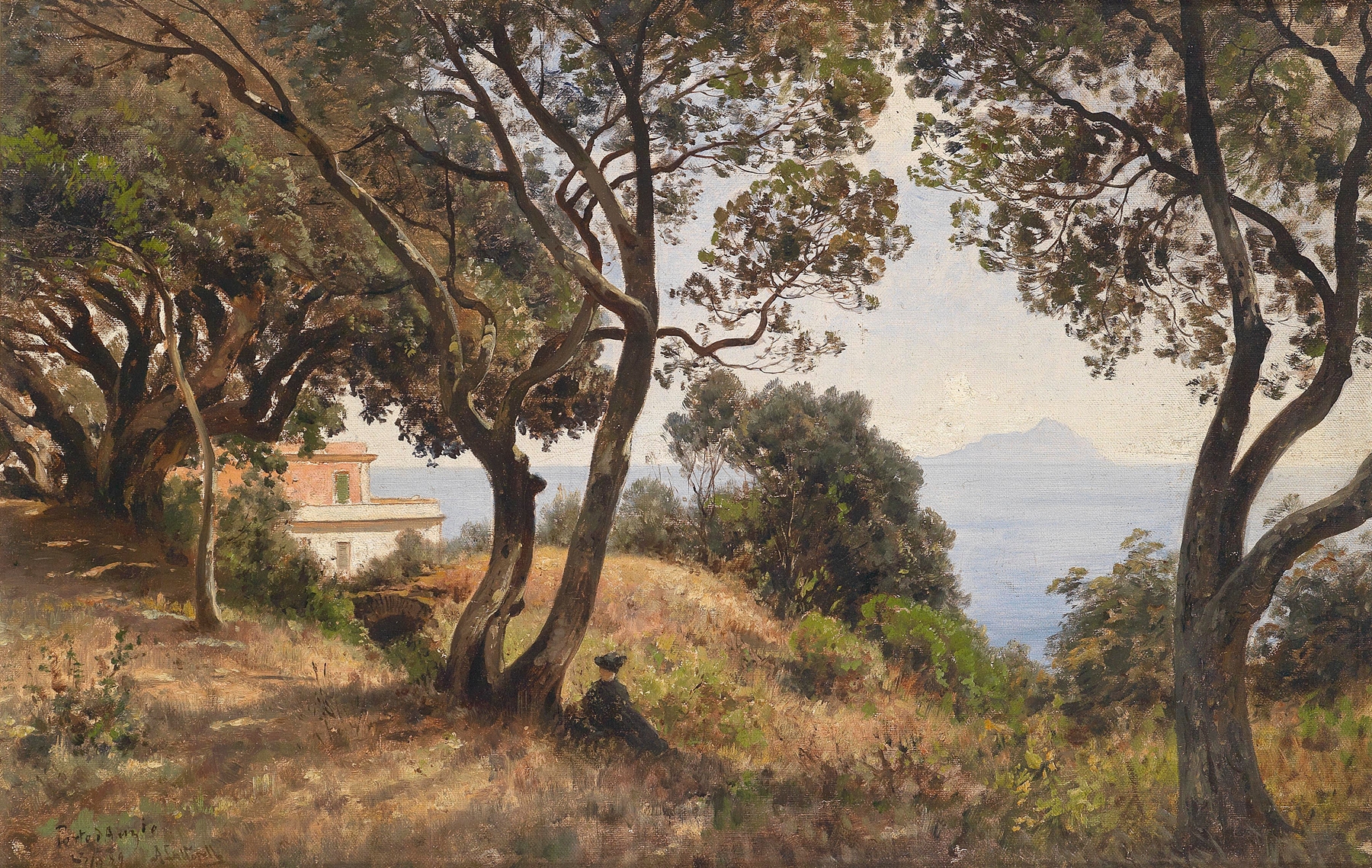
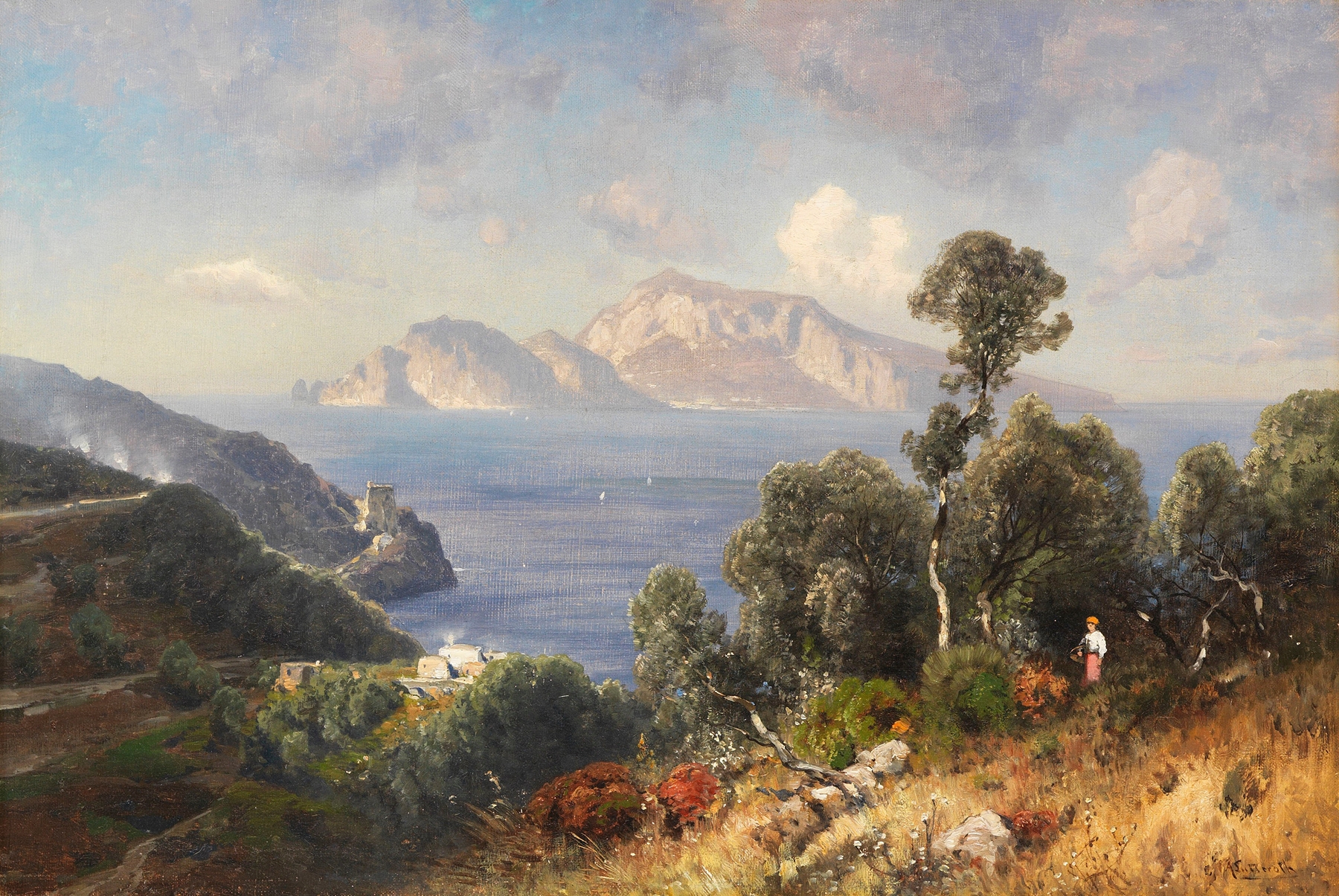
“Every silence here is a confession.” In the stillness of Punta Campanella, hope lingers in the air like the morning mist hanging over the water. It is a place where the ethereal meets reality, revealing a landscape that speaks to the soul’s longing for serenity and renewal. Focus first on the horizon, where the gentle curve of the coastline meets the shimmering sea. The cool blues and greens of the water bleed into the soft pastels of the sky, creating a seamless blend that invites you to breathe deeply. Notice how the light dapples across the surface, each wave reflecting not just sunlight but also the promises of new beginnings.
The composition balances vastness with intimate detail, drawing you into the depths of the scene. Within this tranquil vista, contrast emerges between the stillness of the water and the vibrancy of the land. The lush vegetation stands resilient, a testament to nature's persistence amid change. Here, the artist encapsulates the tension between calm and chaos, reminding us that even in stillness, life pulses with unspoken stories.
Each brushstroke echoes a hopefulness that challenges despair, suggesting that beauty can be found even in life’s quietest moments. Ascan Lutteroth created Punta Campanella during a formative period in his artistic journey, likely around the late 19th century while living in Italy. Influenced by the Impressionist movement, he sought to capture the fleeting effects of light and atmosphere in his landscapes. This piece reflects a time when artists were increasingly turning to the natural world for inspiration, embracing the emotive power of landscape as a canvas for exploring deeper human experiences.