
Purgatory Cliff — History & Facts
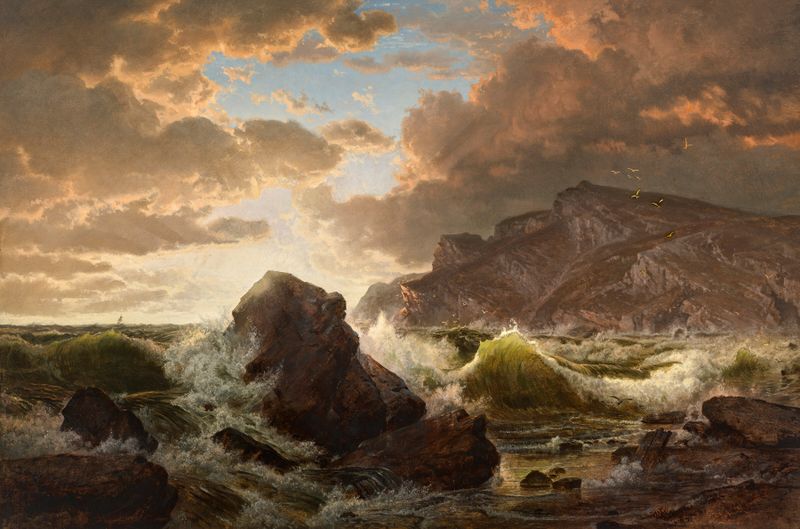
Where does light end, and longing begin? The boundary between existence and the eternal echoes in the subtle play of light and shadow in this stunning landscape. Look to the horizon, where the sun breaks the clouds, casting a golden glow over the rugged cliffs. The foreground is textured with meticulous brushwork, each stroke capturing the wildness of nature and the creeping vines that cling to the rocks. Notice how the light falls upon the water, transforming the surface into a shimmering mosaic, inviting the viewer to contemplate the depths below.
The contrasts of warm earth tones against cool blues evoke a sense of tranquility, yet hint at an underlying tension—a bridge between life and the unknown. Richards skillfully intertwines themes of mortality and beauty throughout the composition. The towering cliffs symbolize the challenges and impermanence of life, while the vastness of the ocean represents the depths of the human experience, filled with both wonder and fear. The nuanced interplay of light invites reflection on the fleeting nature of existence, as the viewer is drawn into an introspective dialogue about their own journey and the inevitability of the end.
Each element in the scene, from the craggy rocks to the expansive sky, resonates with a sense of longing and contemplation. In 1876, William Trost Richards painted Purgatory Cliff during a period marked by a growing interest in the sublime aspects of nature. Having settled in Pennsylvania, he sought to capture the beauty of the American landscape through detailed realism. This work reflects a backdrop of artistic exploration amidst a nation grappling with its identity and the transient nature of life, making it a poignant testament to the era’s evolving themes in art.
More Artworks by William Trost Richards
Browse all →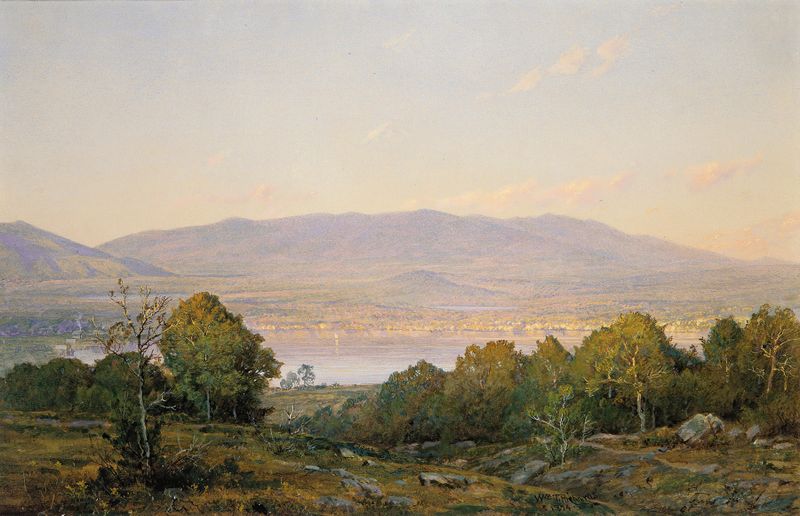
Sundown at Centre Harbor, New Hampshire
William Trost Richards
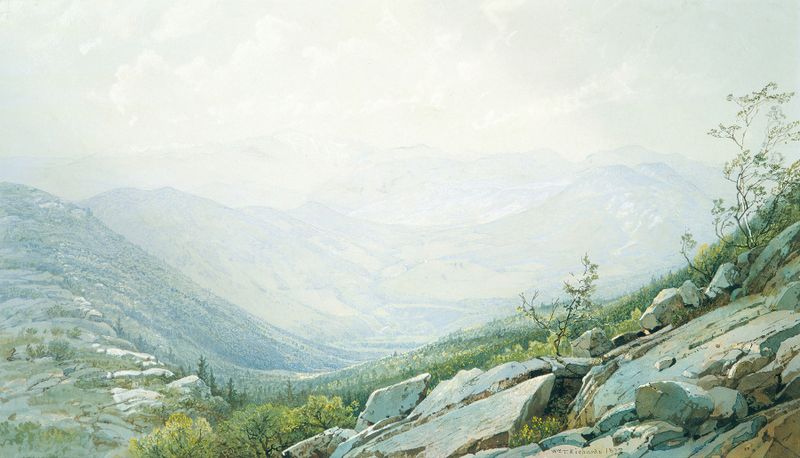
The Mount Washington Range, from Mount Kearsarge
William Trost Richards
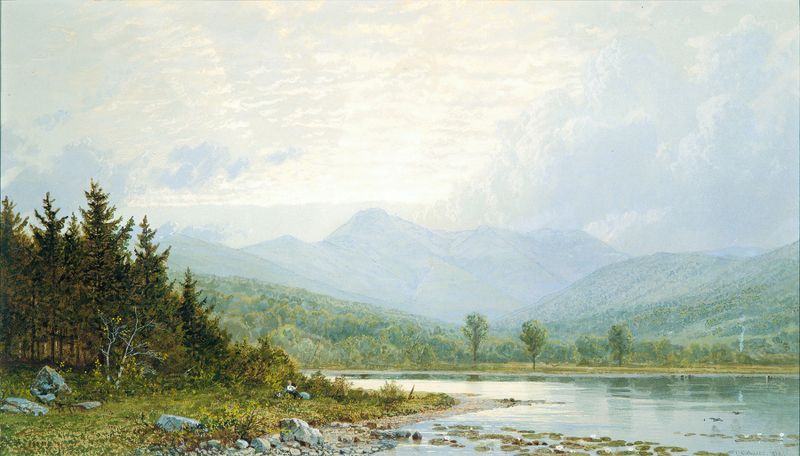
Sunset on Mount Chocorua, New Hampshire
William Trost Richards
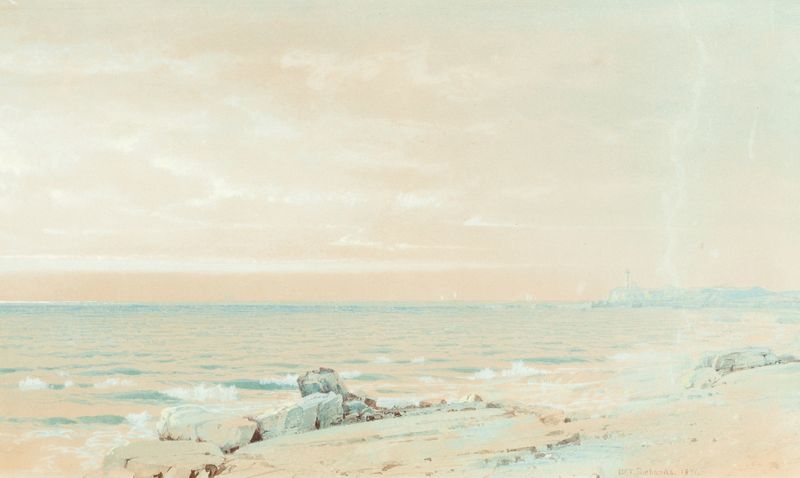
Point Judith
William Trost Richards

Moonlight on Mount Lafayette, New Hampshire
William Trost Richards

Point Judith
William Trost Richards

Dunes Near Atlantic City
William Trost Richards

Near Lands End, Cornwall
William Trost Richards
Coastal Scene
William Trost Richards

Crashing Waves
William Trost Richards





