
Putti met passiewerktuigen bij het graf van Christus — History & Facts
In the stillness of the grave, sacred and profound, the essence of awakening lies within the tender interplay of light and shadow. Each figure, lovingly crafted, whispers a story of solace and resurrection—a celebration of what it means to emerge anew. Look to the center of the composition, where a group of cherubic putti clusters around the grave of Christ. Their delicate, almost ethereal forms are bathed in soft, diffused light that creates a striking contrast against the somber tones of the surrounding space.
The careful etching of their features, combined with the intricate detailing of the passion instruments at their feet, invites the viewer to ponder the duality of death and rebirth. The use of chiaroscuro highlights the emotional weight of the scene, allowing each element to resonate with a quiet yet powerful presence. As your eyes explore further, notice the juxtaposition of innocence and grief—the putti, symbols of purity and joy, stand guard over the instruments of suffering. This contrast serves as a poignant reminder of the intersection between sorrow and hope, urging us to reflect on the transformative power of love and sacrifice.
Each putto's expression adds to the narrative, evoking a sense of wonder and contemplation that transcends the confines of the canvas. Created between 1644 and 1652, this work emerged during a time of personal and artistic exploration for the artist. Hollar, a Bohemian engraver living in England, was navigating the complexities of the post-Reformation art world, where themes of faith and spirituality were being reconsidered. The artwork reflects not only his technical mastery but also the profound engagement with themes of resurrection and the eternal, capturing a moment where art serves as a vessel for both loss and renewal.
More Artworks by Wenceslaus Hollar
Browse all →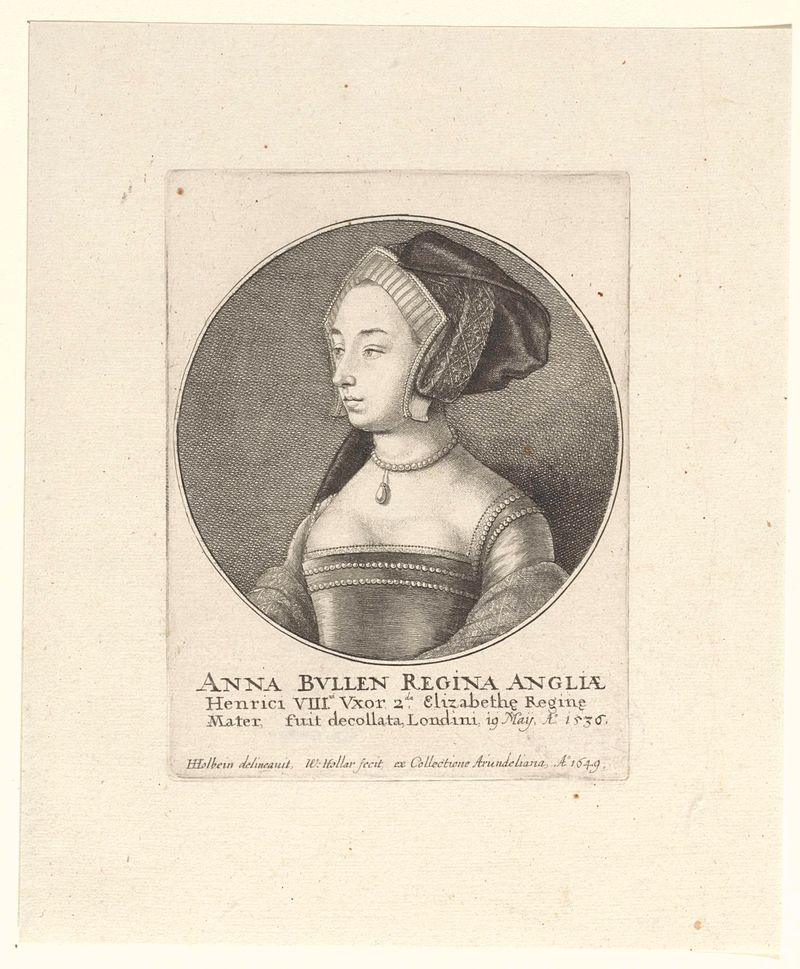
Portret van Anna Boleyn, koningin van Engeland
Wenceslaus Hollar
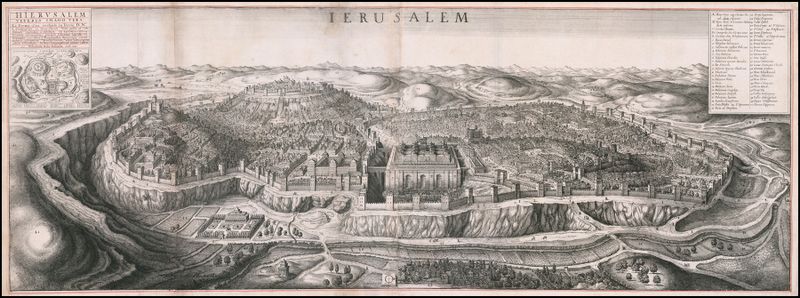
Bird’s eye view of Jerusalem
Wenceslaus Hollar
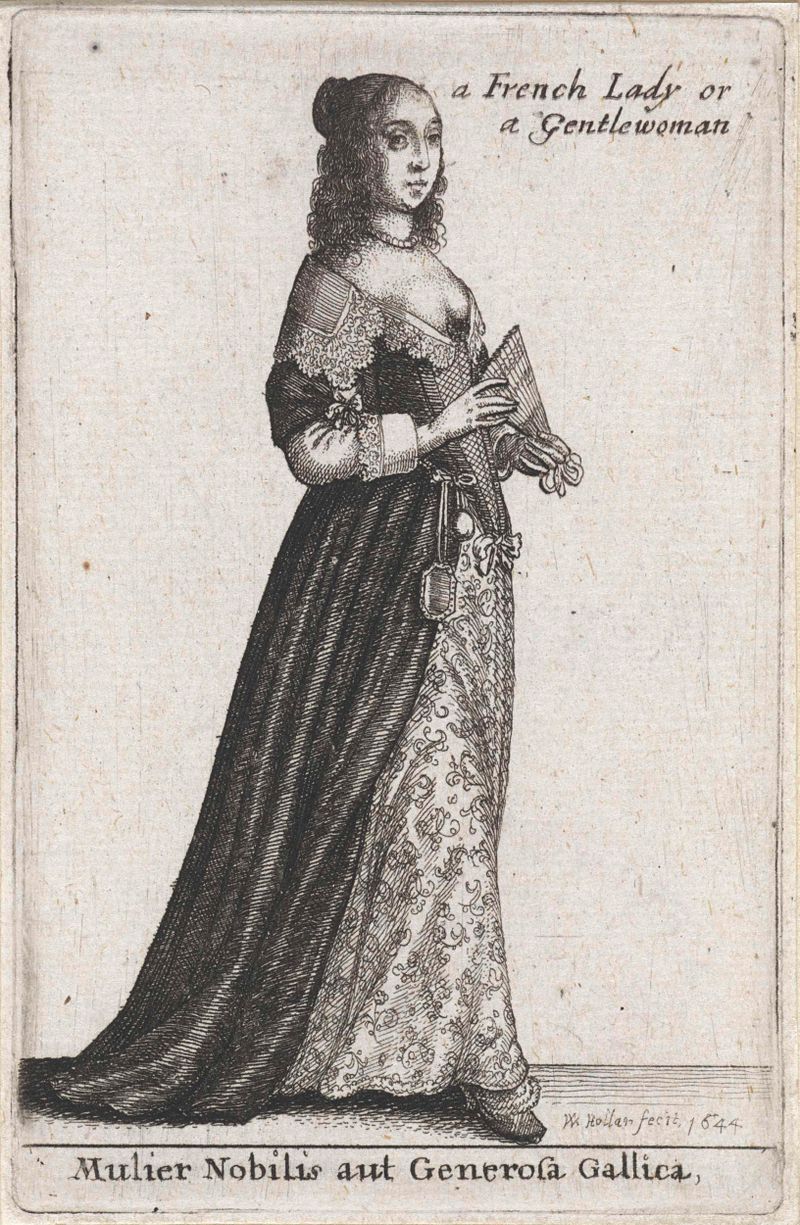
Mulier Nobilis aut Generosa Gallica / a French Lady or Gentlewoman
Wenceslaus Hollar
Titelprent voor: Ornatus Muliebris Anglicanus
Wenceslaus Hollar
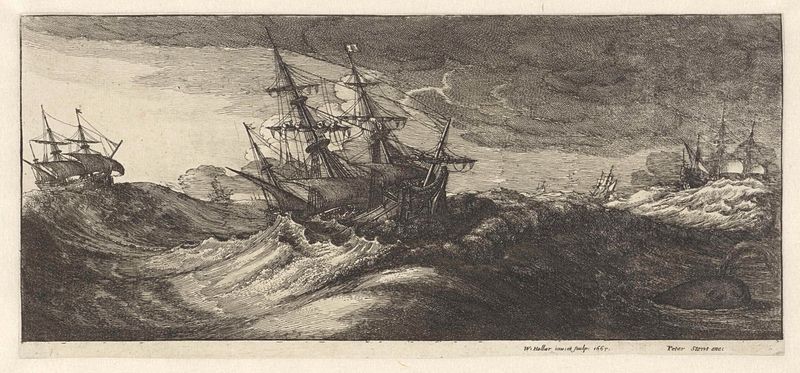
Oorlogsschepen en een walvis in een zeestorm
Wenceslaus Hollar
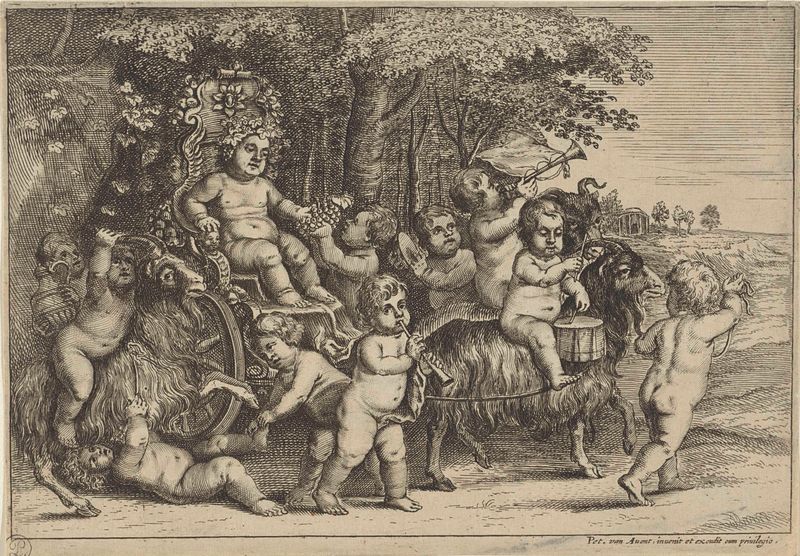
Optocht van bacchant en jongetjes op geiten
Wenceslaus Hollar
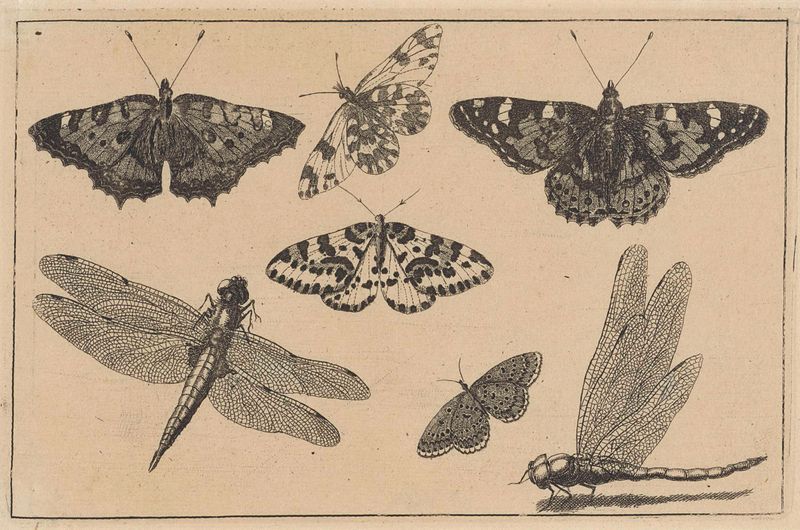
Twee libellen en vijf vlinders
Wenceslaus Hollar
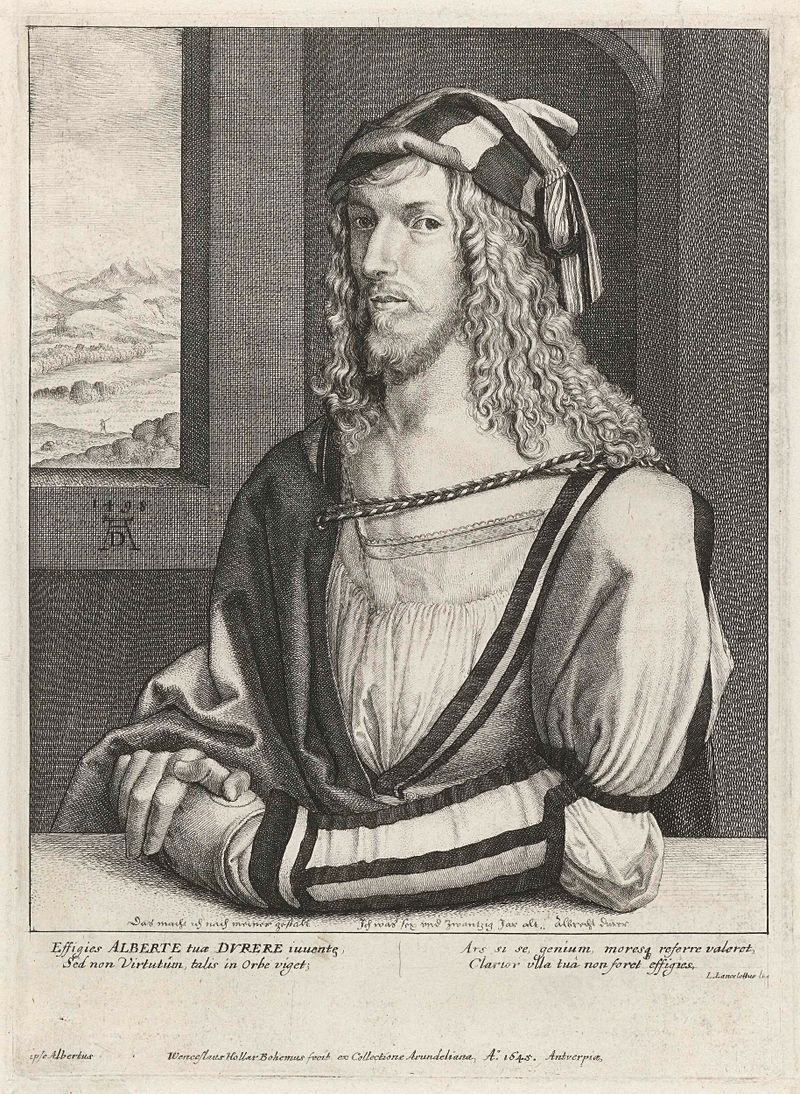
Portret van Albrecht Dürer
Wenceslaus Hollar
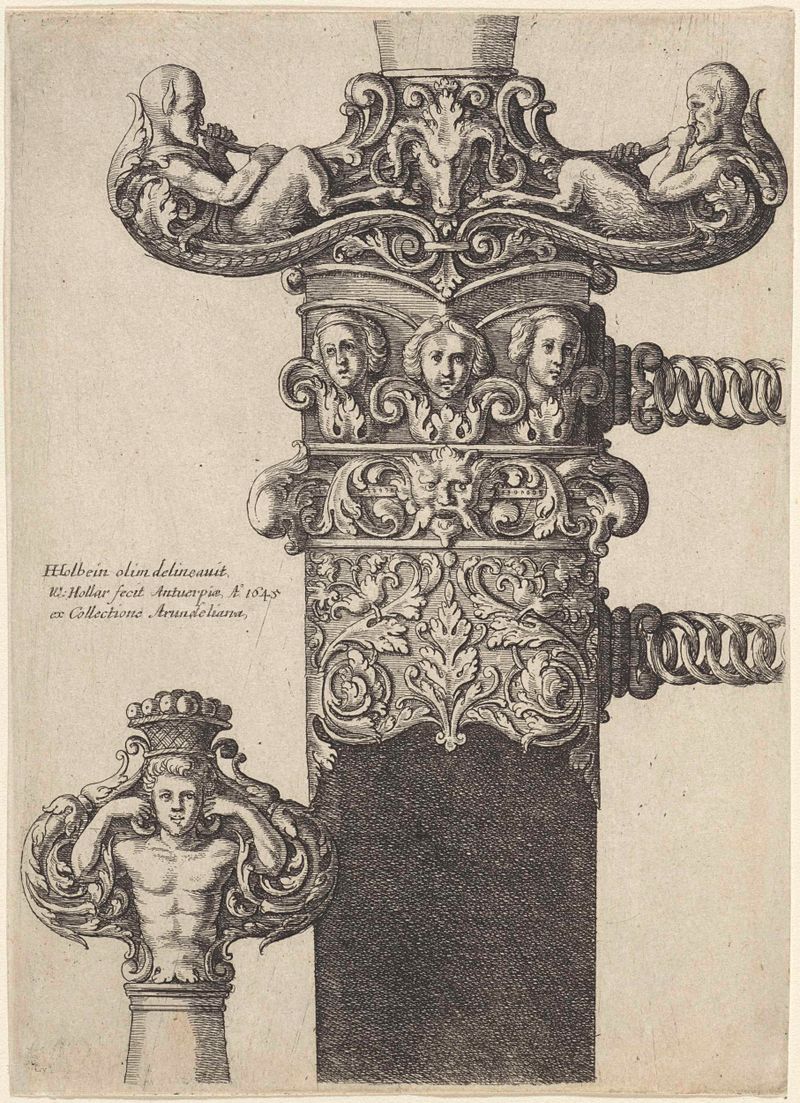
Ornamenteel ontwerp voor een dolk
Wenceslaus Hollar
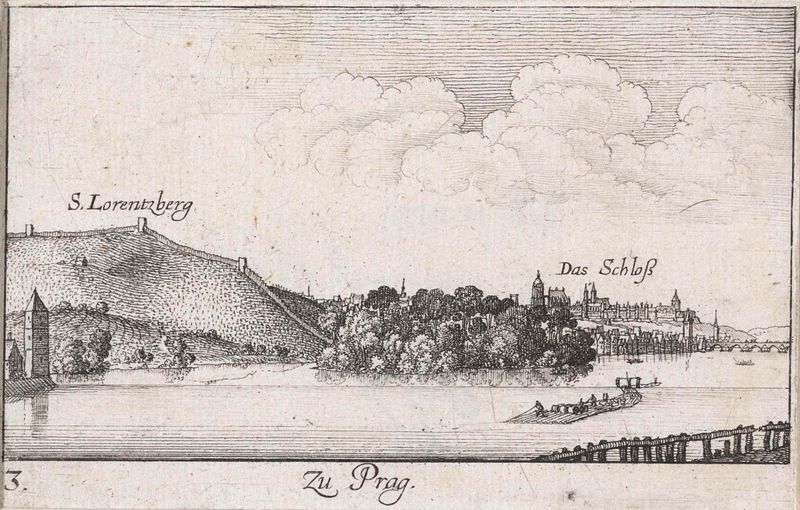
Gezicht op Praag vanaf de Moldau
Wenceslaus Hollar
More Religious Art
Browse all →
The Return of the Prodigal Son
Rembrandt van Rijn

The Garden of Earthly Delights
El Bosco

Count Orgaz’ funeral
El Greco

The Hundred Guilder Print: the central piece with Christ preaching, the plate arched
Rembrandt van Rijn

The Descent from the Cross
Rogier van der Weyden

The return of the prodigal son
Rembrandt van Rijn