
Quai de Valmy — History & Facts
In Quai de Valmy, movement becomes a thread that weaves through the fabric of memory, capturing a moment that dances on the edge of time itself. Look closely at the flowing lines that guide your eye across the canvas; they lead you from the bustling riverside to the gentle ripples of water. The palette vibrates with the energy of life—rich blues and vibrant greens contrast with the warm hues of sunlit figures. Here, the artist captures not just a scene, but the pulse of Paris in motion, where each brushstroke feels like a heartbeat. As you delve deeper, notice the figures engaged in daily routines, their postures conveying a sense of urgency, yet a tranquil rhythm flows through the composition.
The juxtaposition of movement and stillness speaks to the fleeting nature of urban existence, while the reflections in the water serve as a reminder of the ever-passing moments we often take for granted. Every detail contributes to a larger narrative about connection and transience. Ferdinand Boberg painted this work in 1926 while living in Paris, a city ripe with artistic innovation and cultural evolution. At this time, the world was grappling with the aftermath of the First World War, and the art scene was shifting towards modernism, embracing new forms and ideas.
Boberg, influenced by the vibrant atmosphere of the city, sought to capture not just what he saw, but how it felt to be amidst the ebb and flow of life along the Seine.
More Artworks by Ferdinand Boberg
Browse all →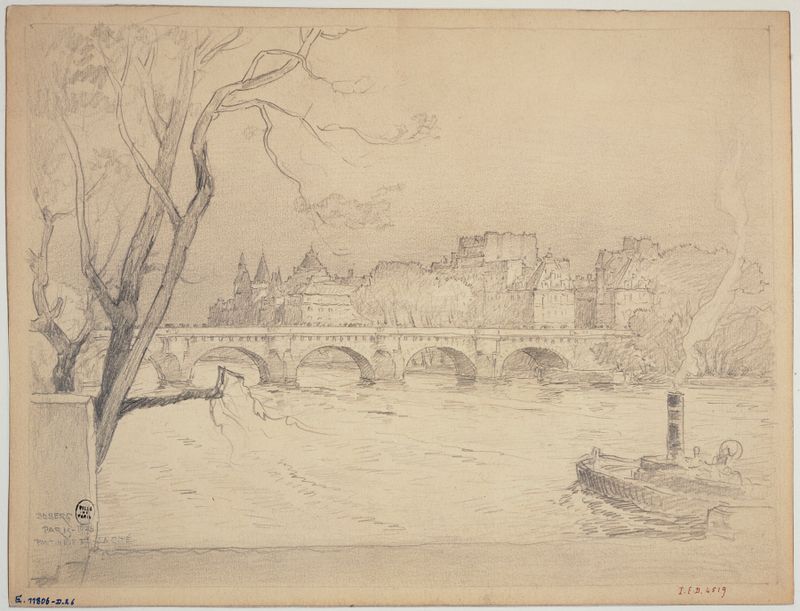
Le Pont-Neuf et la Cité
Ferdinand Boberg
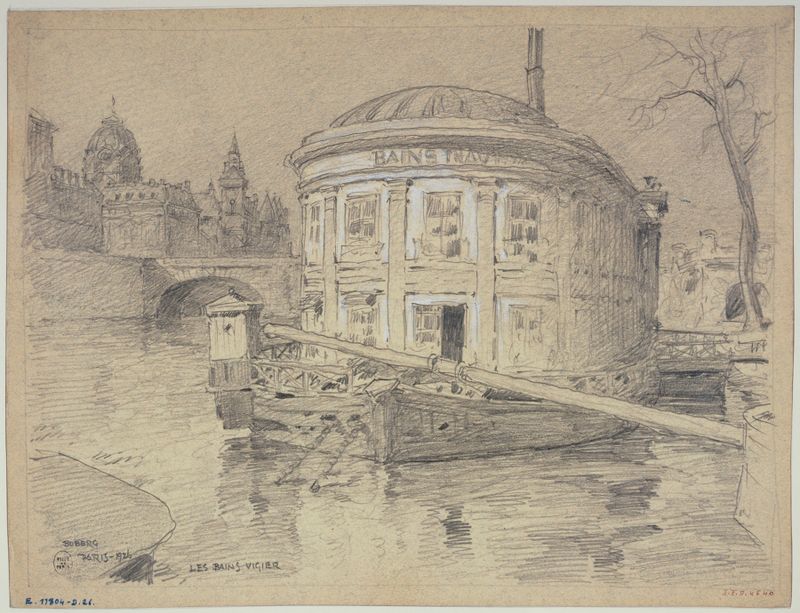
Les bains Vigier au Pont-Neuf
Ferdinand Boberg
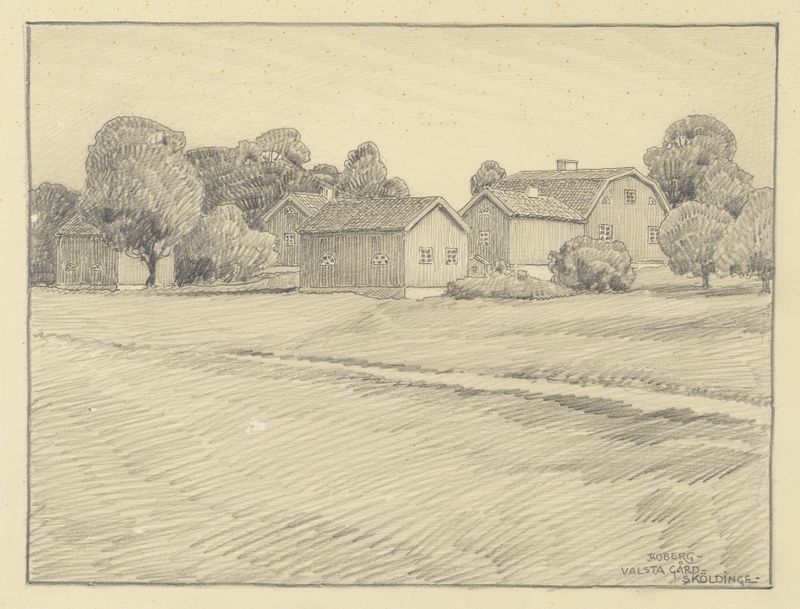
Valsta Gård
Ferdinand Boberg
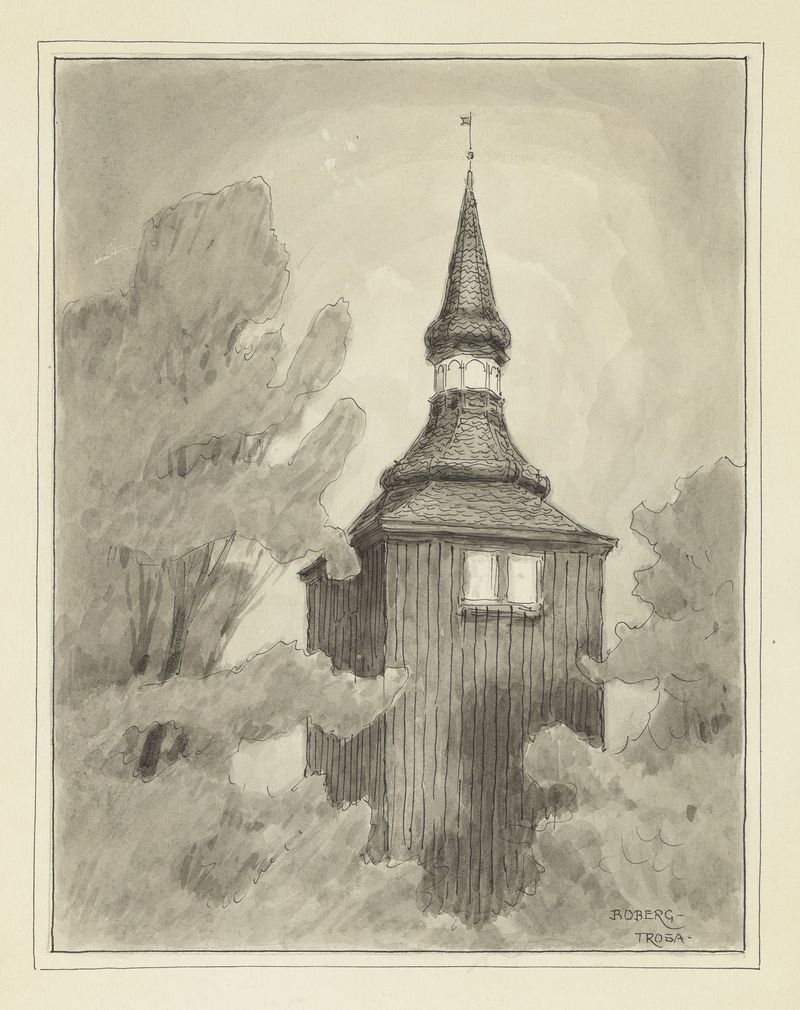
Trosa
Ferdinand Boberg
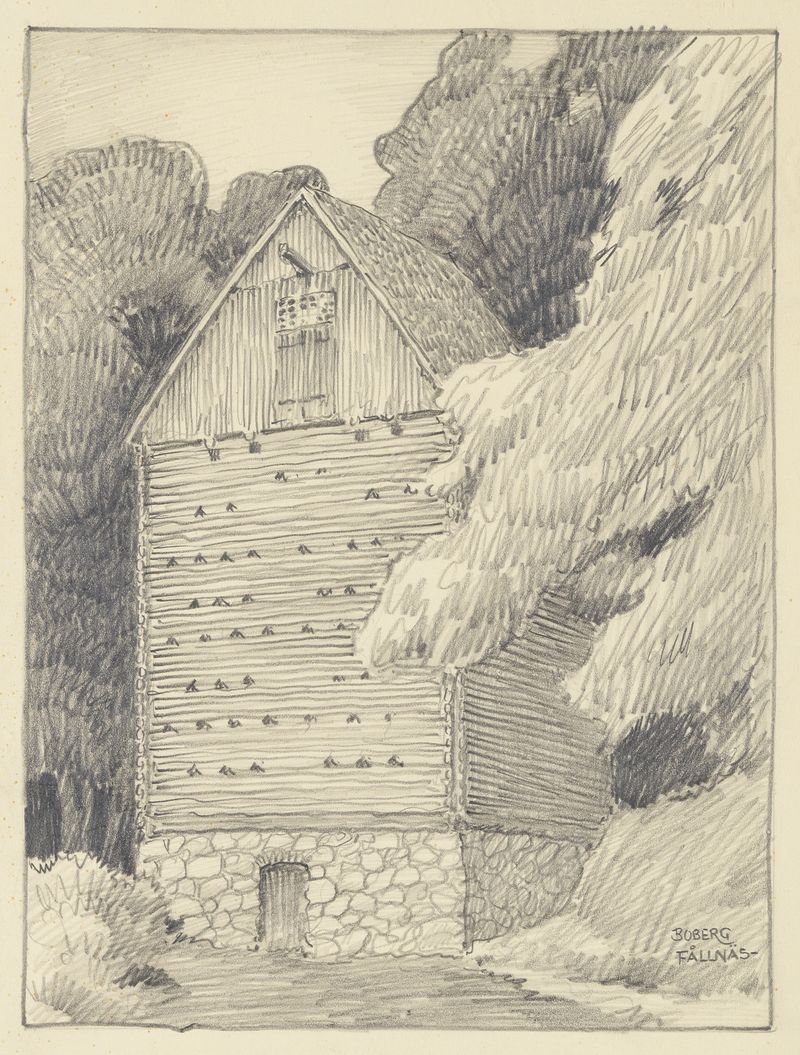
Fållnäs
Ferdinand Boberg
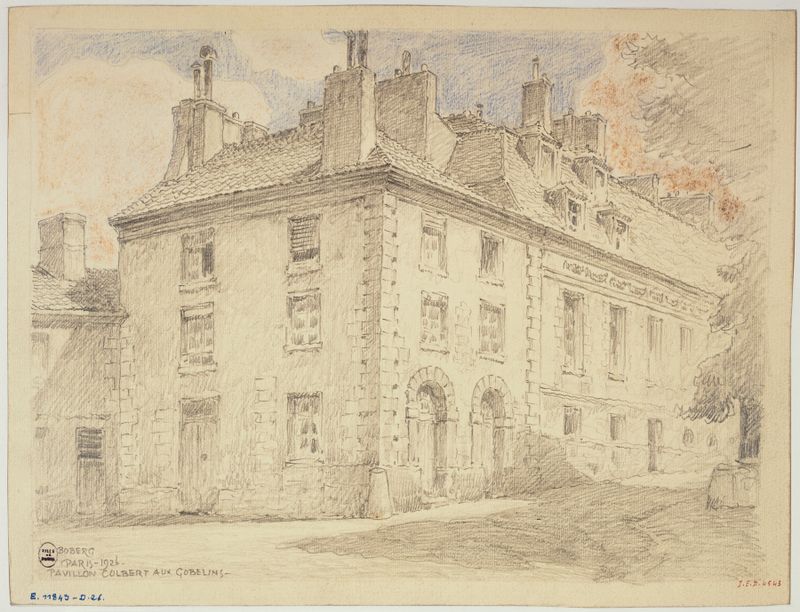
Le pavillon Colbert aux Gobelins
Ferdinand Boberg
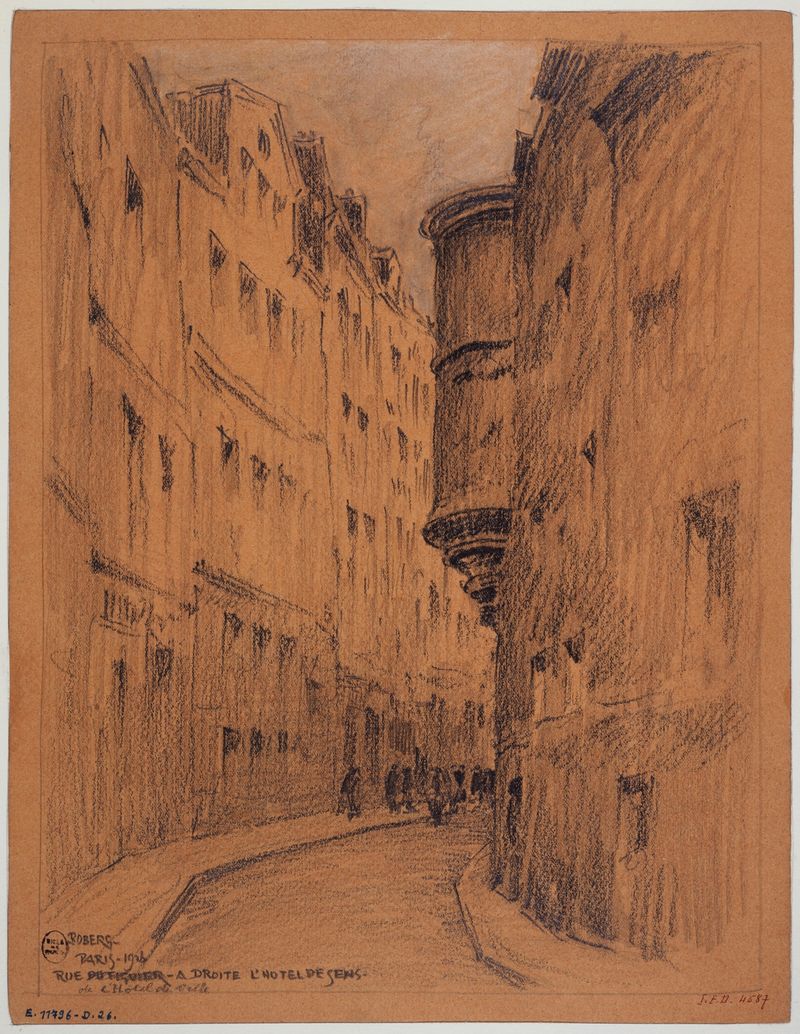
Rue de l’Hôtel de Ville; l’hôtel de Sens
Ferdinand Boberg
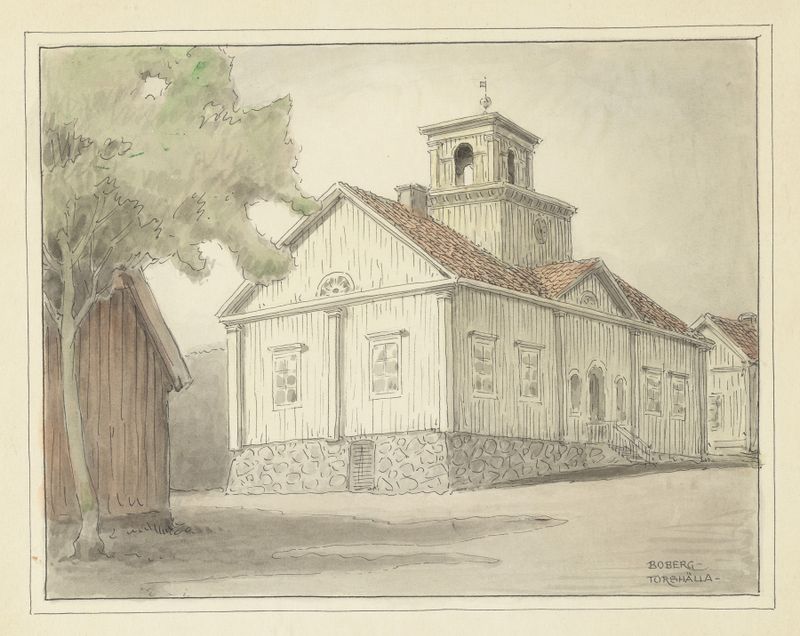
Torshälla
Ferdinand Boberg
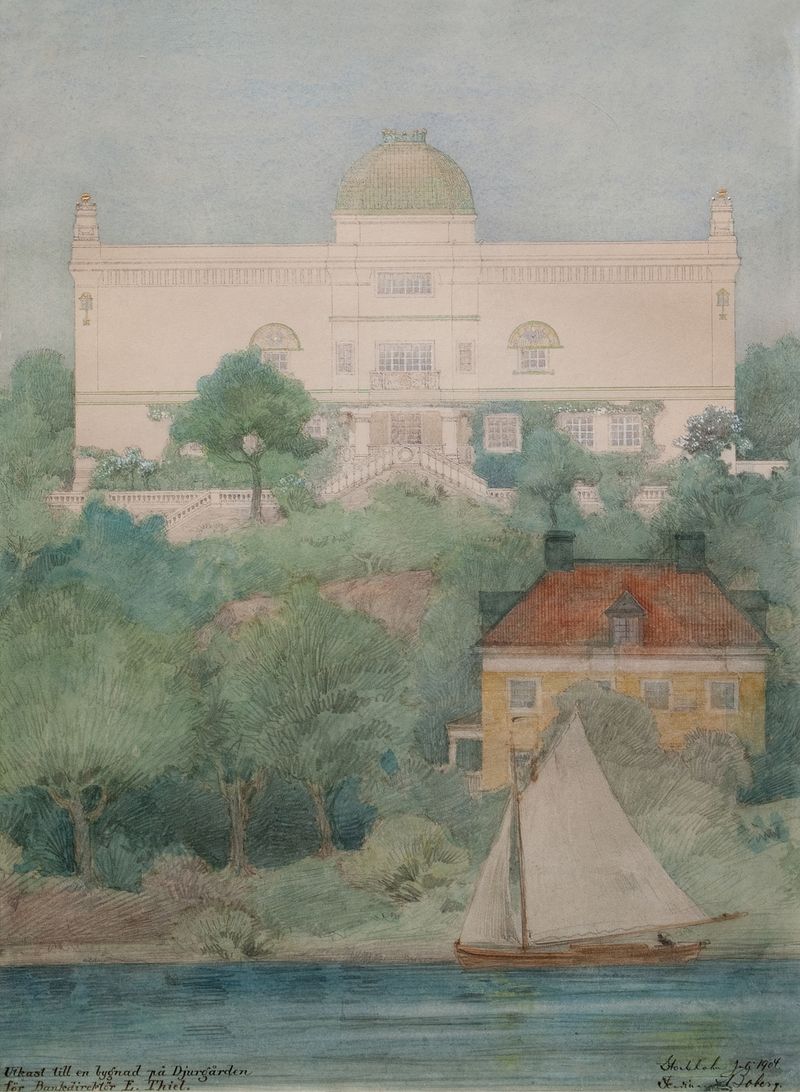
Sketch for a building for Thiel’s Gallery
Ferdinand Boberg
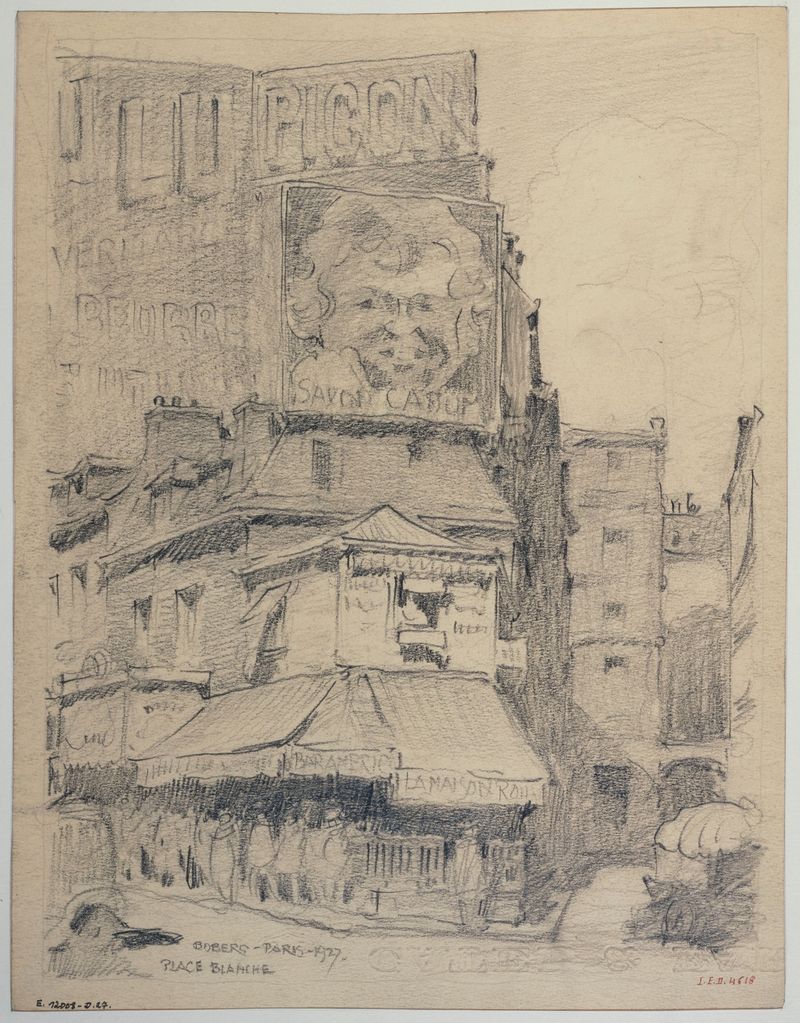
La place Blanche
Ferdinand Boberg





