
Quai des Grands Augustins et la rue Dauphine — History & Facts
Can beauty exist without sorrow? In Quai des Grands Augustins et la rue Dauphine, the answer is woven into the vibrant colors and subtle shadows that dance across the canvas, inviting contemplation and emotion. The interplay of light and hue suggests a world where joy and melancholy coexist, mirroring the complexities of life itself. Look to the left, where brilliant splashes of blues and golds meet the warm earth tones of the buildings. The artist’s brushstrokes create a textured surface, drawing the eye through the picturesque streets of Paris.
Notice how the sunlight bathes the scene, casting elongated shadows that hint at the passage of time, while the soft outlines of nearby figures evoke a sense of intimacy and connection among the bustling surroundings. In the foreground, a pair of figures strolls with a nonchalant grace, yet their expressions reveal unspoken stories, perhaps of love lost or hope found. The vivid colors are not merely decorative; they serve as an emotional palette that contrasts the vibrancy of life against an underlying sense of longing. The viewer is left to ponder the narratives lie within the quiet corners of the scene, where moments of beauty intertwine with hints of sorrow. In 1926, Boberg painted this piece during a time of significant artistic evolution in Europe, particularly in Paris, which was a hub of creativity.
As modernism began to take root, he found inspiration in the changing cityscape, reflecting both the vibrancy and complexities of contemporary life. This work stands as a testament to his ability to capture the essence of a moment, imbuing it with depth and emotional richness that resonates through time.
More Artworks by Ferdinand Boberg
Browse all →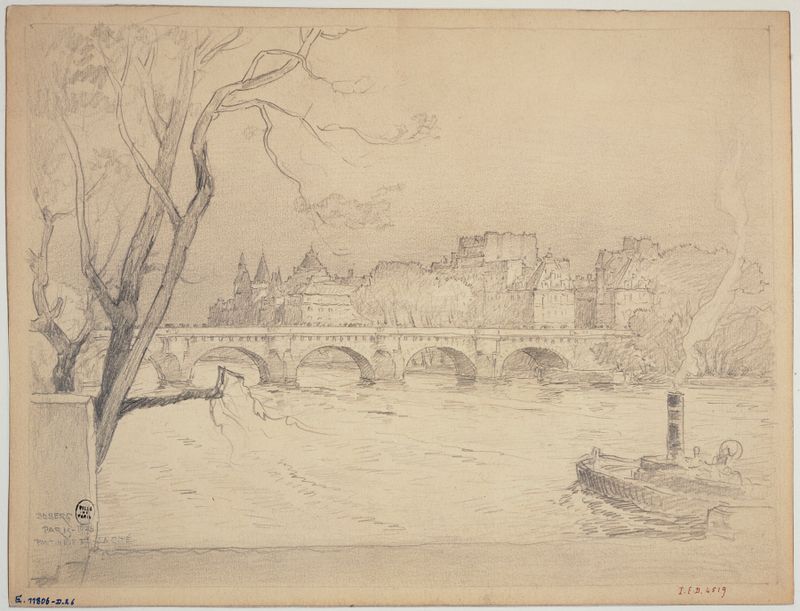
Le Pont-Neuf et la Cité
Ferdinand Boberg
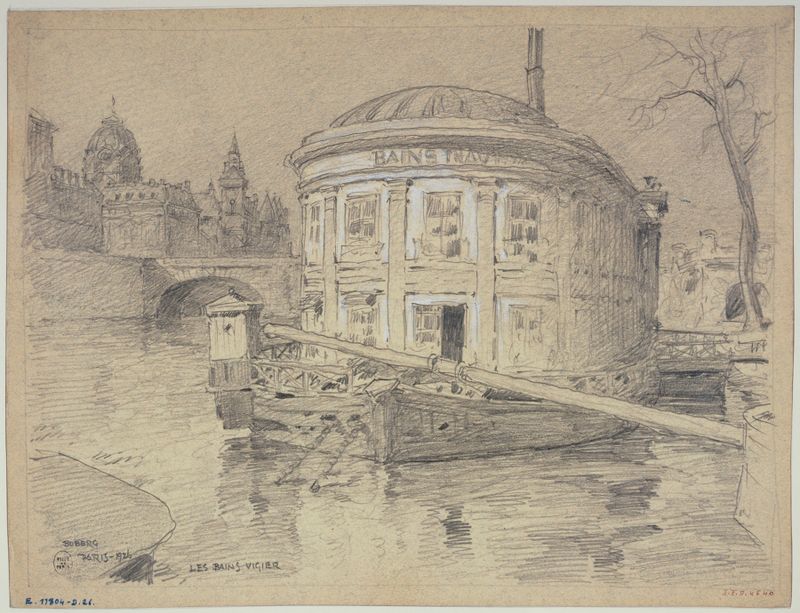
Les bains Vigier au Pont-Neuf
Ferdinand Boberg
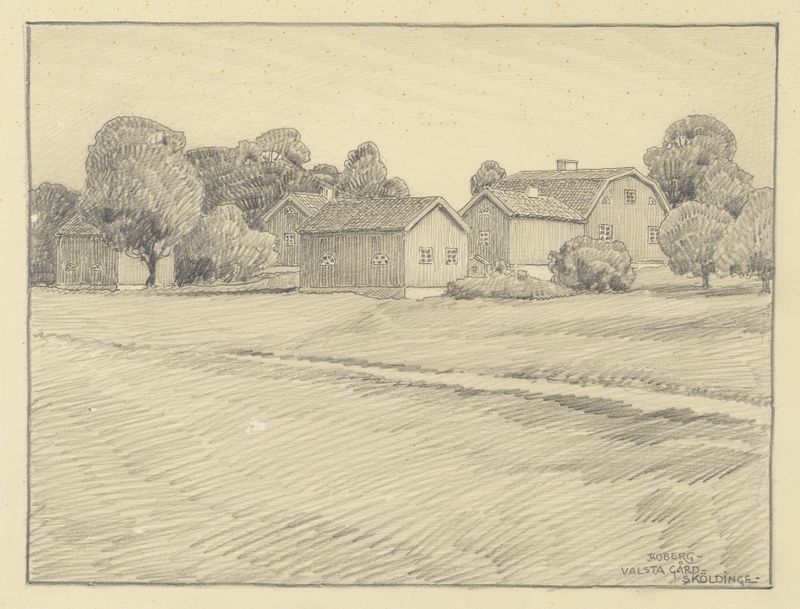
Valsta Gård
Ferdinand Boberg
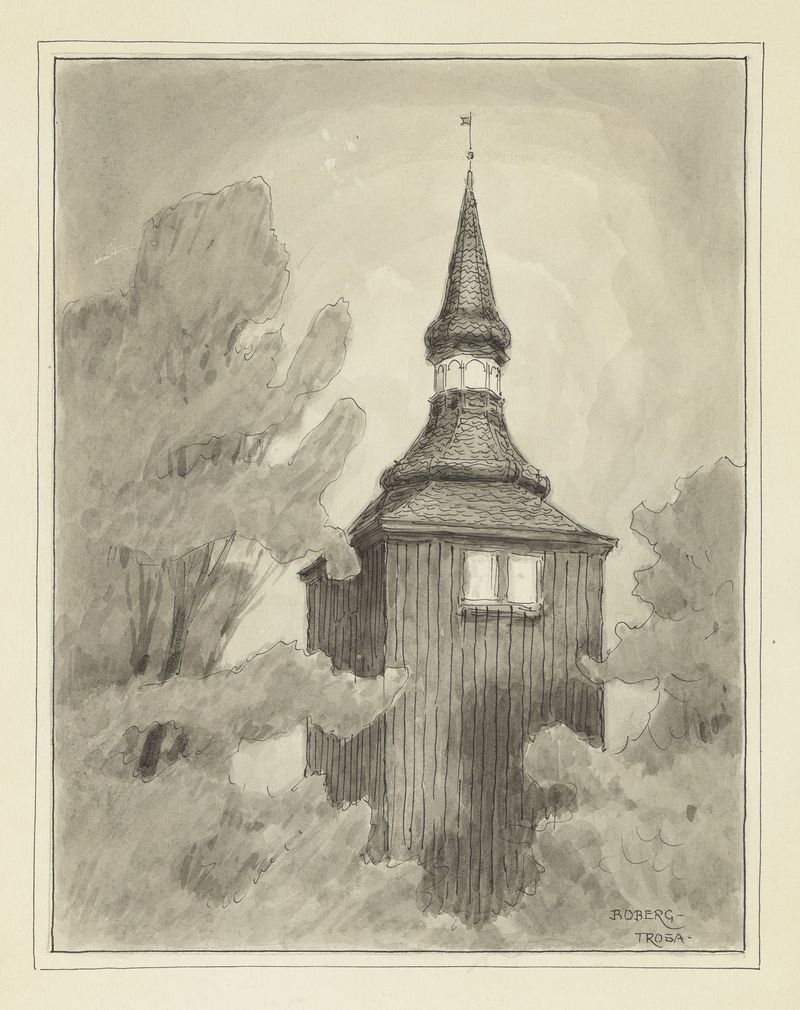
Trosa
Ferdinand Boberg
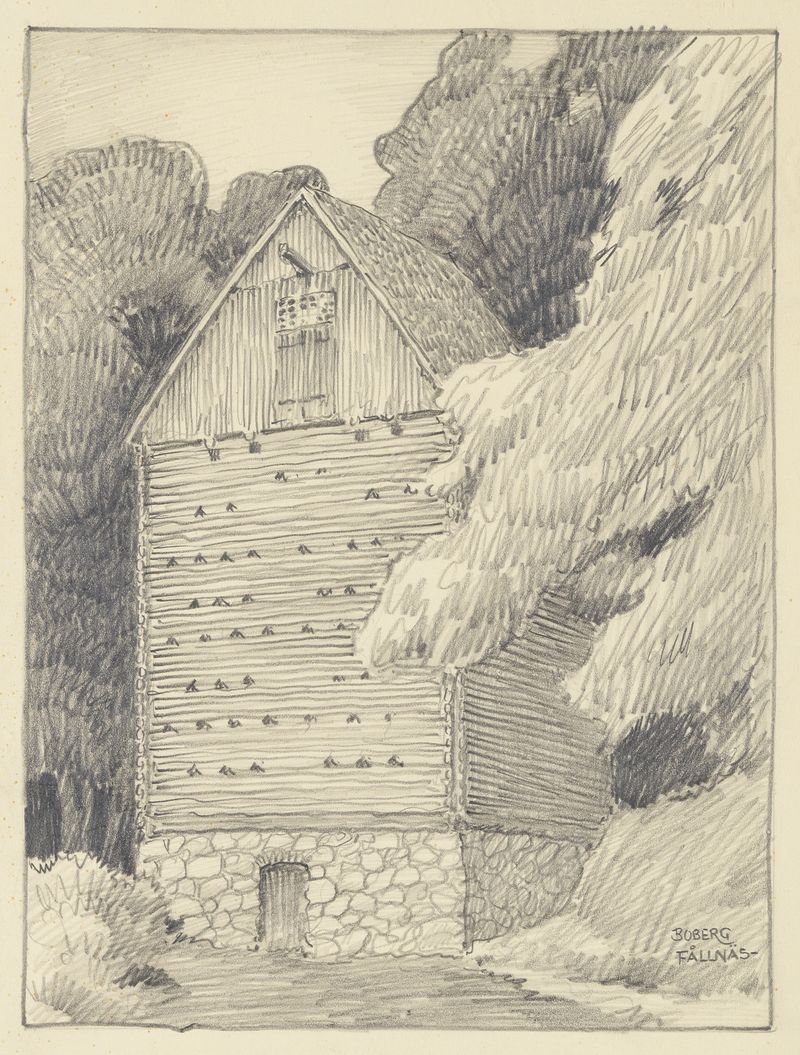
Fållnäs
Ferdinand Boberg
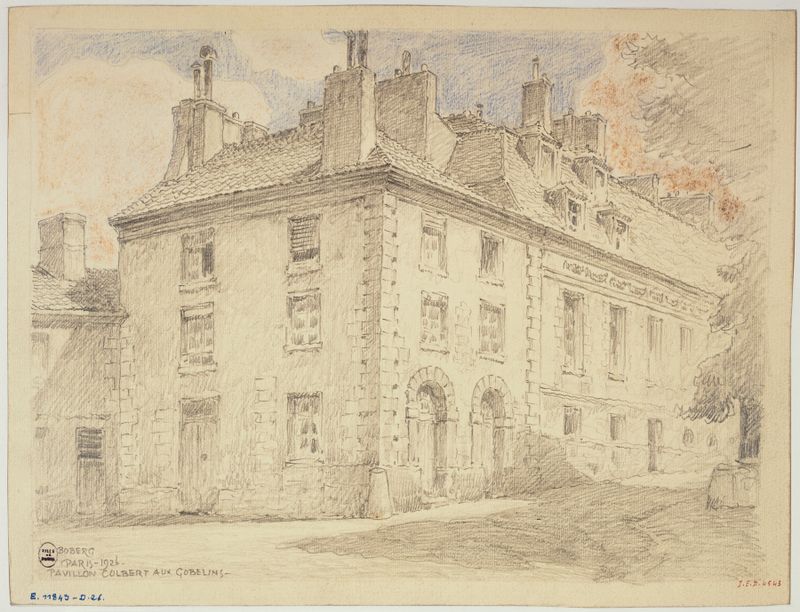
Le pavillon Colbert aux Gobelins
Ferdinand Boberg
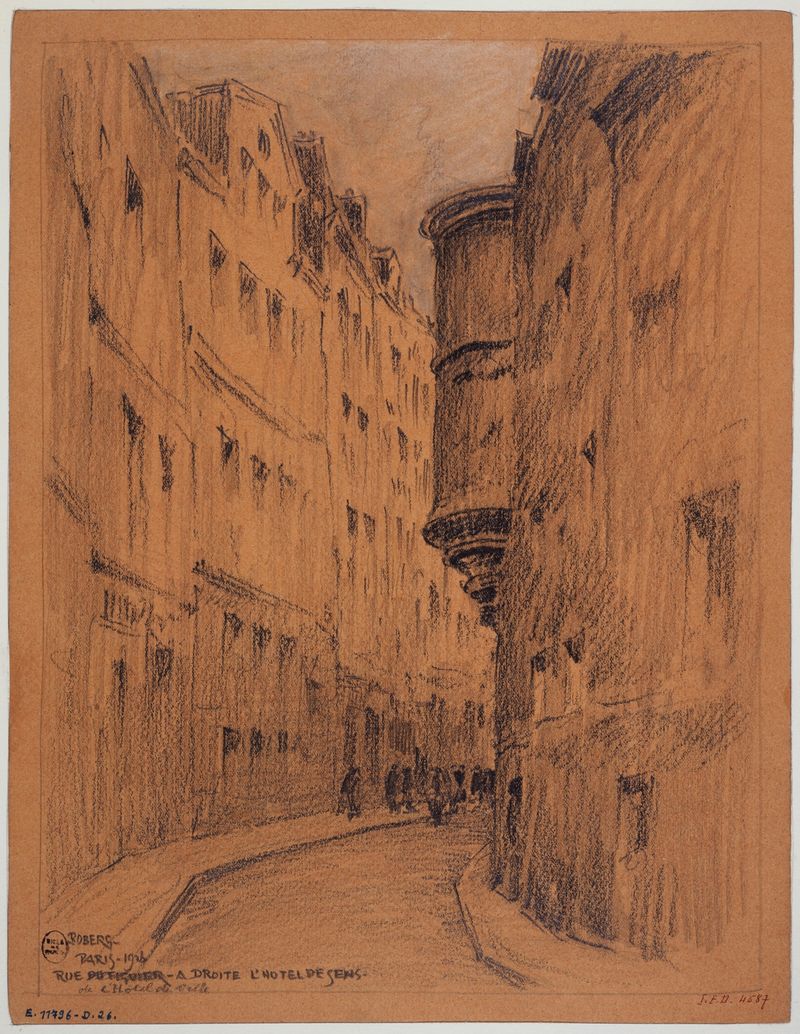
Rue de l’Hôtel de Ville; l’hôtel de Sens
Ferdinand Boberg
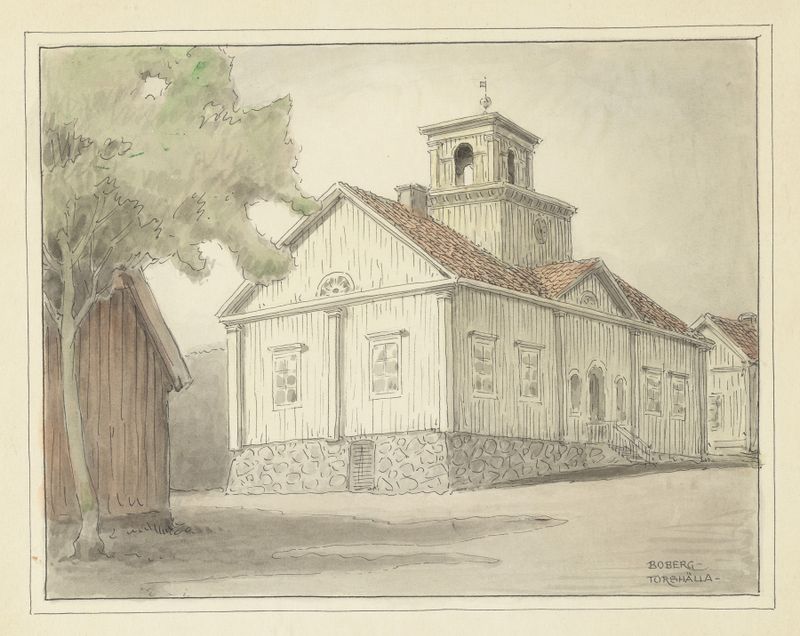
Torshälla
Ferdinand Boberg
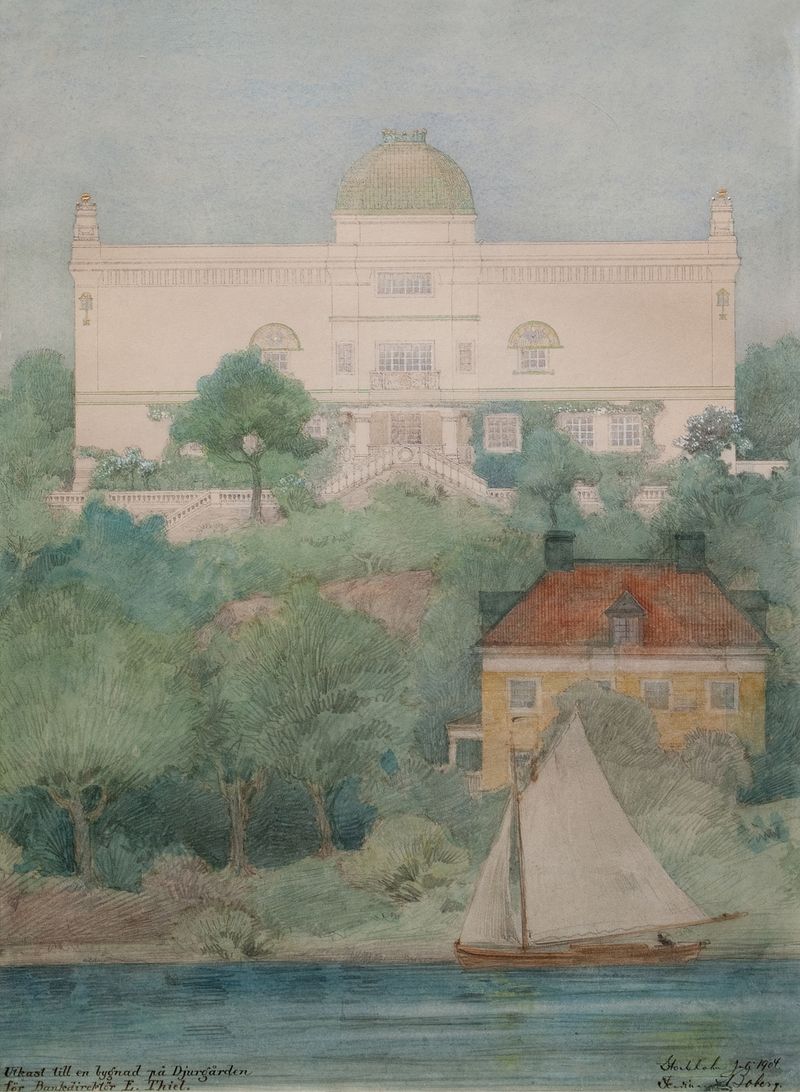
Sketch for a building for Thiel’s Gallery
Ferdinand Boberg
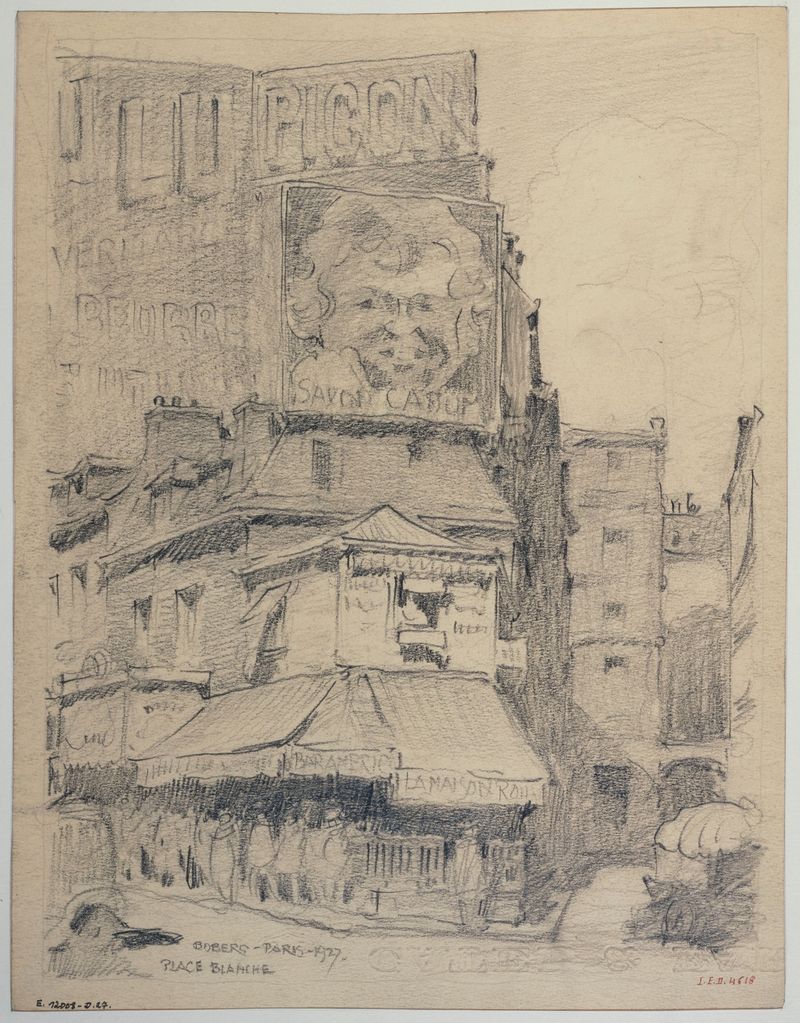
La place Blanche
Ferdinand Boberg





