
Quai d’Ivry — History & Facts
In Quai d’Ivry, the essence of fragility permeates the canvas, whispering to us stories of fleeting moments and transient beauty. The soft interplay of color and form invites contemplation about the delicate nature of memory and existence. Look to the foreground where vibrant greens and blues converge, creating a lively yet tender depiction of the riverside. Notice the boats nestled against the shoreline, their gentle curves contrasting with the sharp, angular architecture that rises in the background.
The light plays across the scene, casting dappled shadows that highlight the texture of the foliage and the serene surface of the water, embodying a sense of harmony amidst the ordinary hustle of life. Delve deeper into the subtle contrasts within the painting. The juxtaposition of the lively boats and the stillness of the water speaks to the tension between movement and repose, a metaphor for life's fleeting moments. The ethereal quality of the sky, painted in soft pastels, suggests an impending dusk, evoking a bittersweet feeling of nostalgia.
Here, Rousseau captures not just a place, but an emotional landscape, drawing viewers into a meditative space where existence feels both vibrant and fragile. In 1907, Rousseau was finding his voice while living in Paris, a city buzzing with creativity and innovation. His unique style, characterized by bold colors and dreamlike scenes, was beginning to garner attention, despite being met with mixed reactions. As he painted Quai d’Ivry, he was influenced by the burgeoning modernist movement, which sought to redefine art, and yet he remained deeply rooted in his own vision, exploring the interplay of reality and imagination amidst a rapidly changing world.
More Artworks by Henri Rousseau
Browse all →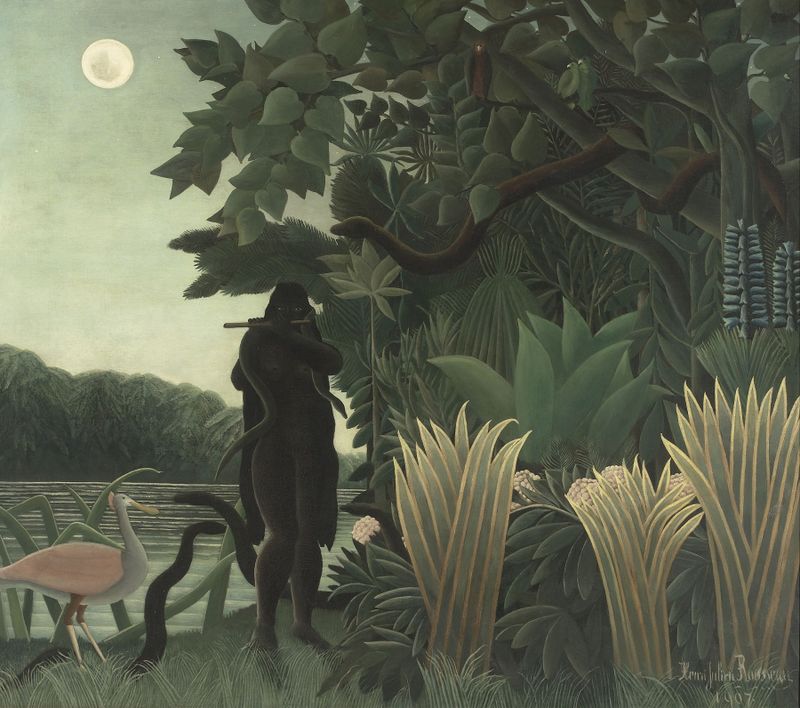
The Snake Charmer
Henri Rousseau
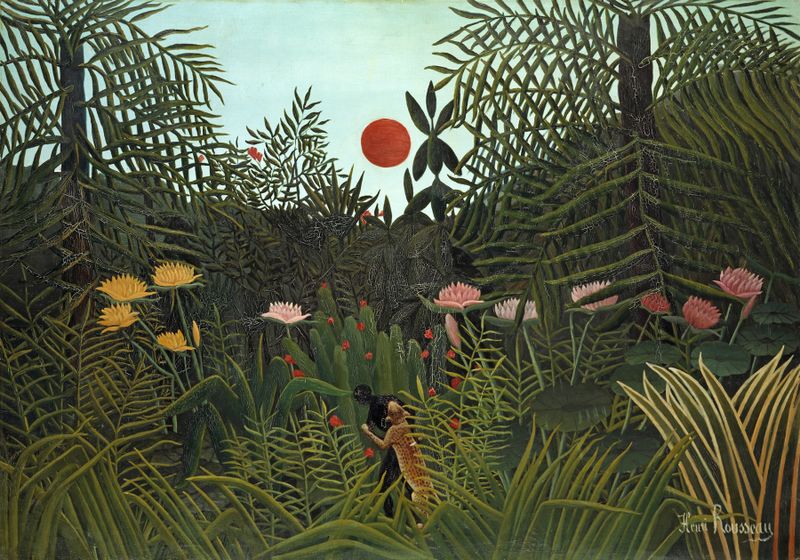
Jungle with Setting Sun
Henri Rousseau
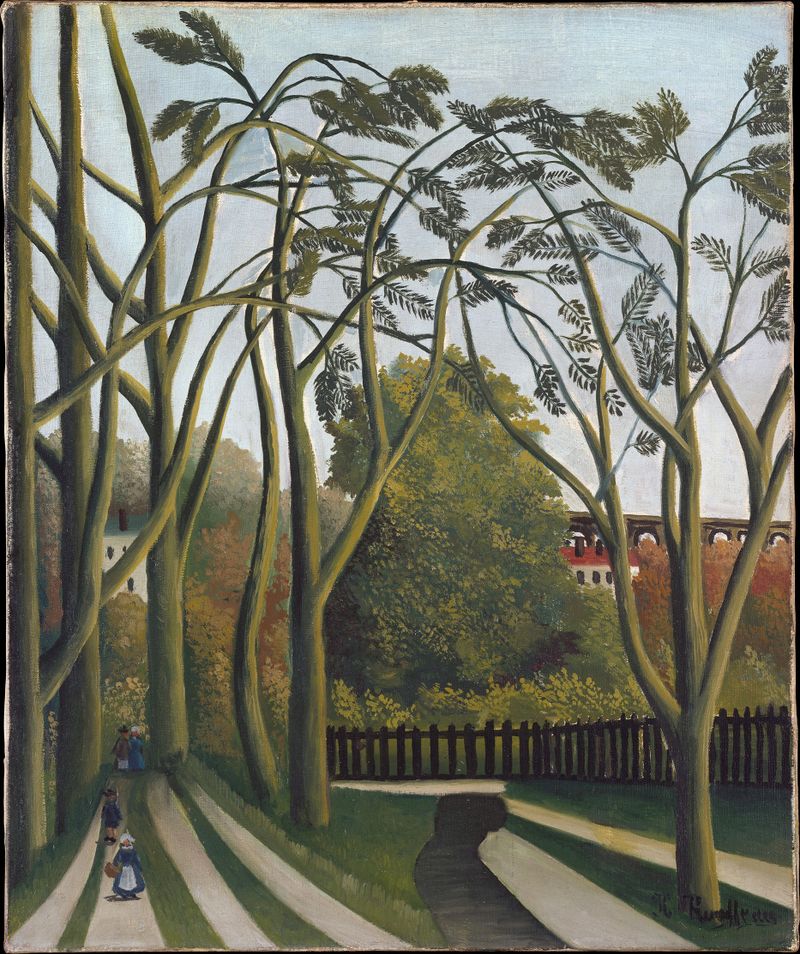
The Banks of the Bièvre near Bicêtre
Henri Rousseau
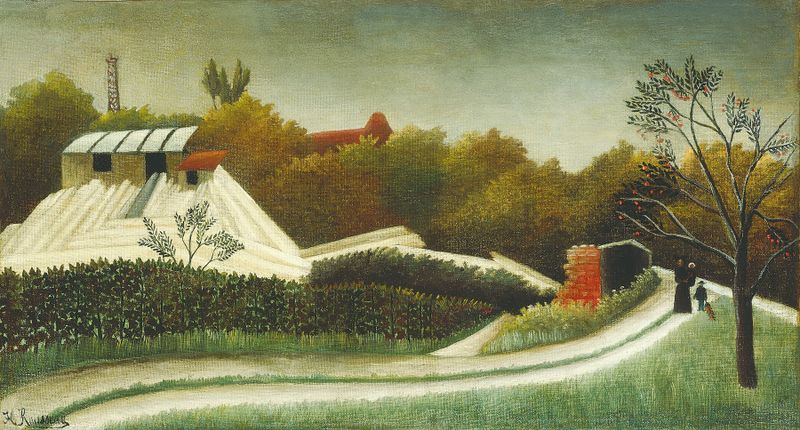
Sawmill, Outskirts of Paris
Henri Rousseau
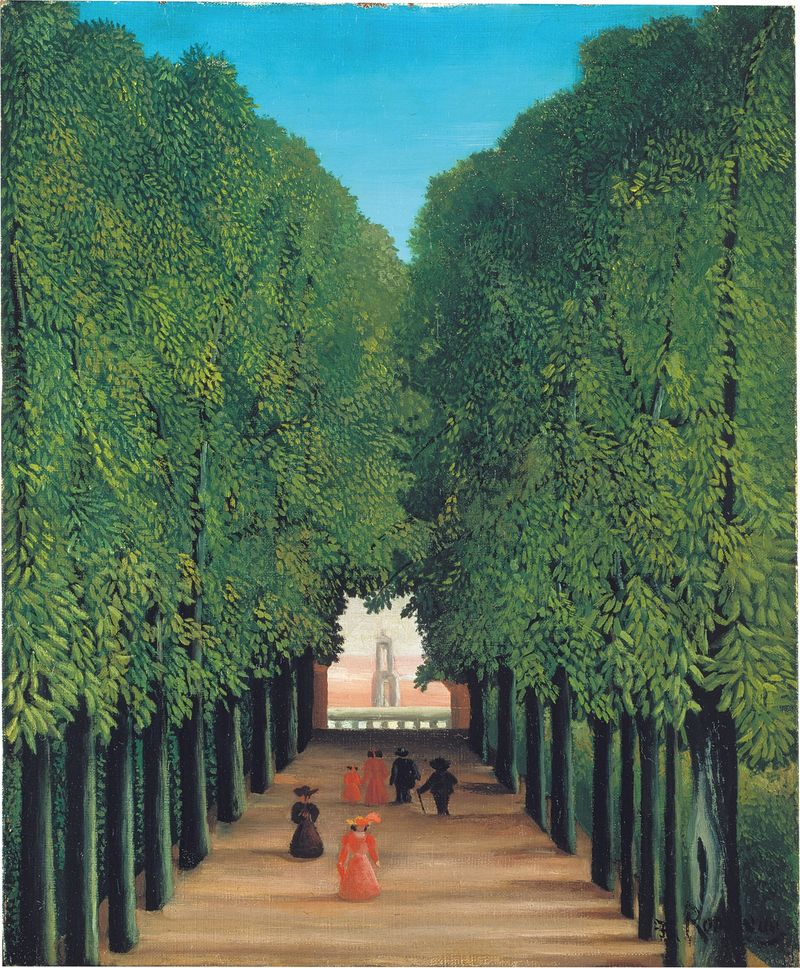
The Avenue in Saint-Cloud Park
Henri Rousseau

Sawmill, Outskirts of Paris
Henri Rousseau
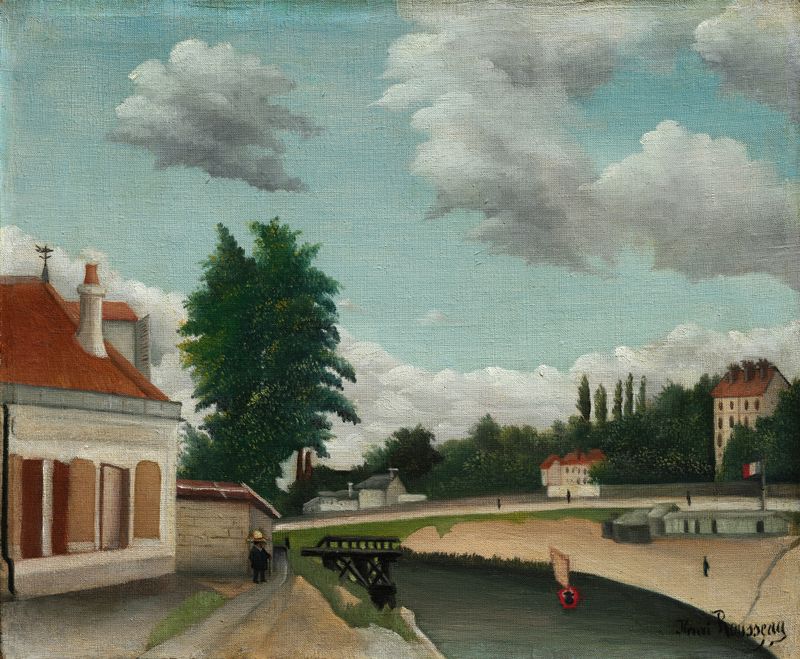
Outskirts of Paris
Henri Rousseau
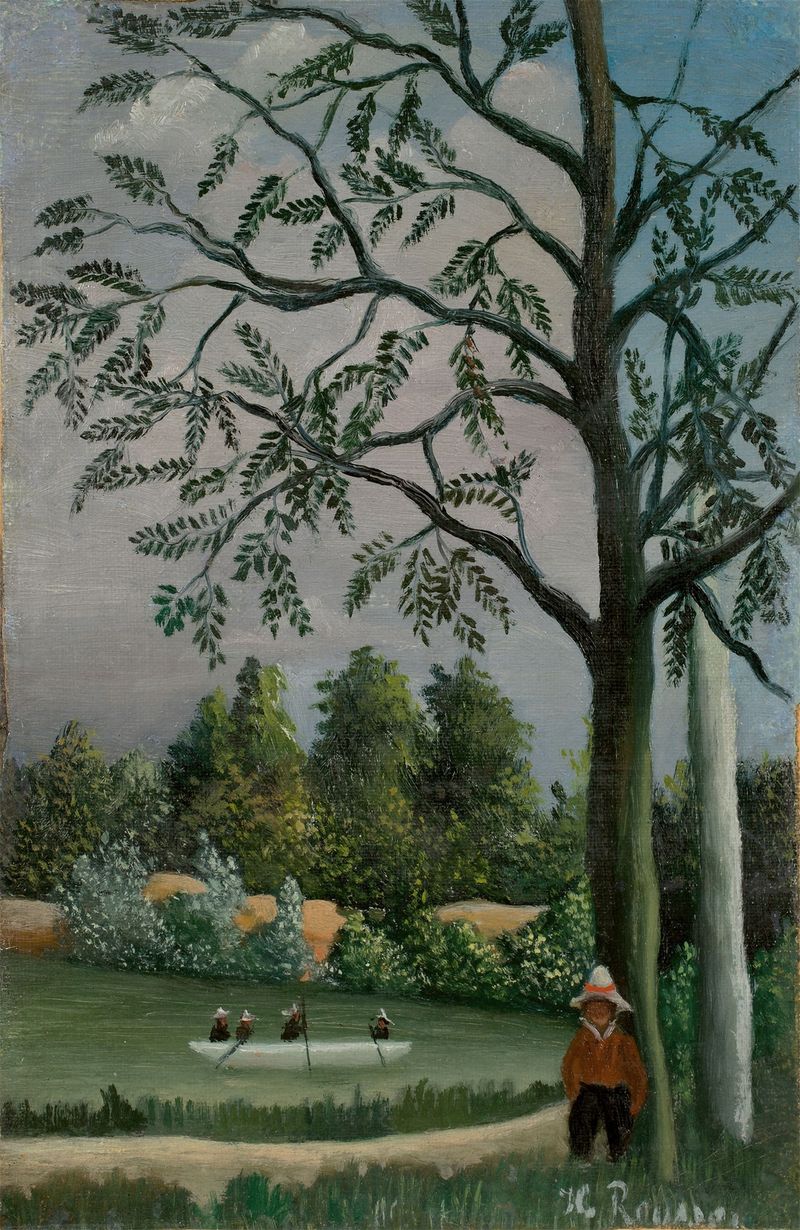
Paysage avec des pêcheurs
Henri Rousseau
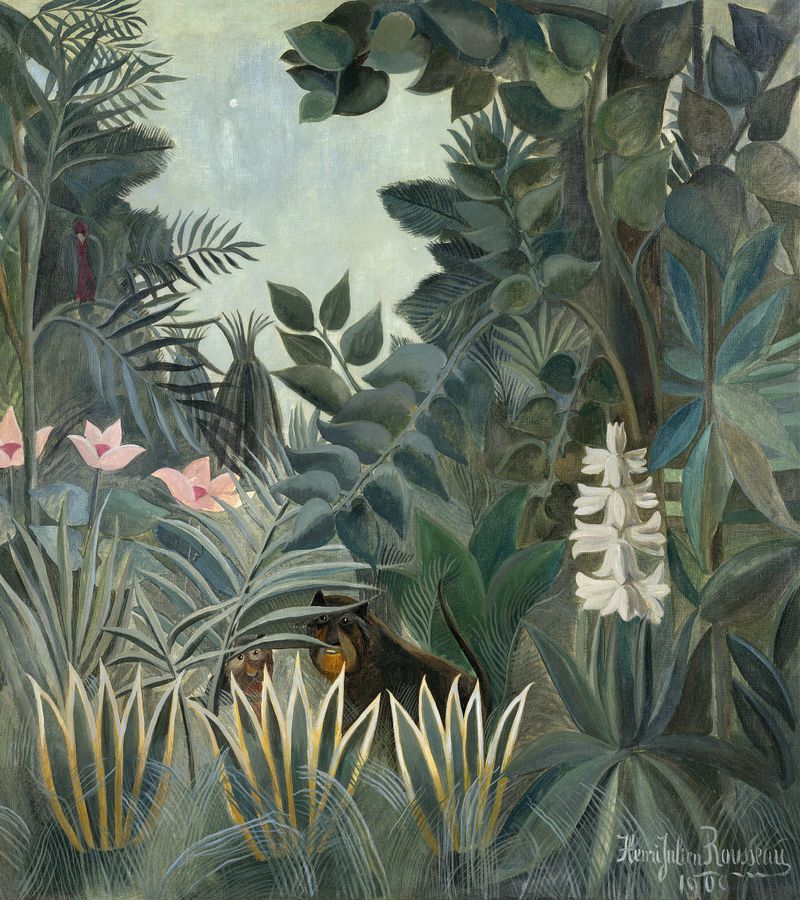
The Equatorial Jungle
Henri Rousseau
Tropical Forest with Monkeys
Henri Rousseau





