Queen Anne Boleyn’s Room, Windsor Castle — History & Facts
Could a single brushstroke hold eternity? In the delicate interplay of light and shadow, Queen Anne Boleyn’s Room, Windsor Castle invites us to awaken to the echoes of history that linger within its walls. Look to the left at the sumptuous drapery, a tapestry of rich reds and golds that frames the room with opulence. The artist employs a soft, diffused light that bathes the space, revealing intricate details on the furniture and the delicate patterns on the wallpaper. Notice how the shadows dance across the floor, suggesting both warmth and an underlying melancholy.
The composition draws the eye towards the empty chair, an inviting yet haunting element, suggesting a presence felt but unseen. The emotional tension in this work lies in its stillness; each element whispers stories of longing and loss. The empty chair signifies absence, perhaps reflecting on the tragic fate of its namesake, while the lavish surroundings evoke a sense of nostalgia for a bygone era. The contrast between the vibrancy of the decor and the solitude of the scene evokes a poignant awareness of time, hinting at memories held captive within these walls, yearning to be rediscovered. During the mid-19th century, Thomas Shotter Boys created this piece amidst a growing interest in historical subjects and romantic nostalgia.
As an artist based in England, he often captured architectural scenes with meticulous detail, bridging the romanticism of the past with the evolving modern world. This painting reflects a moment in his career where history and artistry converged, capturing the essence of a space that once held royal significance.
More Artworks by Thomas Shotter Boys
Browse all →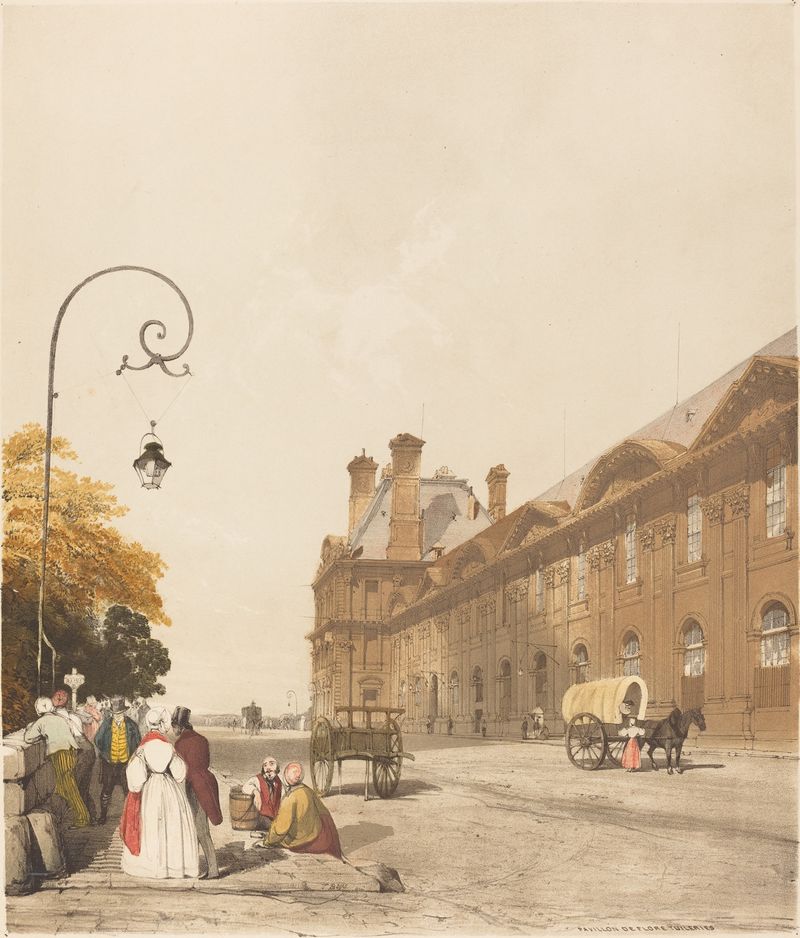
Pavillon de Flore, Tuileries
Thomas Shotter Boys
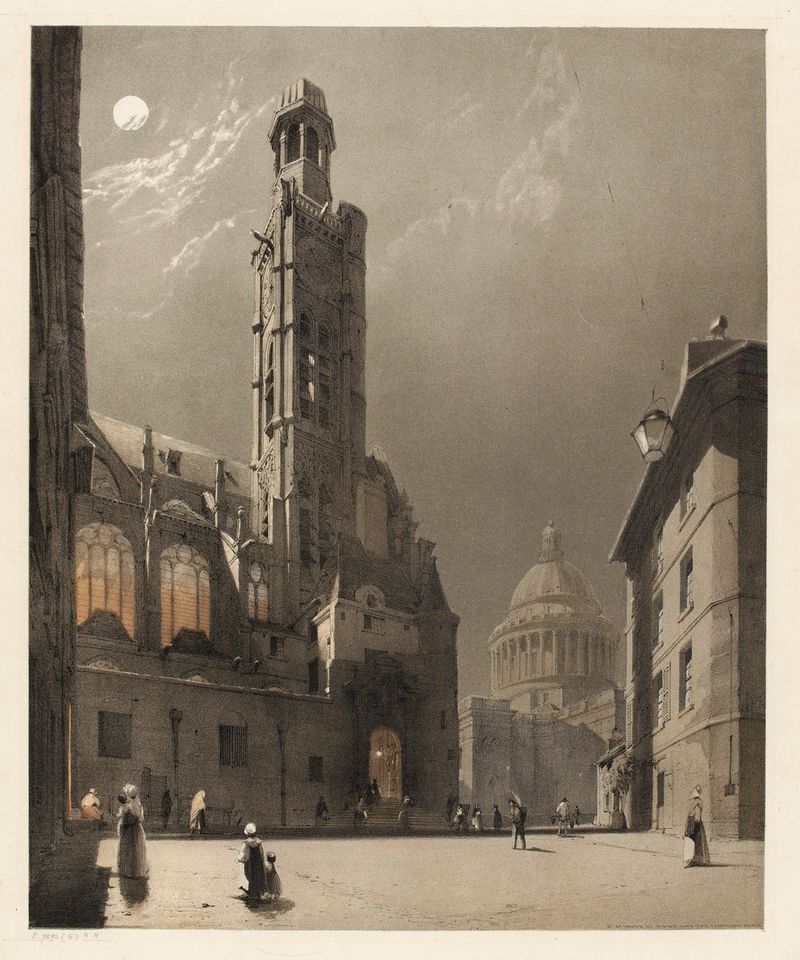
St Etienne du Mont and the Panthéon, Paris
Thomas Shotter Boys
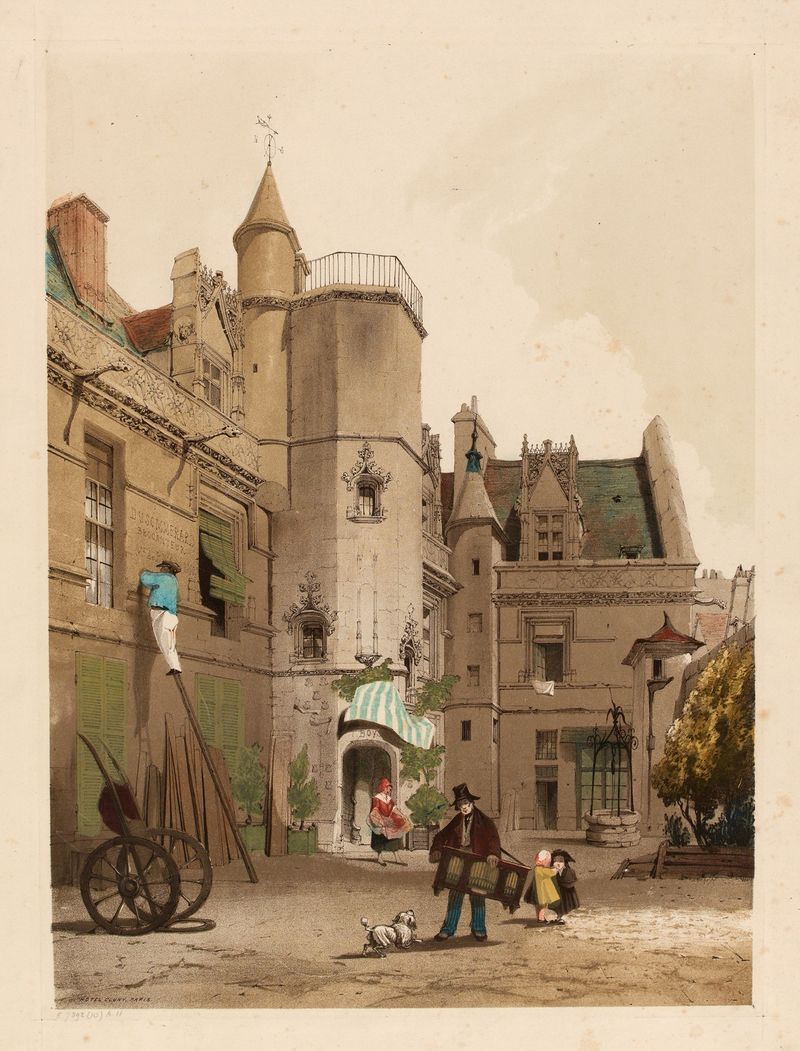
Hôtel Cluny, Paris.
Thomas Shotter Boys
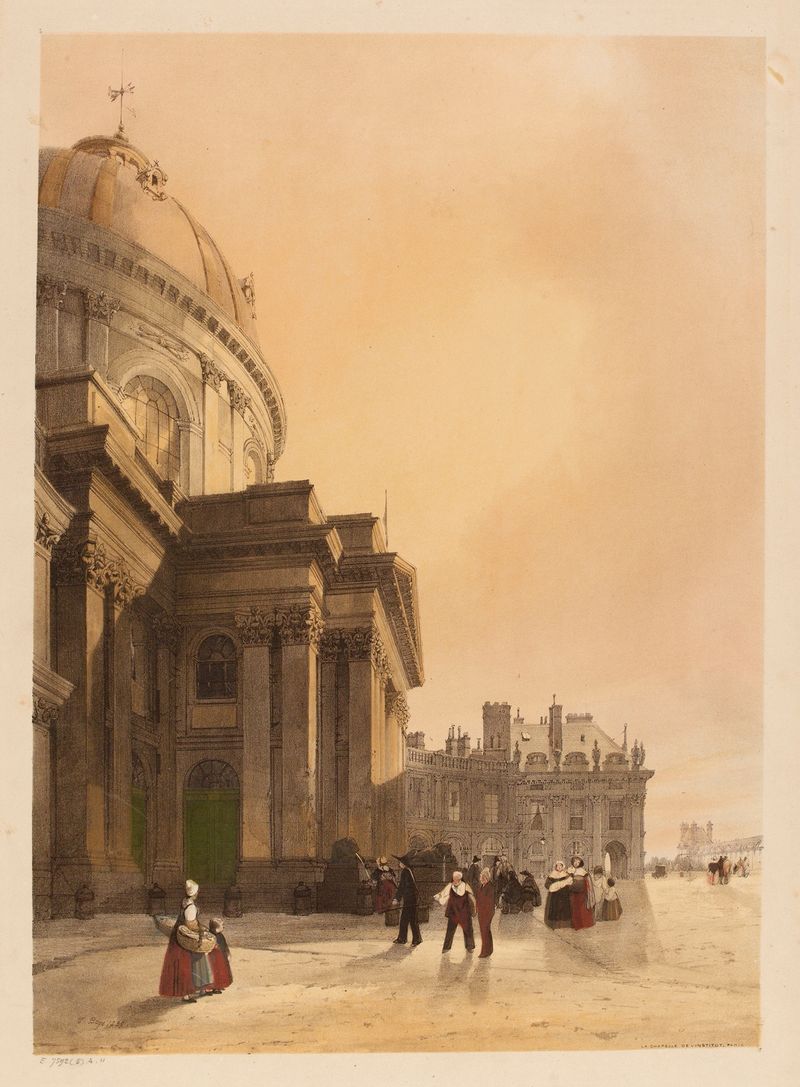
La chapelle de l’Institut, Paris
Thomas Shotter Boys
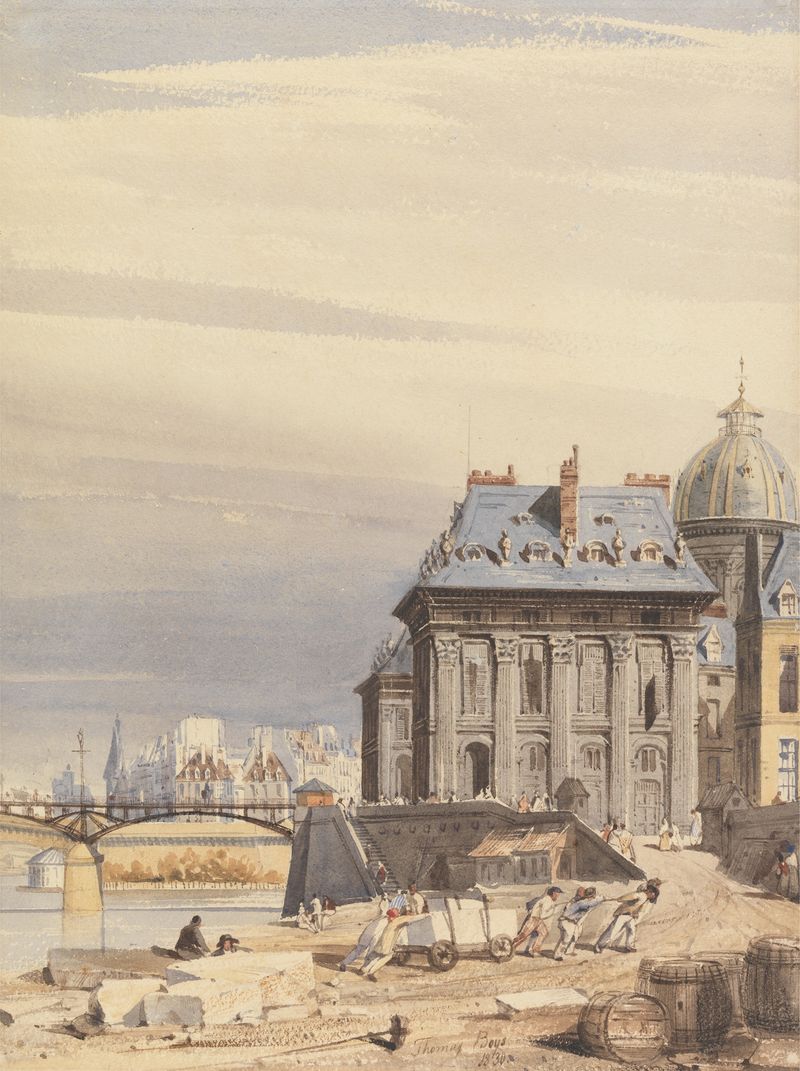
L’Institut de France, Paris
Thomas Shotter Boys
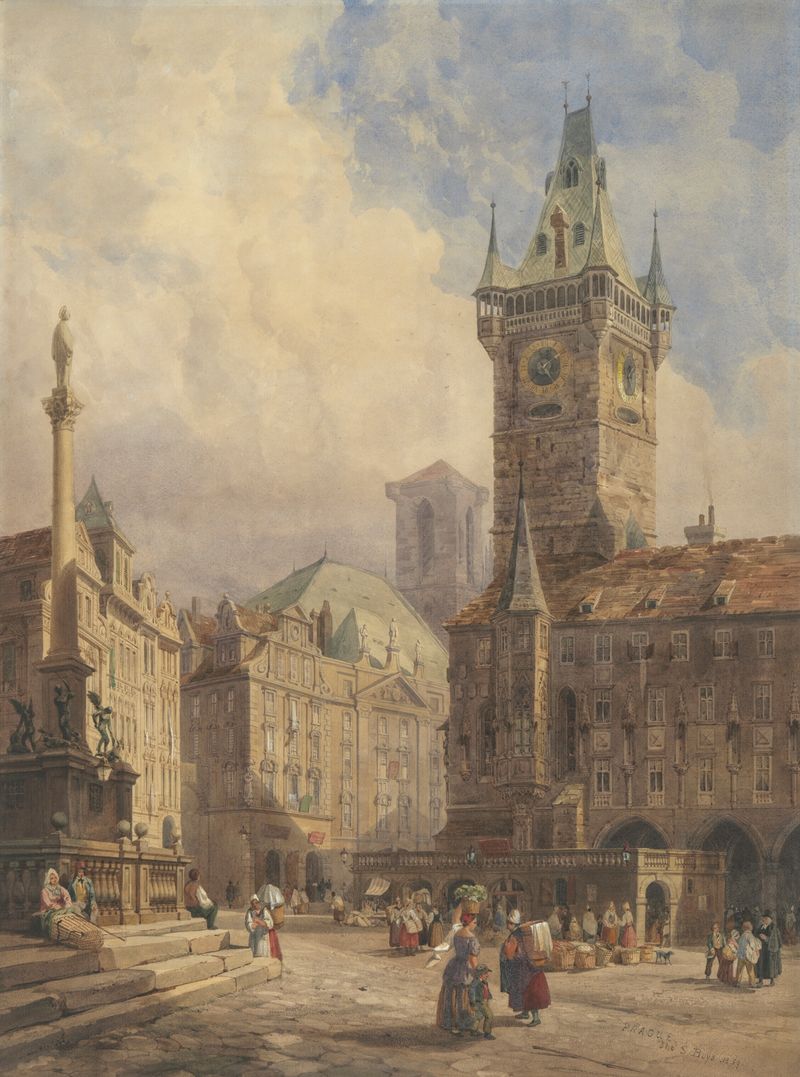
Rathaus from Old Town Square, Prague
Thomas Shotter Boys
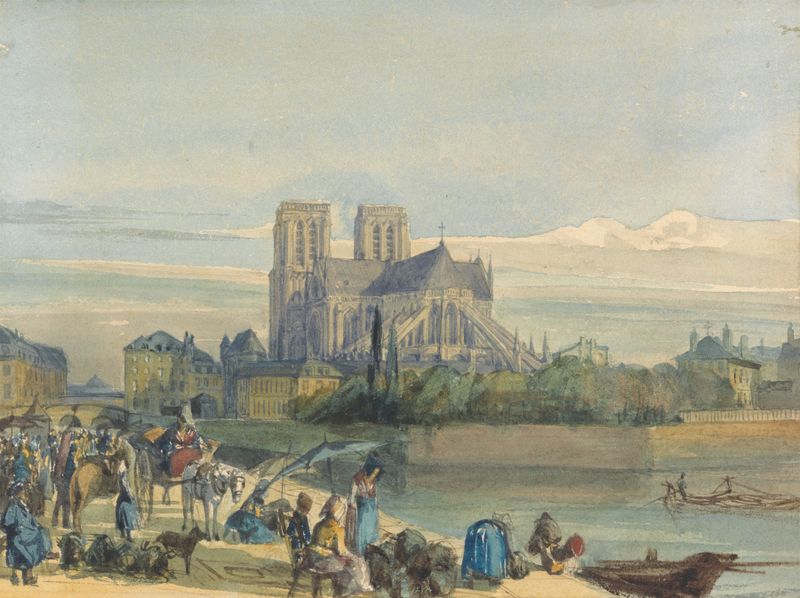
Notre Dame, Paris
Thomas Shotter Boys
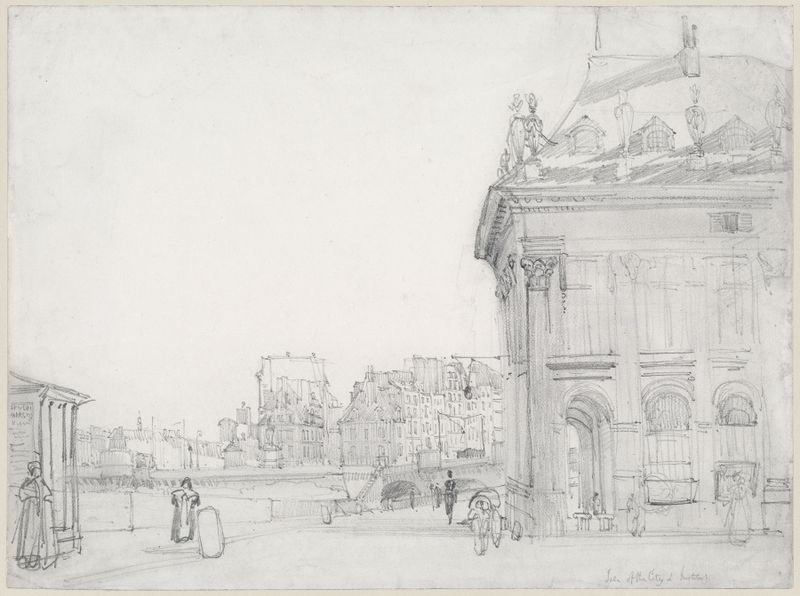
Ile de la Cité from the Institut, Paris
Thomas Shotter Boys
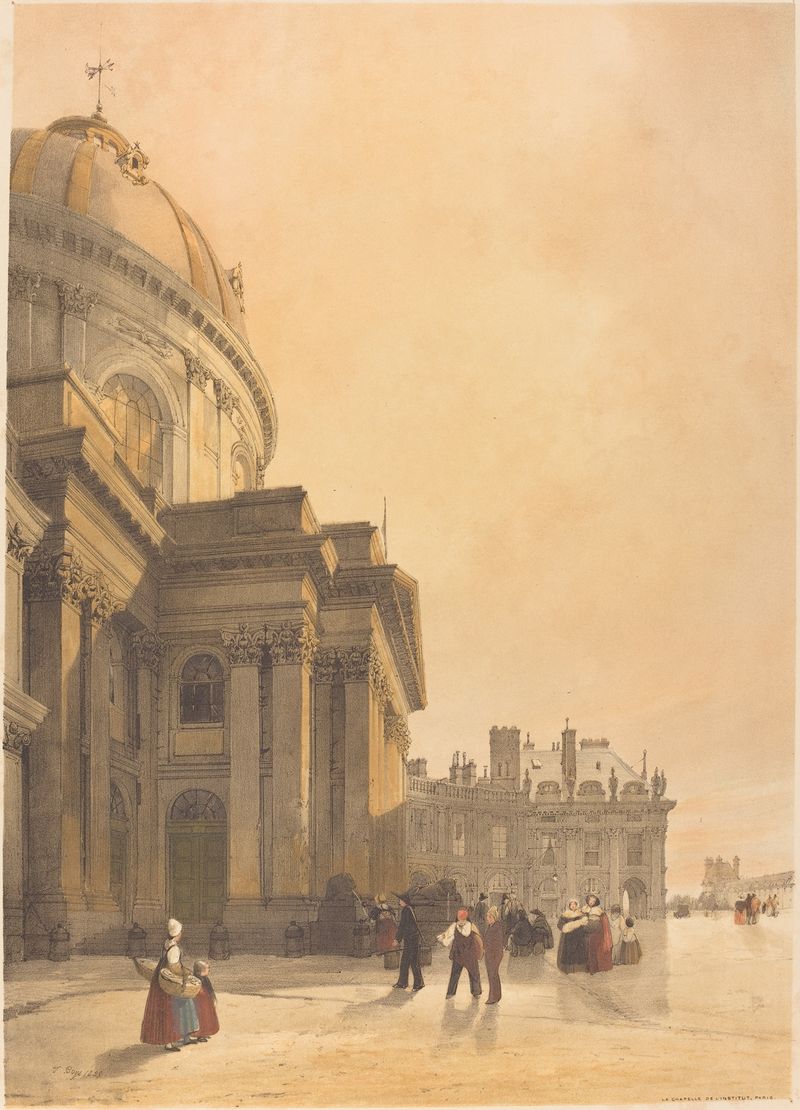
La Chapelle de l’Institut, Paris
Thomas Shotter Boys
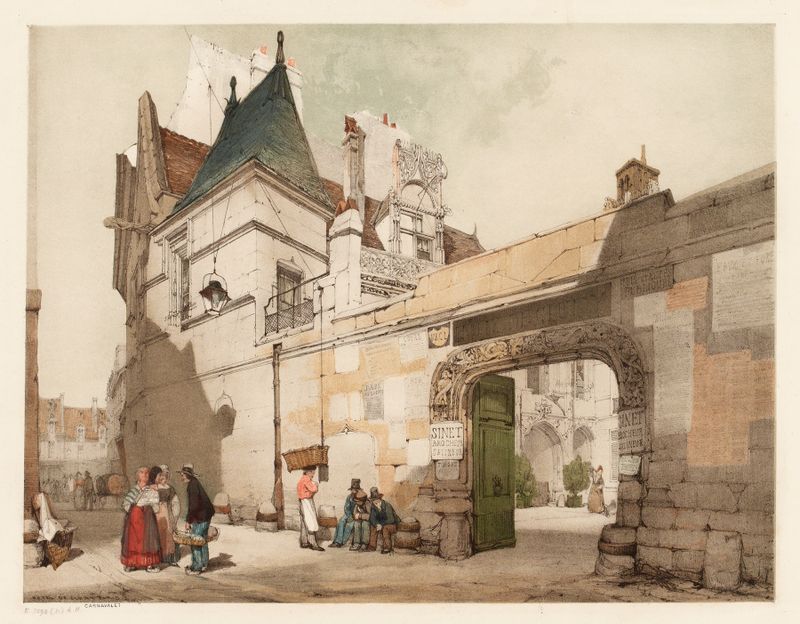
Hôtel de Cluny, Paris
Thomas Shotter Boys