
Discover insights about this artwork
Quos Ego — History & Facts
In Quos Ego, Peter Paul Rubens presents a vibrant composition filled with dynamic figures. The painting is characterized by rich colors, with deep reds, golds, and greens dominating the palette. The figures are arranged in a dramatic manner, conveying a sense of movement and urgency.
The setting appears to be an allegorical scene, rich in symbolism and narrative depth. The painting is executed in oil on canvas, a common medium for Rubens, allowing for a lush application of color and texture. Viewers can observe the masterful use of light and shadow, which enhances the three-dimensionality of the figures. Rubens' characteristic brushwork is evident, with loose, expressive strokes that bring the scene to life.
The dimensions of the work are approximately 150 x 200 cm, making it a significant piece in terms of scale. Peter Paul Rubens was a leading figure of the Baroque period, known for his energetic compositions and emotional depth. Quos Ego is particularly interesting as it reflects Rubens' interest in classical themes and allegory, a common motif in his work. This painting likely draws inspiration from classical literature, showcasing Rubens' ability to blend narrative with visual splendor.
The work is housed in the Museo del Prado, one of the most important art museums in Spain.
More Artworks by Peter Paul Rubens
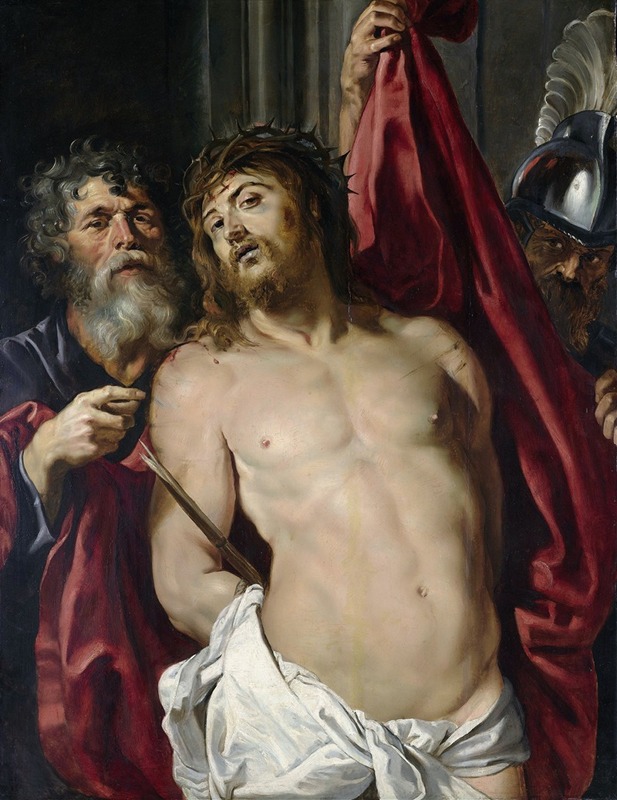
Ecce homo
Peter Paul Rubens
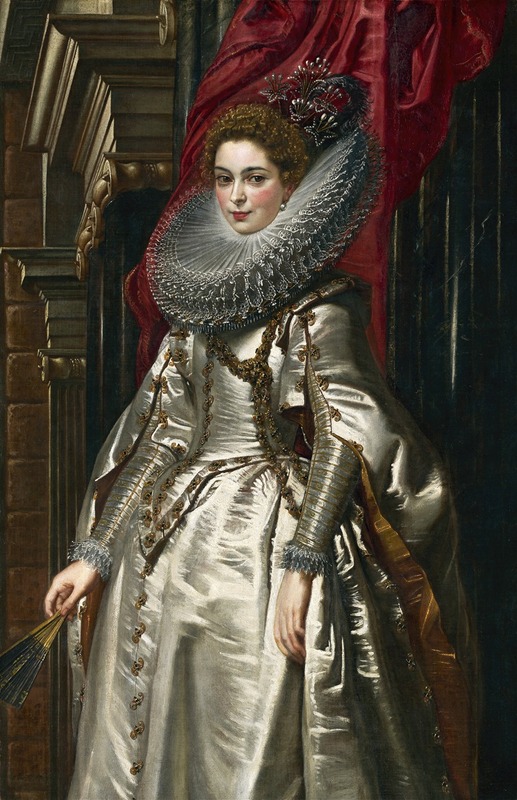
Marchesa Brigida Spinola Doria
Peter Paul Rubens
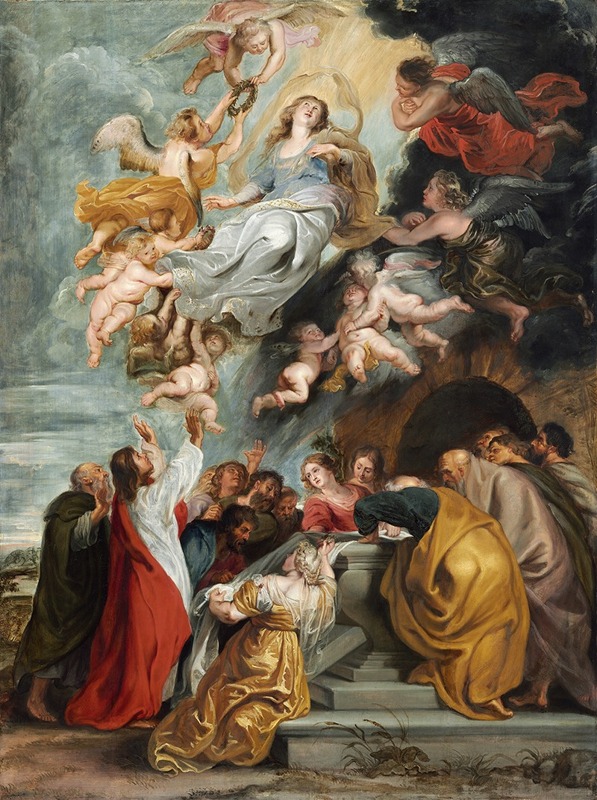
The Assumption of the Virgin
Peter Paul Rubens

Saint Teresa of Ávila Interceding for Souls in Purgatory
Peter Paul Rubens
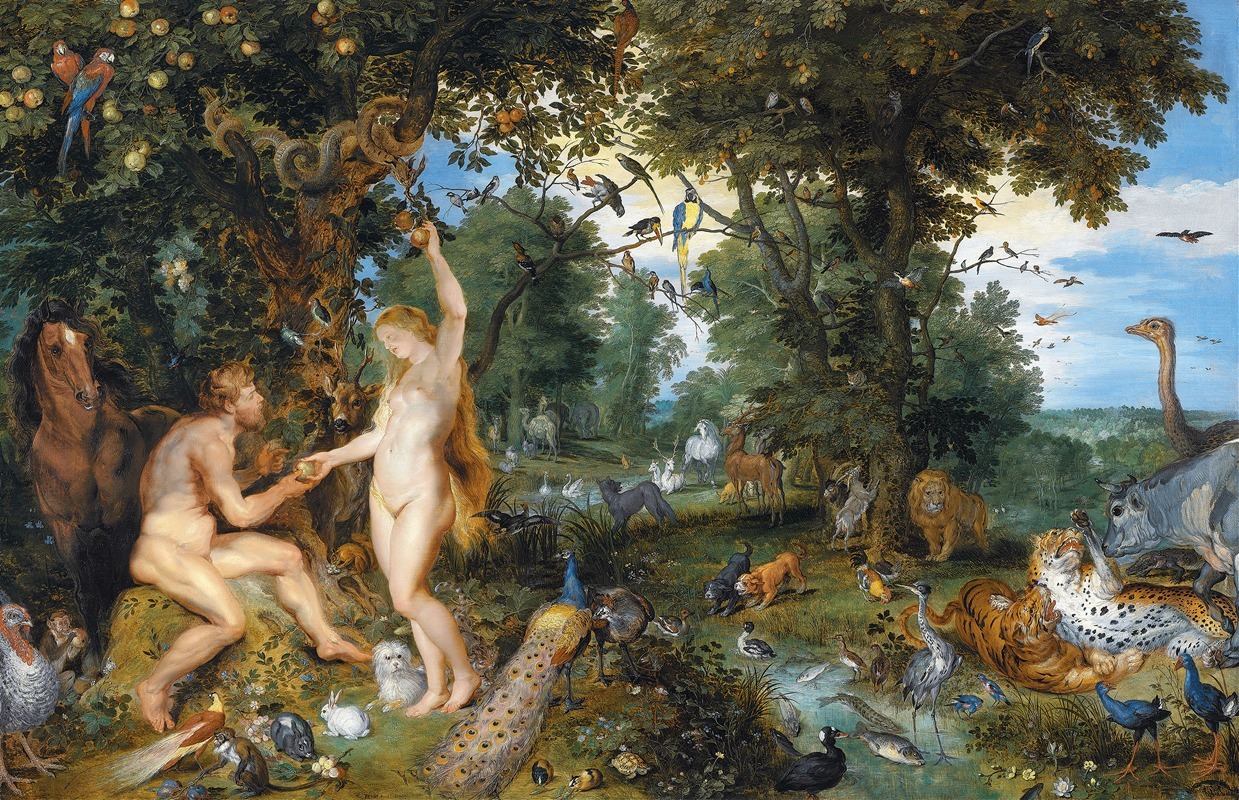
The Garden of Eden with the Fall of Man
Peter Paul Rubens
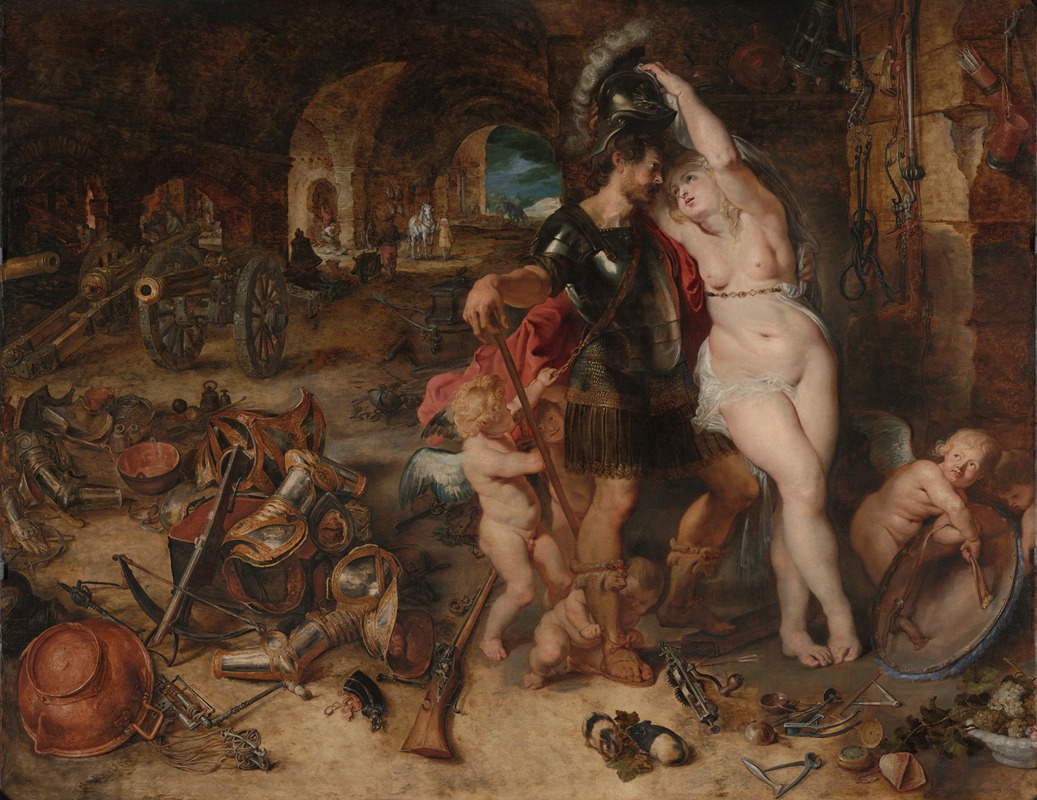
The Return From War,Mars Disarmed By Venus
Peter Paul Rubens
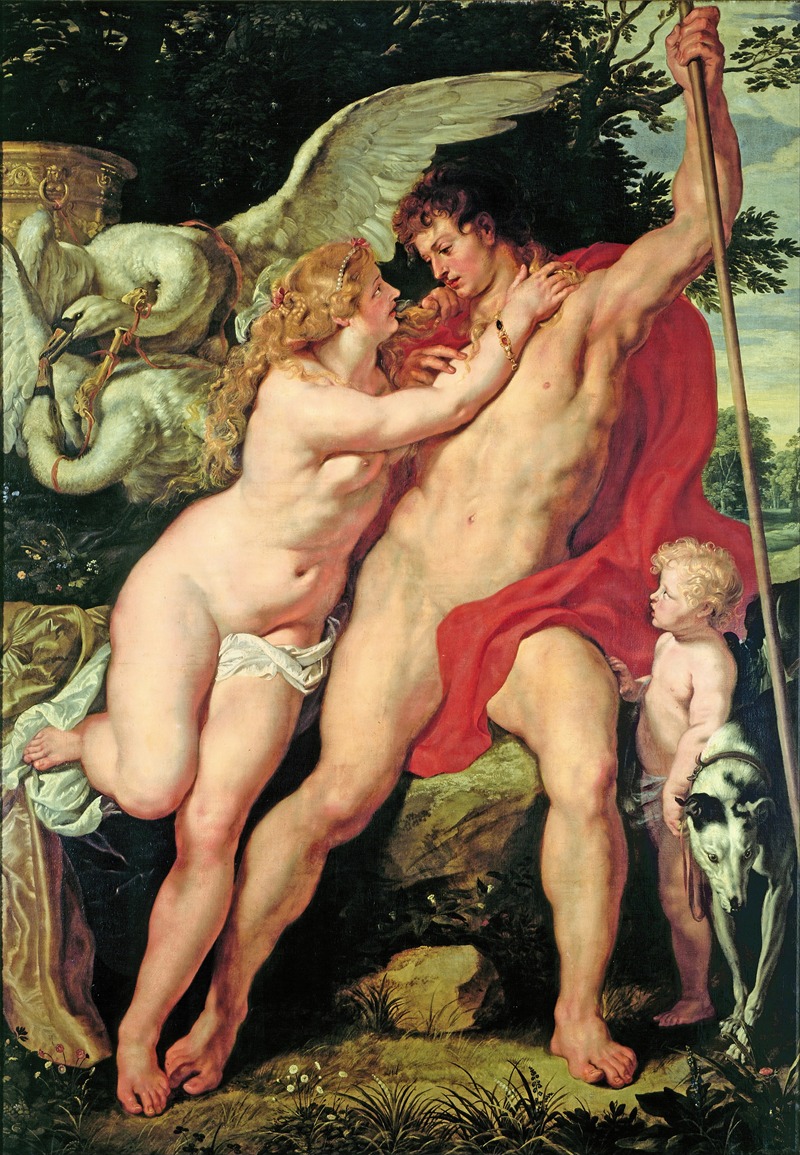
Venus and Adonis
Peter Paul Rubens
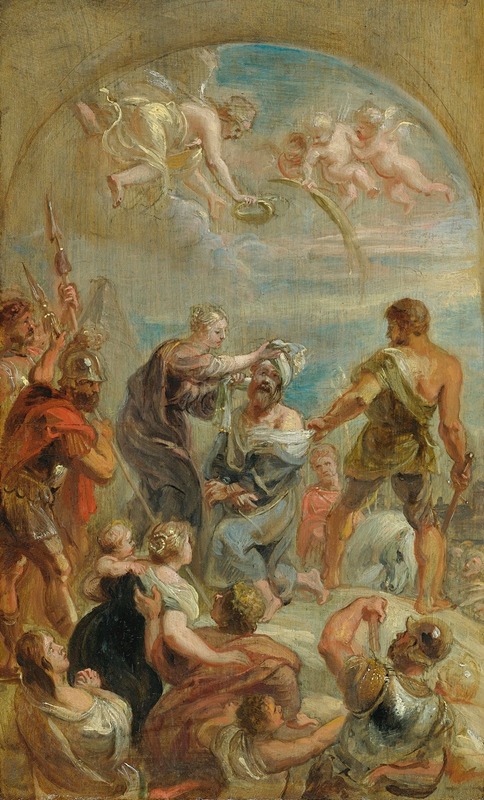
The Martyrdom Of Saint Paul
Peter Paul Rubens
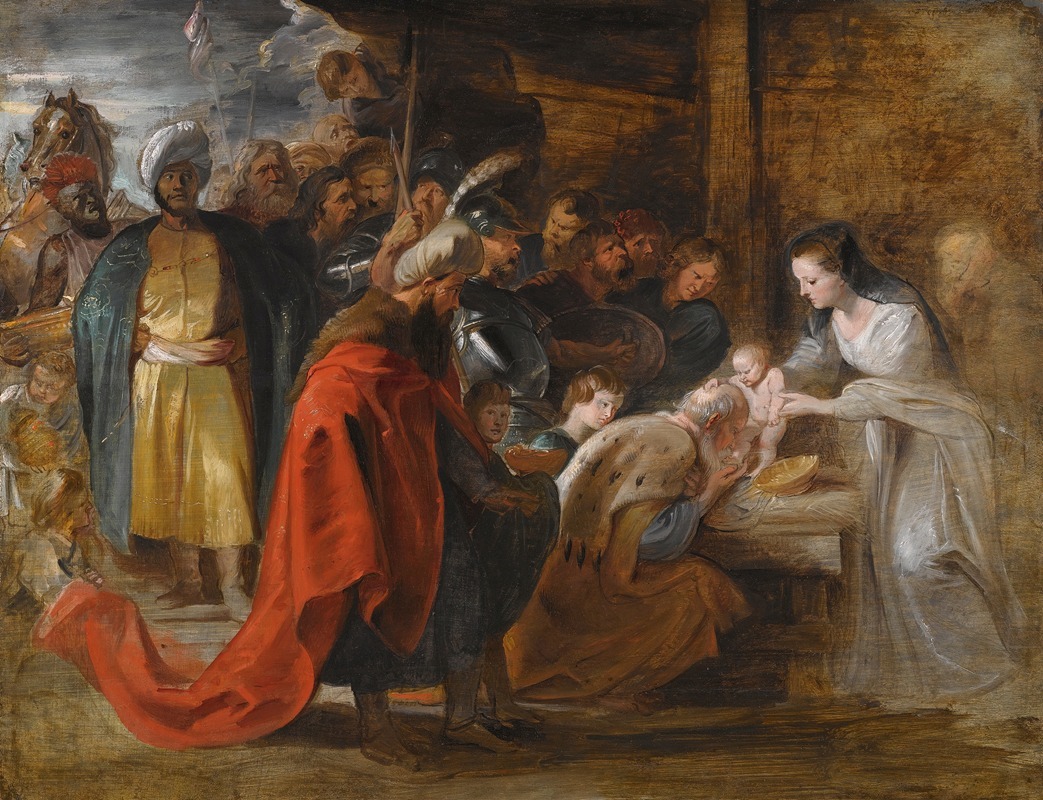
The Adoration Of The Magi
Peter Paul Rubens
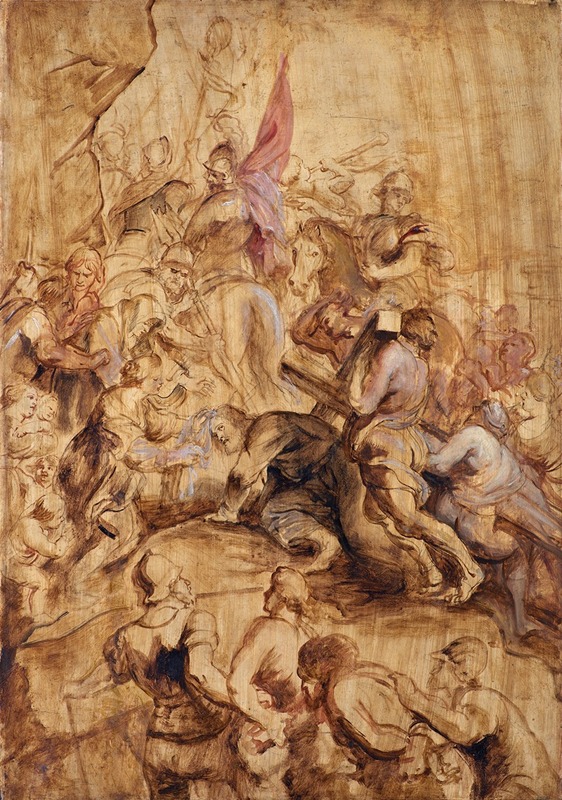
The Ascent to Calvary. The Bearing of the Cross
Peter Paul Rubens
More Allegory Art
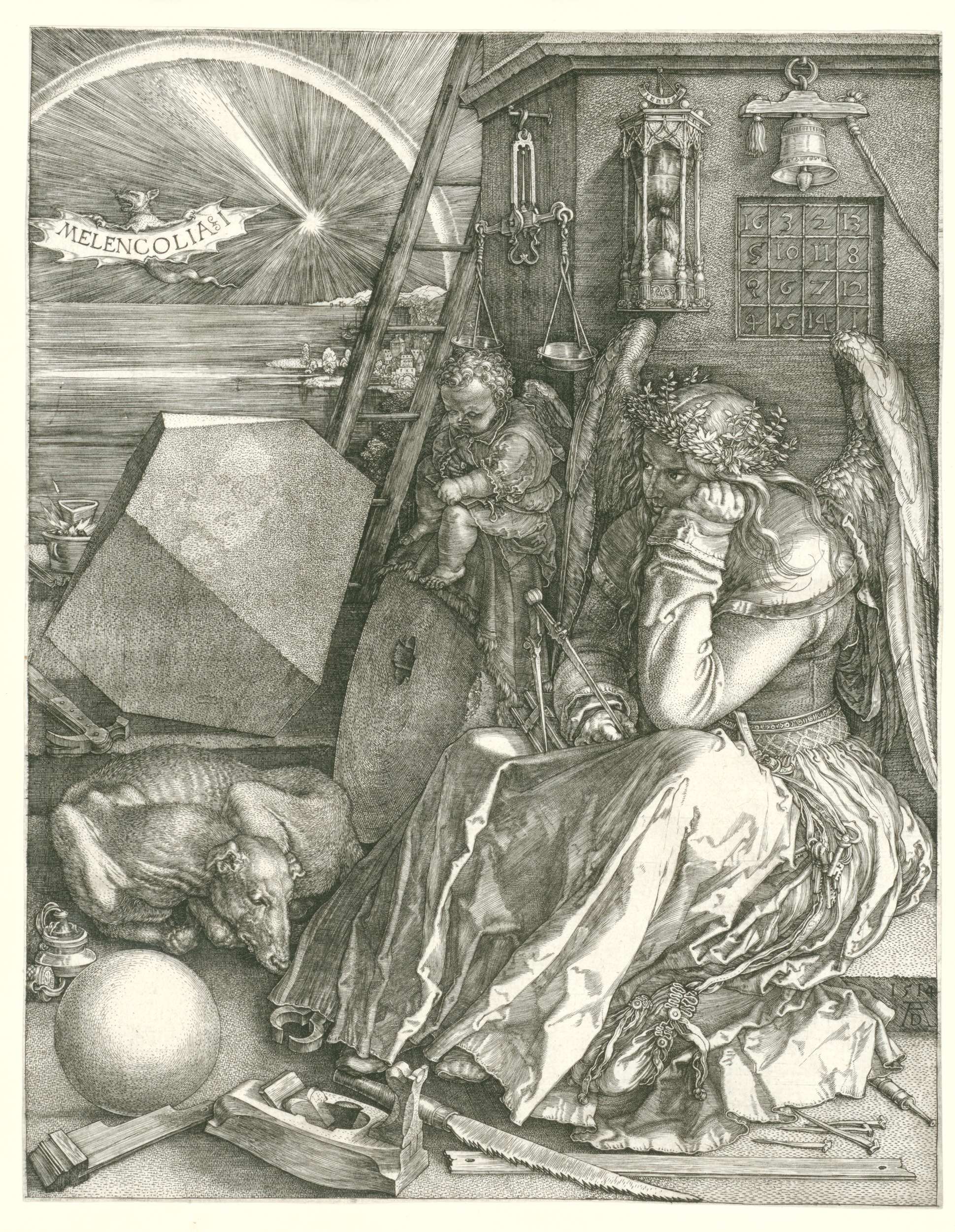
Melancholia
Albrecht Dürer
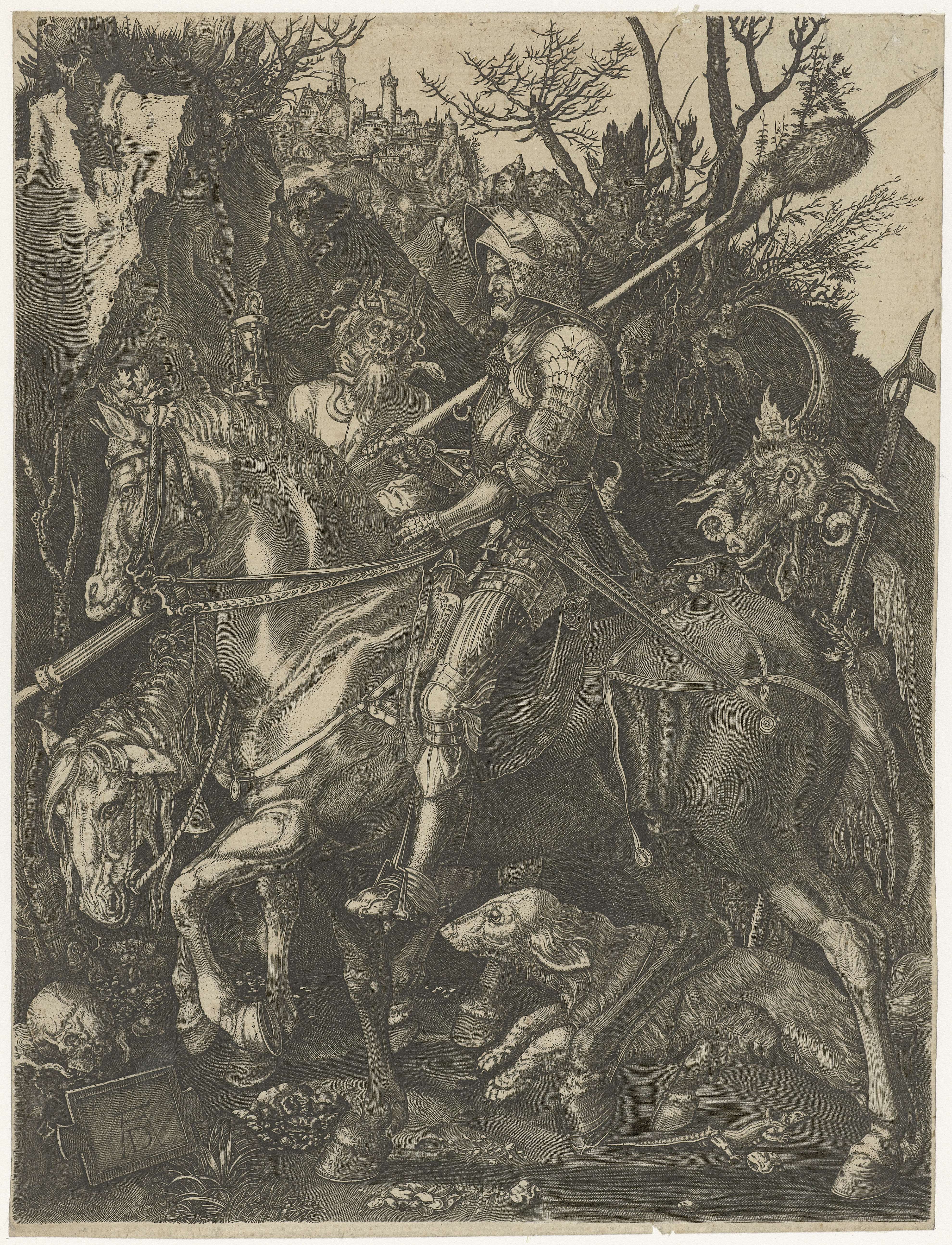
Ridder, Dood en Duivel
Unknown Artist
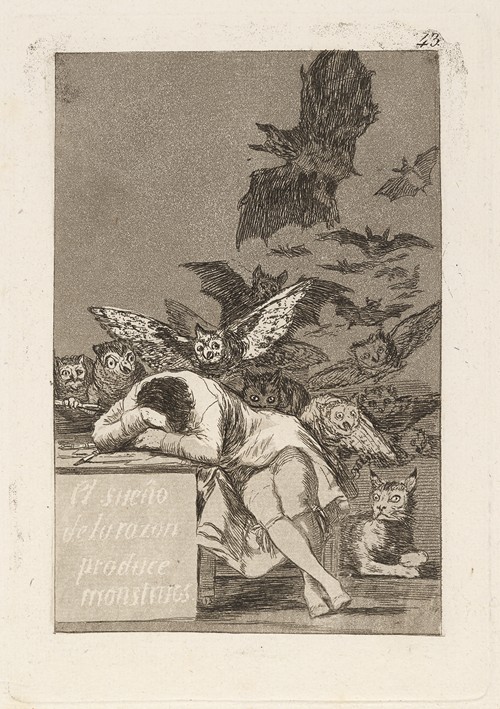
El sueño de la razon produce monstruos. (The sleep of reason produces monsters.)
Francisco de Goya
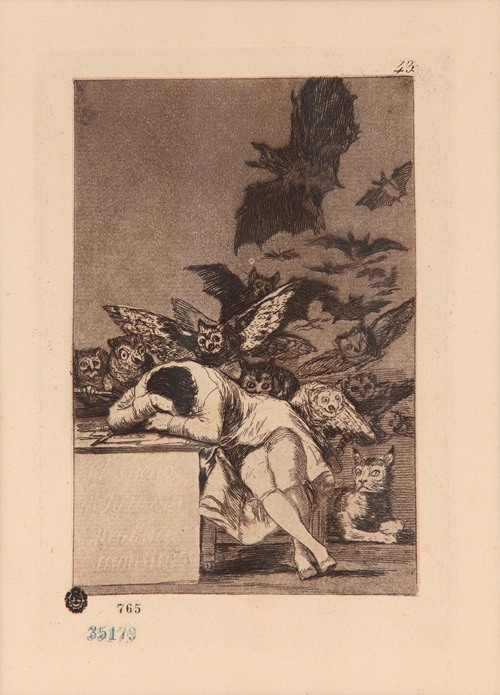
El sueño de la razon produce moustruos (Serie Caprichos)
Francisco de Goya
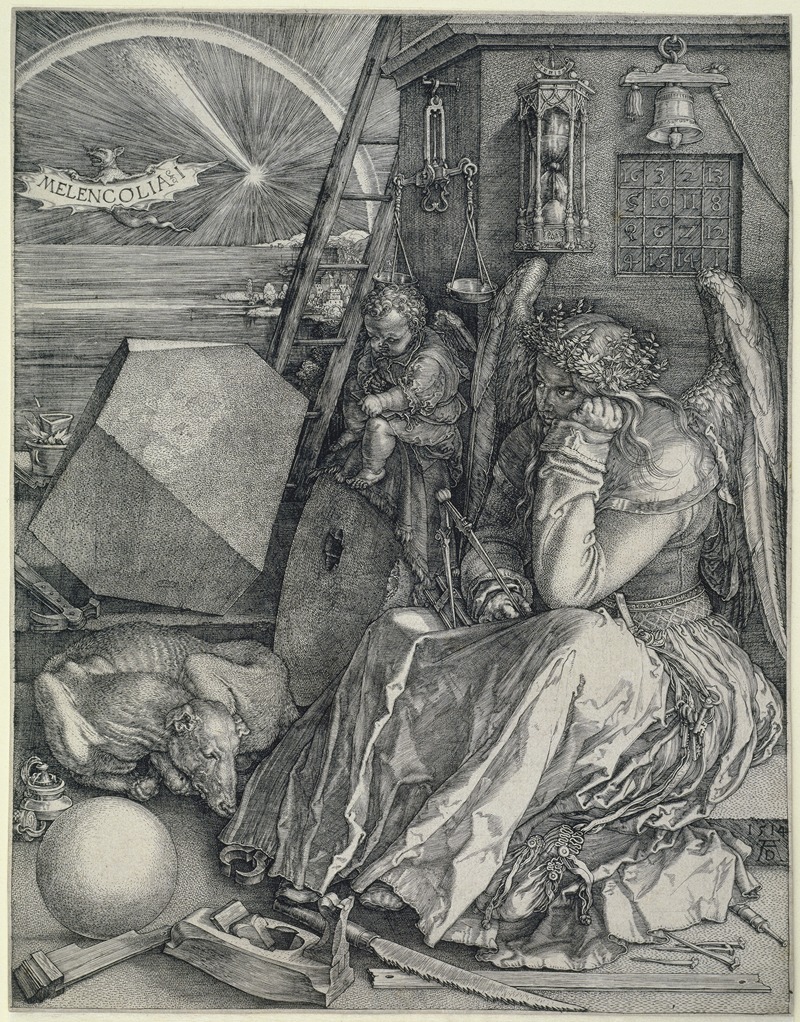
Melencolia I (The Melancholy)
Albrecht Dürer
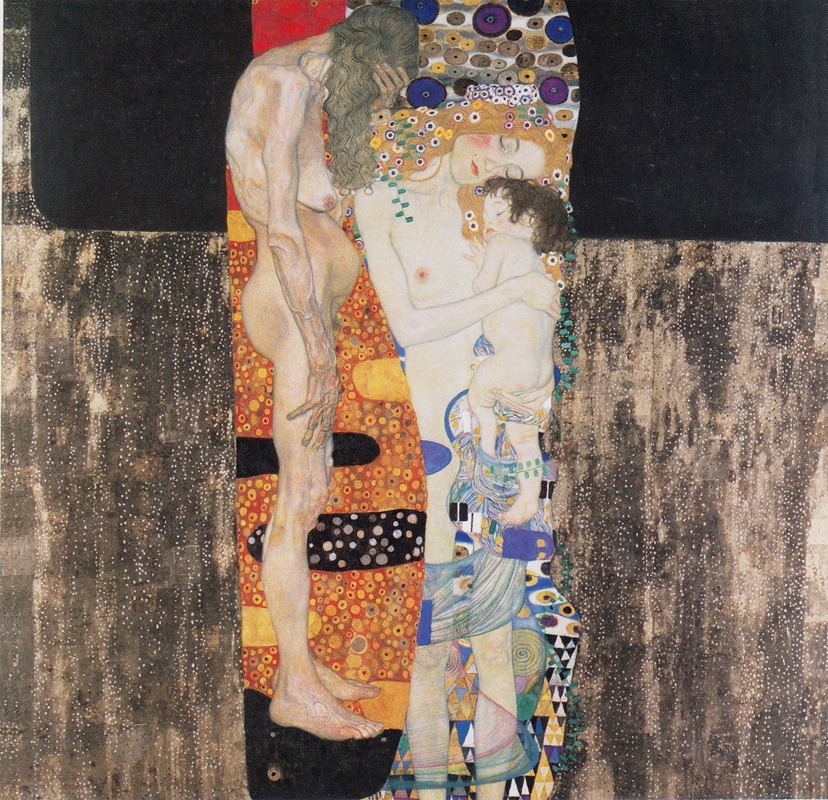
The Three Ages of the Woman
Gustav Klimt