
Ragnhild Bäckström — History & Facts
In Ragnhild Bäckström, Edvard Munch uses a vibrant color palette dominated by deep reds and soft blues. The subject, a woman with striking features, gazes directly at the viewer, creating an intimate connection. The background is abstract, enhancing the emotional impact of the figure.
This composition reflects Munch's exploration of psychological depth and human emotion. The painting is executed in oil on canvas, a medium that allows for rich texture and color blending. Munch's brushwork is expressive, with visible strokes that add dynamism to the piece. The dimensions are approximately 70 x 90 cm, making it a sizable portrait that commands attention.
The use of color contrasts and light further emphasizes the subject's emotional state. Edvard Munch, a key figure in the Expressionist movement, created Ragnhild Bäckström during a period of intense personal exploration. This work is notable for its psychological intensity, a hallmark of Munch's style. Interestingly, the subject of the painting, Ragnhild Bäckström, was a close friend of the artist, which adds a layer of personal connection to the work.
Munch's ability to convey emotion through color and form remains influential in modern art.
More Artworks by Edvard Munch

The Scream
Edvard Munch

The Scream (1910 version)
Edvard Munch

Despair
Edvard Munch

The Day After
Edvard Munch
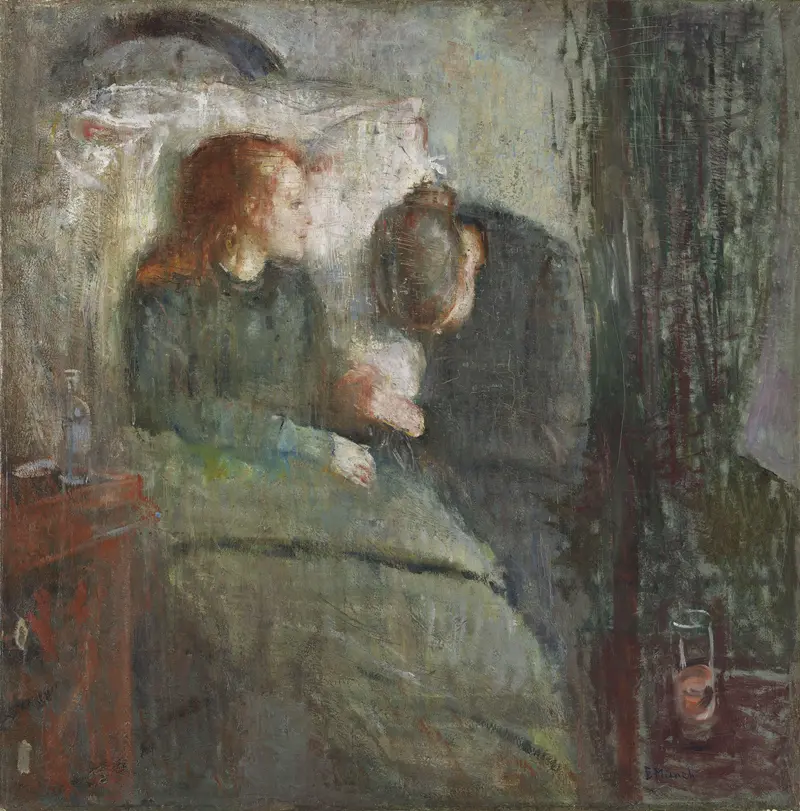
The Sick Child
Edvard Munch
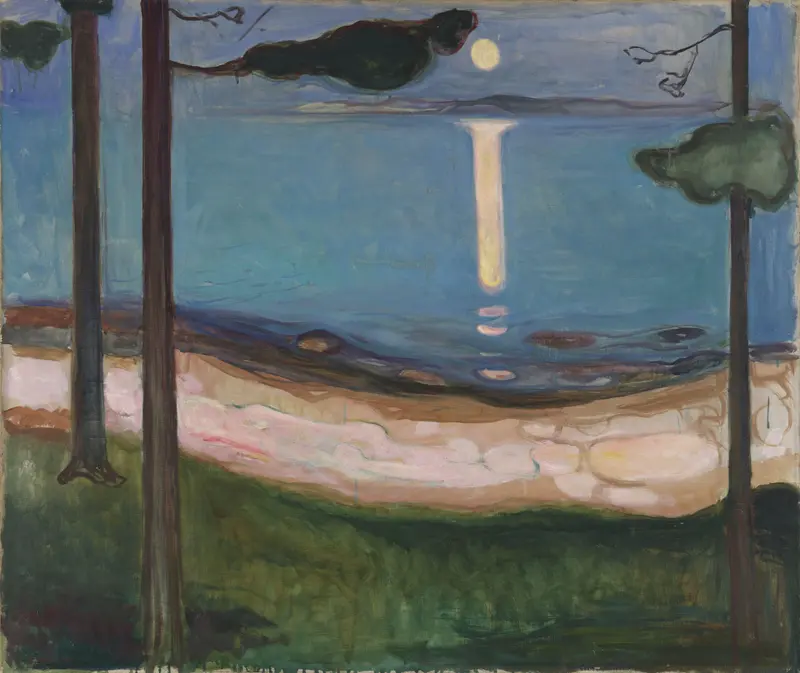
Moonlight
Edvard Munch
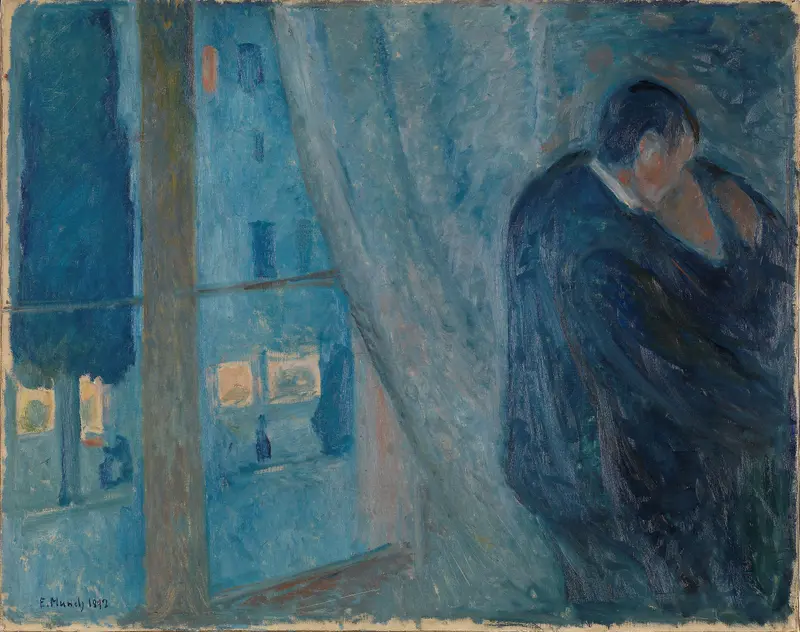
The Kiss
Edvard Munch
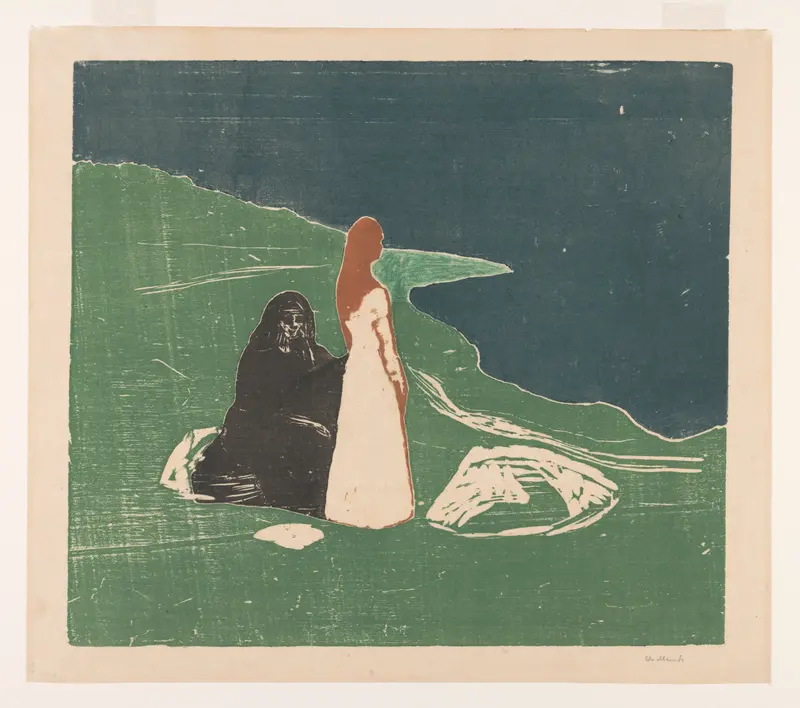
Two Women on the Shore
Edvard Munch
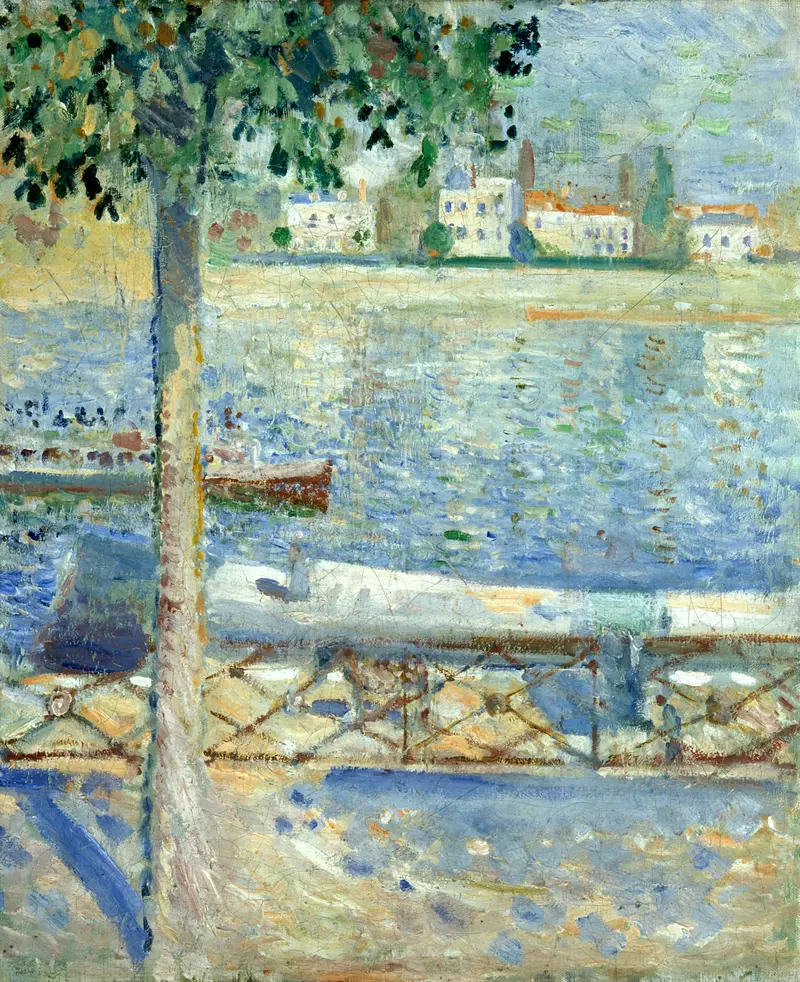
The Seine At Saint-Cloud
Edvard Munch
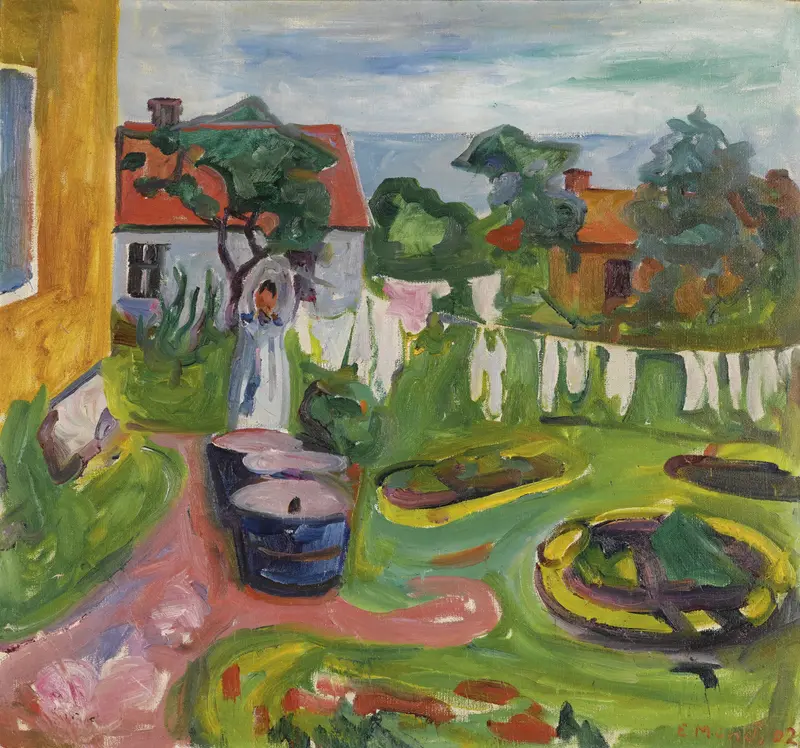
Klestørk I Åsgårdstrand (Clothes On A Line In Åsgårdstrand)
Edvard Munch





