
Ragusa — History & Facts
In the realm of dreams, we often confront our innermost truths, and within this artwork, a landscape of whispers unfolds. Look to the horizon, where the ethereal blue sky meets the delicate silhouettes of ancient architecture. The artist employs a soft palette dominated by muted pastels, evoking a sense of tranquility, while the brushwork dances lightly across the canvas, reminiscent of fleeting memories. Notice how the sunlight gently caresses the buildings, creating soft shadows that blend seamlessly with the earth tones of the landscape, inviting the viewer to linger in this serene moment. Beneath the surface, a deeper tension simmers.
The juxtaposition of the sturdy stone structures against the wispy clouds hints at the fragility of existence. Each element speaks of dreams — aspirations intertwined with history — that echo through the ages. The stillness of the scene is alive with the whispers of countless souls who have walked these streets, leaving behind a tapestry of untold stories and silent confessions. In 1910, at the height of his career, the artist found inspiration in the coastal town of Ragusa while living in Poland.
The world was brimming with the energy of modernity, yet Ciągliński sought solace in the timelessness of his subjects. This work reflects not only his personal journey but also an art world transitioning toward abstraction, capturing a moment where the past and present coalesce in a dreamlike embrace.
More Artworks by Jan Ciągliński
Browse all →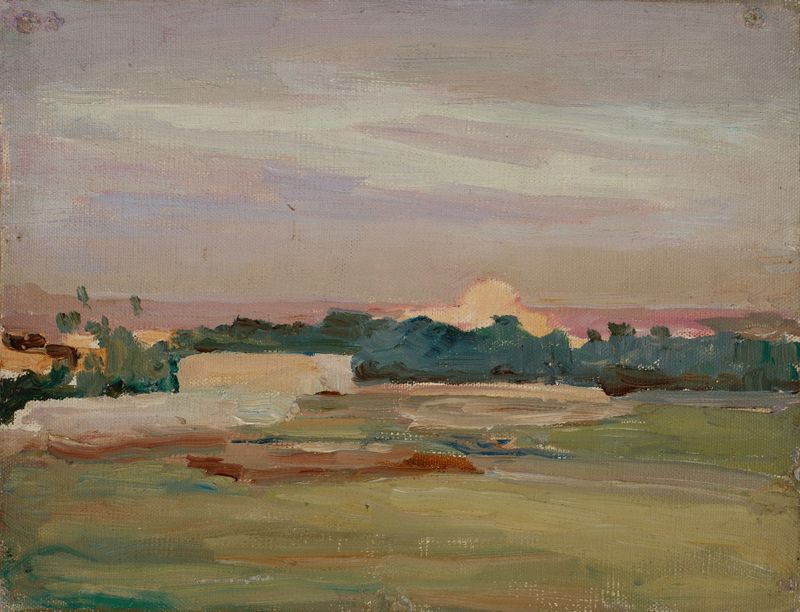
The Sirocco
Jan Ciągliński
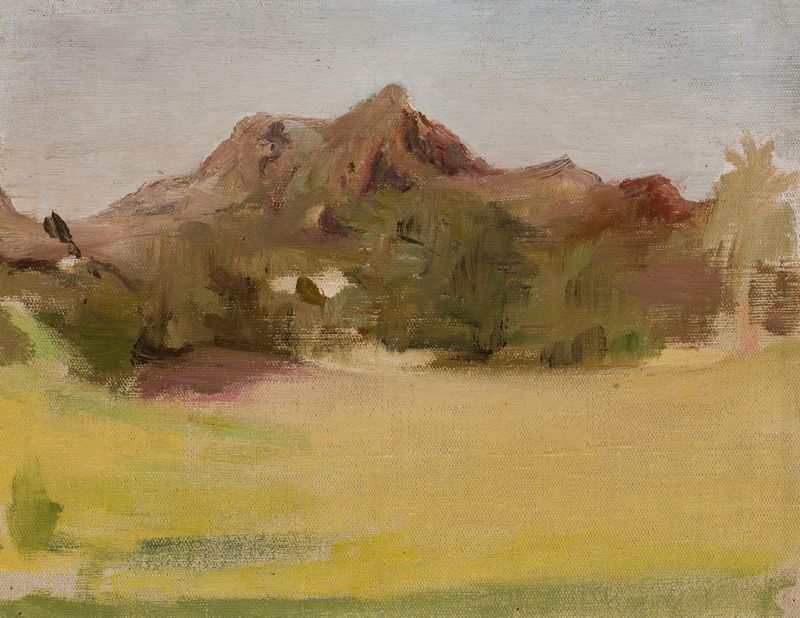
Mountain landscape. From the journey to India
Jan Ciągliński
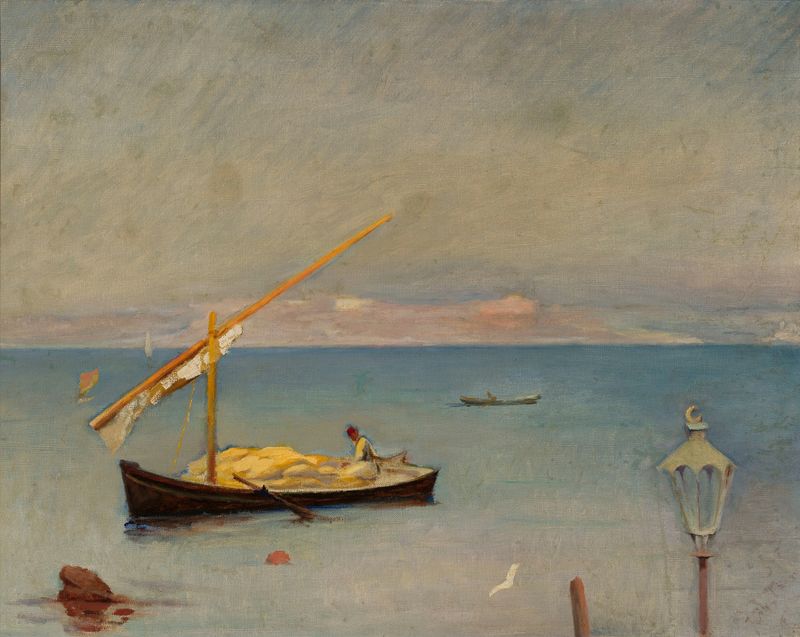
At Bosporus
Jan Ciągliński
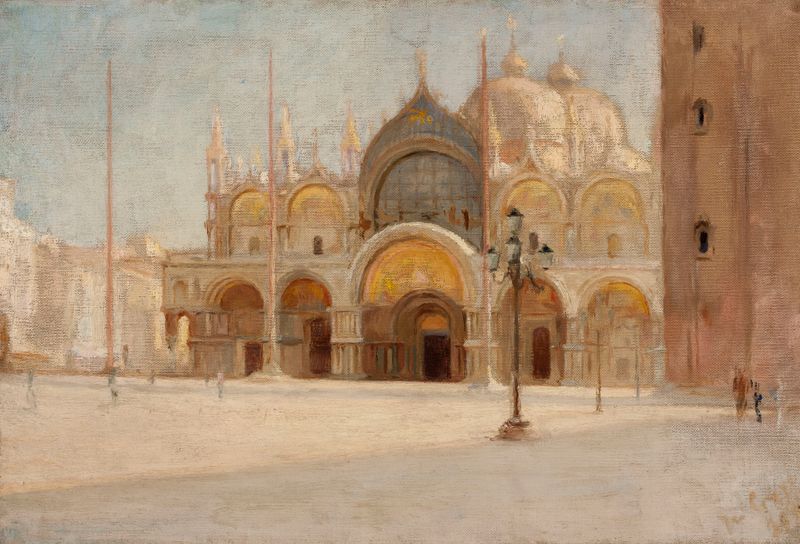
St Mark’s Square in Venice
Jan Ciągliński
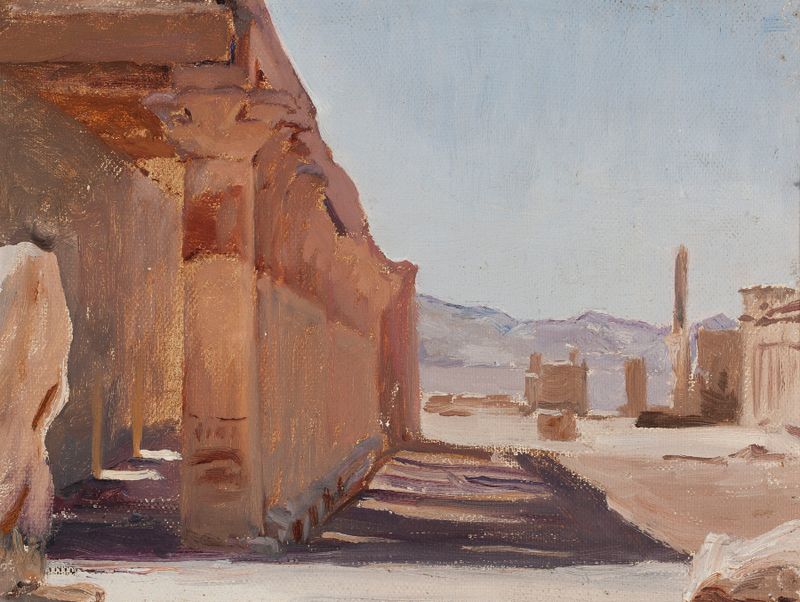
Temple. From the journey to Egypt
Jan Ciągliński
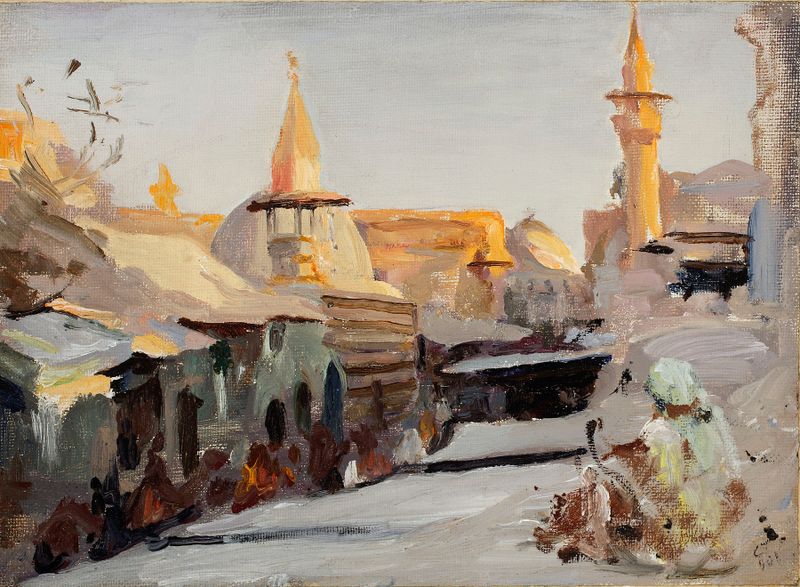
Street in Damascus. From the journey to Palestine
Jan Ciągliński
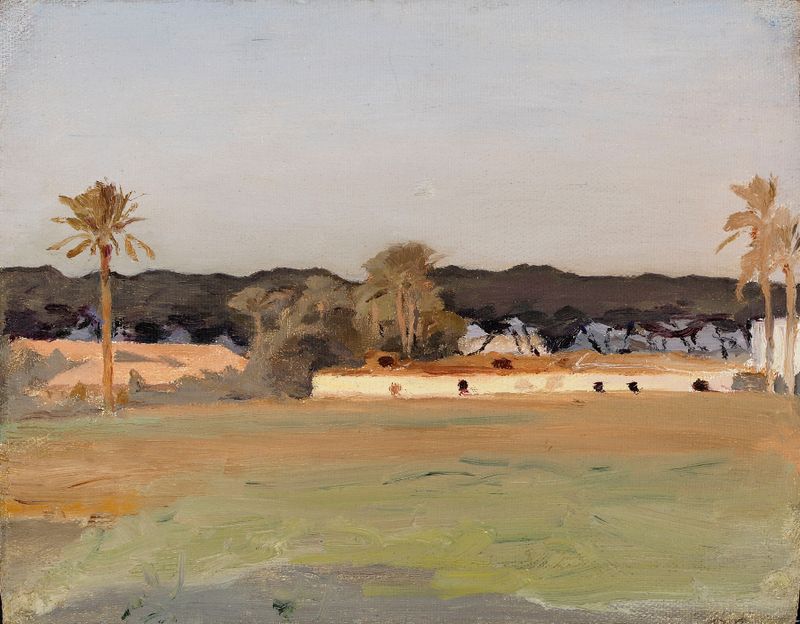
Evening. From the journey to Egypt
Jan Ciągliński
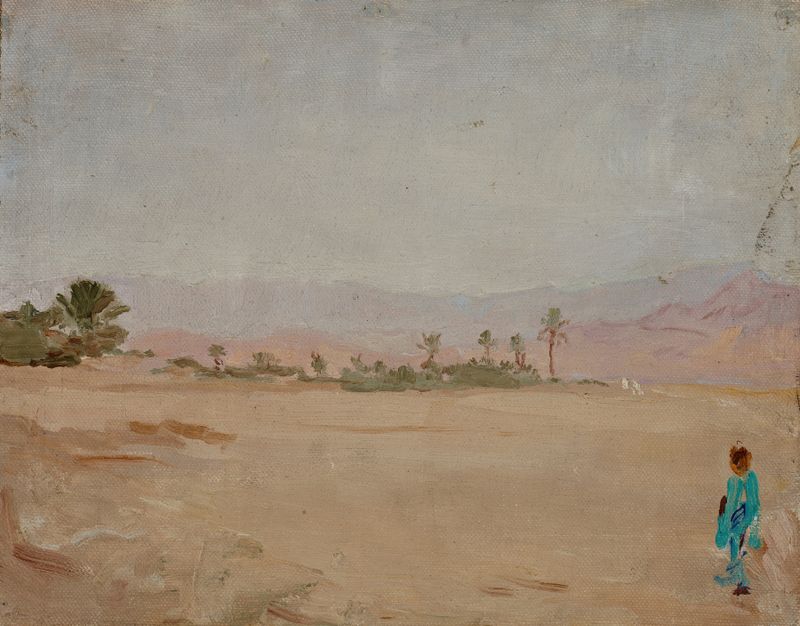
Sahara (Desert)
Jan Ciągliński
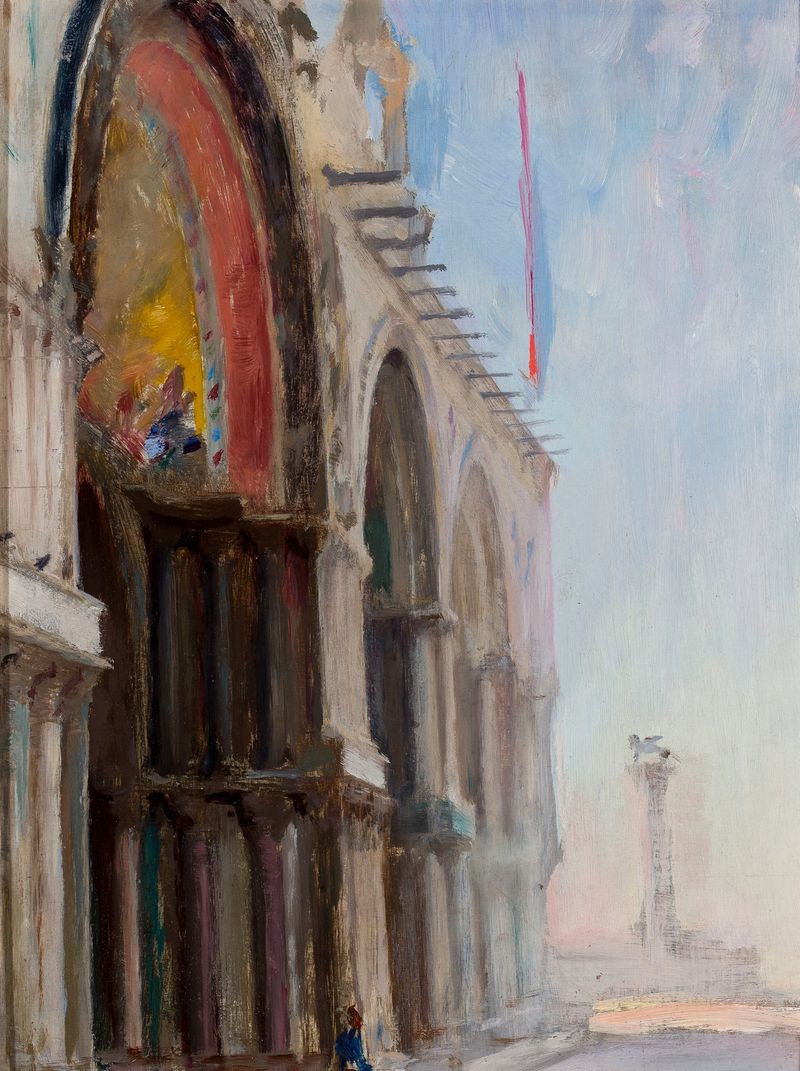
Venice – San Marco. From the journey to Italy
Jan Ciągliński
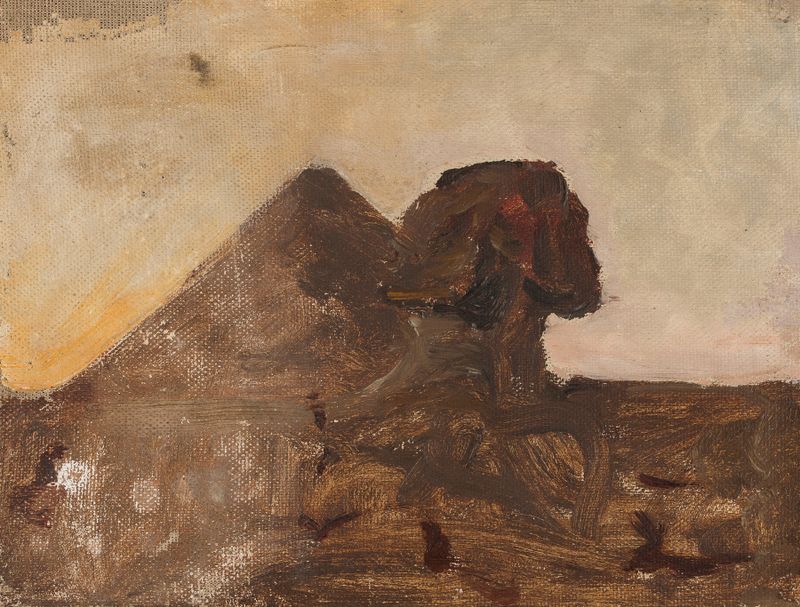
Evening in the desert – Sphinx and pyramid. From the journey to Egypt
Jan Ciągliński





