
Rain Effect — History & Facts
Is this a mirror — or a memory? The delicate interplay of colors and light in Rain Effect invites a contemplative journey through the feelings of solitude and reflection, capturing a transient moment in time. Look to the center of the canvas, where blurred figures navigate a rain-soaked street, their umbrellas dotting the landscape like scattered petals. Notice how the gentle brushwork creates a sense of movement, the strokes mimicking the rhythm of raindrops falling. The muted palette of grays and blues evokes a somber atmosphere, while flickers of light break through the clouds, illuminating the reflections on the wet pavement.
This contrast between shadow and illumination draws the eye, guiding us deeper into the emotional core of the scene. Yet within this captured moment lies a profound sense of loneliness. The absence of direct interaction among the figures emphasizes their isolation, each person ensconced in their own world, oblivious to one another. The rain acts as a barrier, creating an emotional distance that resonates with the viewer long after the gaze has shifted.
The reflections in the puddles seem to mirror these themes of solitude and introspection, revealing the complexity of human connections amid a bustling environment. Created in the late 1870s, Rain Effect emerges from a period when Camille Pissarro was deeply engaged with Impressionism, seeking to distill the essence of everyday life. During this time, he lived in Paris, surrounded by rapid urbanization and societal change. His focus on the interplay of light and atmosphere, especially in wet conditions, marked a significant departure from previous artistic conventions, solidifying his role as a pioneer in the movement and an observer of life's ephemeral beauty.
More Artworks by Camille Pissarro
Browse all →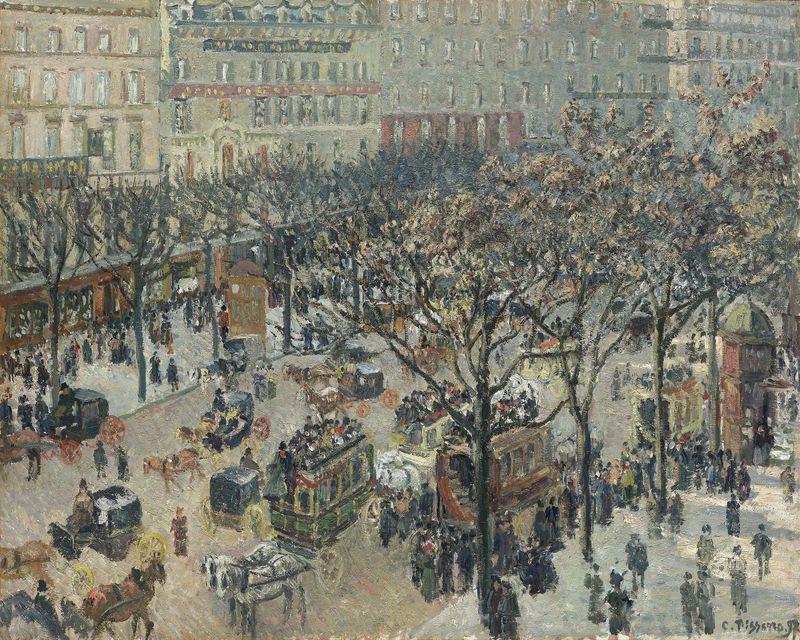
Boulevard des Italiens,Morning_Sunlight
Camille Pissarro
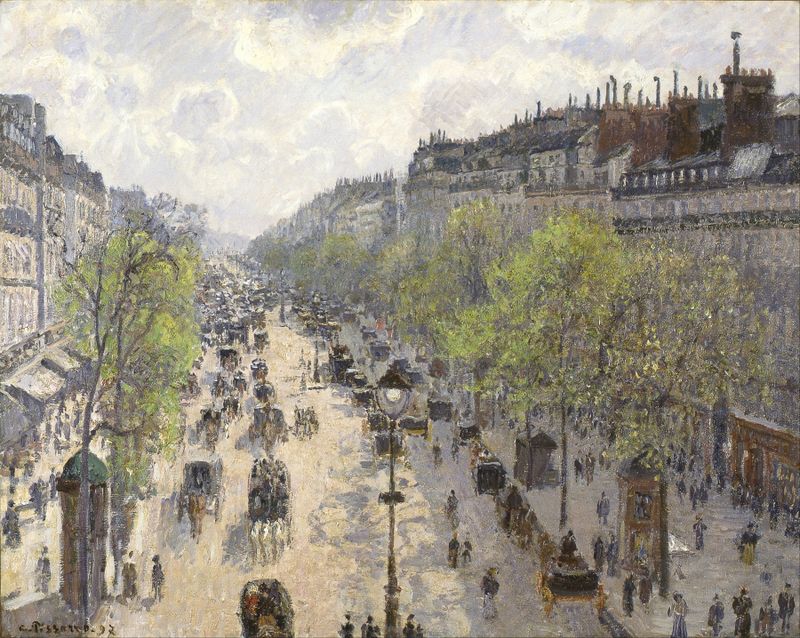
Boulevard Montmartre, Spring
Camille Pissarro
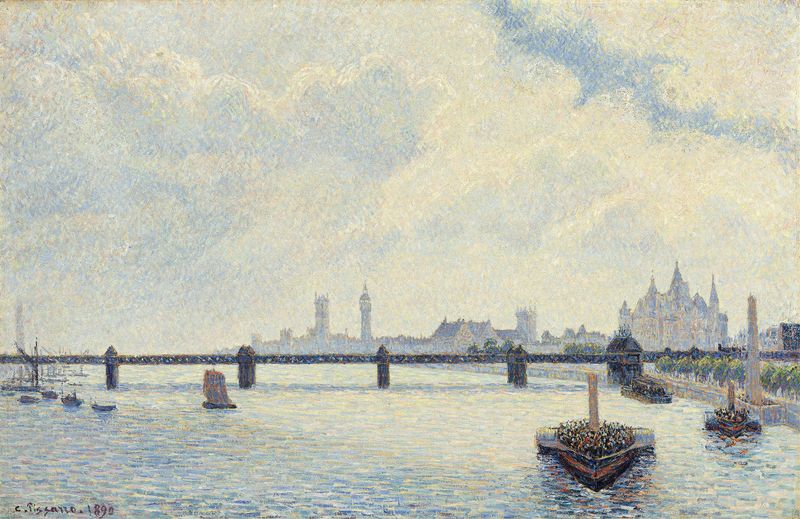
Charing Cross Bridge,London
Camille Pissarro
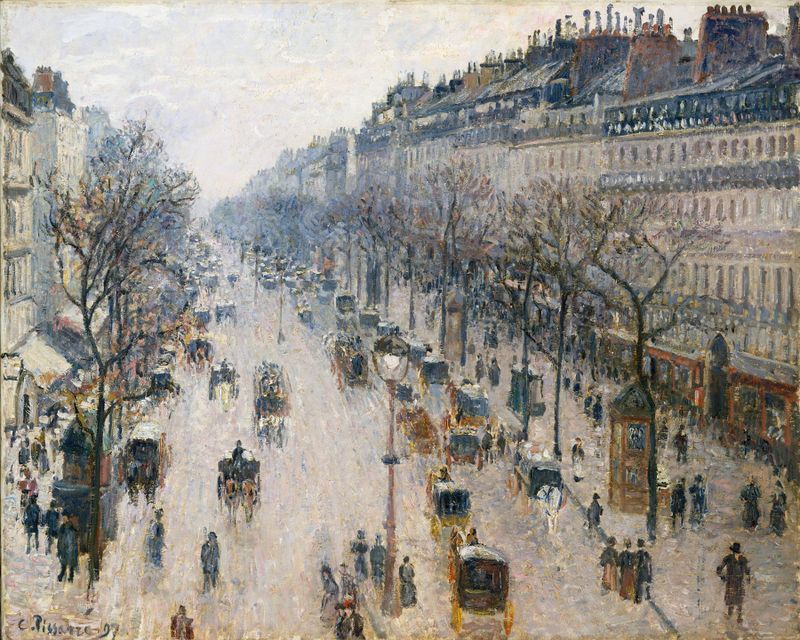
The Boulevard Montmartre on a Winter Morning
Camille Pissarro
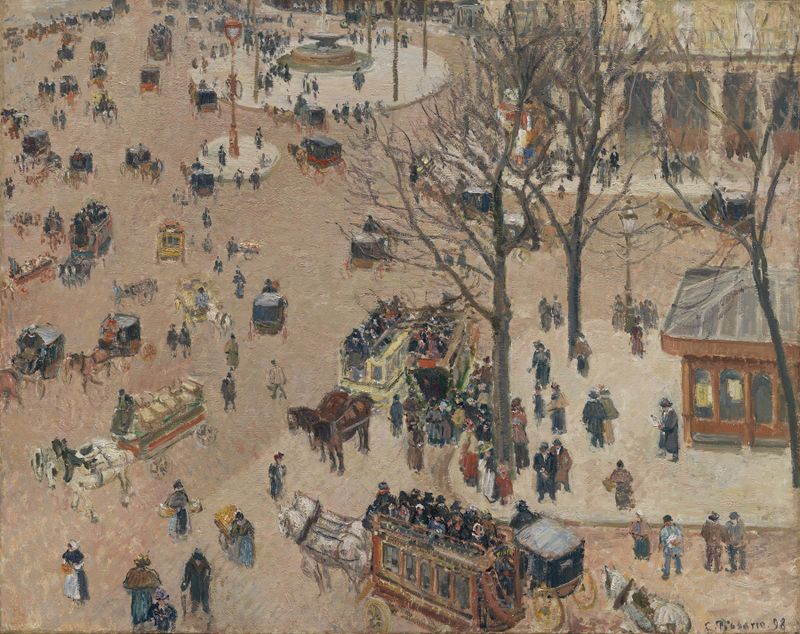
La Place du Théâtre Français
Camille Pissarro

Rue Saint-Lazare, Paris
Camille Pissarro
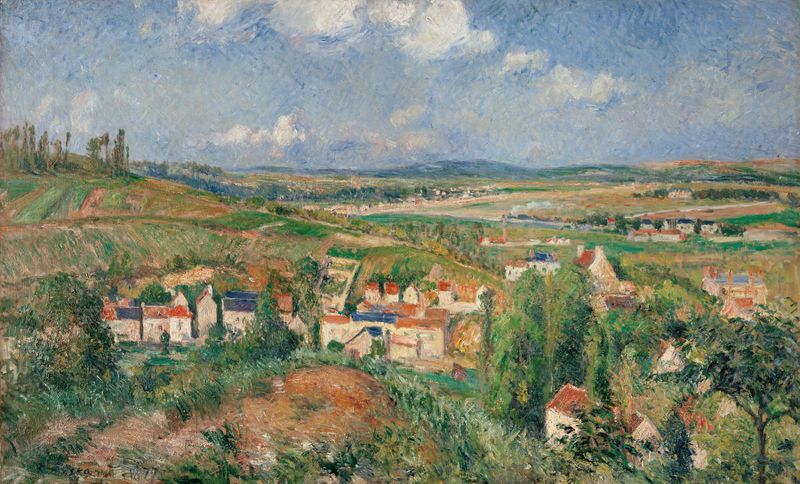
L’hermitage En Été, Pontoise
Camille Pissarro

Place du Theatre Francais,Fog Effect
Camille Pissarro
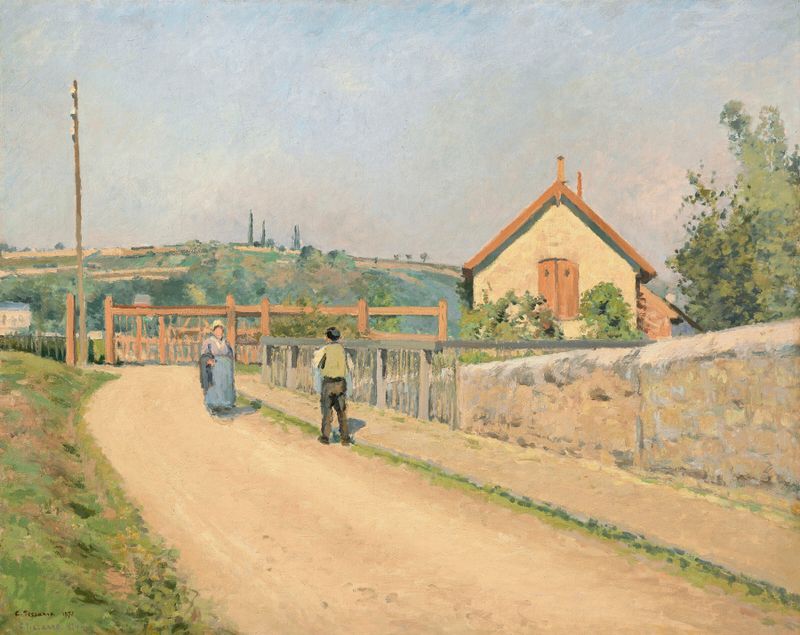
La barrière du chemin de fer, aux Pâtis près Pontoise
Camille Pissarro
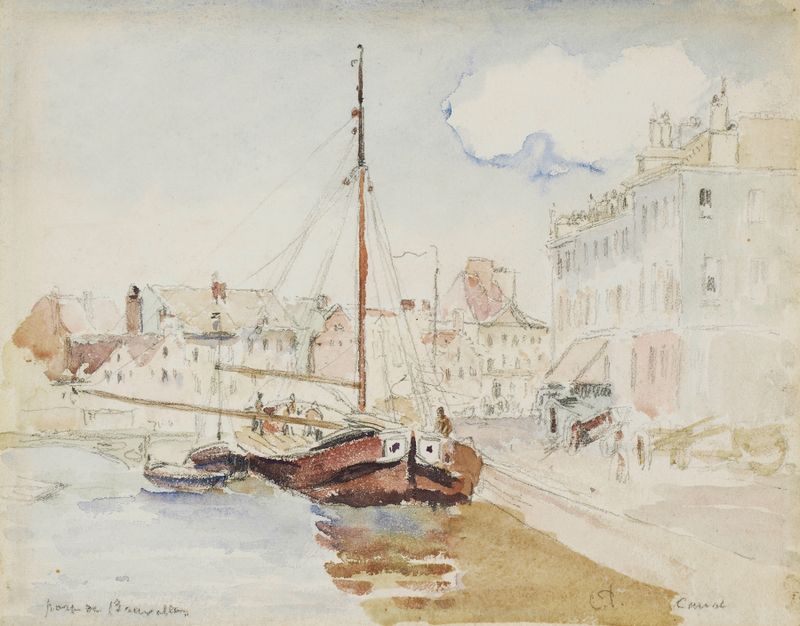
Port de Bruxelles
Camille Pissarro





