Rainbow — History & Facts
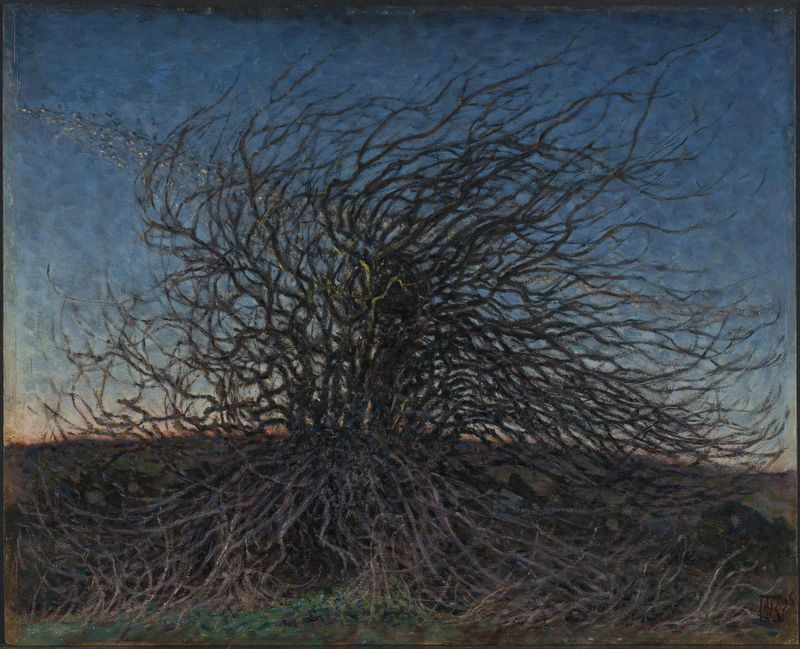
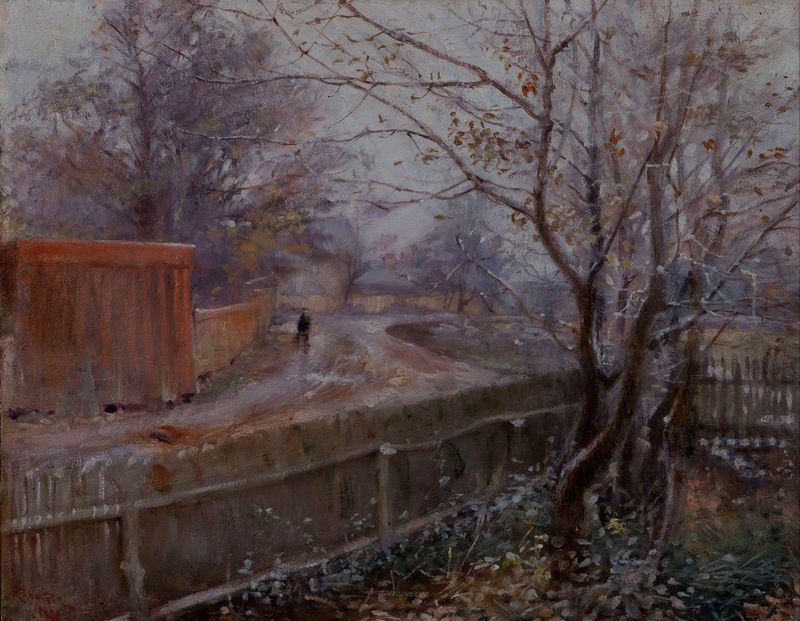
In the stillness of creation, we confront our deepest fears, the unspoken shadows lingering just beyond the vibrant hues. Look closely at the ethereal arc of color that dominates the canvas, where a delicate rainbow spills forth from a muted landscape. The juxtaposition of the vivid spectrum against the subdued, earthy tones creates a striking contrast that invites contemplation. Notice how the brushstrokes are both confident and gentle, hinting at the tension between light and darkness, joy and apprehension.
The artist’s choice of soft transitions in color echoes a sense of hope, yet the shadows beneath suggest an underlying unease. Within the spectrum of colors lies a profound emotional complexity. Each hue can be seen as a reflection of the human experience, encompassing not only the beauty of nature but also the fear of what lies beneath its surface. The stark landscape beneath the rainbow serves as a reminder that within every moment of triumph, there exists the potential for loss or despair.
The painting becomes a dialogue between the light of optimism and the darkness of doubt, inviting viewers to explore their own vulnerabilities. In 1908, Kreuger painted this piece during a time of personal and artistic exploration, living in Stockholm amidst the burgeoning Swedish art scene influenced by broader European trends. This period was marked by a quest for authenticity in expression, as artists sought to capture not just the outer world but the inner turmoil of human emotion. Kreuger’s Rainbow stands as a testament to that struggle, bridging the chasm between color and the complexities of life.