
Rama Spurns the Demon Lover — History & Facts
A single radiant figure commands the center, his blue skin and golden halo drawing the eye instantly, while a woman in red collapses in anguish at his feet. The artist, Warwick Goble, orchestrates a scene of mythic rejection beneath the tangled boughs of an ancient tree: the outstretched arm and averted gaze of the central figure are gestures of refusal, while the standing woman’s gentle grip on his wrist signals both loyalty and concern. Patterns and colors do much of the storytelling here—the peacock-feathered garments and jewelry mark divinity, while the anguished figure’s wild hair and crimson robe set her apart as both outsider and supplicant.
The palette is rich but muted, the forest background closing in to heighten the sense of fateful encounter. Created in 1913 for a retelling of Hindu legends, this illustration belongs to a moment when British artists like Goble brought the world’s mythologies to Edwardian readers through books, often with little direct knowledge of the cultures they depicted. Such works were typically commissioned by publishers eager to enchant Western audiences with tales from the East, pairing newly accessible scholarship with the visual language of Art Nouveau and the Golden Age of Illustration. History has kept few traces of the specific journeys of pieces like Rama Spurns the Demon Lover, but its survival in a digitized library collection today is a reminder of how images once intended for private reading rooms now invite global viewers to linger over every detail.
Look again at the expressions and the hands—so much is decided in a single moment.
More Artworks by Warwick Goble
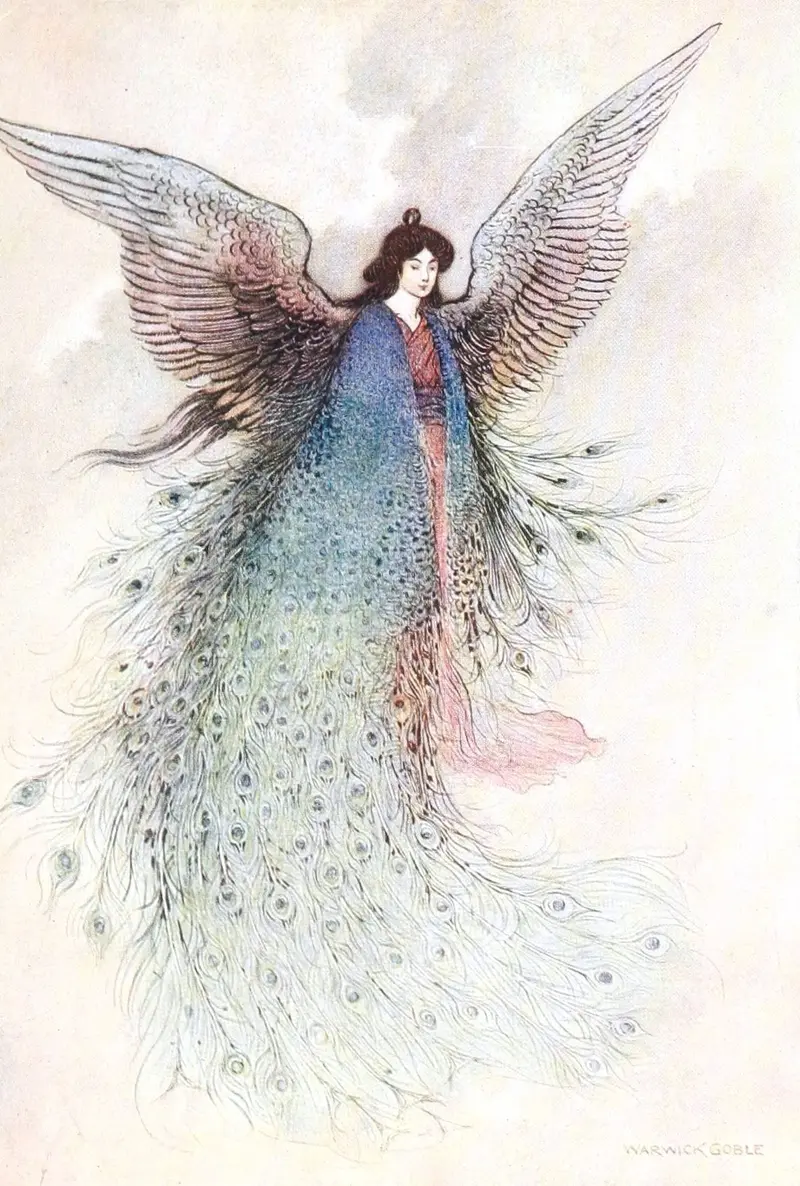
The Moon Maiden (Green Willow)
Warwick Goble
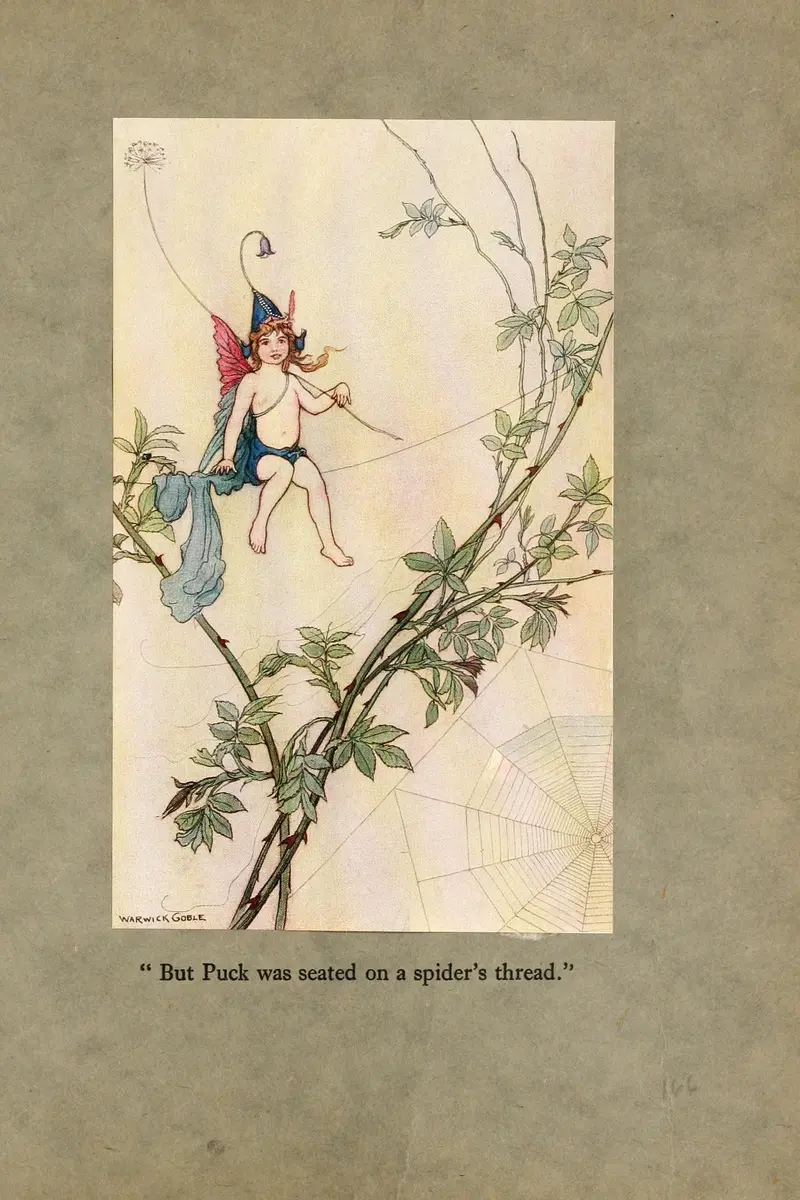
Puck
Warwick Goble

The Ordeal of Queen Draupadi
Warwick Goble

Momotaro
Warwick Goble
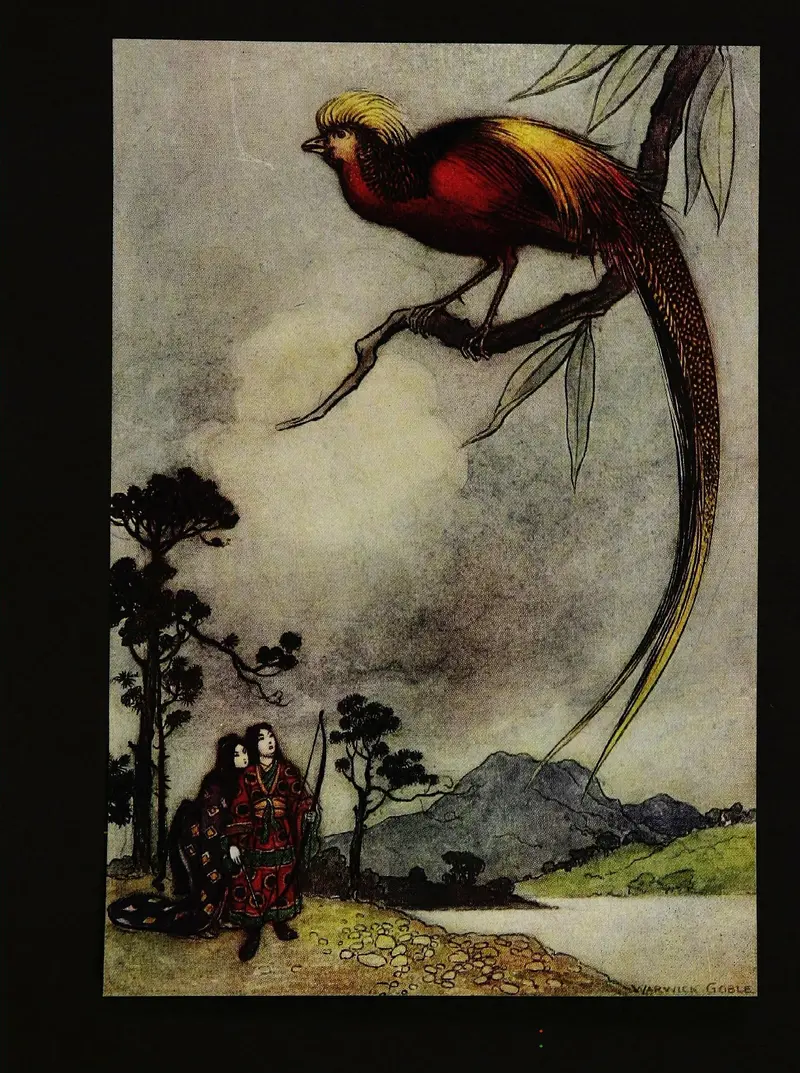
The Singing Bird of Heaven
Warwick Goble
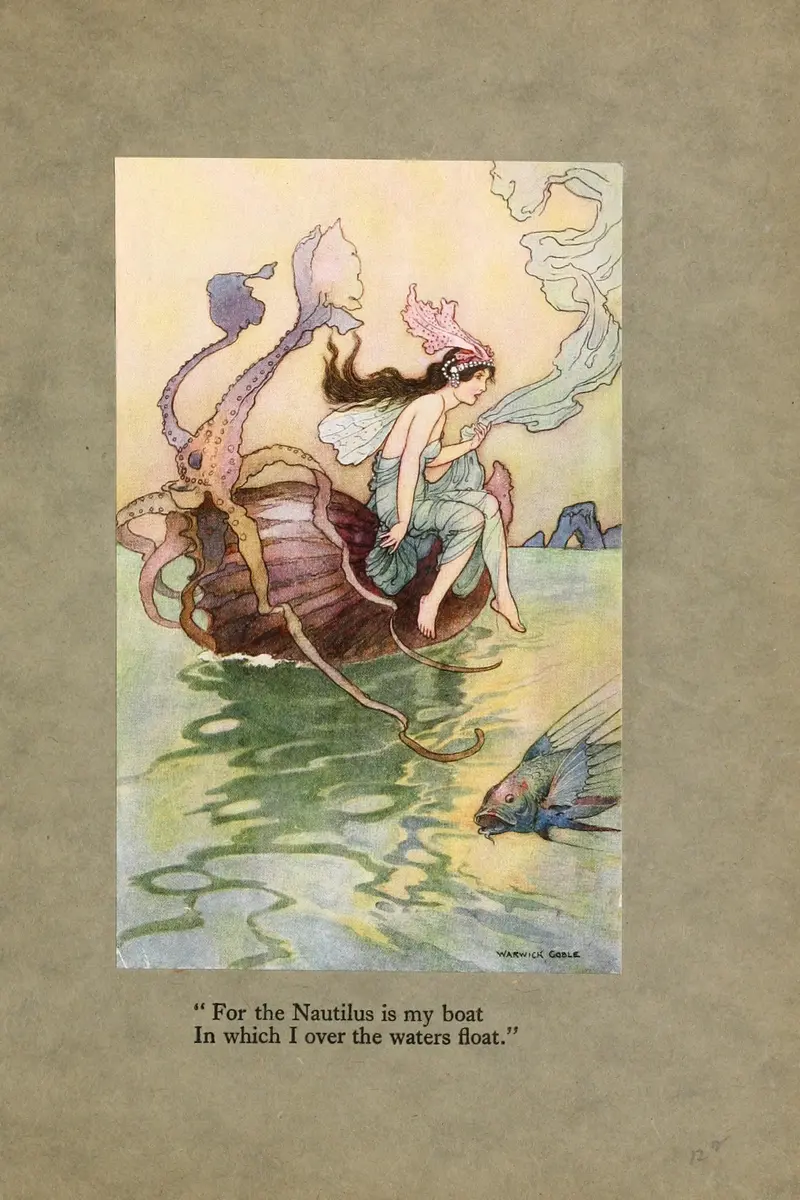
Fairies on the Seashore
Warwick Goble
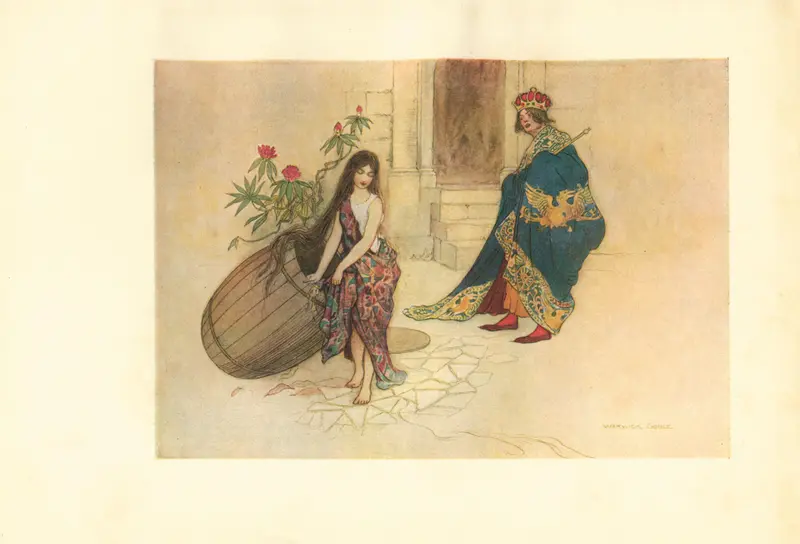
Cannetella Released from the Cask
Warwick Goble
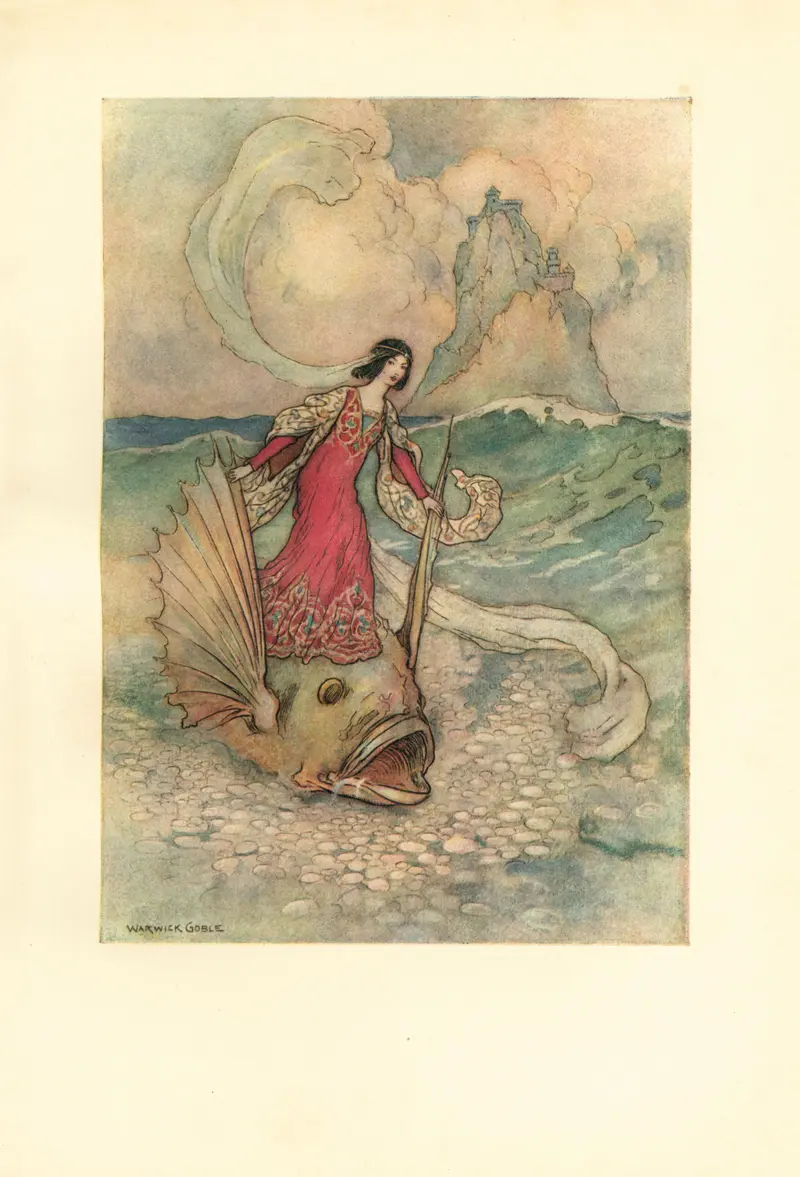
Rita Riding on the Dolphin
Warwick Goble
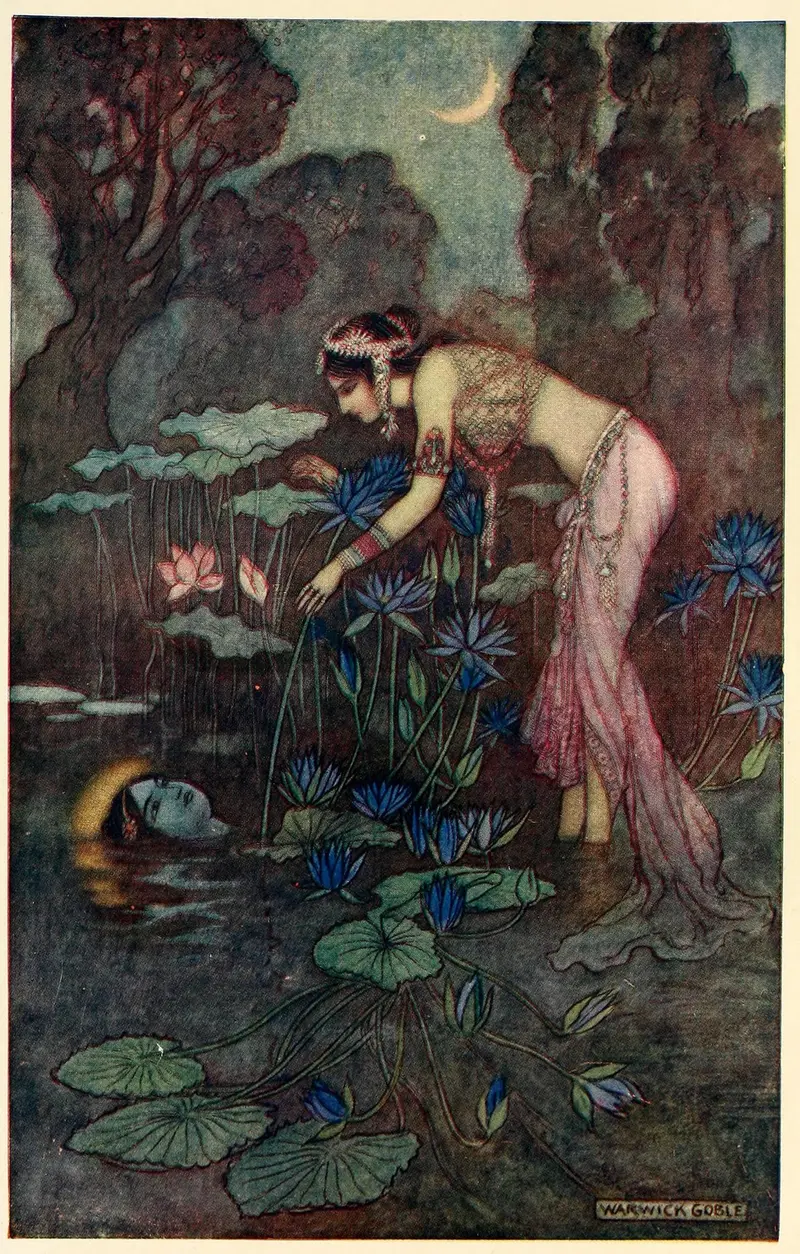
Sita Finds Rama Among Lotus Blooms
Warwick Goble
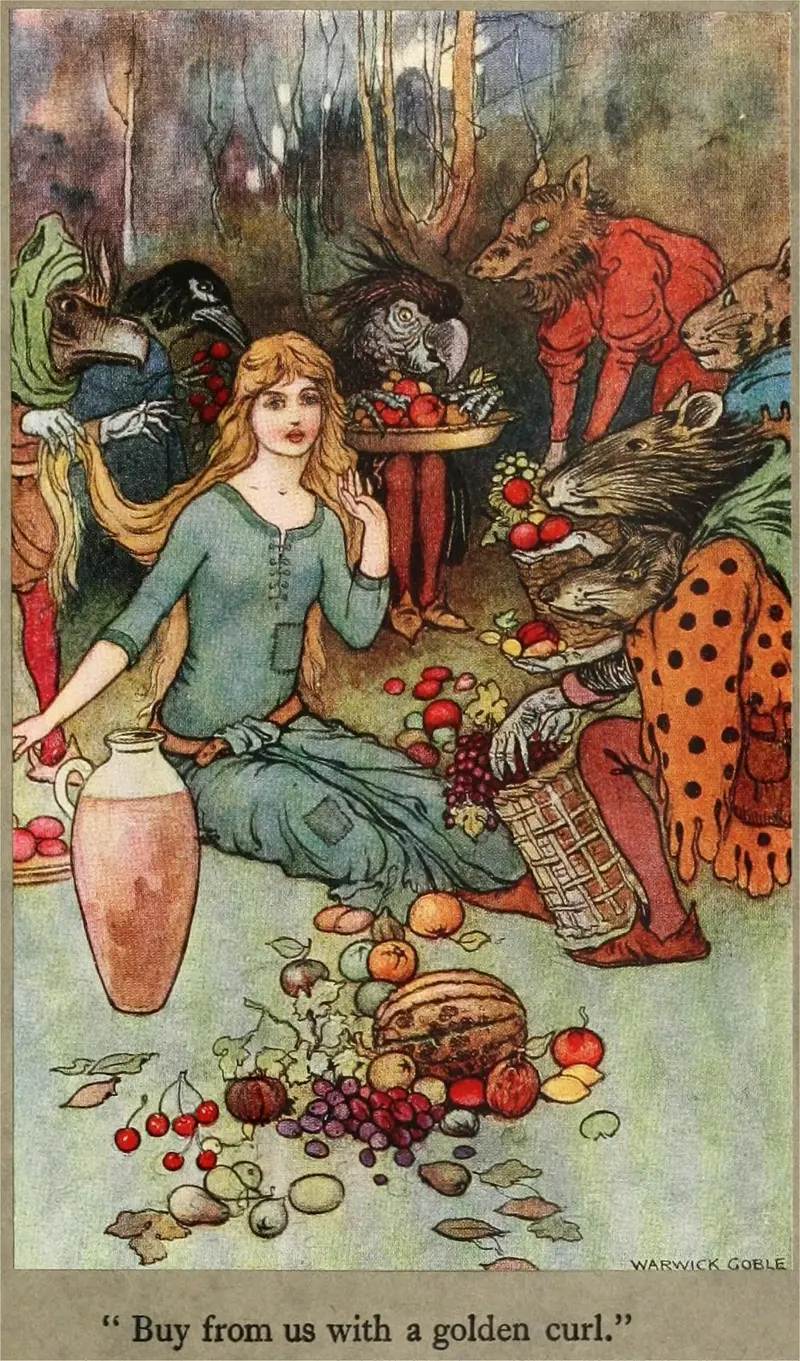
Goblin Market
Warwick Goble





