
Ramscappelle (Ramskapelle) — History & Facts
Is this a mirror — or a memory? The deep void of reflection evokes both the introspection of the viewer and the haunting echoes of the past, drawing us into a space where reality and nostalgia intertwine. Focus on the serene landscape that unfolds before you. To the left, gentle hills rise and fall under a soft, muted sky, their contours carefully molded by the artist's delicate brushwork. Notice how the colors blend seamlessly; the greens and blues are rich yet subdued, creating an atmosphere of quiet contemplation.
As your gaze travels to the right, it lands upon a tranquil waterway, its surface like glass, reflecting the surrounding world and further blurring the line between the seen and the imagined. Delve deeper and you’ll find the emotional tensions held within this work. The stillness of the water speaks of a profound void, suggesting the possibility of absence or loss. The artist’s choice of subdued hues hints at a longing, a yearning for something just out of reach.
These elements combine to create a poignant contrast between the calm of the landscape and the tumult of human emotion that it may evoke, leaving the viewer to ponder what lies beneath the surface. In 1899, the artist painted this work during a period of aesthetic transition in Belgium, where the Symbolist movement was gaining momentum. Taelemans sought to convey deeper meanings through landscapes, reflecting both personal experiences and broader societal shifts. This piece exemplifies his skill in capturing the interplay of light and emotion, placing him firmly within the context of late 19th-century art.
More Artworks by Jean-François Taelemans
Browse all →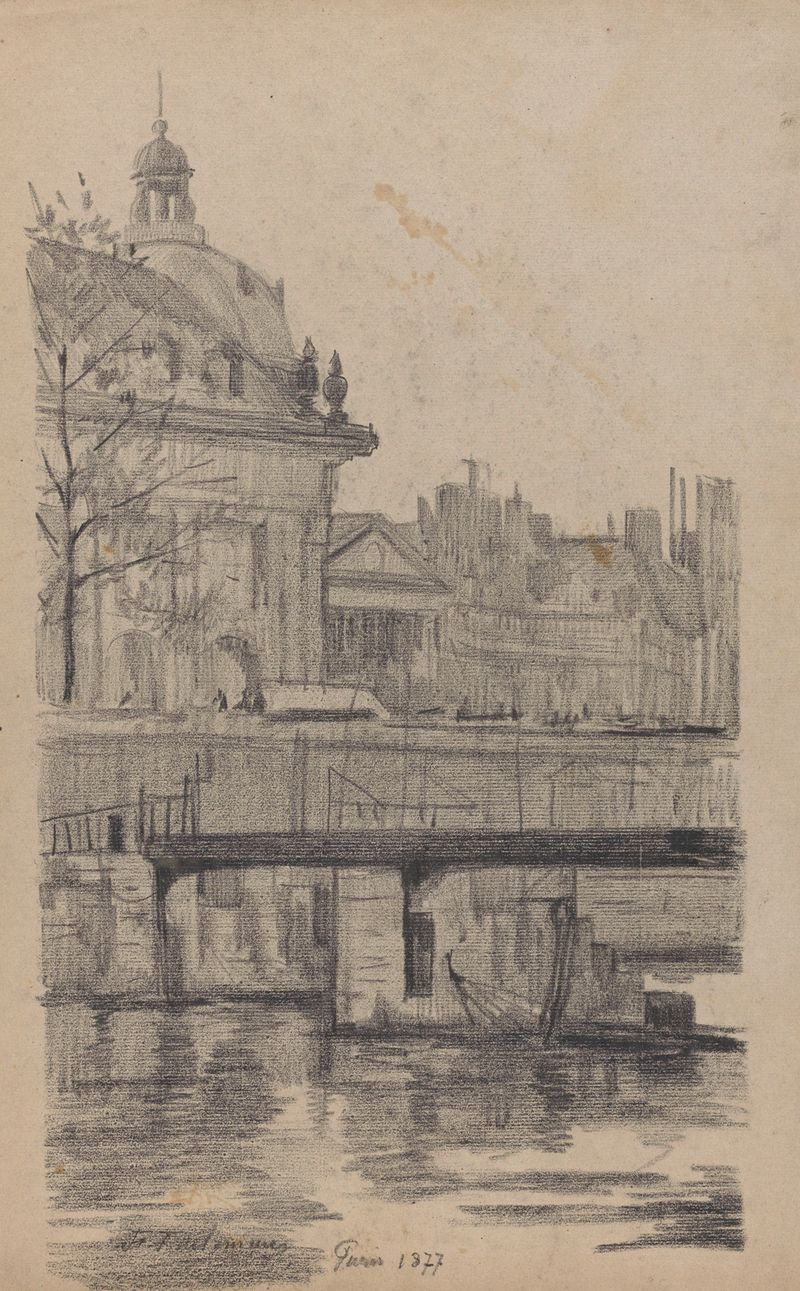
Paris (vue de la Seine et du Collège des Quatre Nations (actuellement siège de l’Institut de France)
Jean-François Taelemans
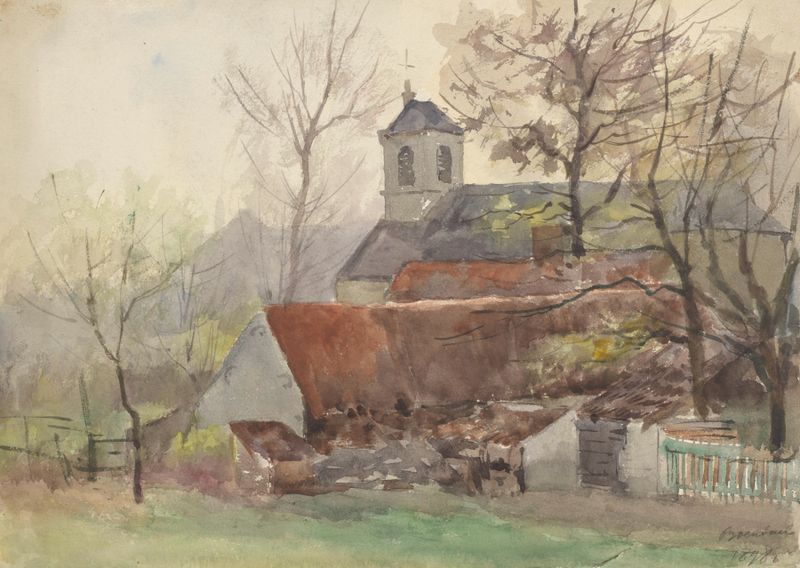
Boendael (église)
Jean-François Taelemans
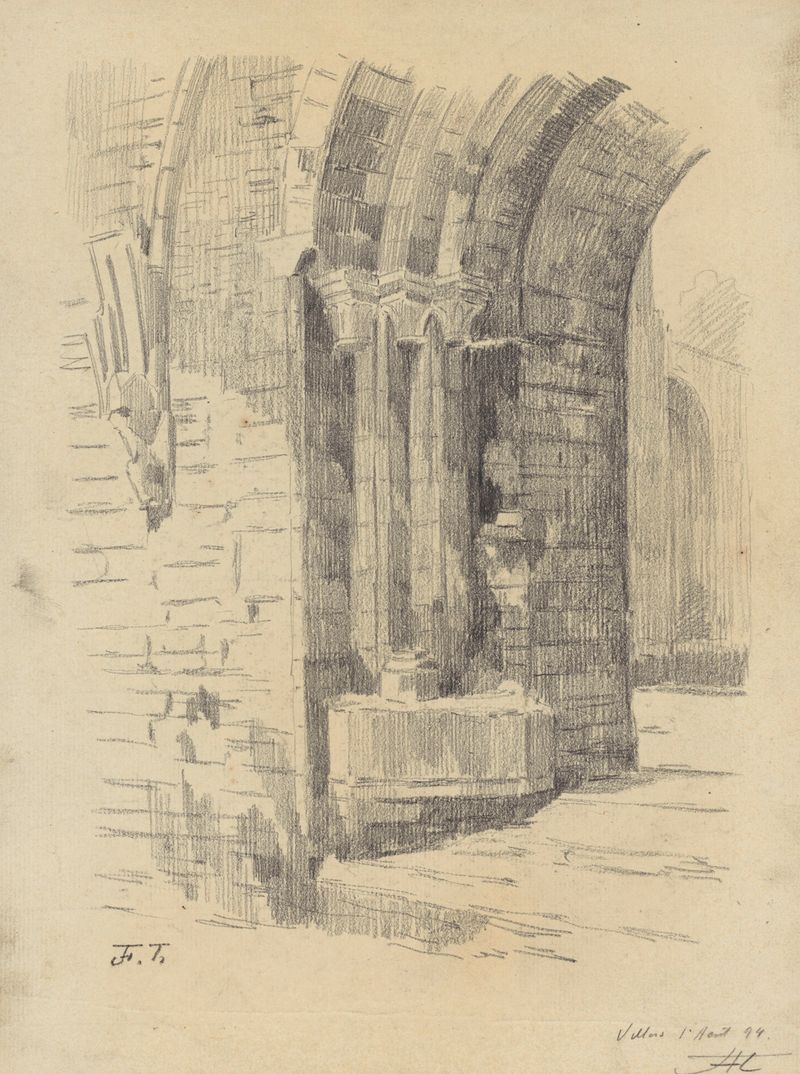
Ruines de l’abbaye de Villers-la-Ville – porche entre le cloître et l’église abbatiale (côté droit)
Jean-François Taelemans
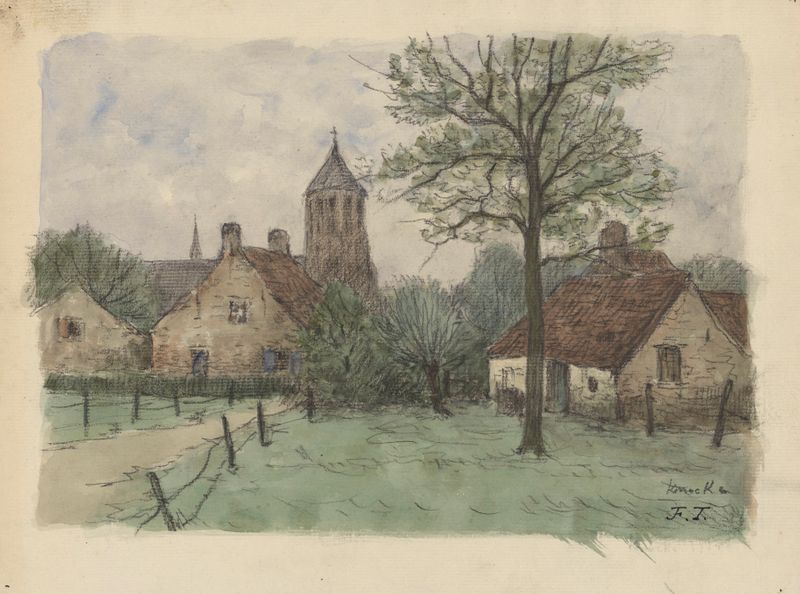
Village et église Sint Margaretha à Knocke
Jean-François Taelemans
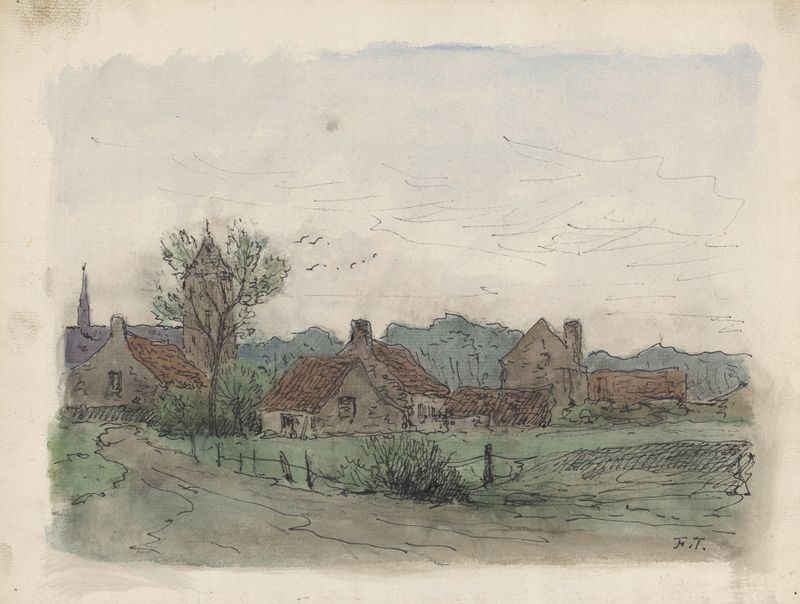
Village
Jean-François Taelemans
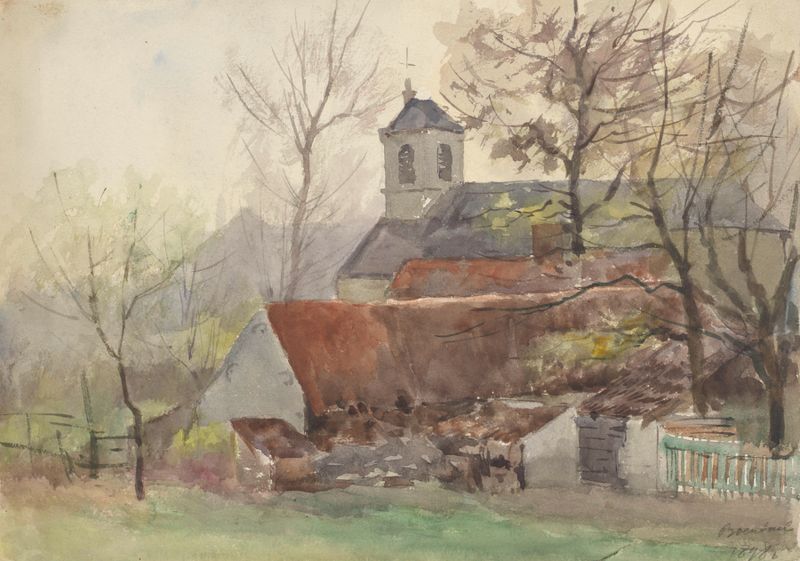
Boendael (église)
Jean-François Taelemans
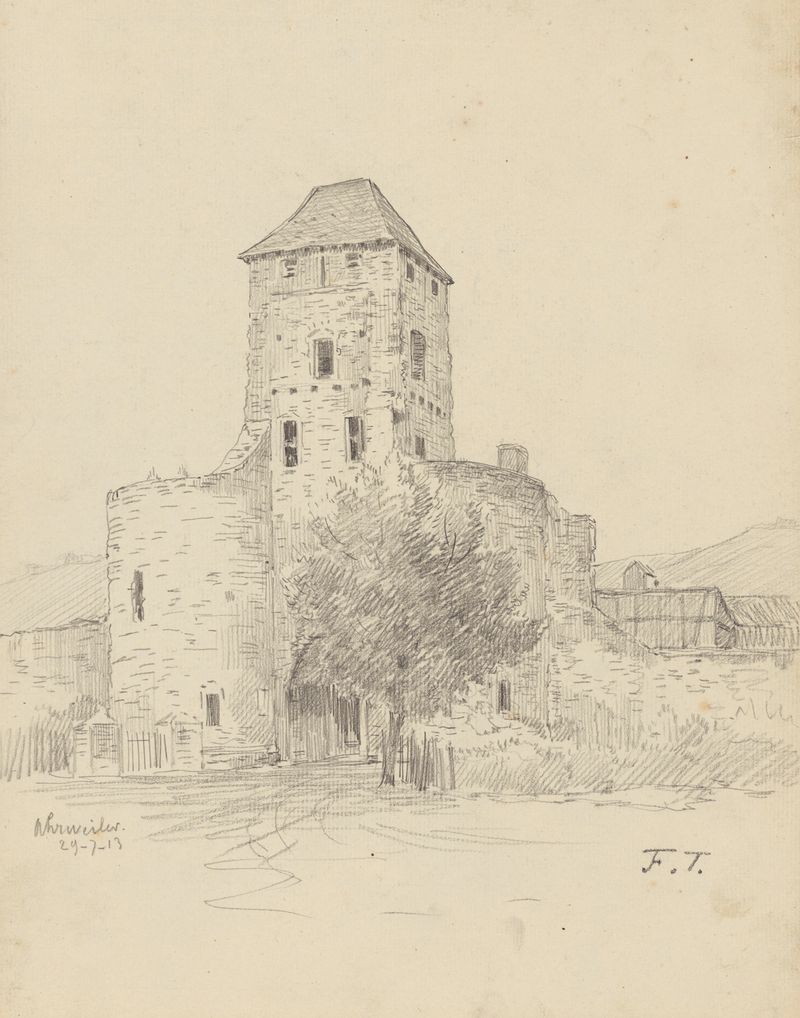
Vieille tour (porte) à Ahrweiler (Allemagne)
Jean-François Taelemans
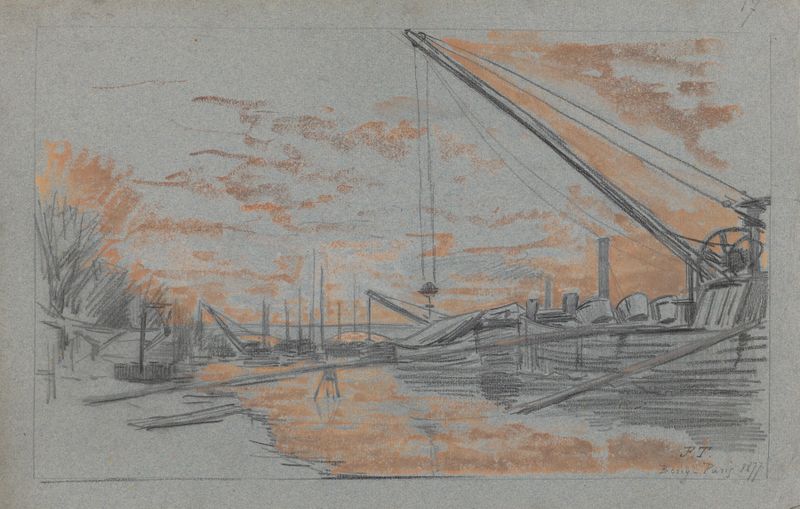
Bercy – Paris (bord de Seine avec chalands à l’ancre en cours de chargement, soleil couchant)
Jean-François Taelemans
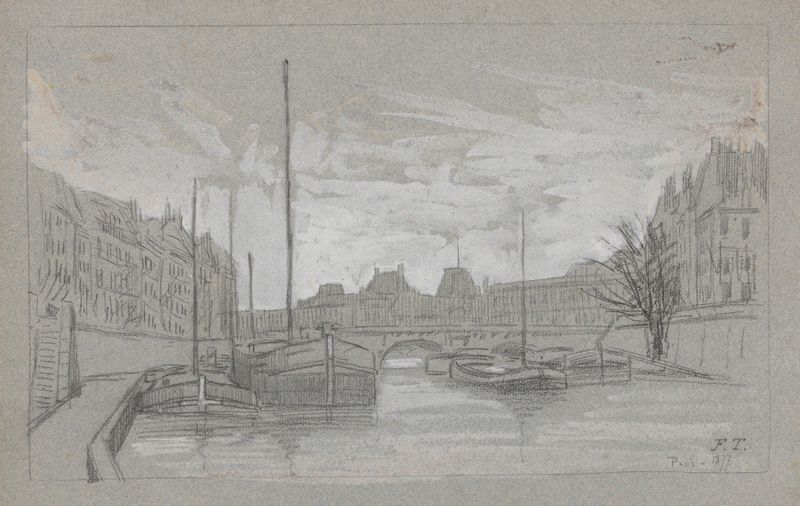
Paris (bateaux sur la Seine près d’un pont)
Jean-François Taelemans
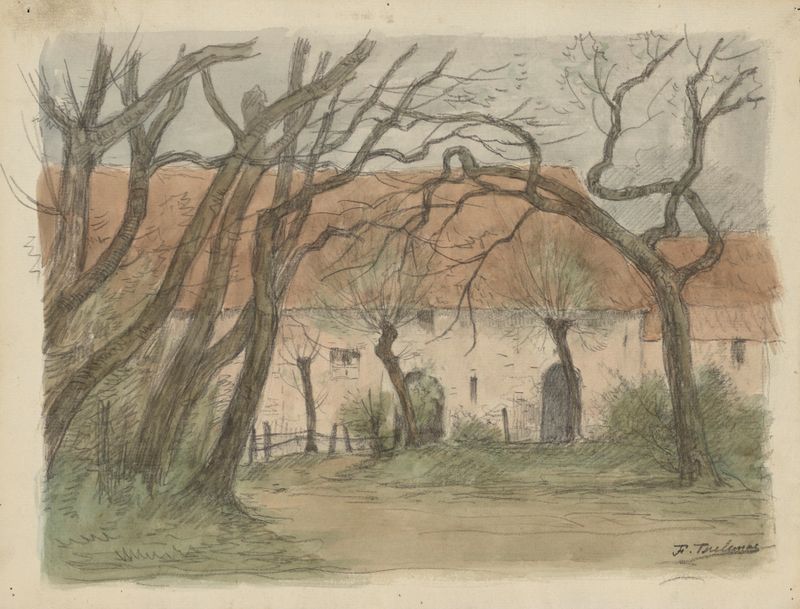
Grande maison campagnarde derrière un bouquet d’arbres
Jean-François Taelemans





