
Reapers Resting in a Wheat Field — History & Facts
In the stillness of a wheat field, Sargent captures a moment heavy with the echoes of labor and the weight of loss. The sun-drenched scene evokes a bittersweet serenity, as the reapers—tired and contemplative—take refuge amidst the golden stalks, their bodies burdened with both exhaustion and unspoken sorrow. Each figure seems to embody the duality of toil and tranquility, a poignant reminder of the fleeting nature of labor and life. Look to the center; notice the way the light plays on the golden wheat, creating a shimmering tapestry that envelops the resting workers.
Their postures, relaxed yet heavy, draw your eyes to their weathered faces, which tell stories of resilience and hardship. The loose brushwork brings an ethereal quality to the scene, blurring the line between reality and an impressionistic haze, inviting you to linger in this moment of respite. Sargent’s deft use of color—warm yellows and deep ochres—imbues the landscape with an overwhelming sense of warmth that contrasts starkly with the emotional weight that hangs in the air. Here, loss speaks through the stillness: the figures carry the burden of the harvest’s end, a cycle that brings both sustenance and sorrow.
The absence of sound amplifies the sense of isolation, suggesting that while they rest, the labor of life continues outside this frame. Each face reflects not just weariness, but also the shared experience of community and shared fate, tightly woven into the fabric of the land. This juxtaposition of peace and the underlying tension of what has been sacrificed lingers long after one steps away. In 1885, during a time of great change in art and society, Sargent was navigating his own artistic evolution.
Having studied in Paris and already gaining acclaim, he was deeply influenced by the Impressionist movement, which emphasized light and color. His rendering of everyday life, such as in this piece, reflects a moment of transition in both his career and in the world around him, capturing a profound connection to the laborers of his time, whose lives were often overlooked in the broader narrative of progress.
More Artworks by John Singer Sargent
Browse all →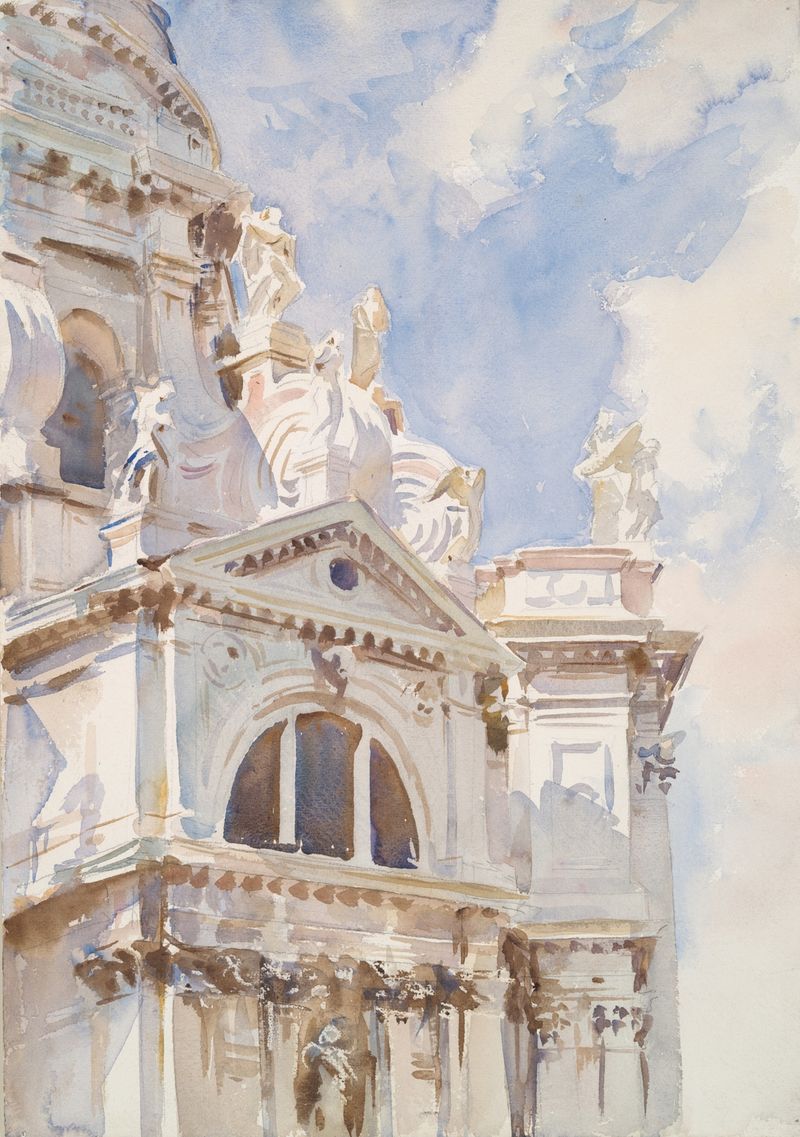
The Salute, Venice
John Singer Sargent

Mrs. Charles Deering (Marion Denison Whipple)
John Singer Sargent
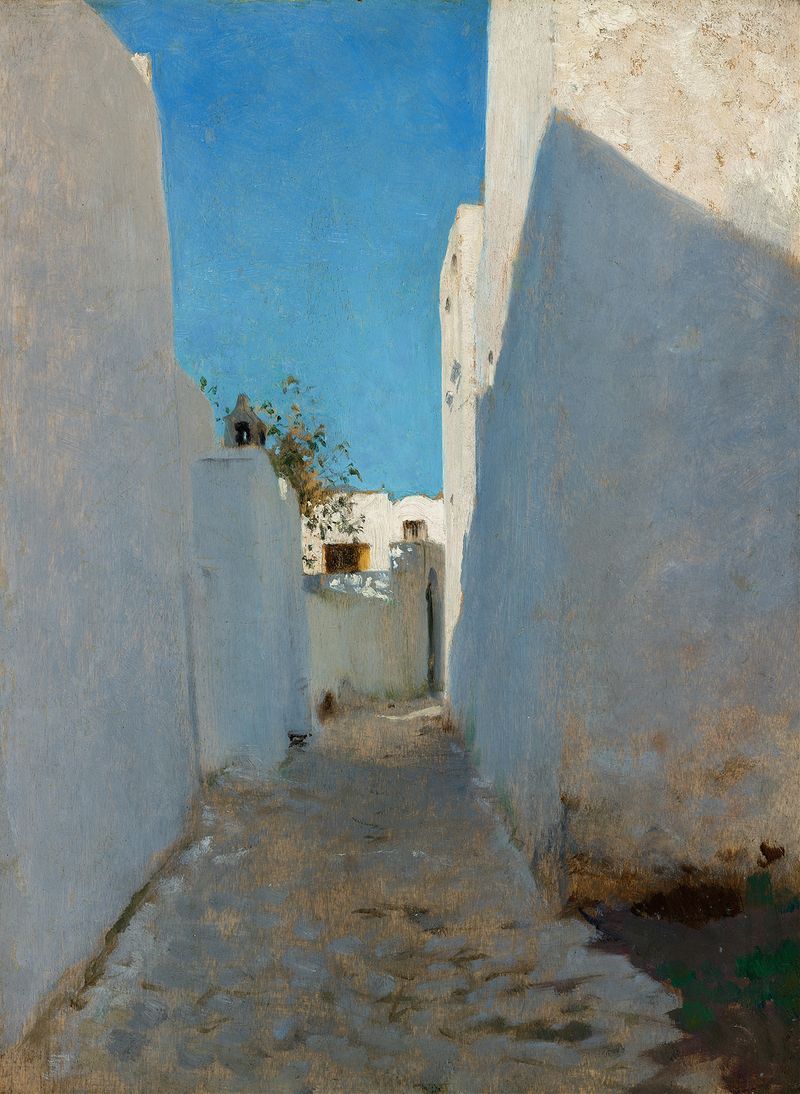
A Moroccan Street Scene
John Singer Sargent
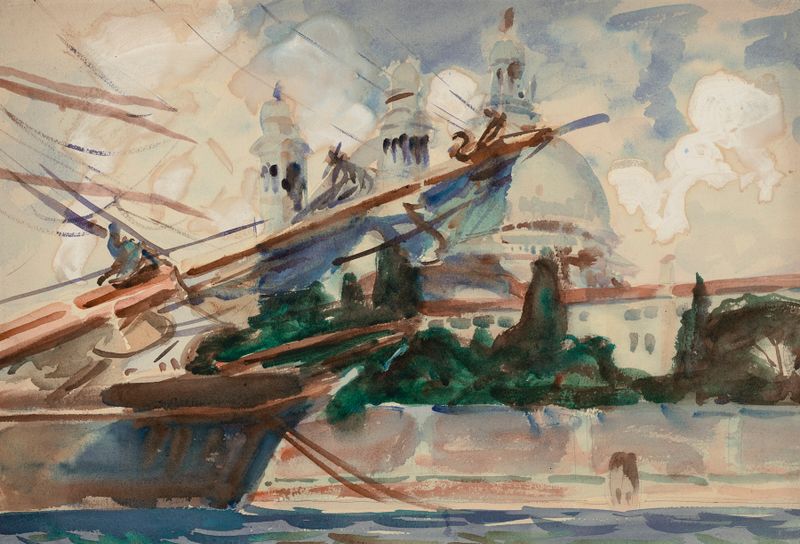
The Salute, Venice
John Singer Sargent
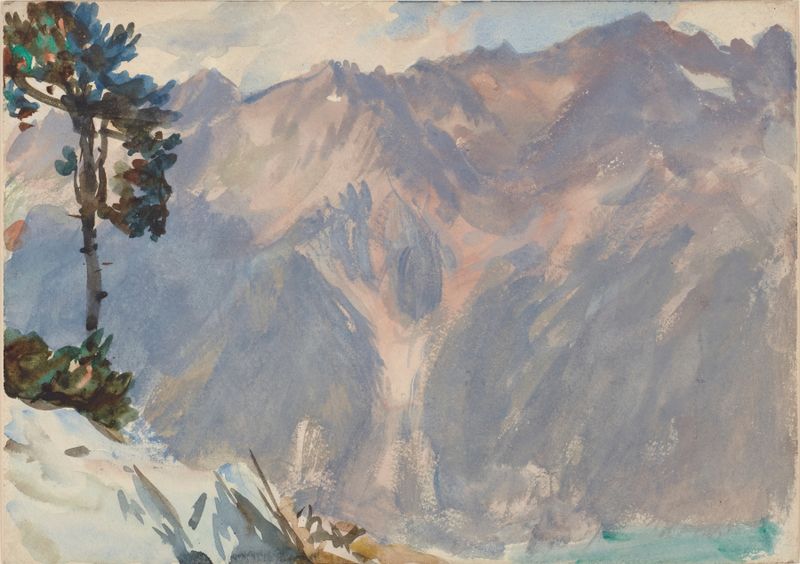
Tyrol
John Singer Sargent
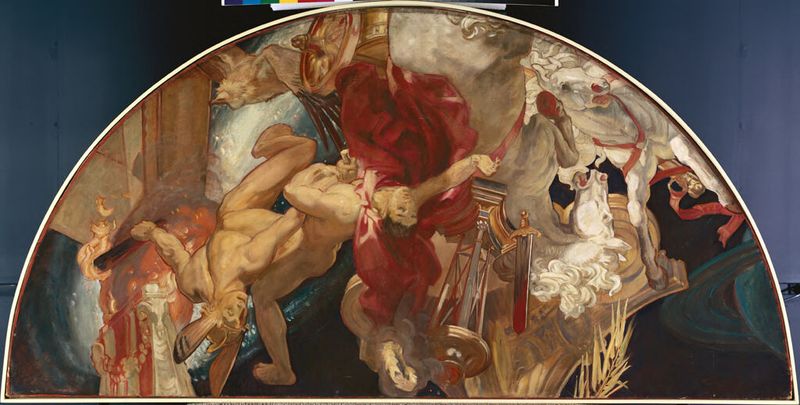
Study for "Gog and Magog," for the Boston Public Library
John Singer Sargent
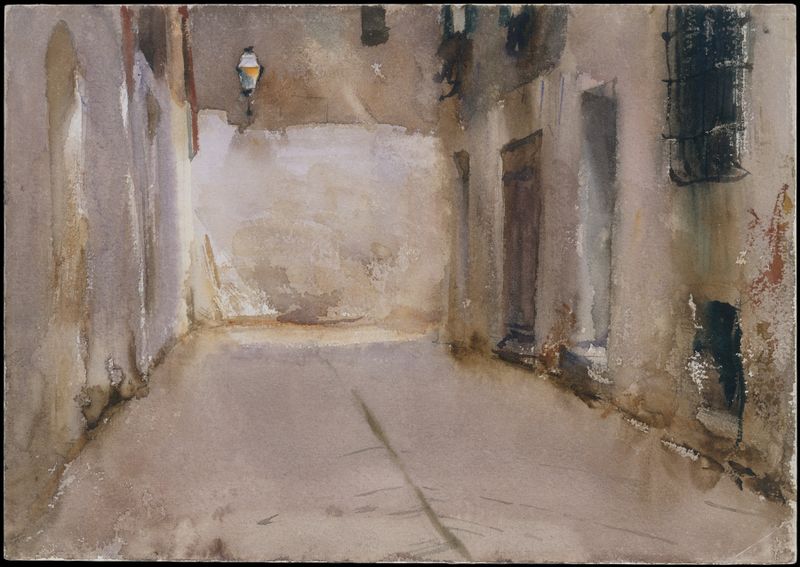
Venice
John Singer Sargent
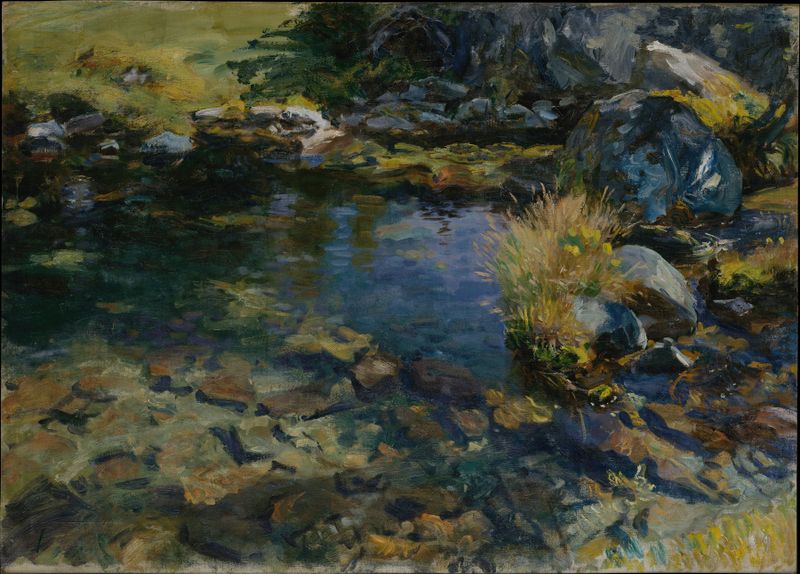
Alpine Pool
John Singer Sargent
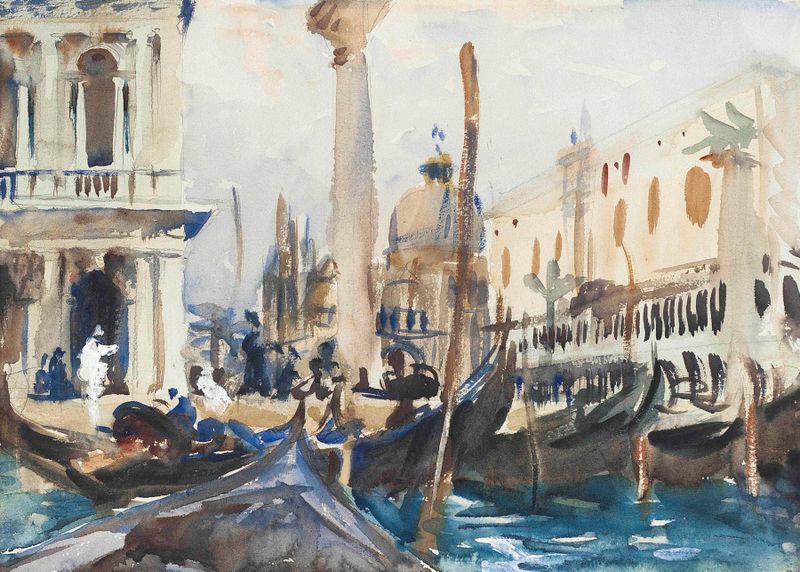
The Piazzetta with Gondolas
John Singer Sargent
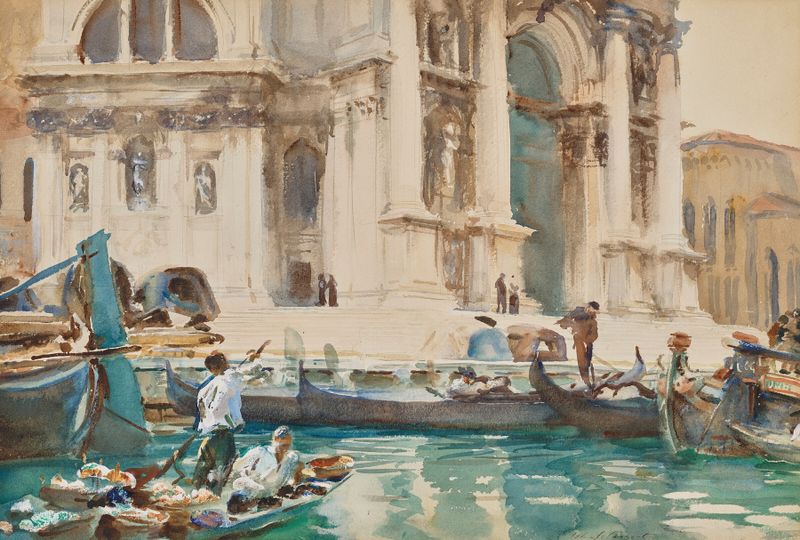
The Façade of La Salute, Venice
John Singer Sargent





