
Discover insights about this artwork
Reconciliation of the Romans and the Sabines — History & Facts
In Reconciliation of the Romans and the Sabines, Peter Paul Rubens presents a vibrant scene filled with dynamic figures and rich colors. The painting captures a moment of emotional intensity, where Romans and Sabines come together in a display of unity. The figures are depicted in various poses, showcasing their expressions of joy and relief.
The background features a lush landscape, enhancing the sense of drama and movement. The painting is executed in oil on canvas, a common medium for Rubens, allowing for rich color and texture. The dimensions are approximately 200 x 300 cm, making it a large-scale work that commands attention. Rubens' use of light and shadow creates depth, while the intricate details of the figures' clothing add to the overall richness of the scene.
The composition is dynamic, with swirling forms that guide the viewer's eye throughout the painting. Peter Paul Rubens was a prominent figure in the Baroque movement, known for his energetic compositions and vivid colors. Reconciliation of the Romans and the Sabines reflects his interest in themes of unity and conflict resolution. An interesting fact about this work is that it was inspired by the ancient Roman legend of the Sabine women, highlighting the importance of reconciliation in human relationships.
This painting showcases Rubens' ability to blend historical narrative with emotional depth.
More Artworks by Peter Paul Rubens
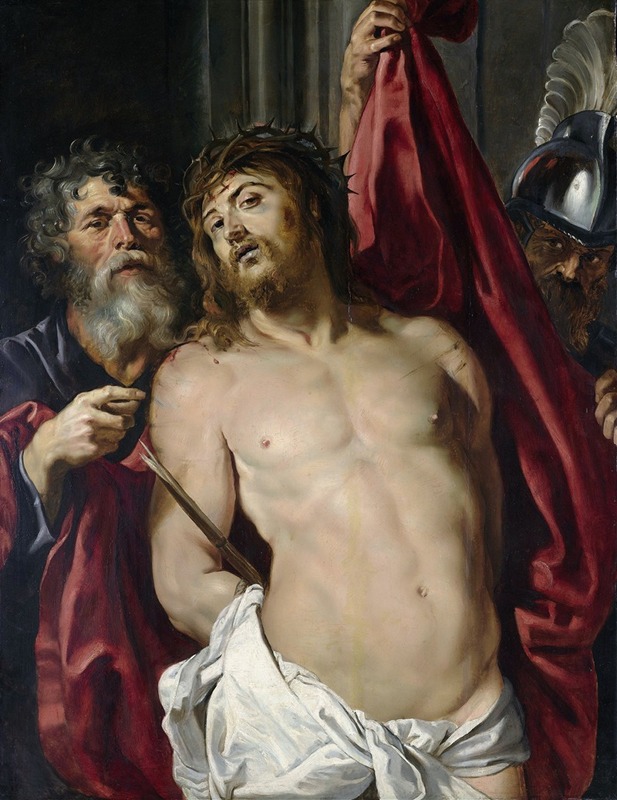
Ecce homo
Peter Paul Rubens
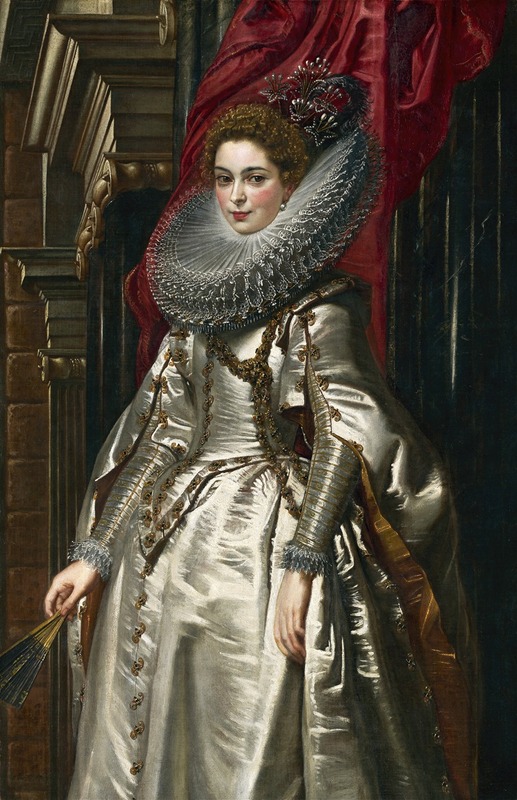
Marchesa Brigida Spinola Doria
Peter Paul Rubens
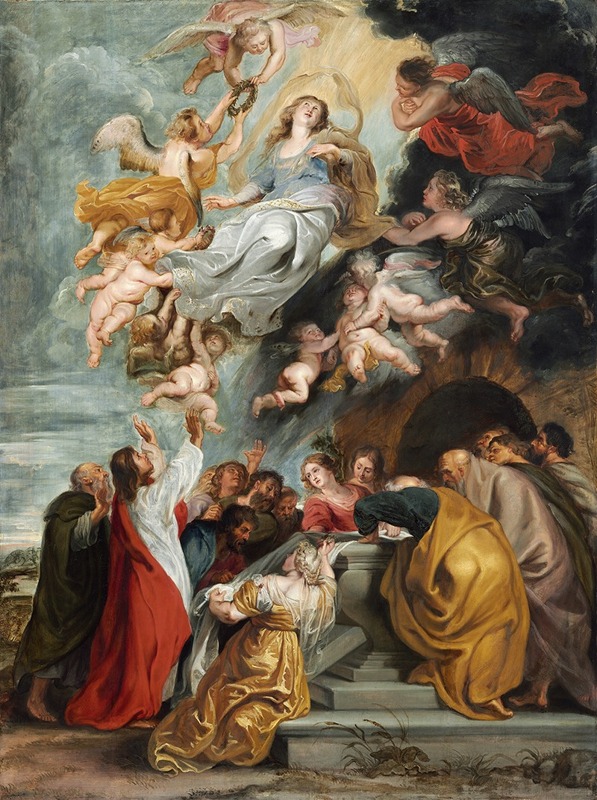
The Assumption of the Virgin
Peter Paul Rubens

Saint Teresa of Ávila Interceding for Souls in Purgatory
Peter Paul Rubens
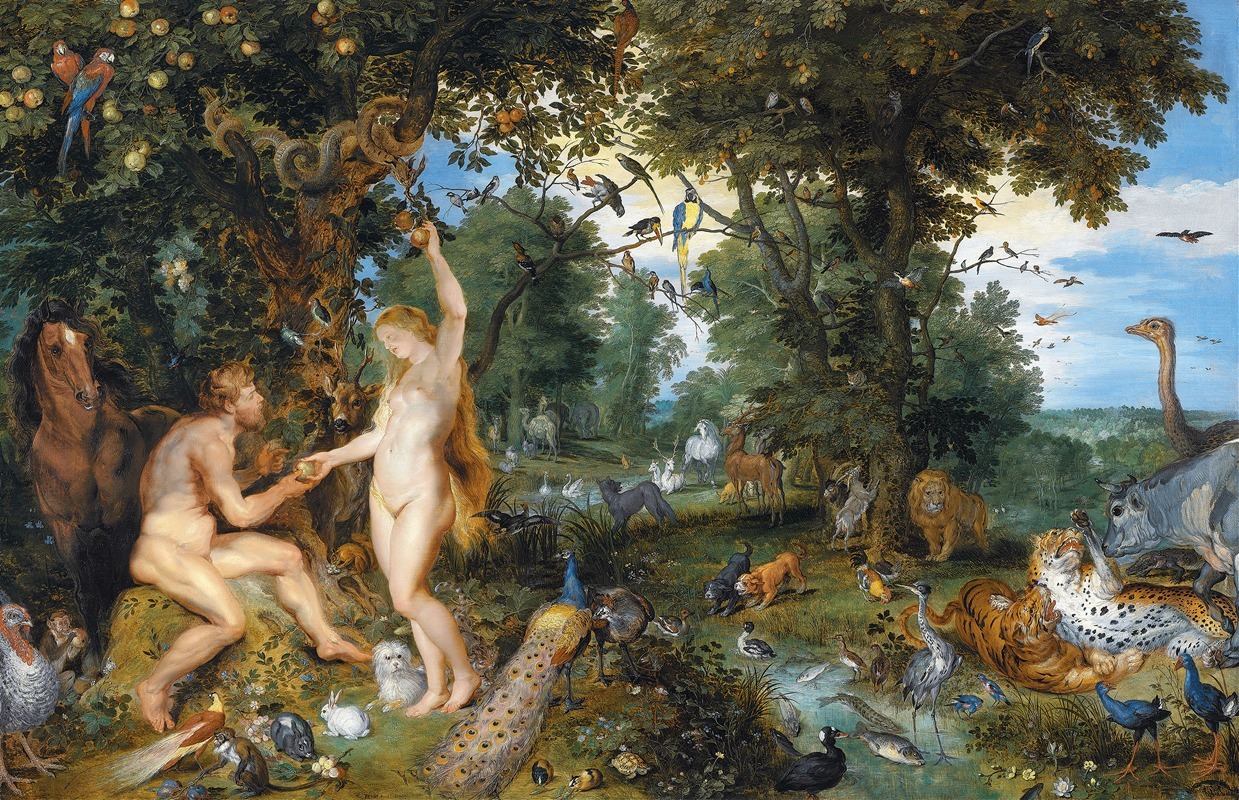
The Garden of Eden with the Fall of Man
Peter Paul Rubens
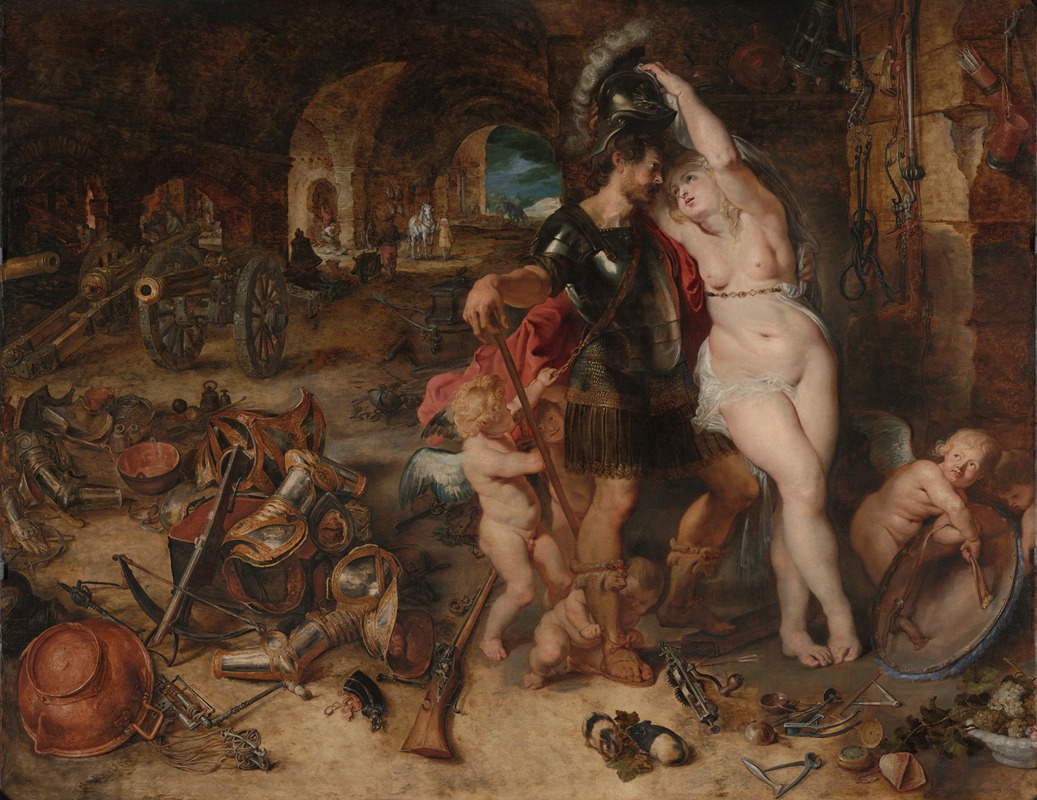
The Return From War,Mars Disarmed By Venus
Peter Paul Rubens
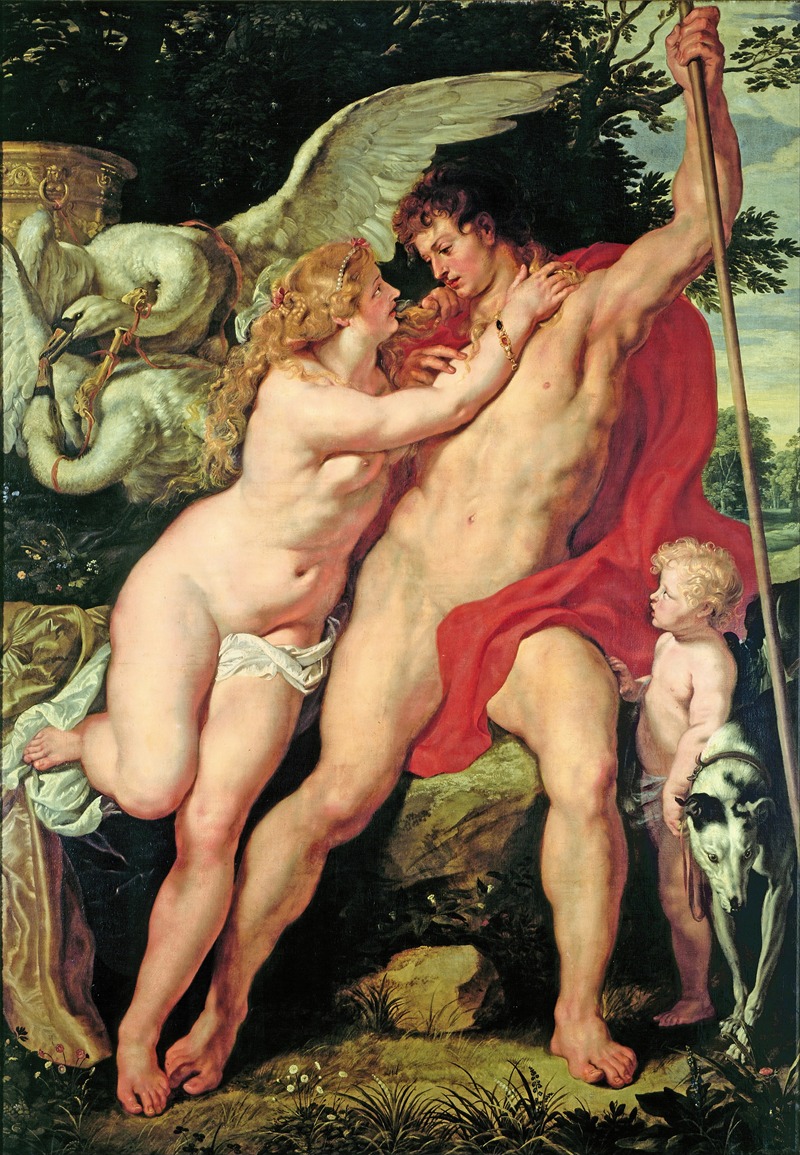
Venus and Adonis
Peter Paul Rubens
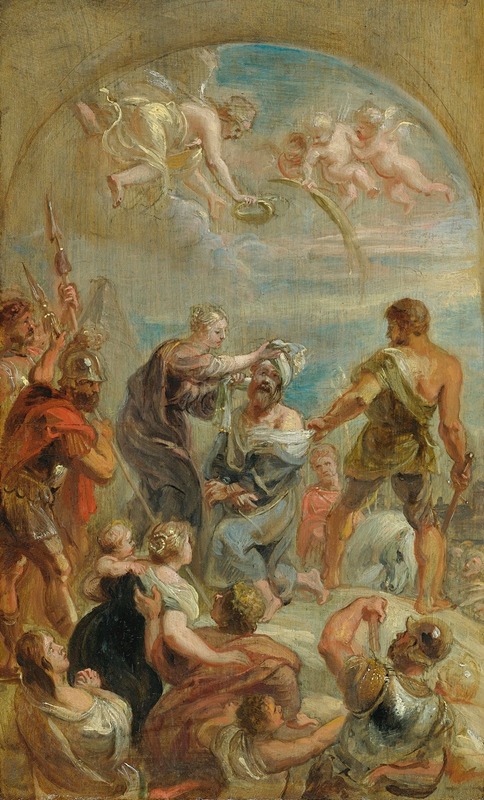
The Martyrdom Of Saint Paul
Peter Paul Rubens
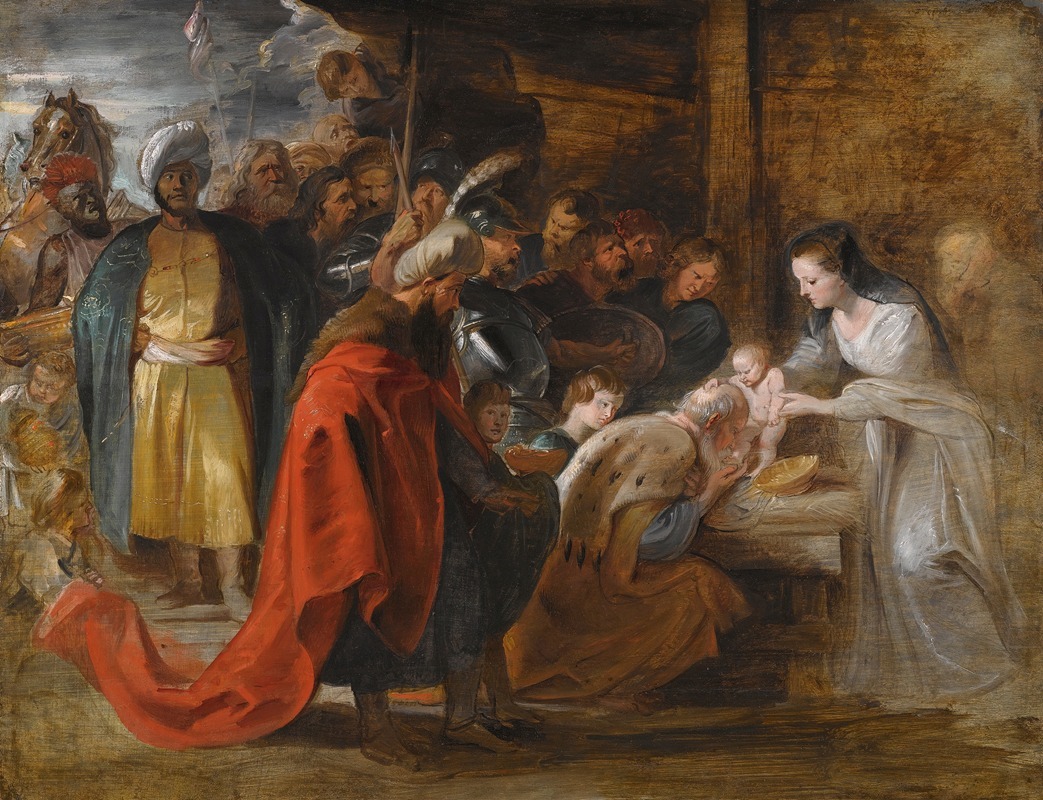
The Adoration Of The Magi
Peter Paul Rubens
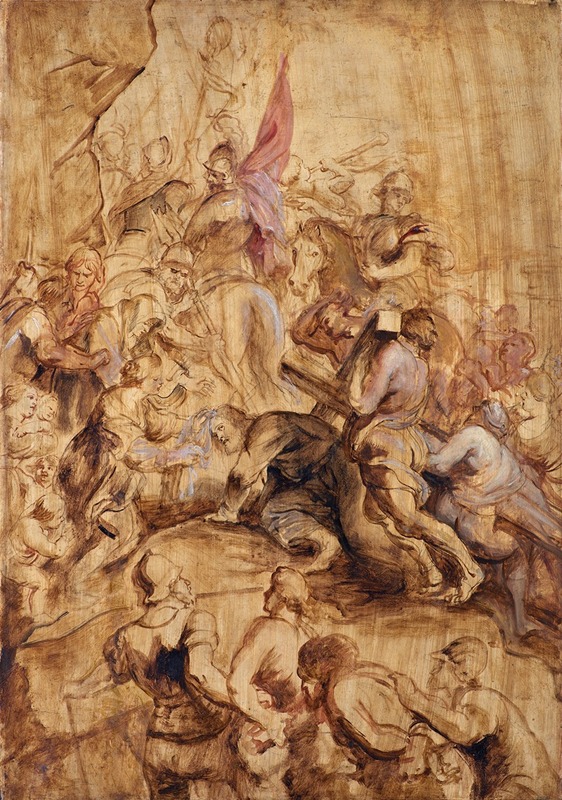
The Ascent to Calvary. The Bearing of the Cross
Peter Paul Rubens
More Historical Art
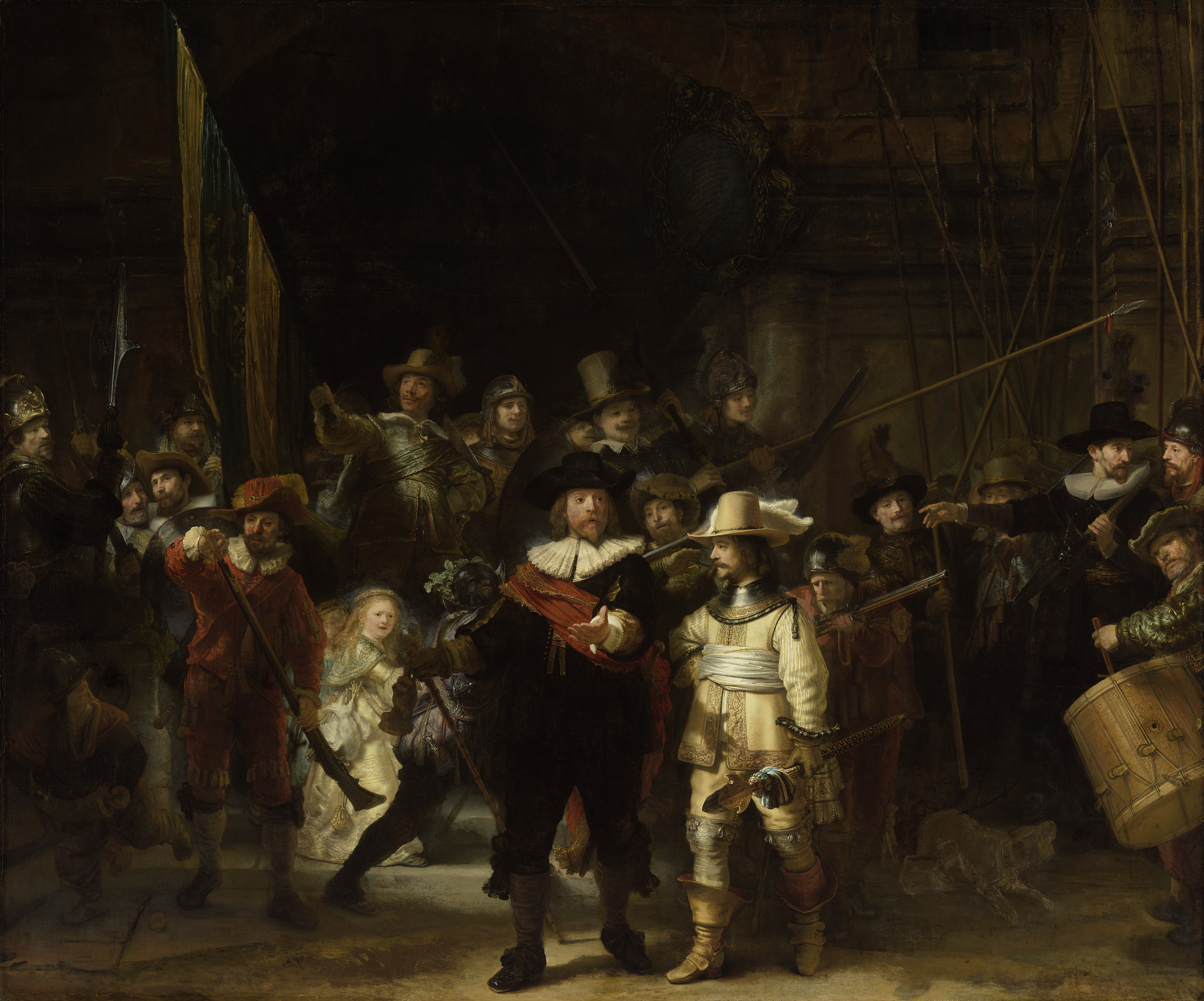
The Night Watch Militia Company of District II under the Command of Captain Frans Banninck Cocq
Rembrandt van Rijn
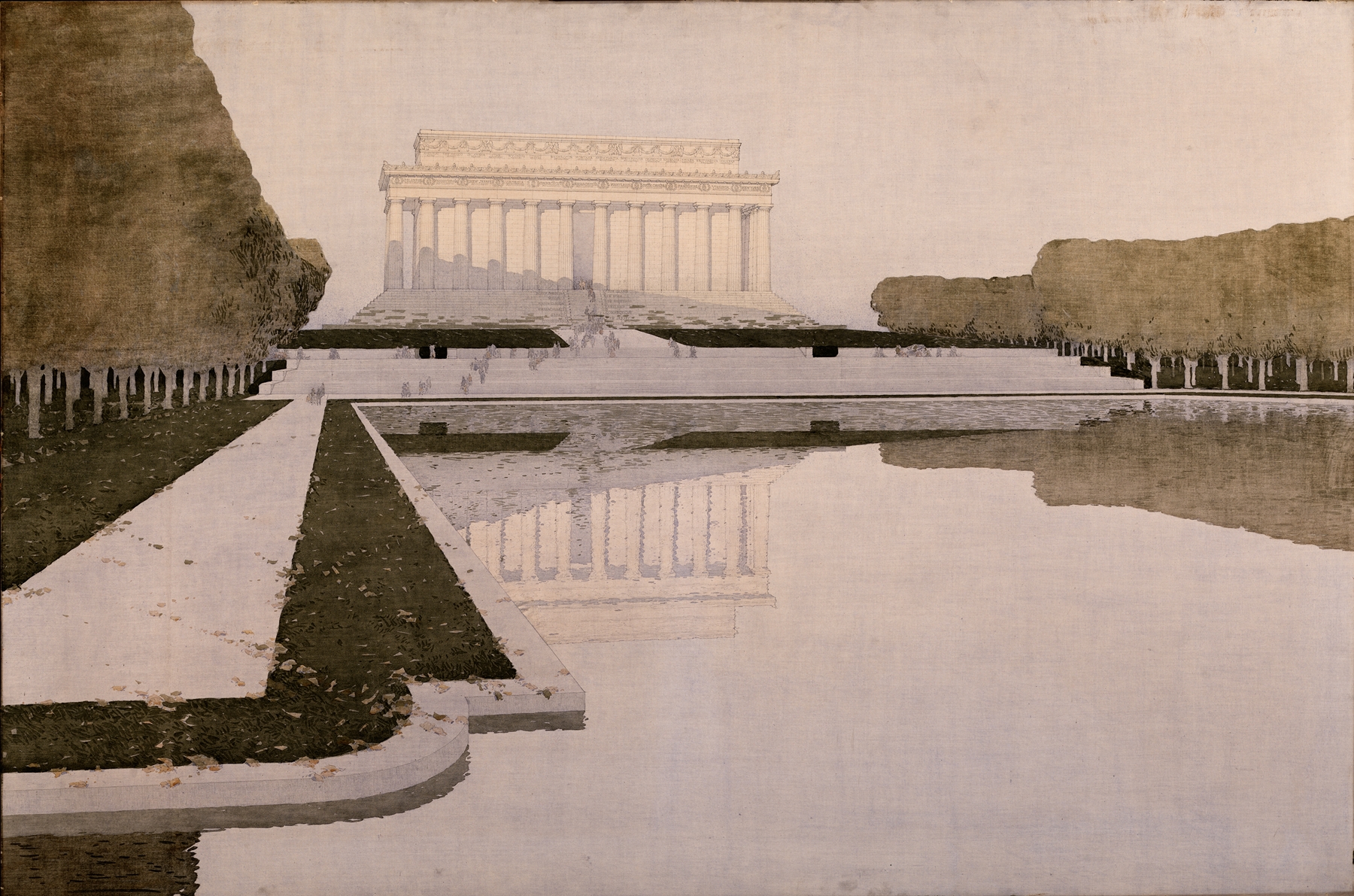
Lincoln Memorial
Henry Bacon
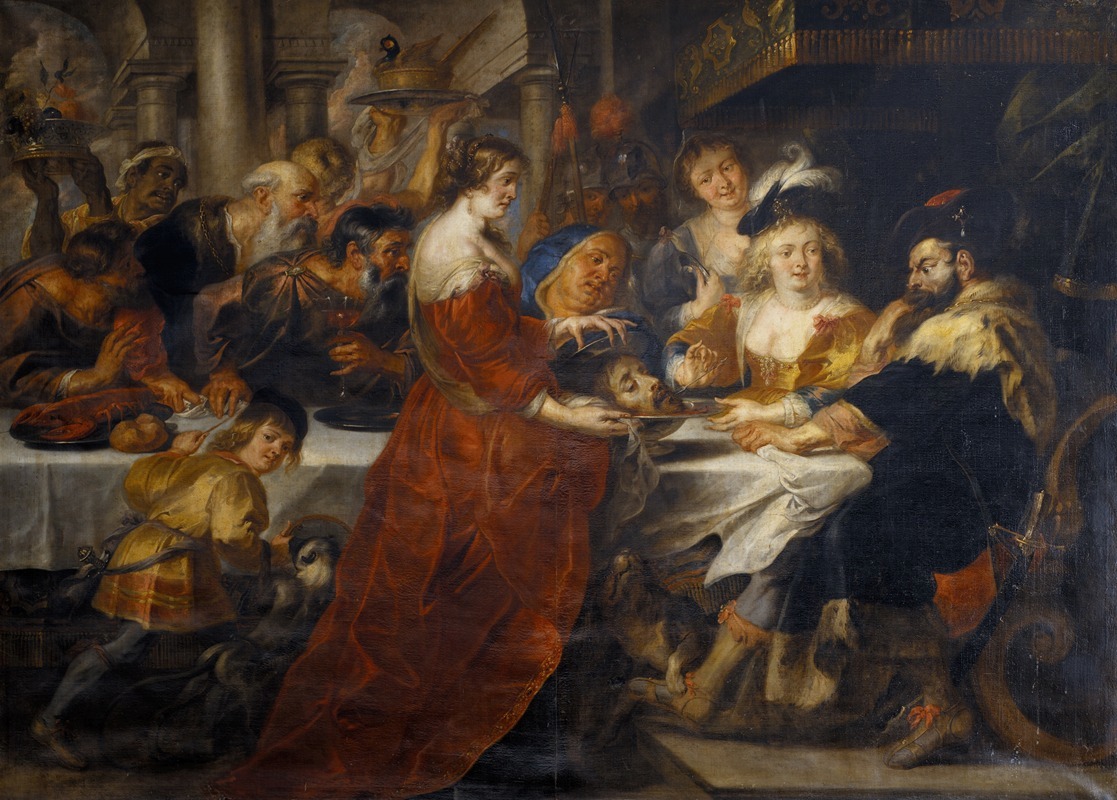
The Feast of Herod. Salome Bringing the Head of St John the Baptist on a Charger
Peter Paul Rubens
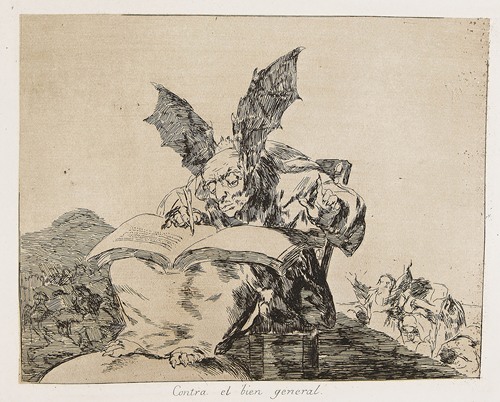
Los desastres de la guerra
Francisco de Goya
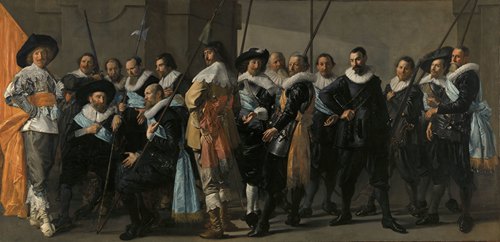
Militia Company of District XI under the Command of Captain Reynier Reael, Known as ‘The Meagre Company’
Frans Hals
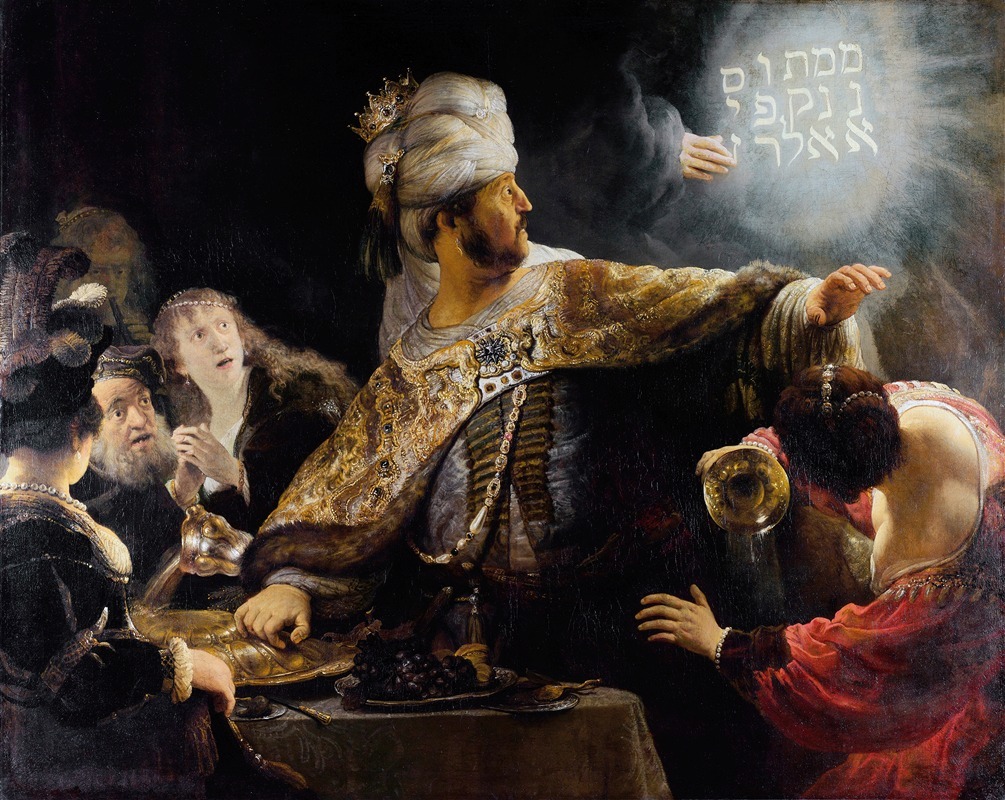
Belshazzar’s feast
Rembrandt van Rijn