
Red Flamingoes, study for book Concealing Coloration in the Animal Kingdom — History & Facts
What first catches the eye in this study is not the familiar elegance of flamingoes, but the bold, almost abstract sweep of orange that seems to hover and bleed into the canvas. There is a sense of movement and unity—bodies pressed together, necks arched in a rhythm that feels both natural and strange. The artist’s brushwork is broad and urgent, dissolving the boundaries between bird and background, as if the flamingoes are both present and vanishing at once.
The dark, textured strokes below anchor the composition, suggesting water or reeds, but never quite resolving into detail. Instead, the focus remains on the interplay of color and form, with the birds’ bodies merging into a single, luminous band. Created between circa 1905 and circa 1909, this work belongs to a period when artists and naturalists alike were fascinated by the mysteries of animal camouflage and adaptation. Abbott Handerson Thayer—known for his theories on “concealing coloration”—used studies like this for his influential book on the subject, seeking to show how nature’s palette could both reveal and disguise.
The painting now resides in the collection of the Smithsonian American Art Museum, a rare survivor from a time when science and art often walked hand in hand. History has kept few traces of the many studies that shaped Thayer’s ideas, but this vivid fragment invites us to look again, to see not just birds, but the restless search for meaning in color and shape.
More Artworks by Abbott Handerson Thayer
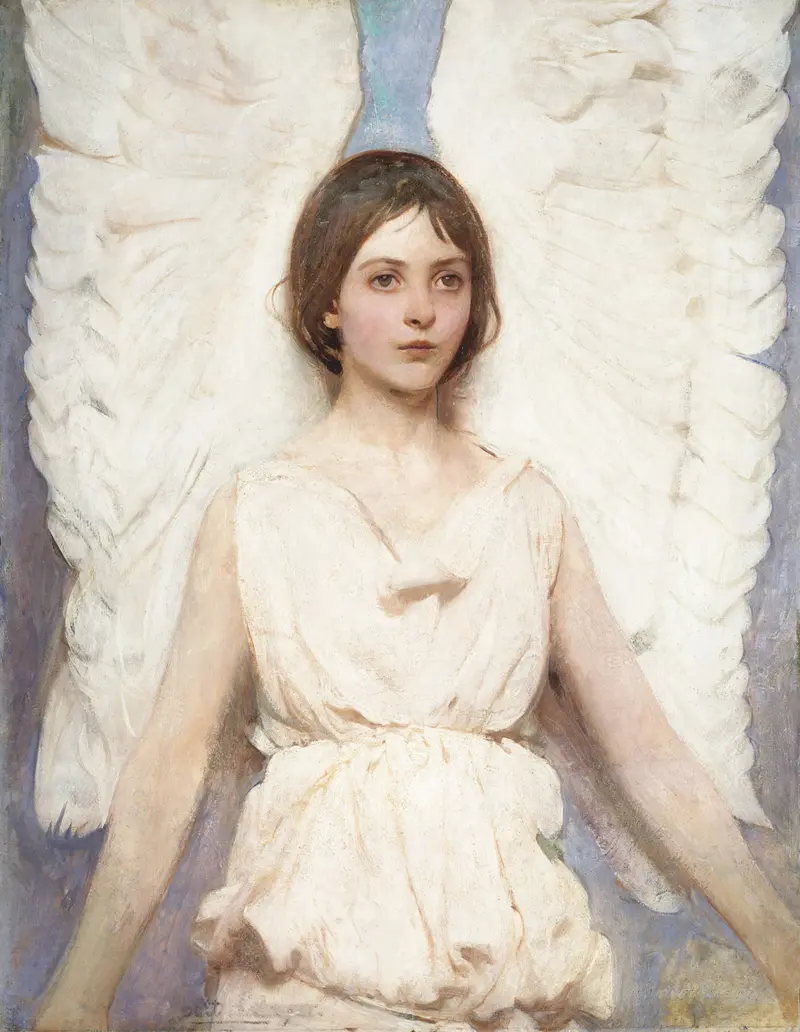
Angel
Abbott Handerson Thayer

Mount Monadnock
Abbott Handerson Thayer
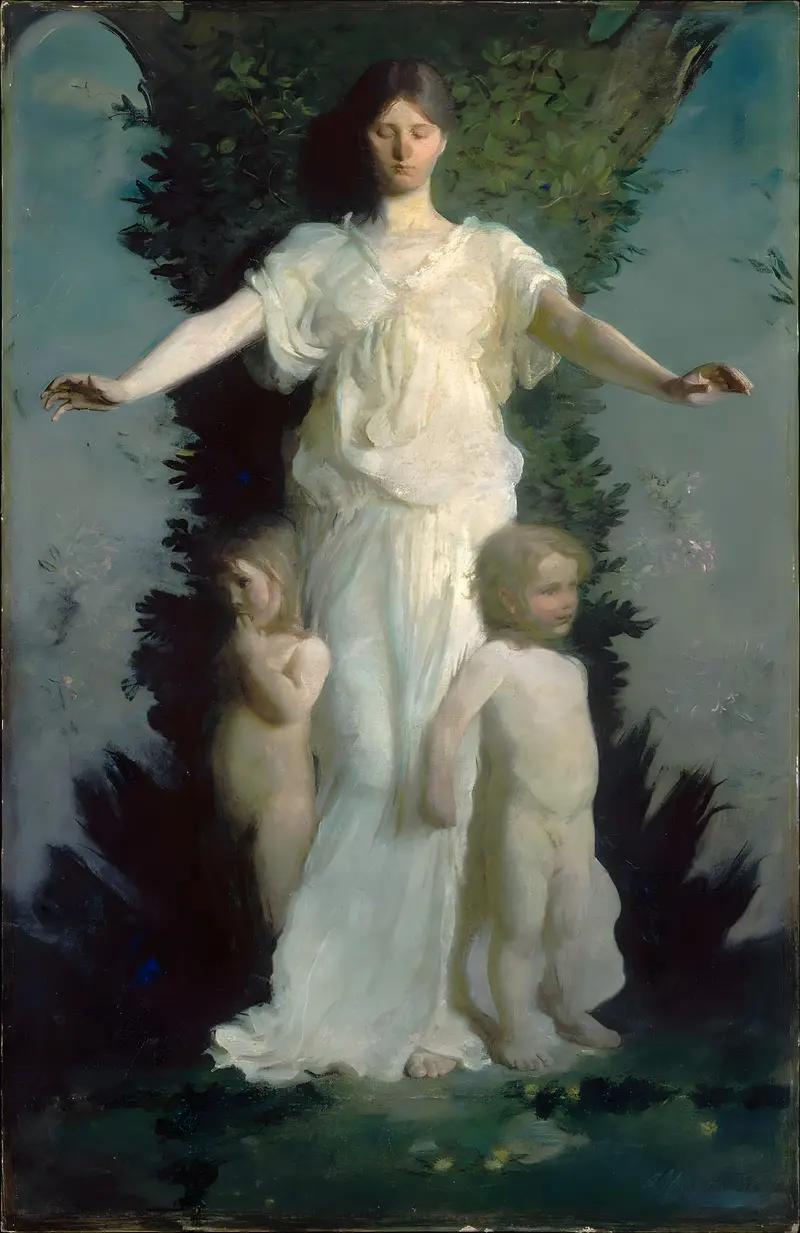
Caritas
Abbott Handerson Thayer

Winter, Monadnock
Abbott Handerson Thayer
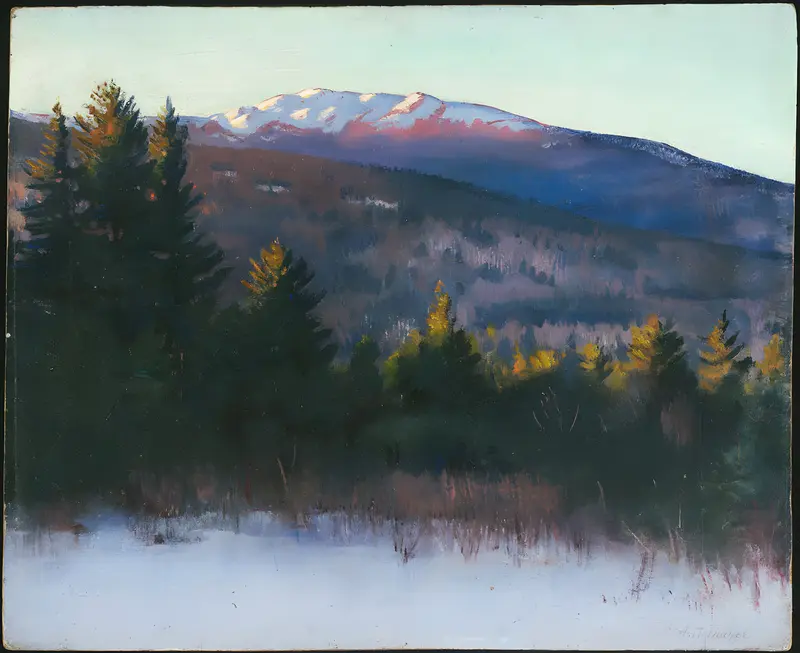
Mount Monadnock
Abbott Handerson Thayer
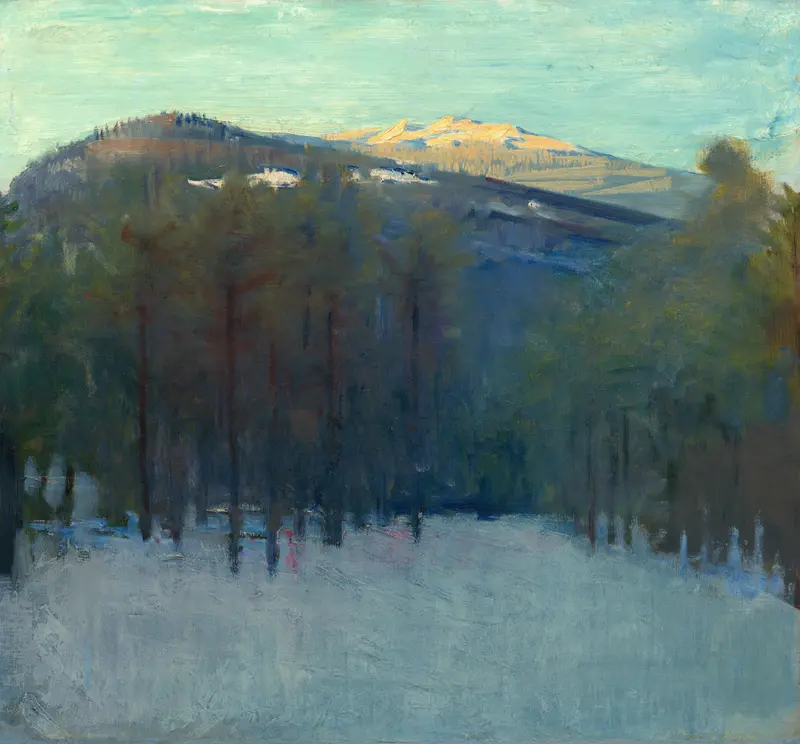
Mount Monadnock
Abbott Handerson Thayer
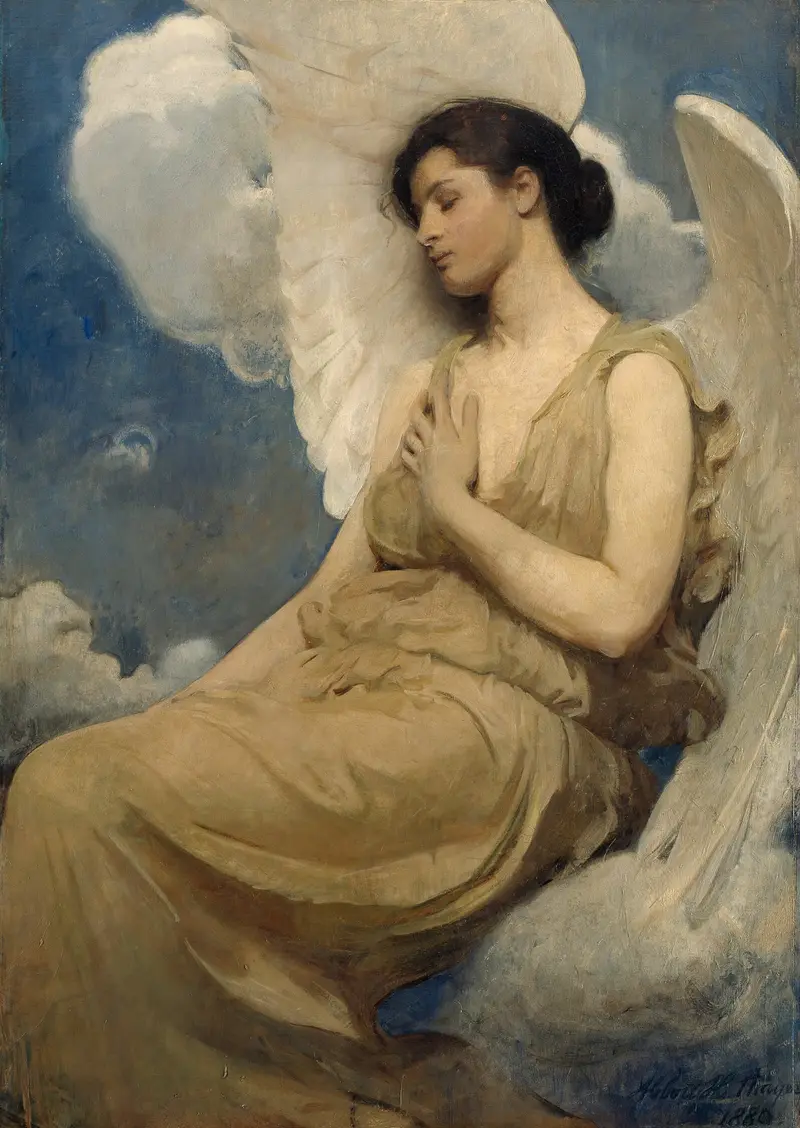
Winged Figure
Abbott Handerson Thayer
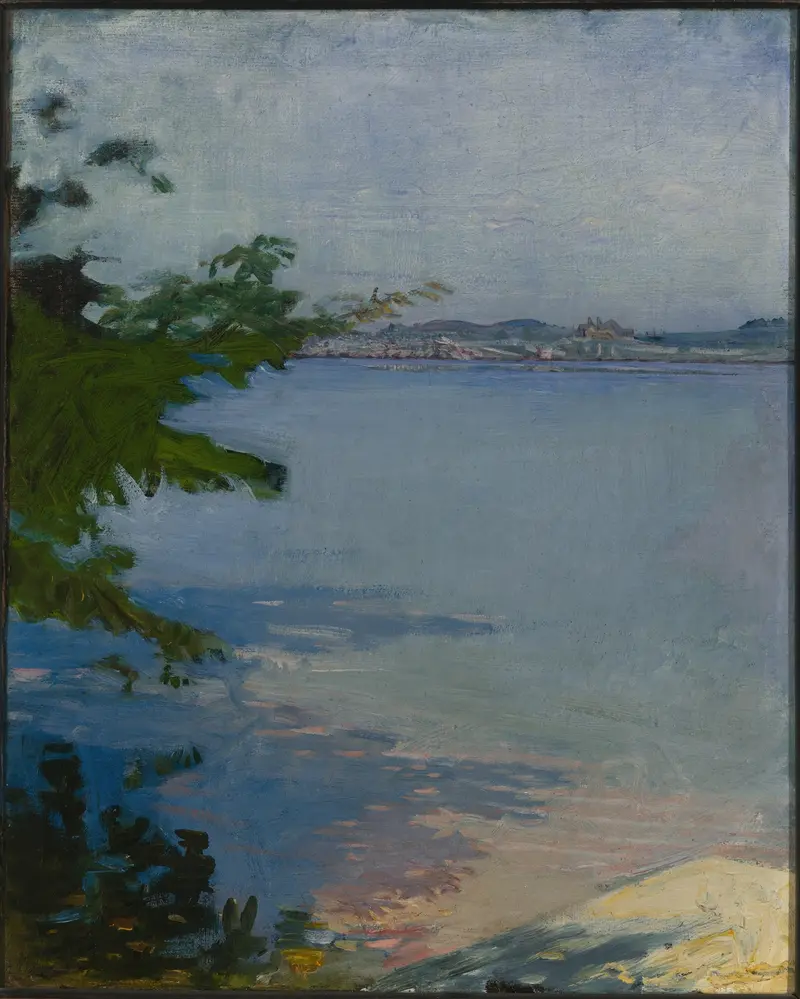
Dublin Pond, New Hampshire
Abbott Handerson Thayer
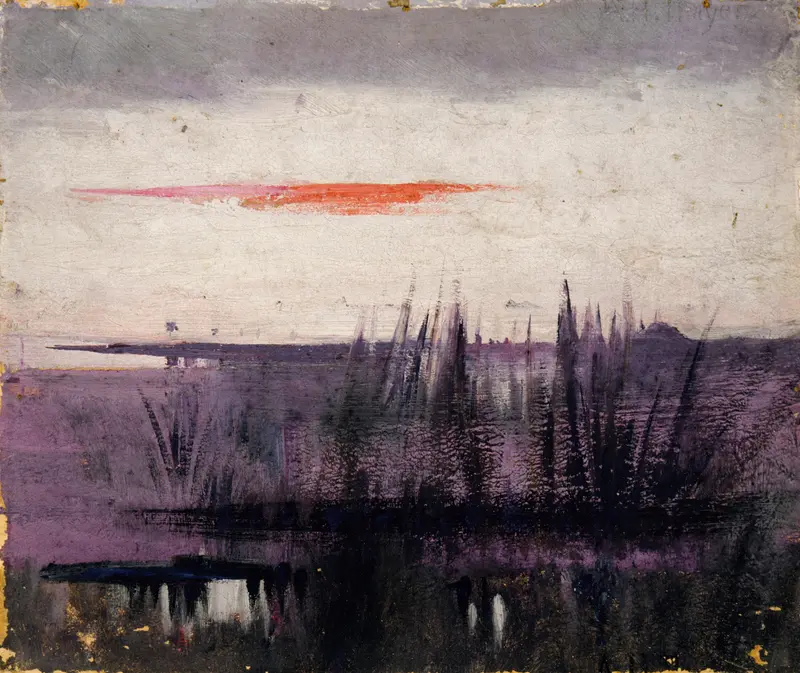
The Sky Simulated By White Flamingoes Study For Book, Concealing Coloration In The Animal Kingdom
Abbott Handerson Thayer
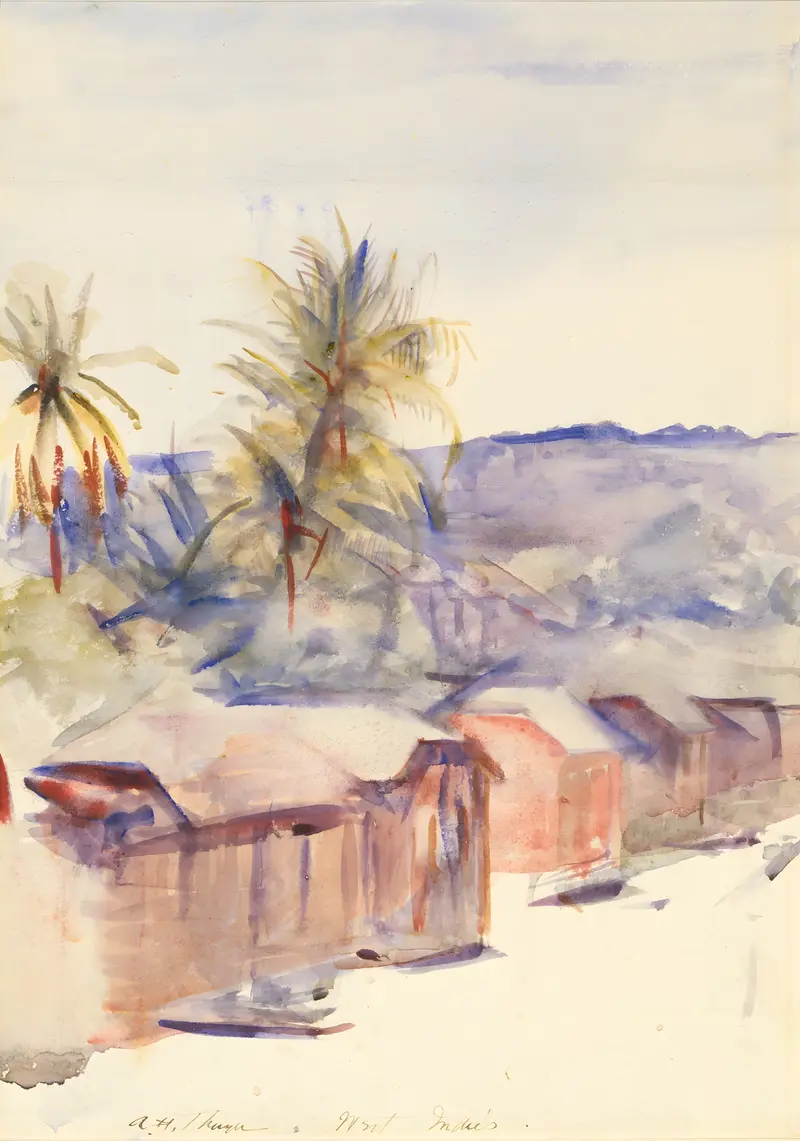
Village Street, Dominica
Abbott Handerson Thayer





