
Rednal Wood — History & Facts
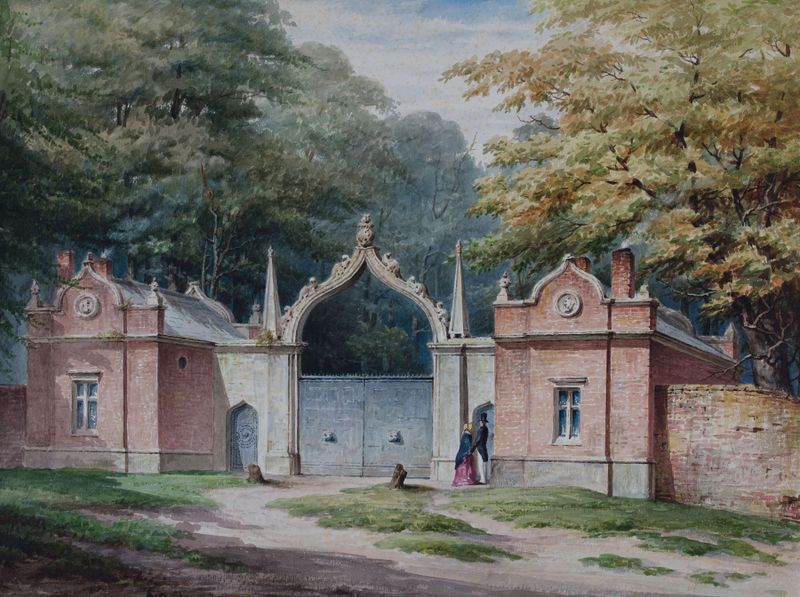
Could beauty survive in a century of chaos? In the heart of Rednal Wood, a delicate balance of truth and tranquility unfolds amidst nature’s embrace, inviting viewers to find solace within its intricate details. Focus on the center of the canvas, where the interplay of light and shadow draws your gaze to a serene clearing: a sanctuary of greens and browns. Notice how the dappled sunlight filters through the dense canopy above, creating a patchwork of illumination that breathes life into the scene. Walton's meticulous brushstrokes capture the texture of each leaf and the gentle sway of the underbrush, while the rich earth tones and soft blues evoke a sense of harmony, suggesting a world untouched by turmoil. Yet, upon closer reflection, there is an underlying tension in this idyllic portrayal.
The vibrant hues of the foliage contrast with the darker tones lurking at the edges, hinting at the chaos that lies beyond the trees. The stillness of the setting belies an awareness of the encroaching industrial age, where nature’s beauty stands as both a refuge and a witness to impending change. Each element in the painting resonates with an awareness of fleeting moments—ephemeral yet eternally cherished. Created between 1850 and 1880, this work emerged during a time of significant transformation in Britain, as the Industrial Revolution significantly altered landscapes and society.
Walton, an artist deeply connected to the Romantic tradition, sought to capture the essence of nature while reflecting the struggles and aspirations of his era. In an age veering towards chaos, his depiction of Rednal Wood becomes a poignant reminder of the beauty that persists, quietly holding its ground against the tide of change.
More Artworks by Elijah Walton
Browse all →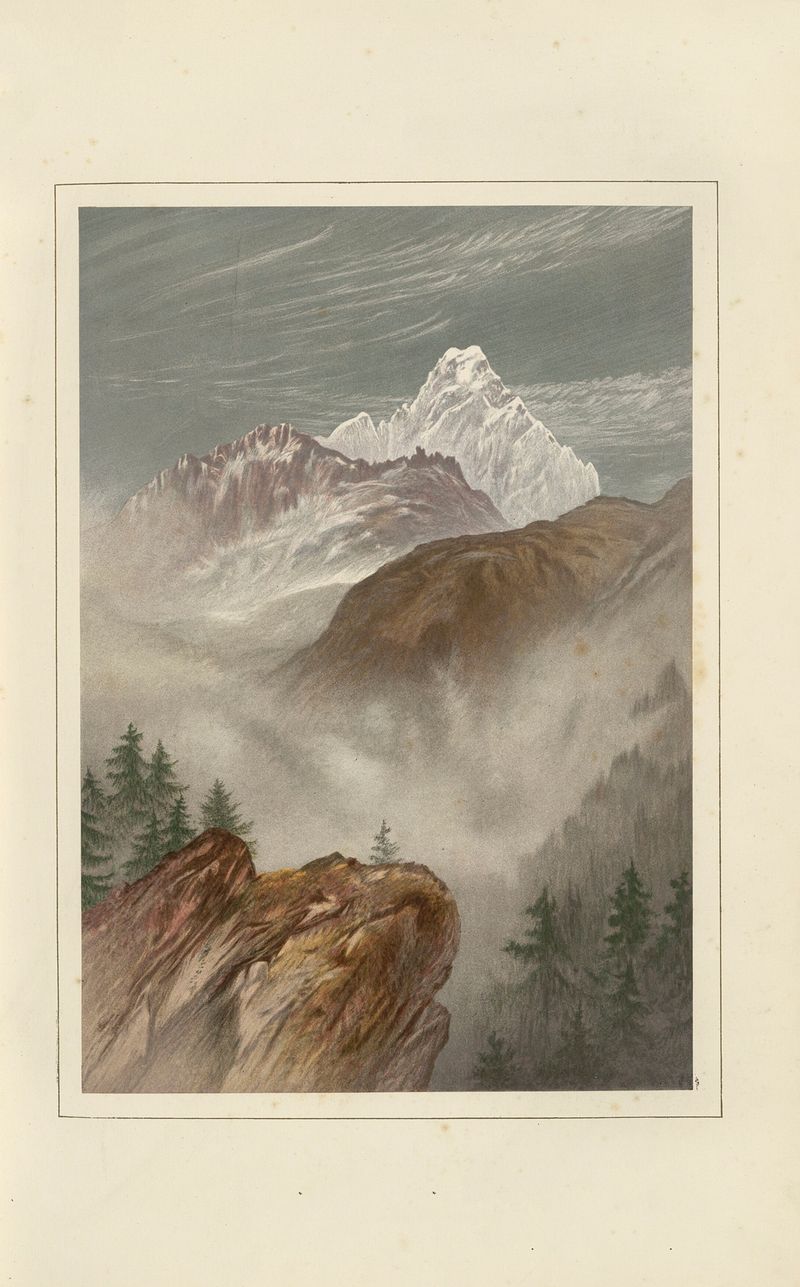
Monte Viso, from the south
Elijah Walton

The Matterhorn
Elijah Walton

The Gorner glacier
Elijah Walton

The Cascade de Roget and the Pointe de Salles
Elijah Walton
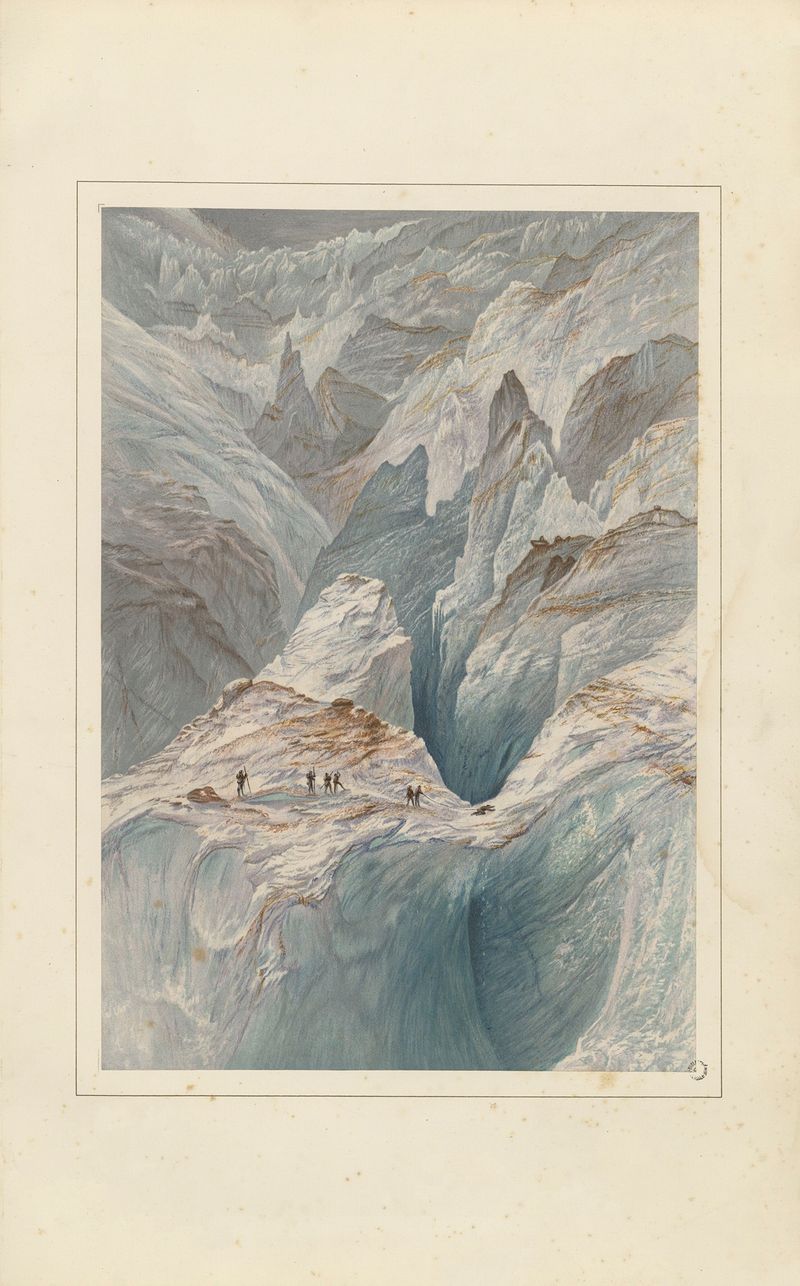
Crevasses on the Mer de Glace
Elijah Walton
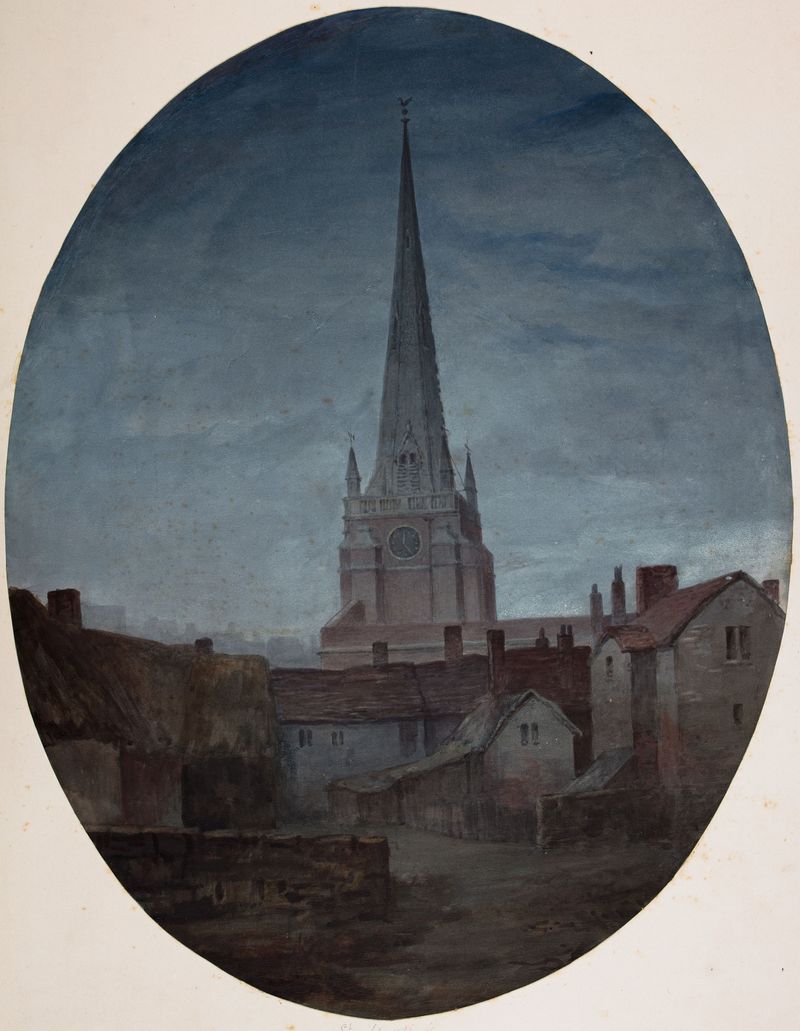
St Martin’s Church Birmingham, By Night
Elijah Walton

The Weisshorn, from near St. Niklaus
Elijah Walton

Monte Viso, from the Col de La Croix
Elijah Walton
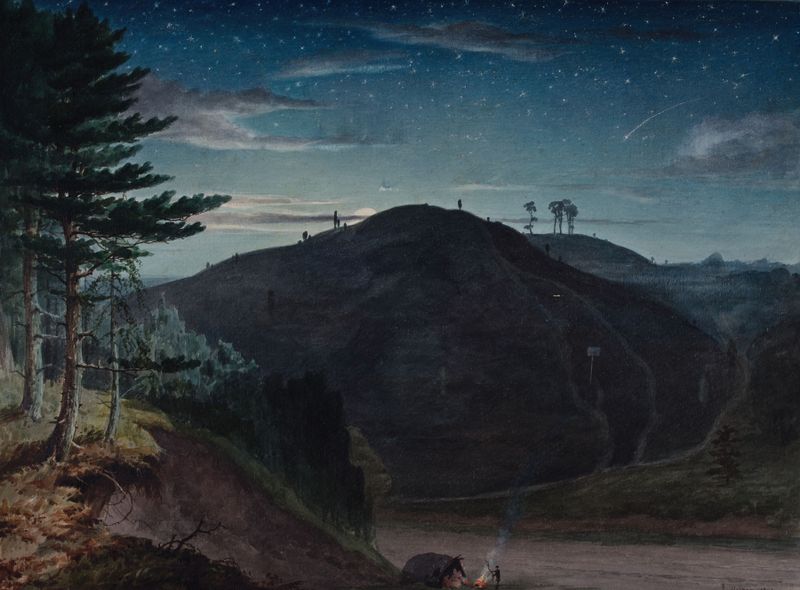
Cofton From Rednal, Moonlight
Elijah Walton
Lodge Gates, Entrance To Aston Hall
Elijah Walton





