
Reed — History & Facts
In a world on the brink of revolution, the intersection of beauty and despair reveals itself in profound ways. Focus on the delicate strokes of the reeds that dominate the canvas, swaying gently against a backdrop of muted earth tones. As light filters through the foliage, it casts a warm glow that invites the viewer’s gaze deeper into the scene. Notice how the intricate detailing in the leaves contrasts with the soft blending of the sky, creating a harmonious yet unsettling balance.
The composition draws you inward, encouraging contemplation of what lies beyond the visible. Böcklin masterfully juxtaposes tranquility and tension, evoking a sense of unease beneath the surface beauty. The reeds, often symbols of resilience, also embody fragility; they sway, yet remain tethered, reflecting a society caught between the desire for change and the fear of the unknown. The golden hues suggest a veneer of hope, but upon closer inspection, one can feel the ominous weight of impending conflict, the revolution that stirs just out of sight. In 1845, Böcklin was living in Switzerland, a period marked by political unrest and artistic exploration.
Emerging from the Romantic movement, he sought to capture the emotional depths of nature and humanity. His works during this time reflect a growing interest in symbolism, striving to convey the complexity of inner experiences against a backdrop of societal upheaval.
More Artworks by Arnold Böcklin
Browse all →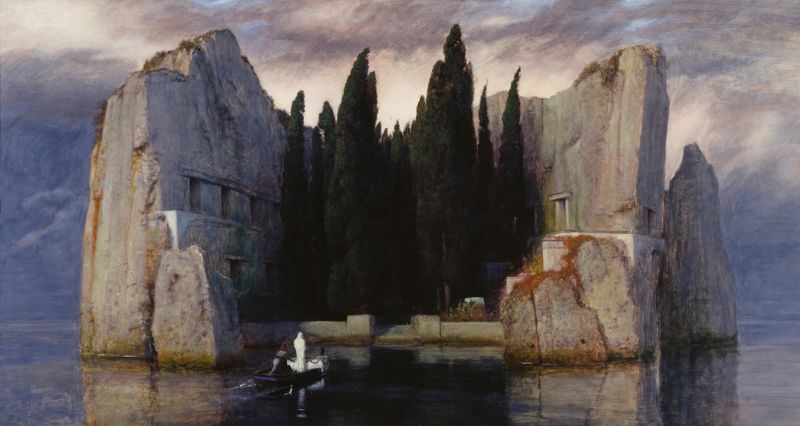
Die Toteninsel III
Arnold Böcklin
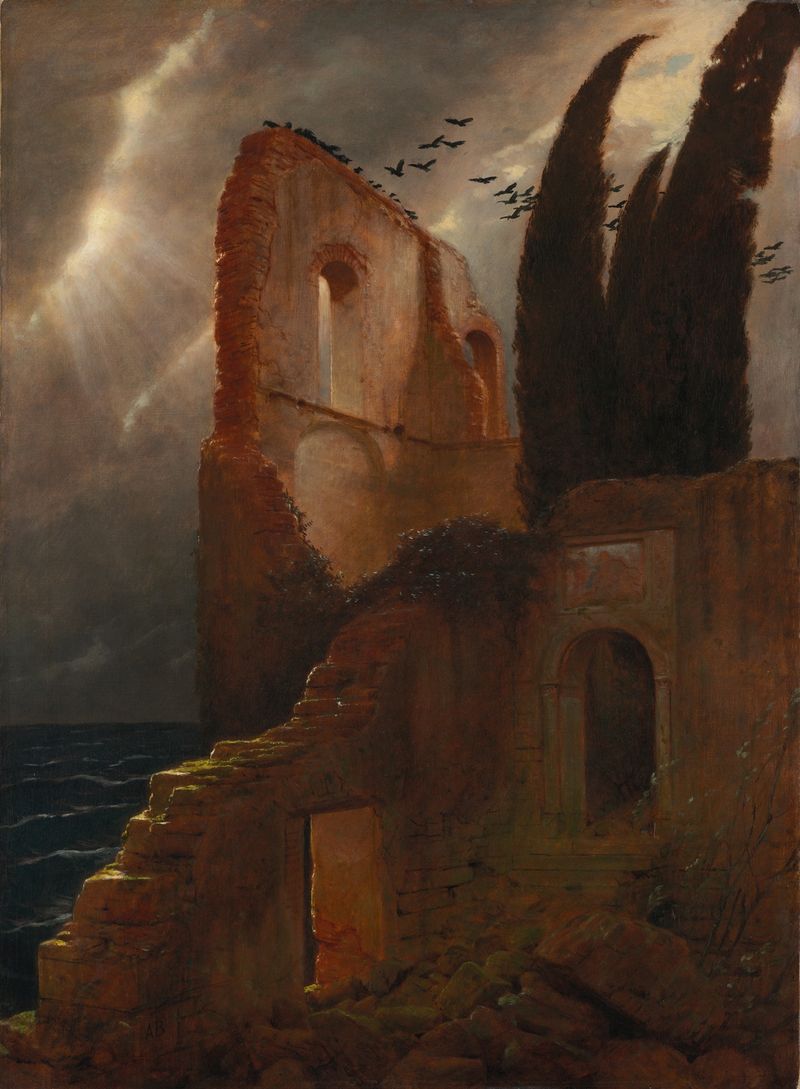
Ruin by the Sea
Arnold Böcklin
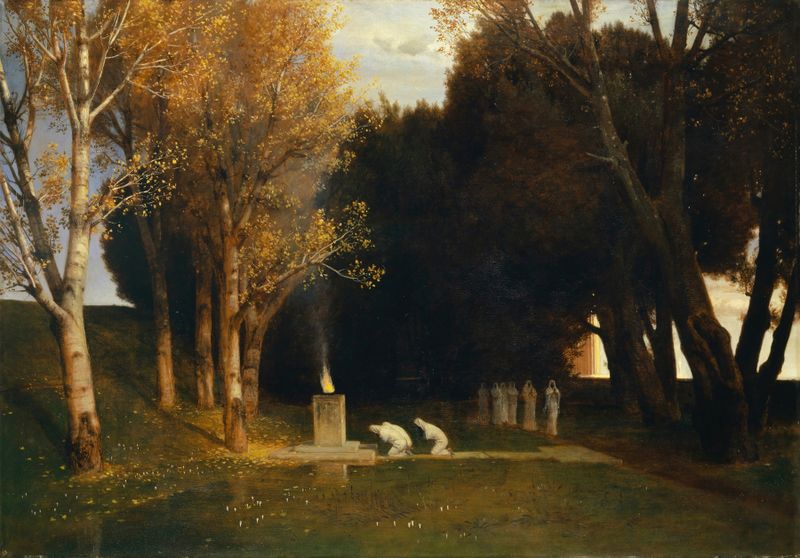
The Sacred Grove
Arnold Böcklin
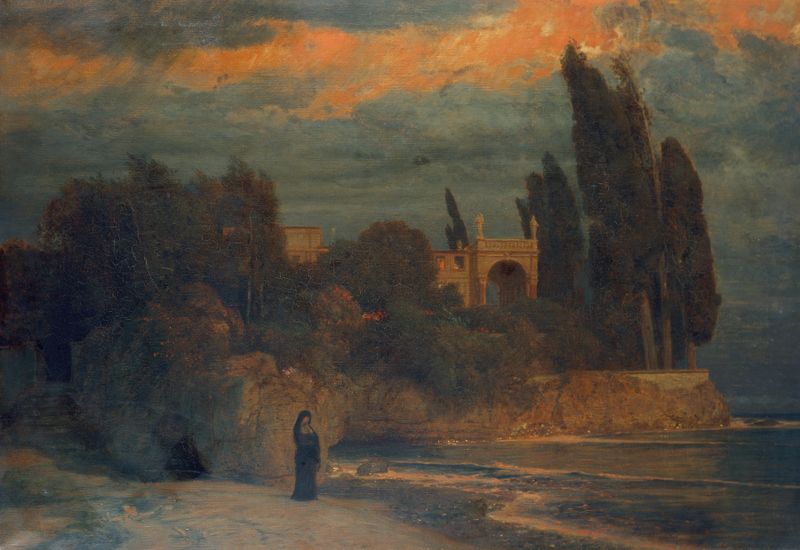
Villa by the Sea
Arnold Böcklin
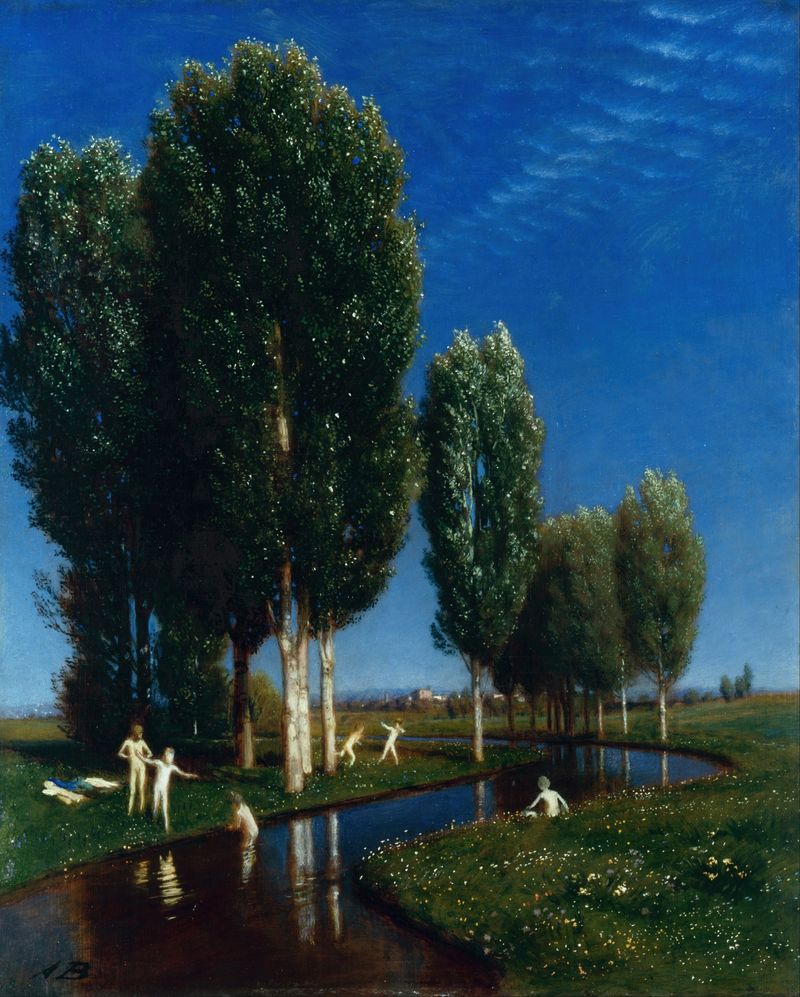
Summer Day
Arnold Böcklin
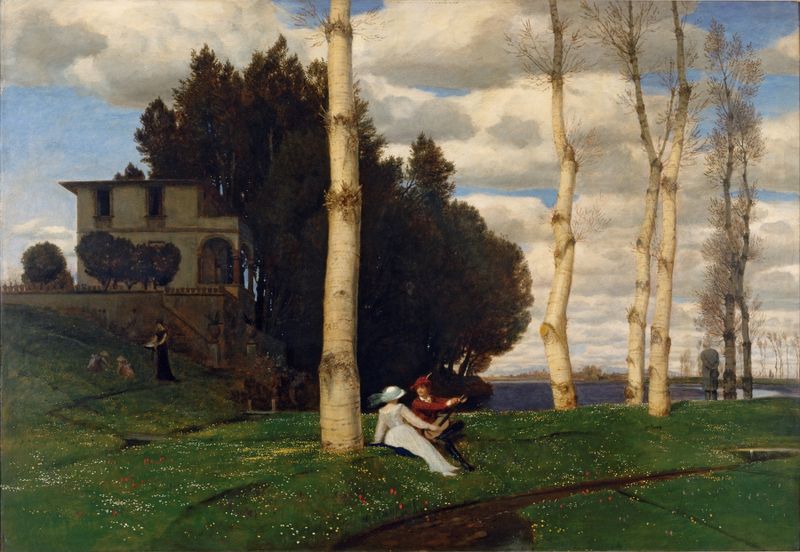
Spring Day (The Three Life Ages)
Arnold Böcklin
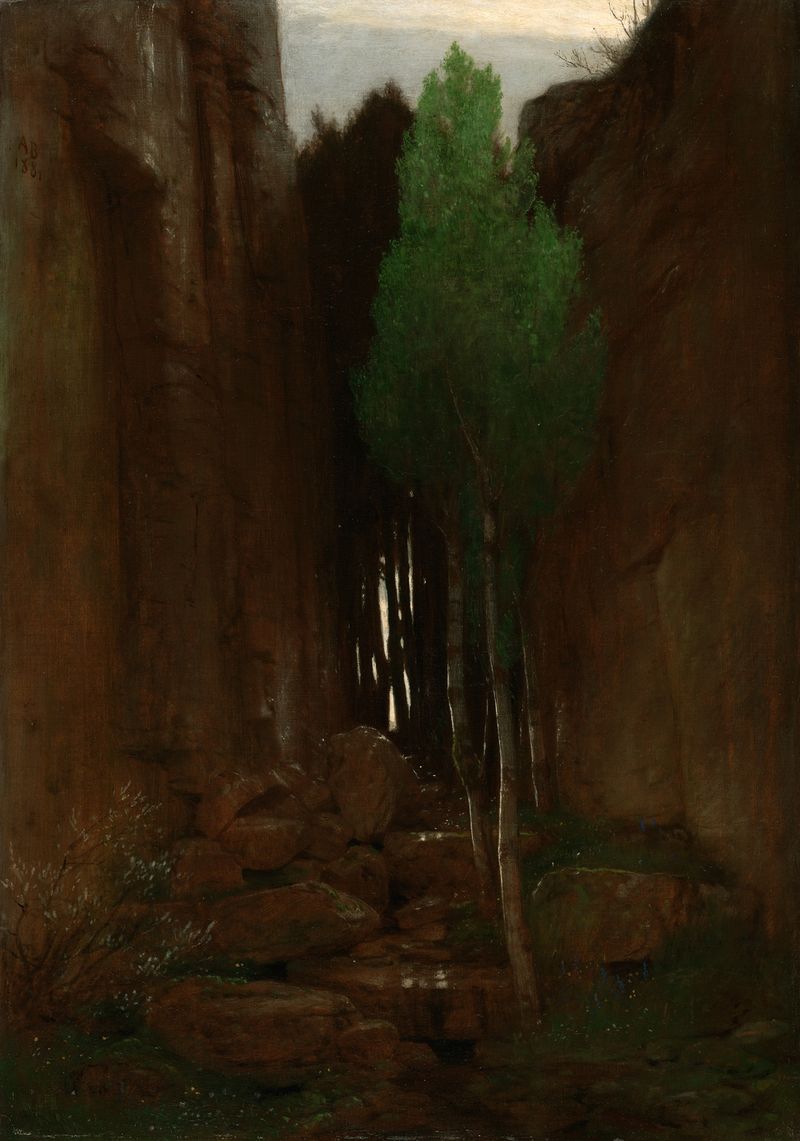
Spring in a Narrow Gorge (Quell in einer Felsschluct)
Arnold Böcklin
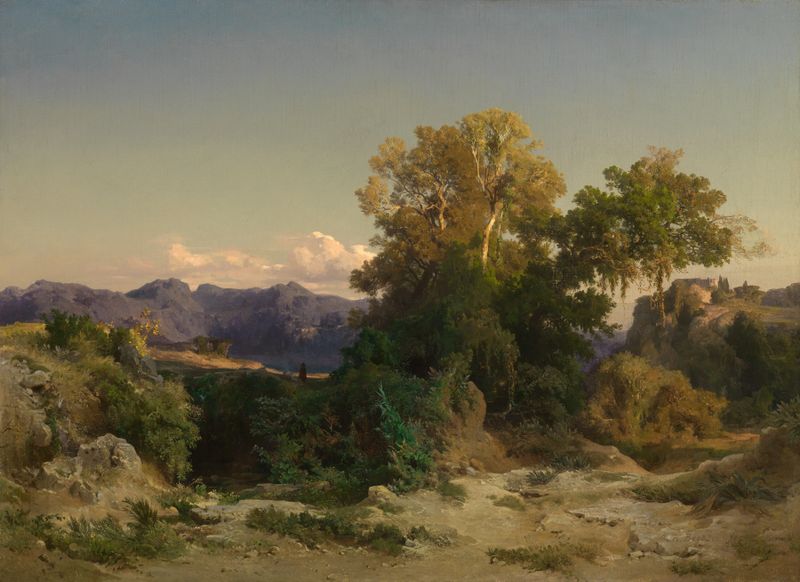
Landscape in the Roman Campagna
Arnold Böcklin
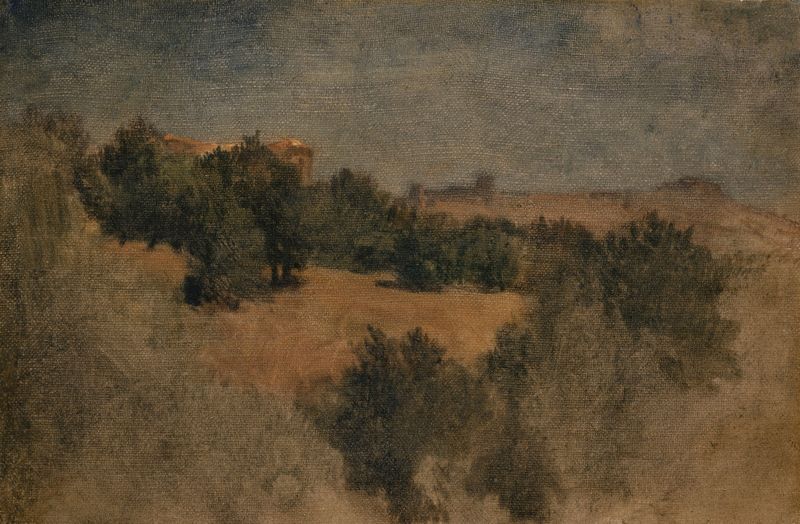
Landscape near Palestrina
Arnold Böcklin
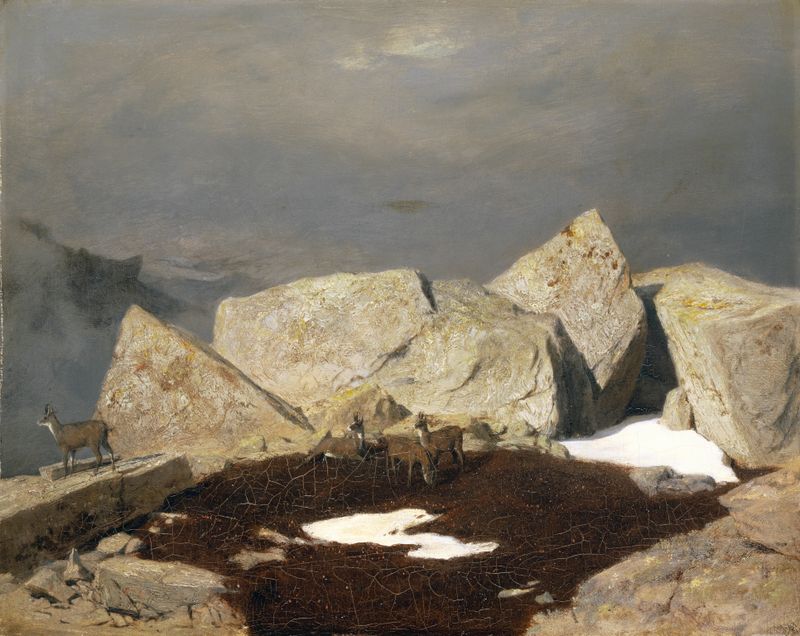
High Mountain Landscape With Chamois
Arnold Böcklin





