
Reflections on Sheepscott — History & Facts
What secret hides in the quiet of the canvas? In Reflections on Sheepscott, light dances across the water’s surface, whispering untold stories of nature and introspection. Look to the center where the shimmering reflections ripple delicately, capturing the surrounding landscape in a liquid embrace. The artist uses a muted palette of greens and blues, creating a serene atmosphere that invites contemplation. Notice how the soft brushstrokes blend seamlessly, allowing the viewer to almost feel the coolness of the water and the gentle caress of the breeze.
The composition is anchored by the subtle interplay of shadow and illumination, drawing the eye toward the horizon where the sky meets the water. In this tranquil scene, contrasts abound: the stillness of the water against the fleeting forms of trees and clouds, hinting at the passage of time and the transient nature of life itself. The absence of human figures echoes a sense of solitude, while the soft light suggests a moment of reflection and peace. Each element, from the rippling surface to the muted colors, speaks to the inner dialogues that often accompany quiet moments in nature. Ernest Haskell painted Reflections on Sheepscott between 1900 and 1925, a period marked by his deep engagement with the American landscape.
At this time, he was immersed in the evolving art scene of New England, influenced by both Impressionism and the burgeoning American modernist movement. His focus on capturing the essence of natural beauty showcases his dedication to the interplay of light and form, a hallmark of his artistic vision.
More Artworks by Ernest Haskell
Browse all →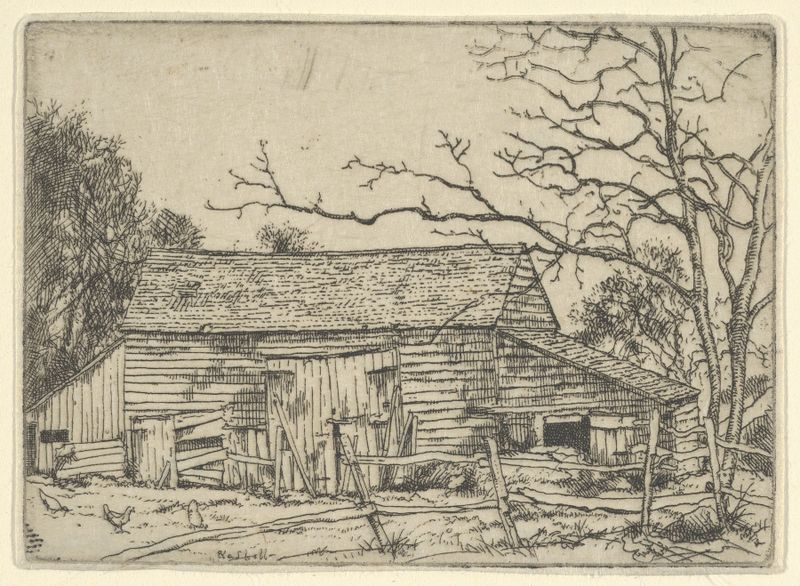
The Barn–Staten Island, N.Y.
Ernest Haskell

Four Live Oaks
Ernest Haskell
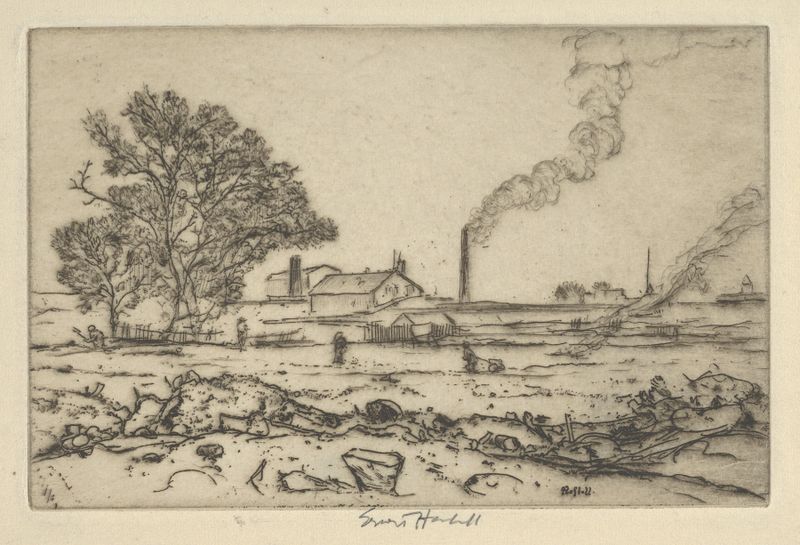
Outskirts of Boston
Ernest Haskell
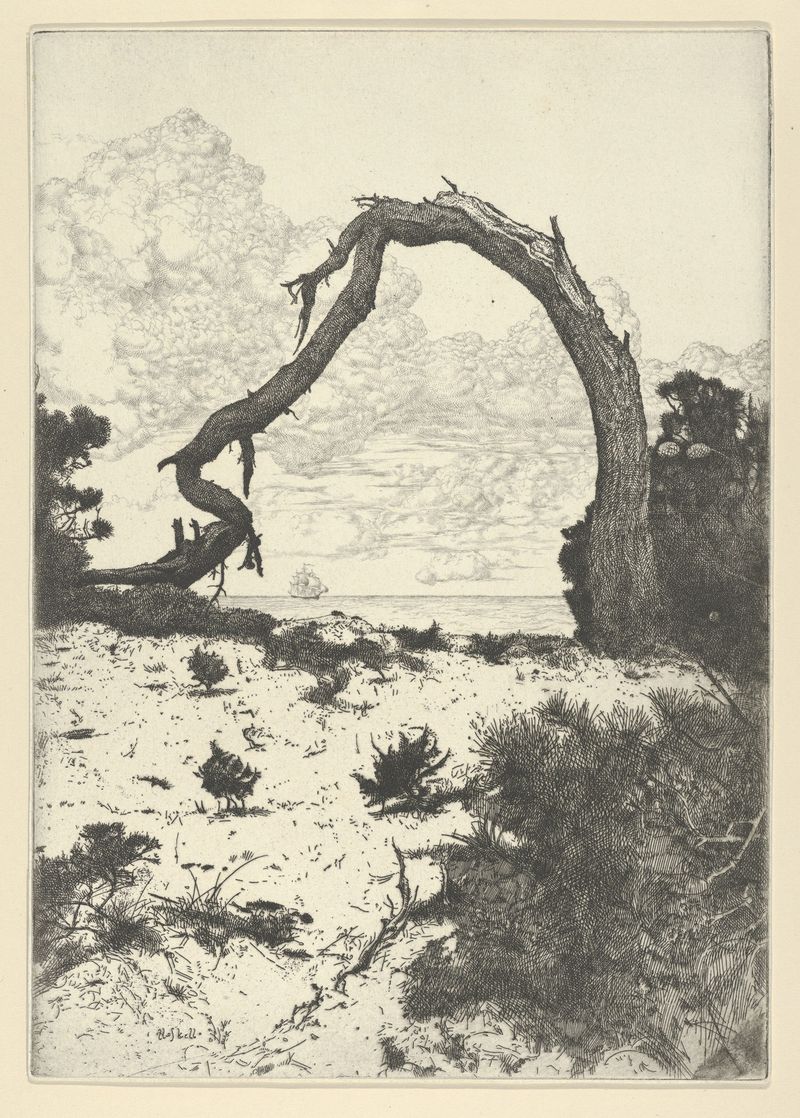
Pine Arch
Ernest Haskell

General Sherman
Ernest Haskell
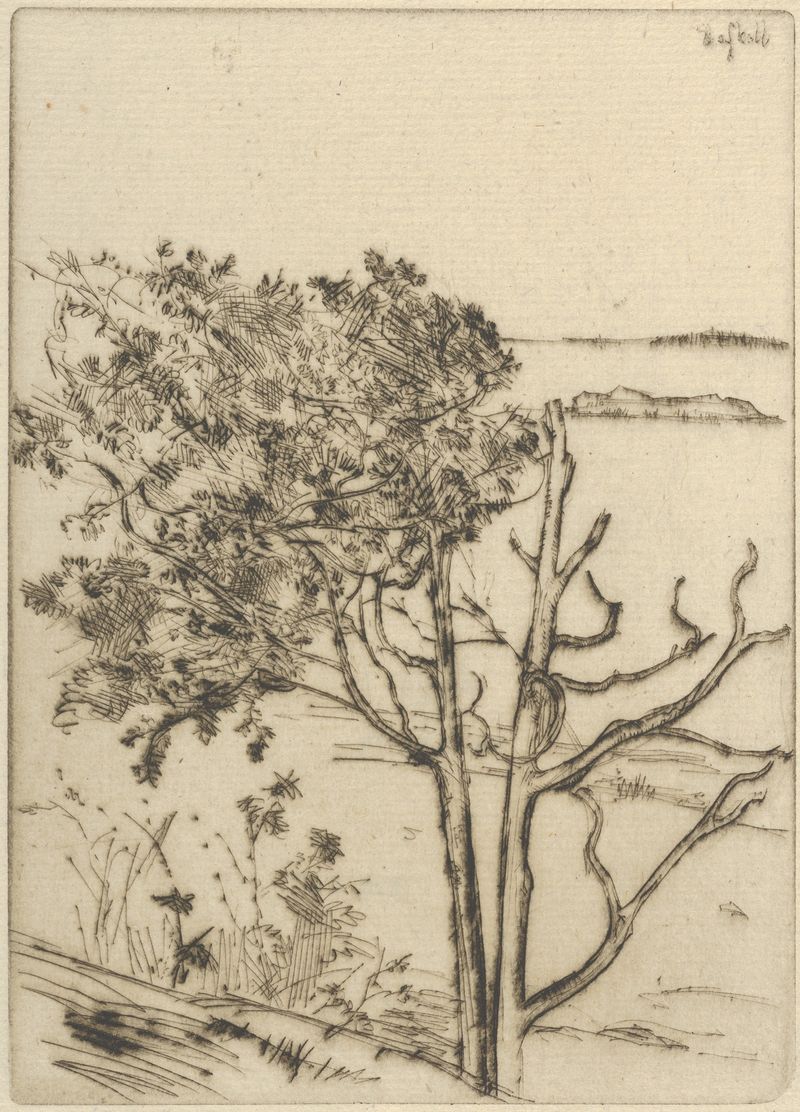
Ragged Tree – Maine
Ernest Haskell

Tide Mill
Ernest Haskell

Ship Building
Ernest Haskell
To the Southward – Ragged Island, Me.
Ernest Haskell
Long Island Marshes
Ernest Haskell





