
Reis van de ziel naar God en hel volgens Bonaventura — History & Facts
In the heart of Reis van de ziel naar God en hel volgens Bonaventura, a profound revelation unfolds, challenging viewers to confront the duality of existence. Each brushstroke invites contemplation on the journey of the soul, oscillating between divine aspiration and the specter of damnation. Look to the center of the canvas, where vibrant hues collide with shadowy depths. The soul, depicted with ethereal grace, ascends toward a halo of light while the contrasting darkness below hints at the abyss.
Cranach's meticulous attention to detail is evident, from the ethereal depiction of angels to the menacing forms lurking in the depths, all framed within a tapestry of rich colors that evoke emotional resonance. The tension between hope and despair plays out vividly in the contrasting elements of the piece. The upward trajectory of the soul is met with the ominous presence of the damned, suggesting that enlightenment comes not without struggle. Notice how the flowing lines guide the eye, evoking a sense of movement that reinforces the theme of transcendence, while the meticulous rendering of the faces conveys a depth of emotion that invites introspection. Created between 1508 and 1512 during Cranach's time in Wittenberg, this work reflects the artist’s engagement with the emerging Reformation ideas.
The period was marked by a growing interest in humanism and spirituality, influencing how artists like Cranach explored themes of salvation and damnation. His work served as a bridge between medieval traditions and the evolving religious landscape, establishing him as a pivotal figure in the dialogue of faith and art.
More Artworks by Lucas Cranach (I)
Browse all →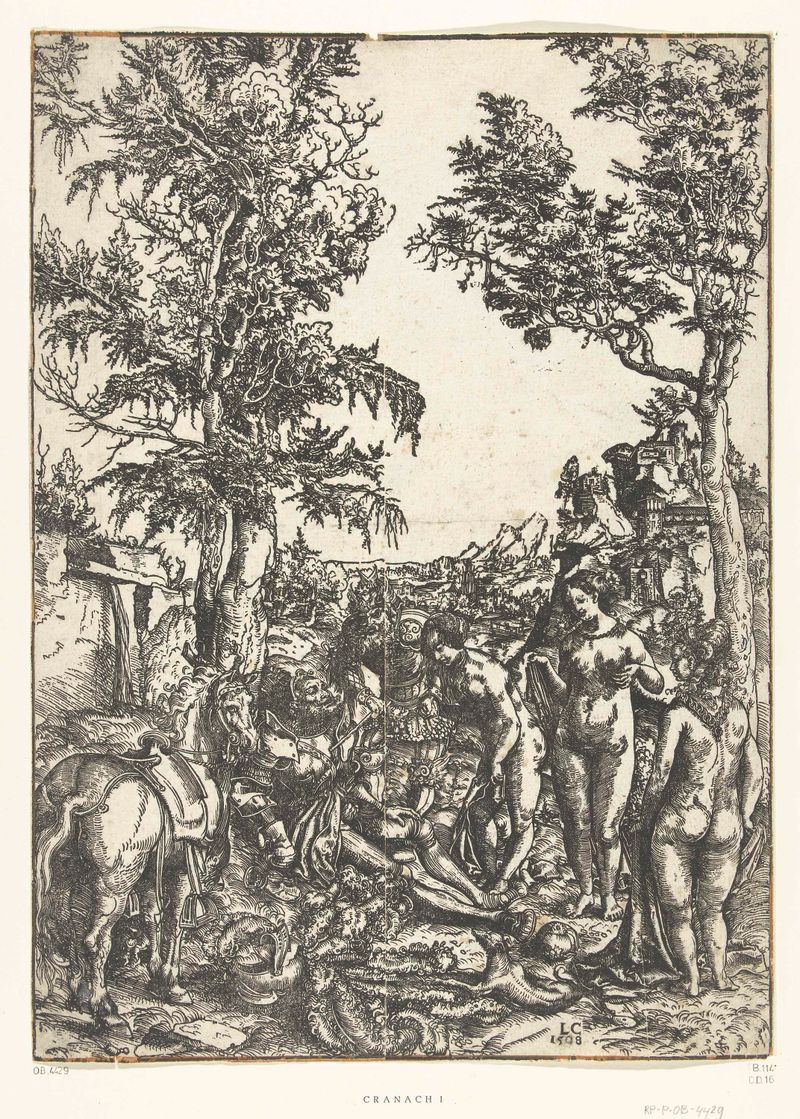
Oordeel van Paris
Lucas Cranach (I)
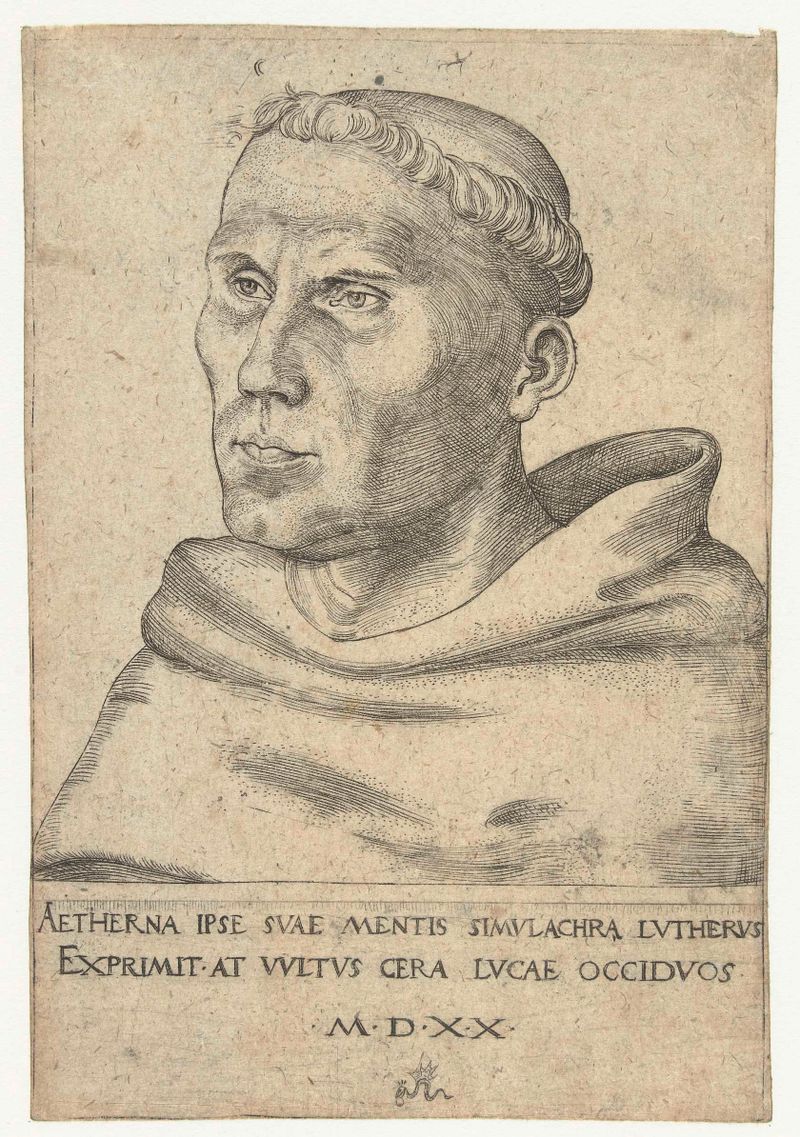
Portret van Martin Luther als Augustijner monnik
Lucas Cranach (I)
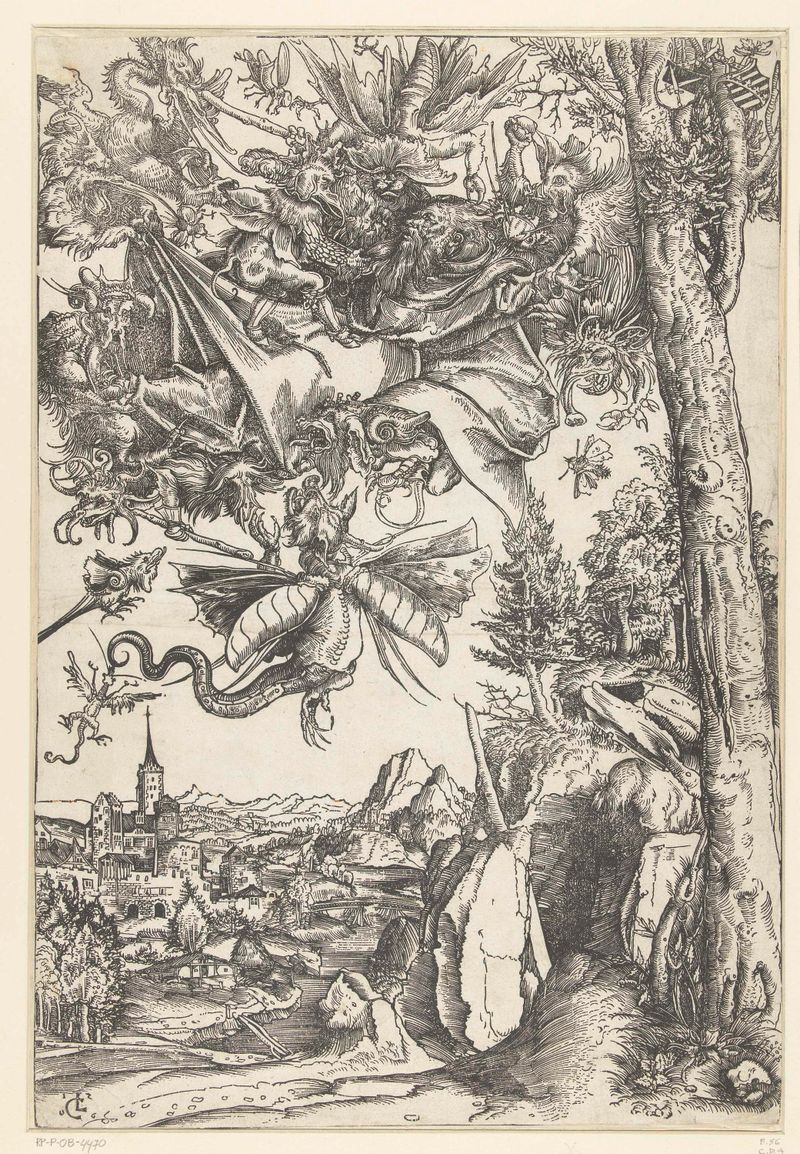
Verzoeking van Antonius met aanval door demonen
Lucas Cranach (I)

Christus en de Samaritaanse vrouw
Lucas Cranach (I)

Duits toernooi met twee edelmannen als ridders te paard
Lucas Cranach (I)
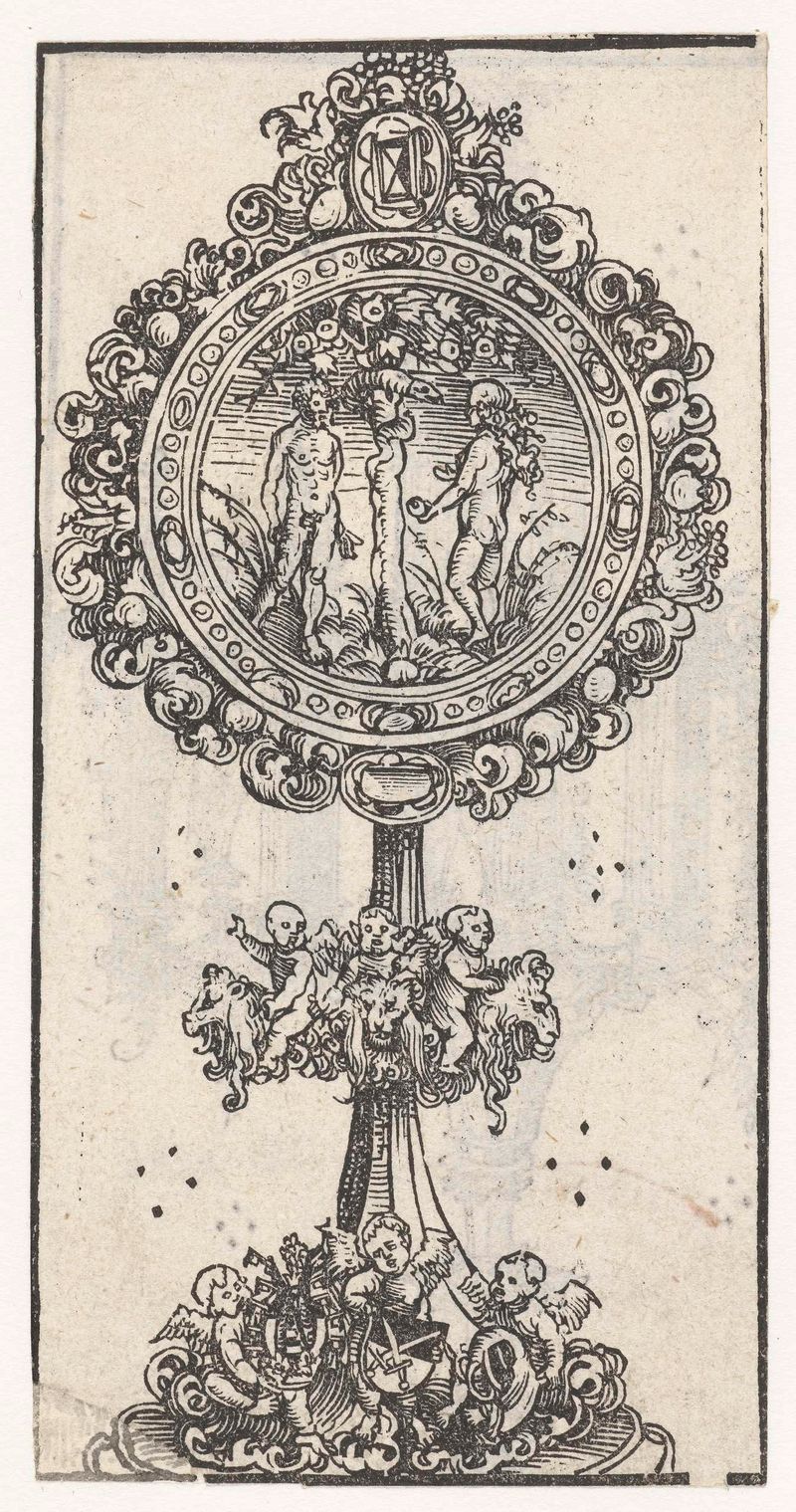
Reliekhouder met de verzoeking van Adam en Eva
Lucas Cranach (I)

Intocht van Christus in Jerusalem
Lucas Cranach (I)
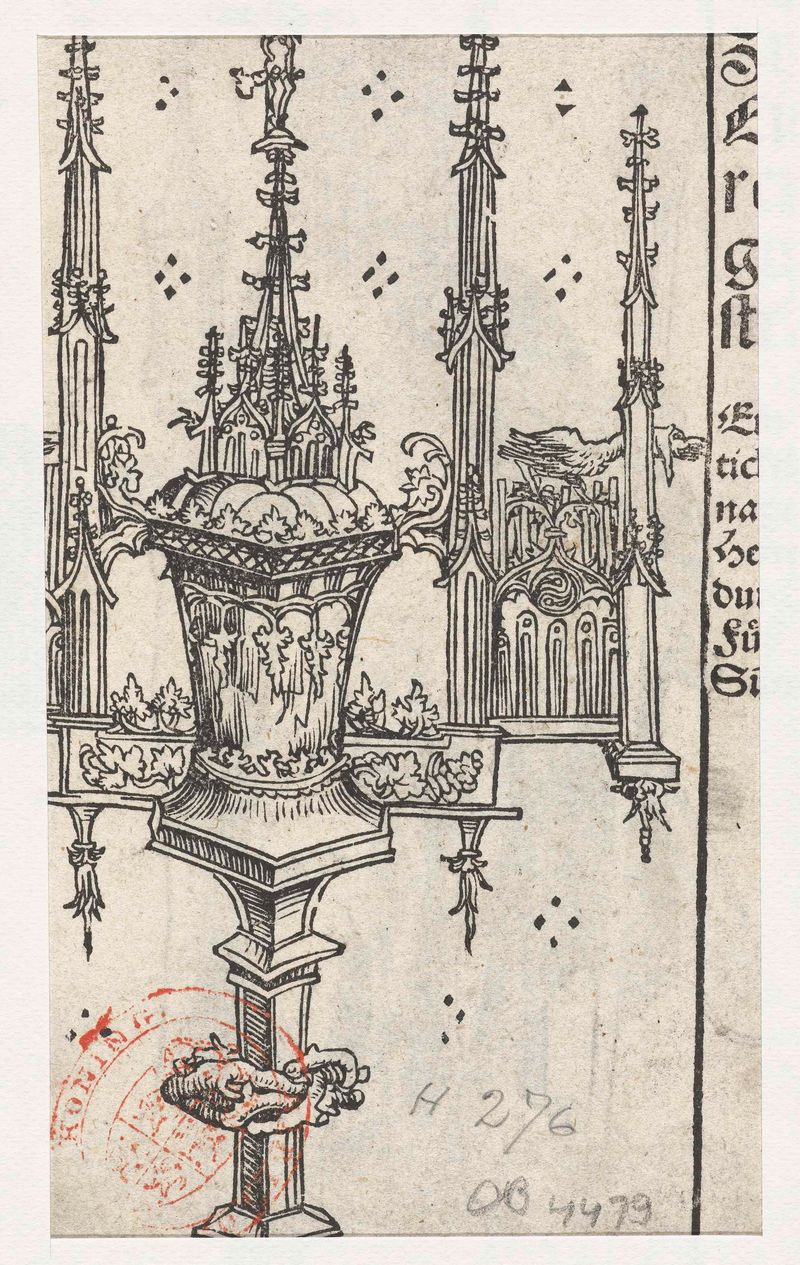
Monstrans met vogel (pelikaan)
Lucas Cranach (I)
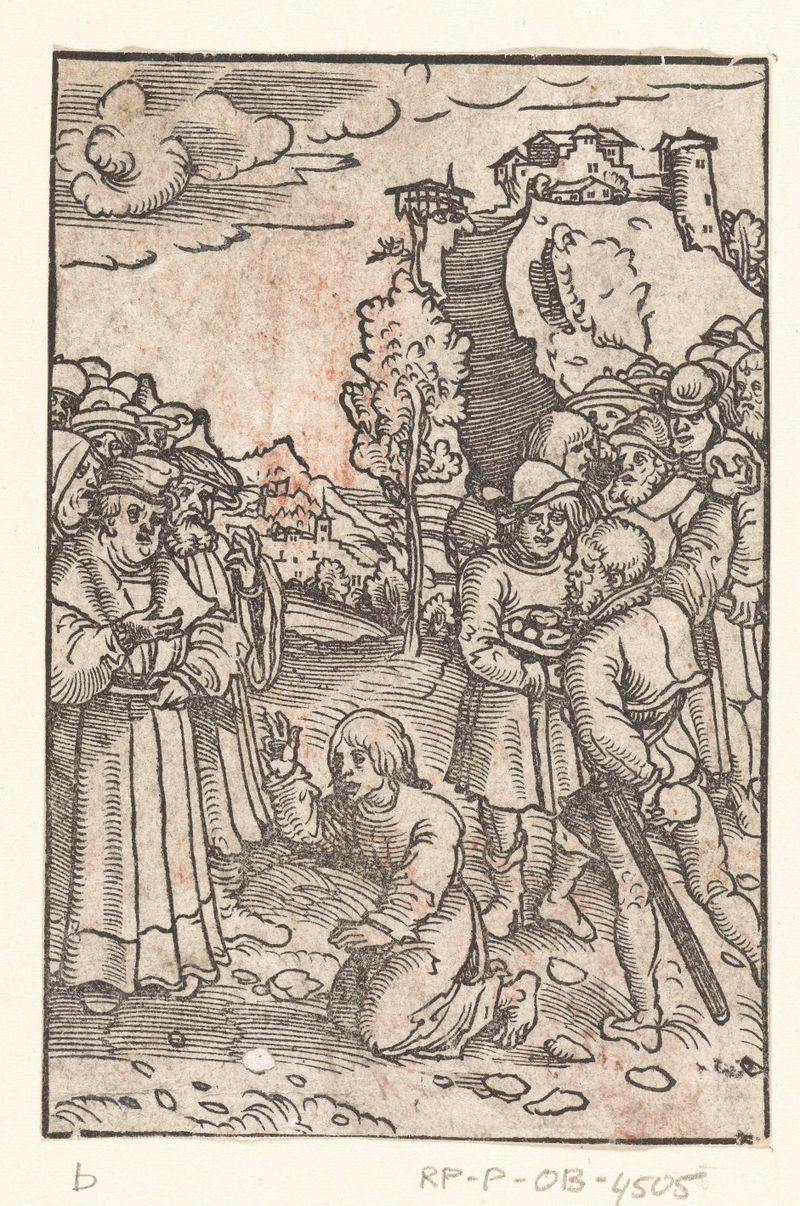
Steniging van Stefanus
Lucas Cranach (I)
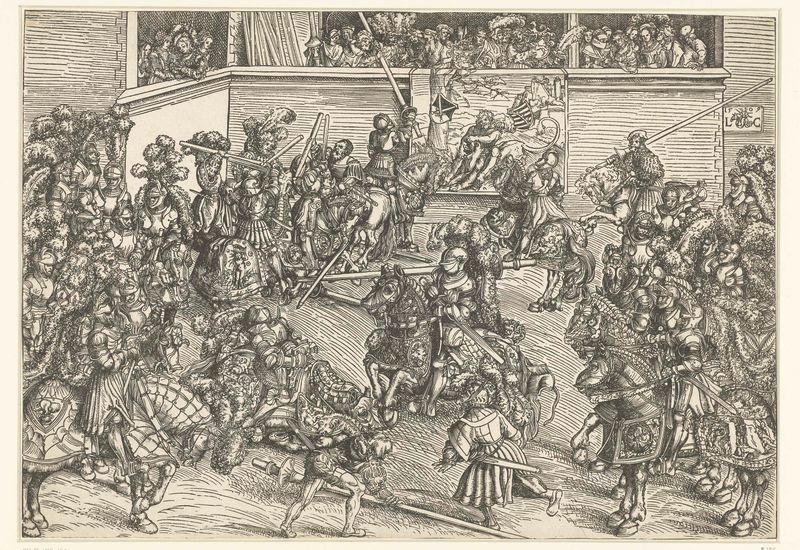
Toernooi van het keurvorstelijk hof van Saksen met wandtapijt Simson doodt de leeuw
Lucas Cranach (I)
More Religious Art
Browse all →
The Return of the Prodigal Son
Rembrandt van Rijn

The Garden of Earthly Delights
El Bosco

Count Orgaz’ funeral
El Greco

The Hundred Guilder Print: the central piece with Christ preaching, the plate arched
Rembrandt van Rijn

The Descent from the Cross
Rogier van der Weyden

The return of the prodigal son
Rembrandt van Rijn