
Discover insights about this artwork
Rejoice, Carnival, for Tomorrow Thou Wilt Be Ashes [Carnival Folly] (Alegrias Antruejo, que Mañana Seras Ceniza [Disparate de Carnabal]) — History & Facts
In Rejoice, Carnival, for Tomorrow Thou Wilt Be Ashes, vibrant colors dominate the scene, reflecting the exuberance of carnival. Figures in elaborate costumes dance joyfully, their expressions a mix of delight and anticipation. The setting is lively, filled with a sense of festivity and chaos.
Goya captures the fleeting nature of joy, as the title suggests a looming end to the celebration. The painting is executed in oil on canvas, showcasing Goya's skill in blending colors and textures. The dynamic composition draws the viewer's eye across the canvas, emphasizing the movement of the figures. Goya employs light and shadow to create depth, enhancing the overall vibrancy of the scene.
The dimensions of the work are approximately 90 x 120 cm, making it a significant piece in terms of scale. Francisco de Goya created this work during a time of social and political upheaval in Spain, reflecting the duality of joy and despair. This painting serves as an allegory for the transient nature of life, as carnival festivities are followed by the sober reality of ash and decay. An interesting fact about this work is that it was part of a series that critiques societal norms and the human condition.
Goya's ability to blend humor with a serious message makes this piece particularly compelling.
More Artworks by Francisco de Goya
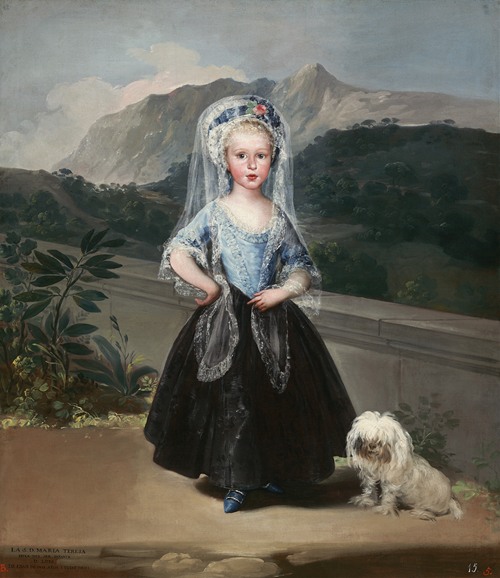
María Teresa de Borbón y Vallabriga,later Condesa de Chinchón
Francisco de Goya
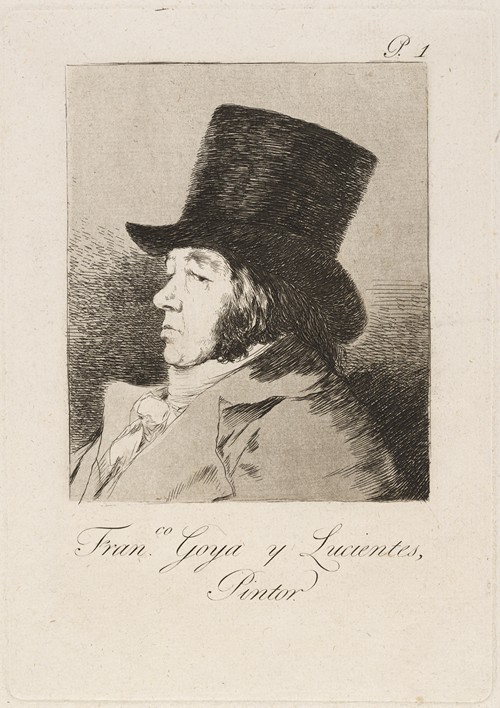
Francisco Goya y Lucientes, Pintor (Francisco Goya y Lucientes, painter)
Francisco de Goya
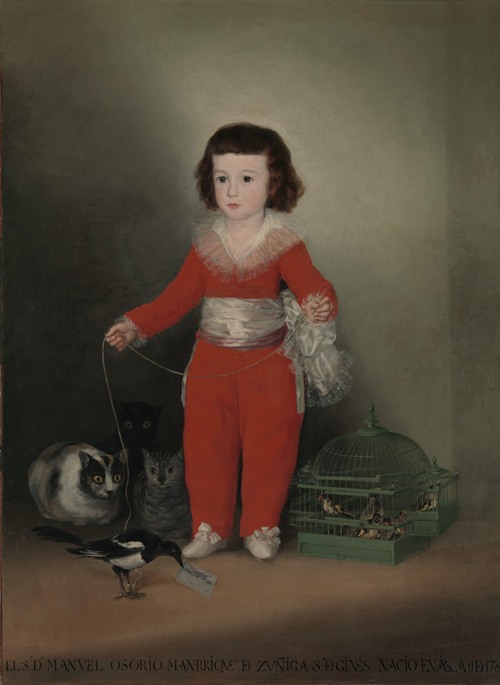
Manuel Osorio Manrique de Zuñiga (1784–1792)
Francisco de Goya
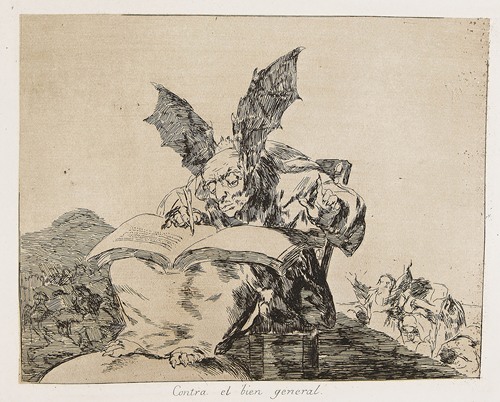
Los desastres de la guerra
Francisco de Goya
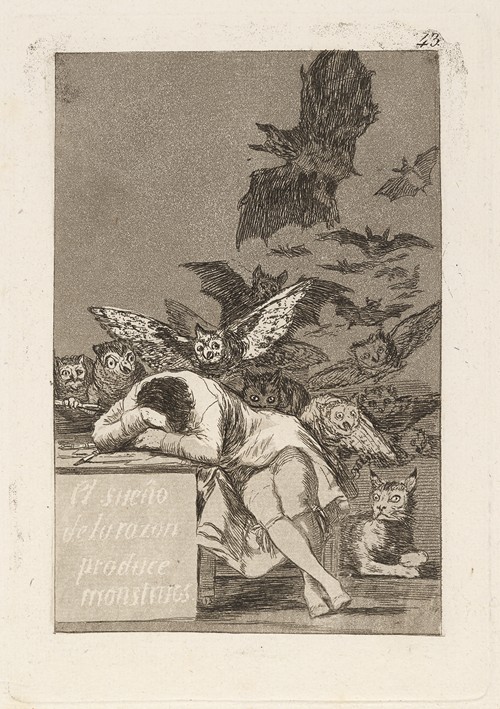
El sueño de la razon produce monstruos. (The sleep of reason produces monsters.)
Francisco de Goya
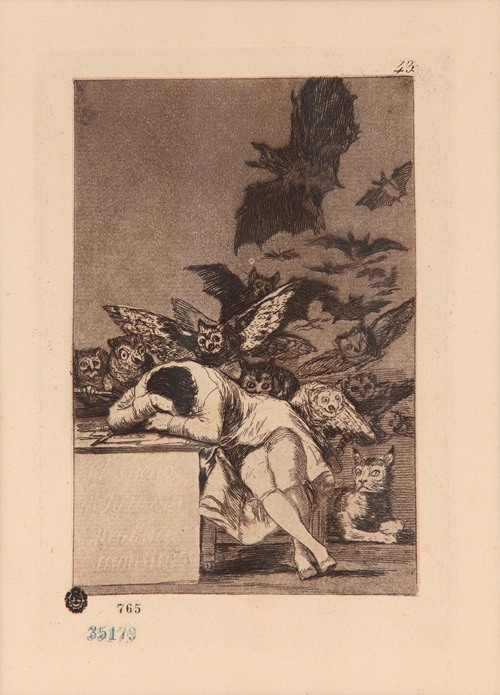
El sueño de la razon produce moustruos (Serie Caprichos)
Francisco de Goya
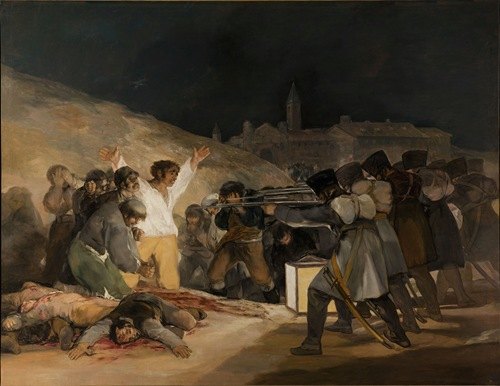
The Third of May
Francisco de Goya
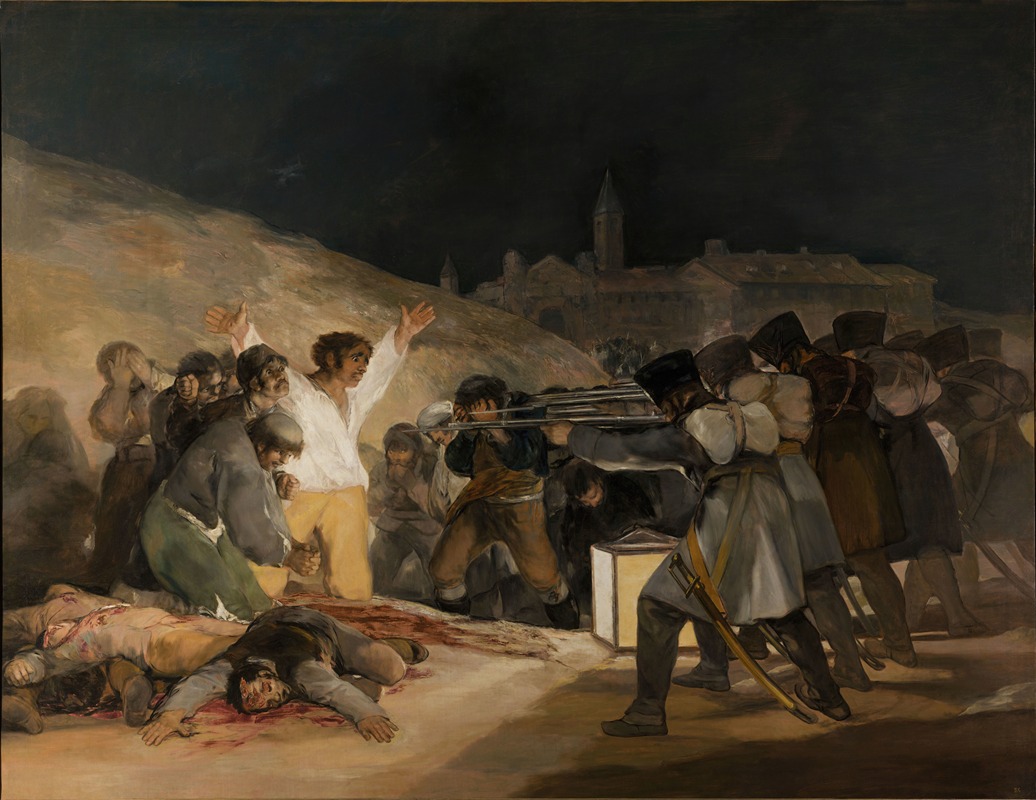
The Third of May 1808
Francisco de Goya
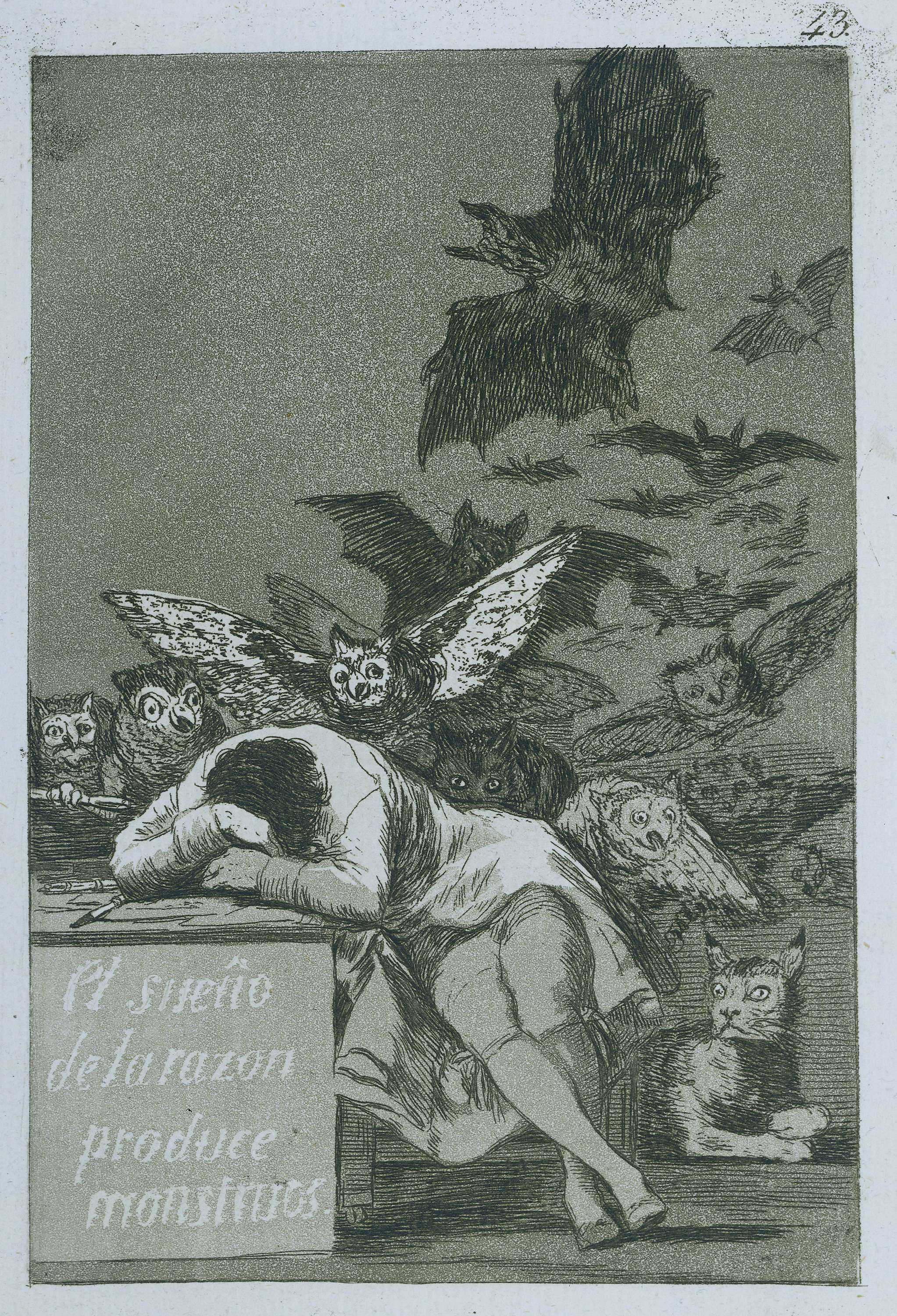
De slaap van de rede brengt monsters voort
Francisco de Goya
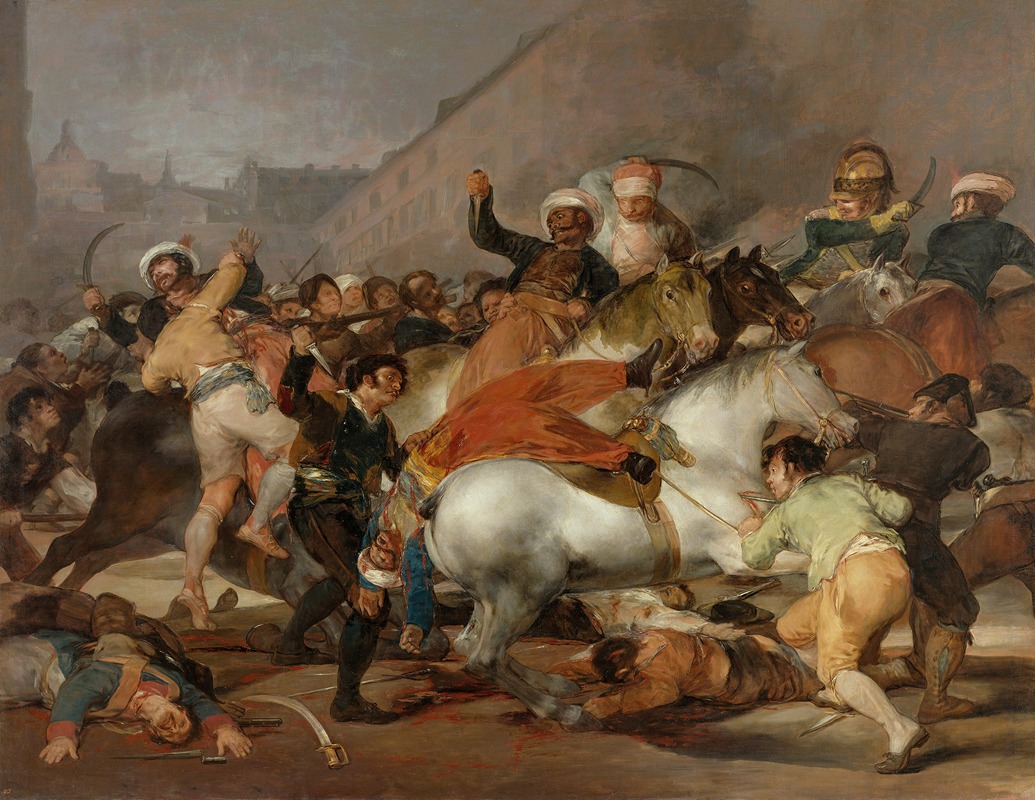
The Charge of the Mamelukes (1814)
Francisco de Goya
More Allegory Art
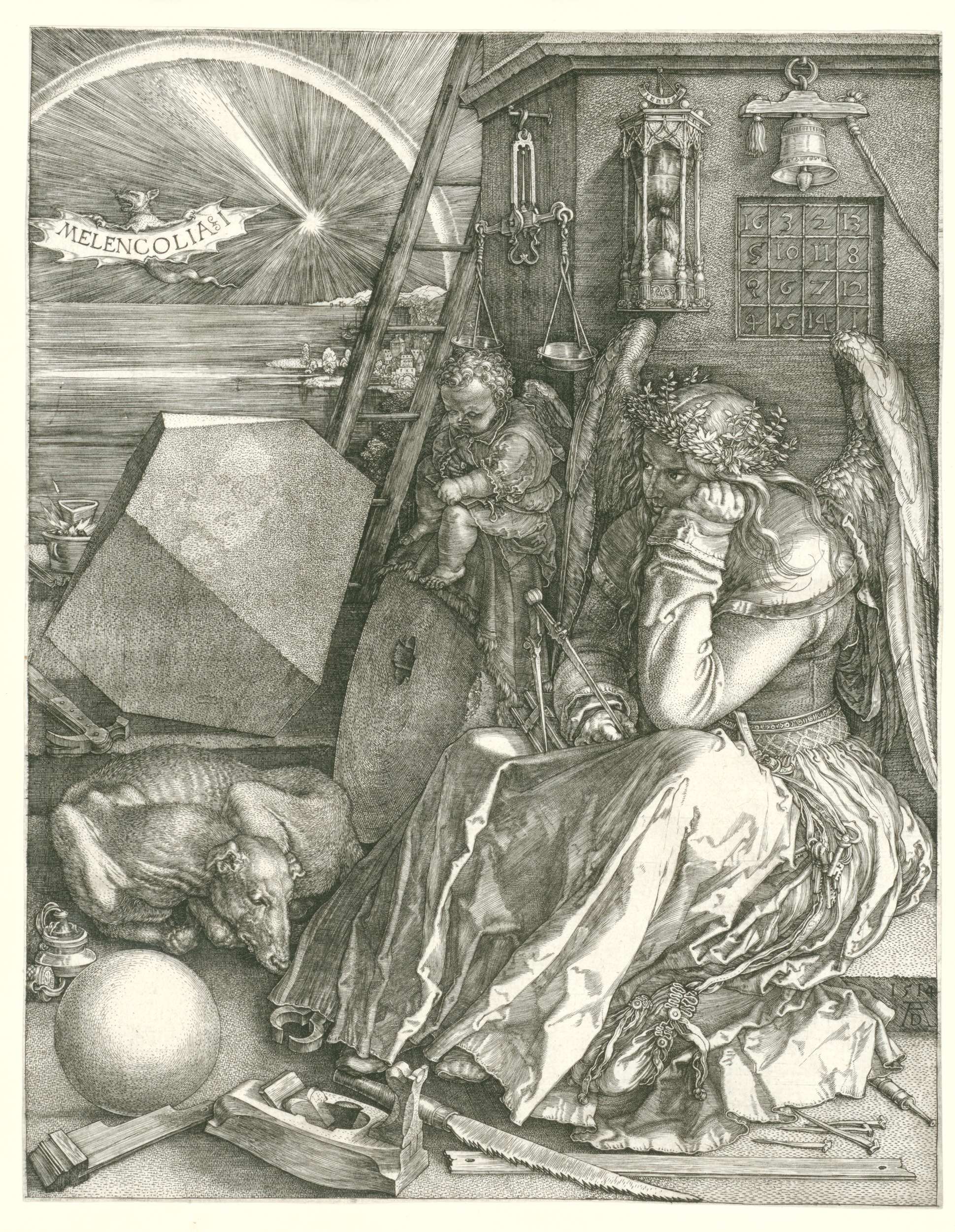
Melancholia
Albrecht Dürer
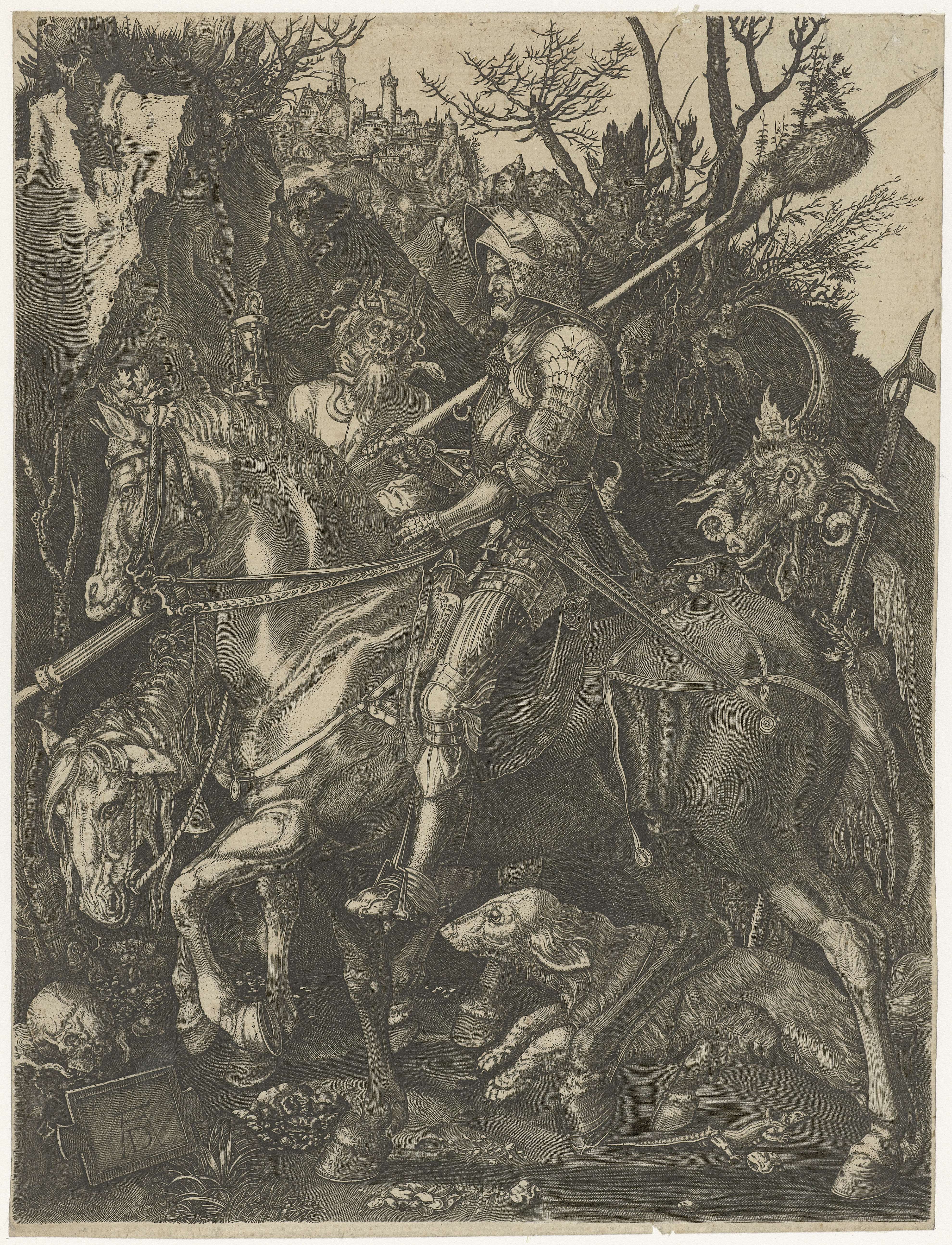
Ridder, Dood en Duivel
Unknown Artist
El sueño de la razon produce monstruos. (The sleep of reason produces monsters.)
Francisco de Goya
El sueño de la razon produce moustruos (Serie Caprichos)
Francisco de Goya
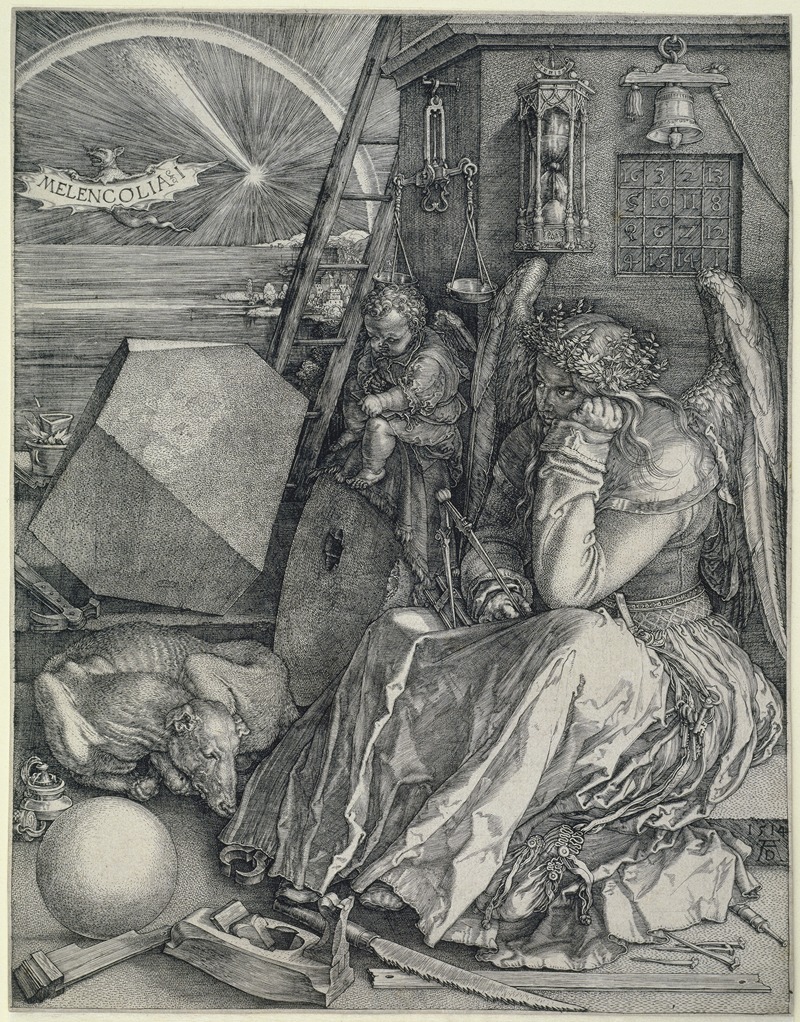
Melencolia I (The Melancholy)
Albrecht Dürer
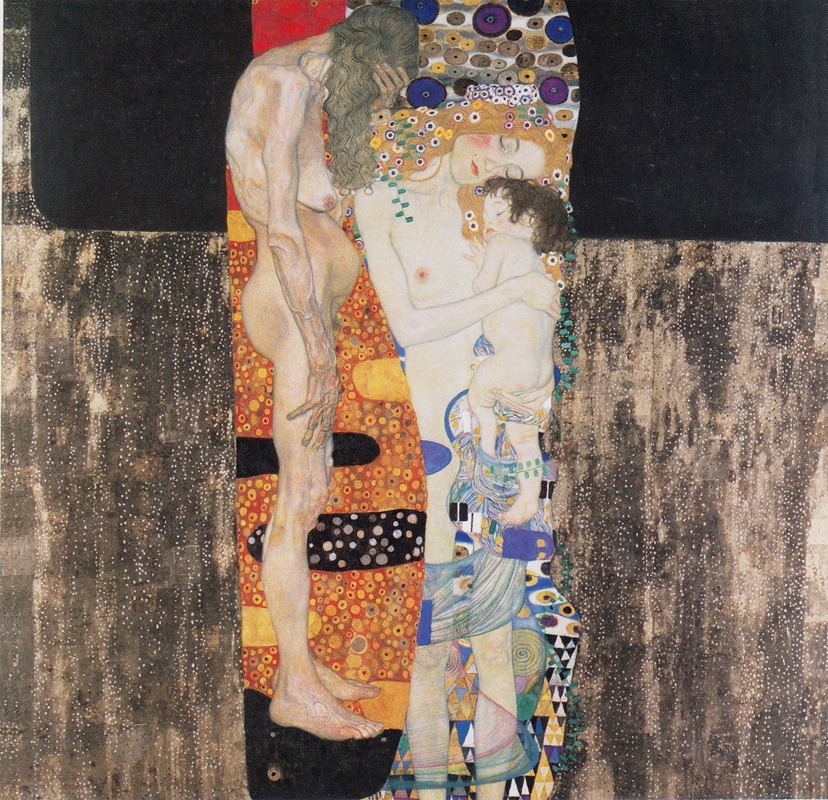
The Three Ages of the Woman
Gustav Klimt