
Rest on the Flight into Egypt — History & Facts
Did the painter know this moment would outlive them? In the soft glow of a quiet forest, a profound stillness cradles Mary and Joseph as they rest, their journey woven into the very air around them. The tranquility of this short respite is palpable, an intimate scene steeped in contemplation, illuminated by the gentle dappled light filtering through the branches above. Look to the right at the serene faces of Mary and Joseph, both exuding a sense of peace amidst their arduous journey. Notice how the warmth of earthy tones envelops them, contrasting with the cool greens of the surrounding foliage.
Cranach’s masterful use of chiaroscuro—light and shadow—draws your attention first to their expressions before inviting you to explore the delicate details of the setting, such as the cradle of the sleeping child, safely nestled in Mary’s arms, symbolizing both vulnerability and hope. As you delve deeper, consider the symbolic weight of this moment: a mother’s protective embrace, the uncertainty of their path ahead, and the stillness of nature as a witness to their plight. The juxtaposition of the serene scene against an ominous world outside the frame suggests the tension between safety and danger, faith and fear. Each brushstroke communicates an awakening—a profound realization of their holy mission amid the ordinary struggles of life. Cranach painted this piece in 1509, during a time when the Reformation was sowing seeds of change across Europe.
Working in Wittenberg, he became closely associated with Martin Luther and the ideas that were reshaping the religious landscape. This painting reflects not only a personal moment of solace but also the broader cultural awakening occurring around him, as artists began to explore themes of spirituality that resonated deeply with the public.
More Artworks by Lucas Cranach (I)
Browse all →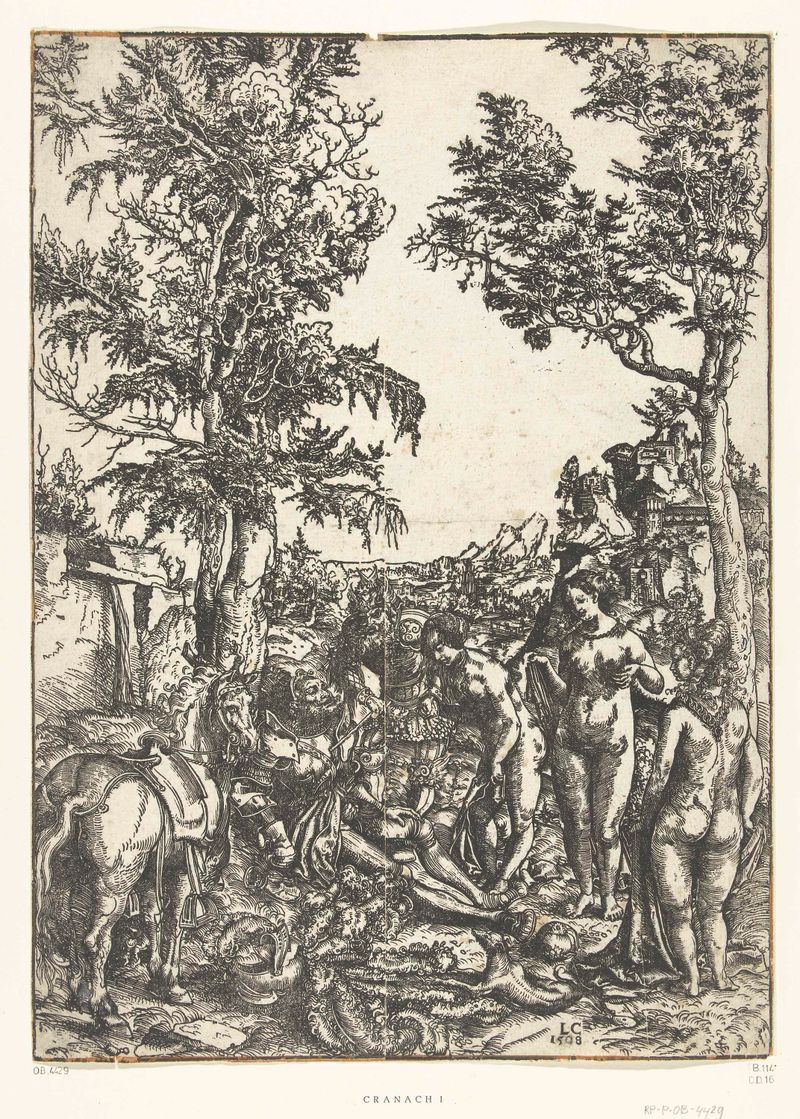
Oordeel van Paris
Lucas Cranach (I)
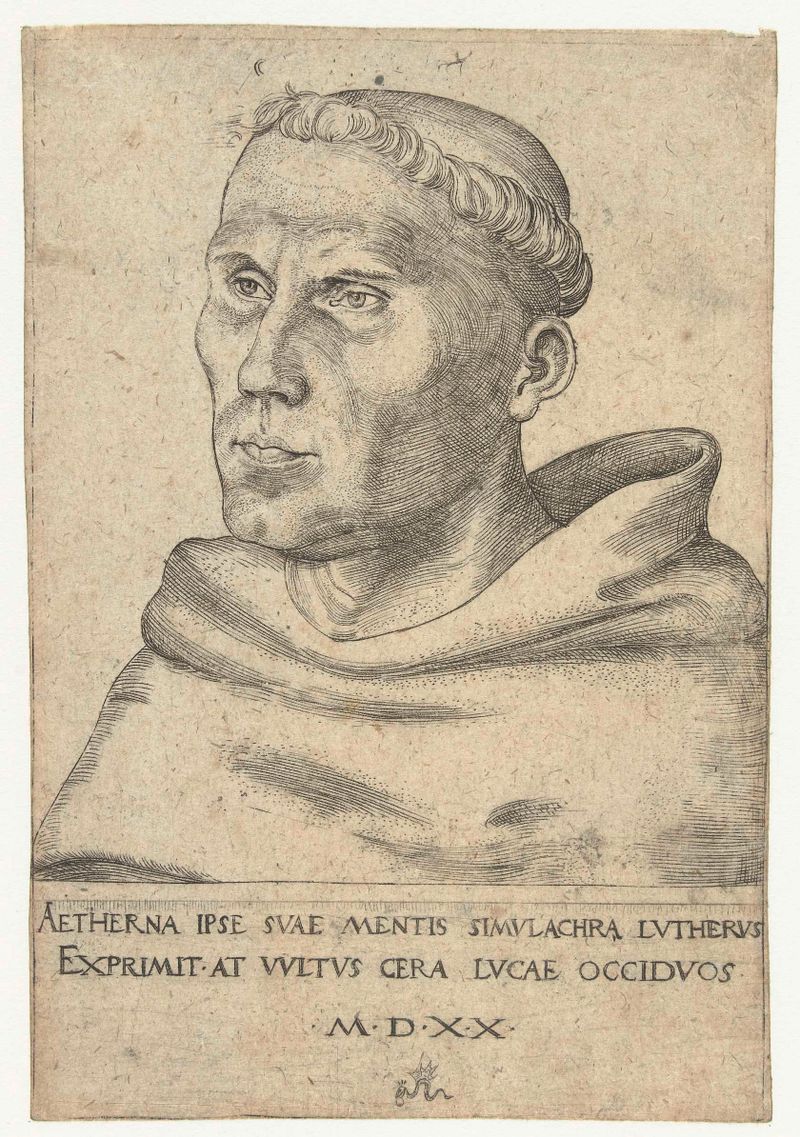
Portret van Martin Luther als Augustijner monnik
Lucas Cranach (I)
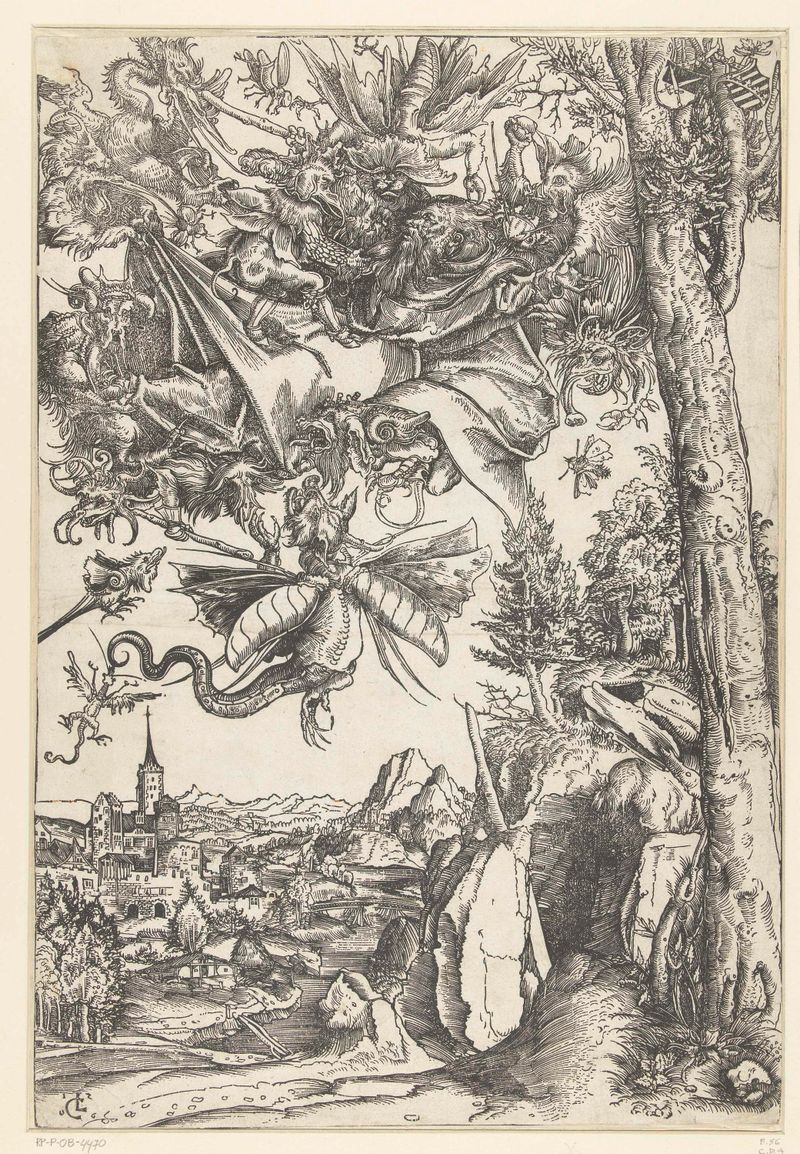
Verzoeking van Antonius met aanval door demonen
Lucas Cranach (I)

Christus en de Samaritaanse vrouw
Lucas Cranach (I)

Duits toernooi met twee edelmannen als ridders te paard
Lucas Cranach (I)
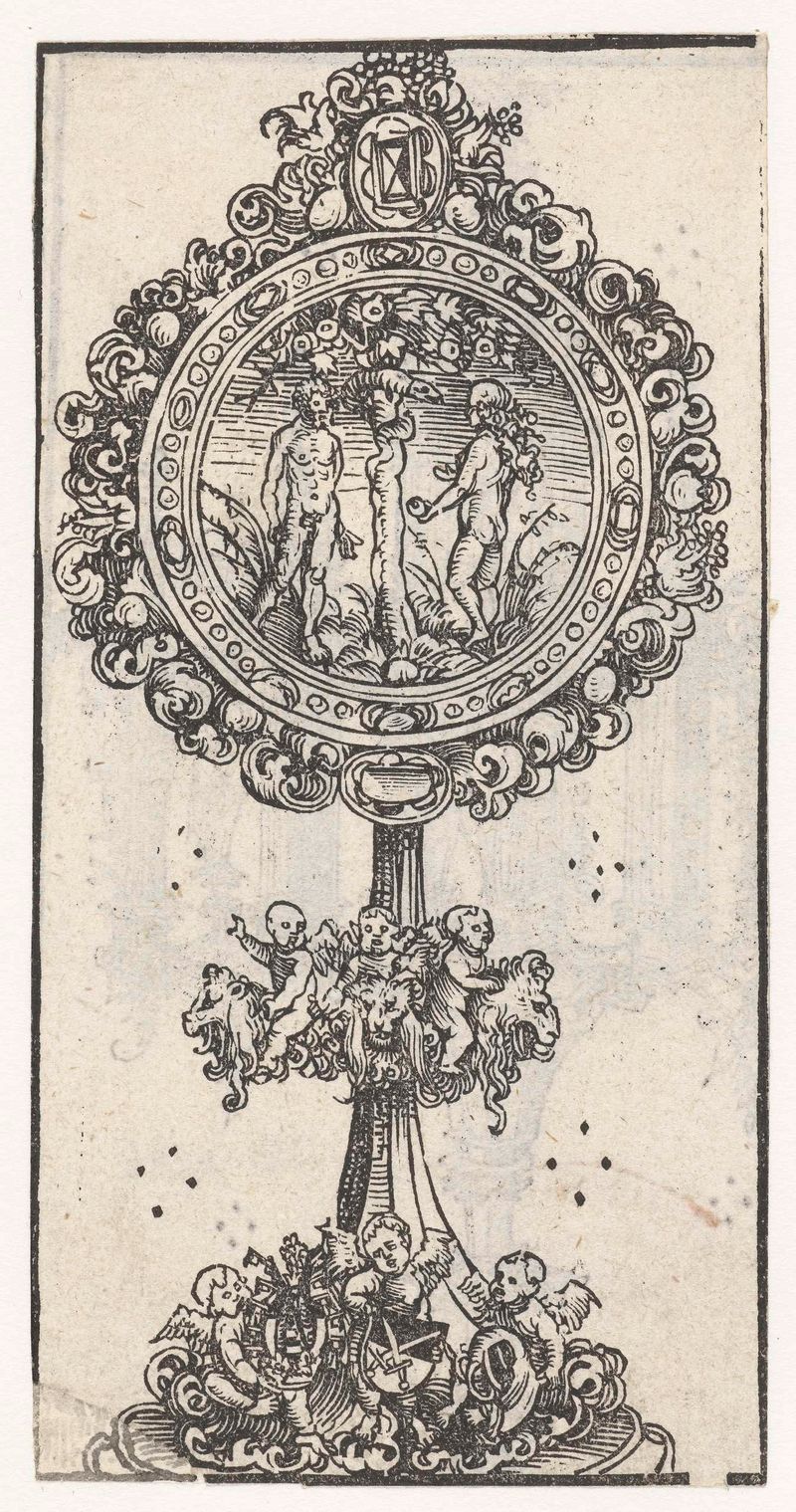
Reliekhouder met de verzoeking van Adam en Eva
Lucas Cranach (I)

Intocht van Christus in Jerusalem
Lucas Cranach (I)
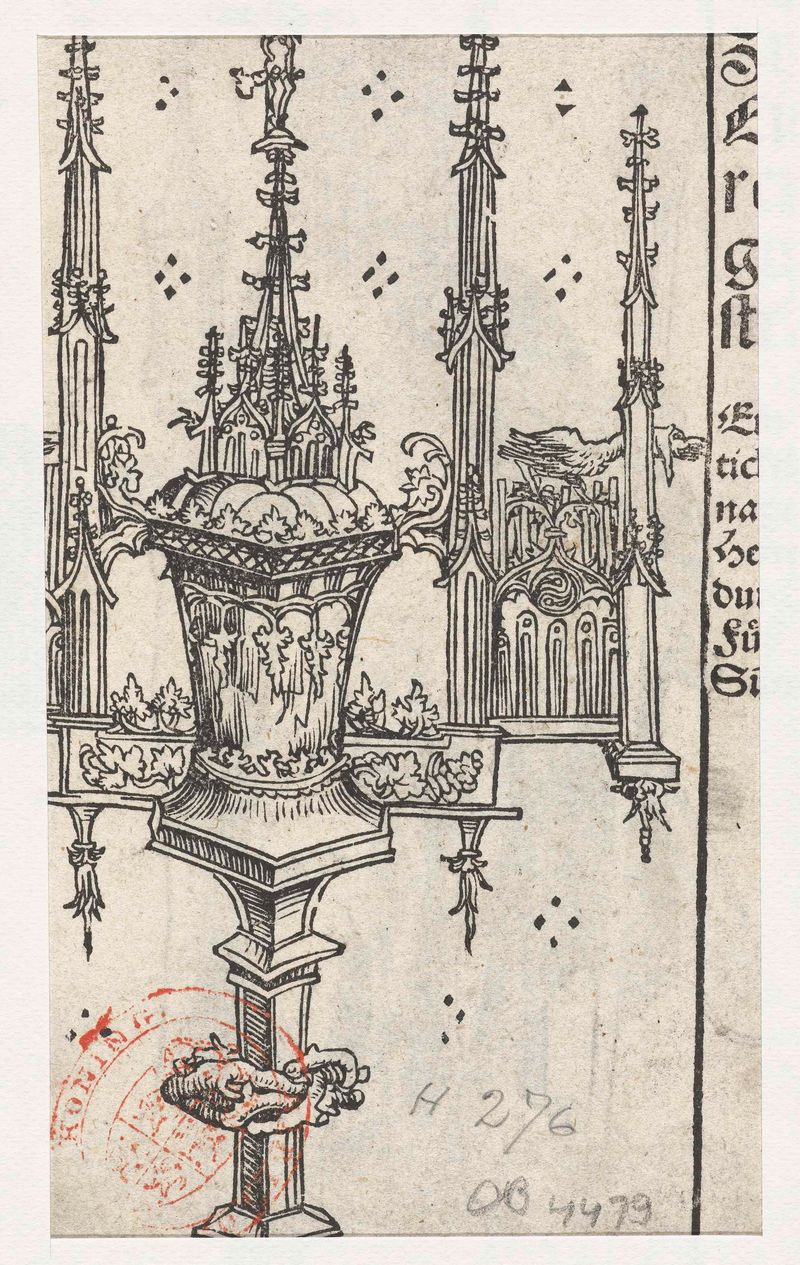
Monstrans met vogel (pelikaan)
Lucas Cranach (I)
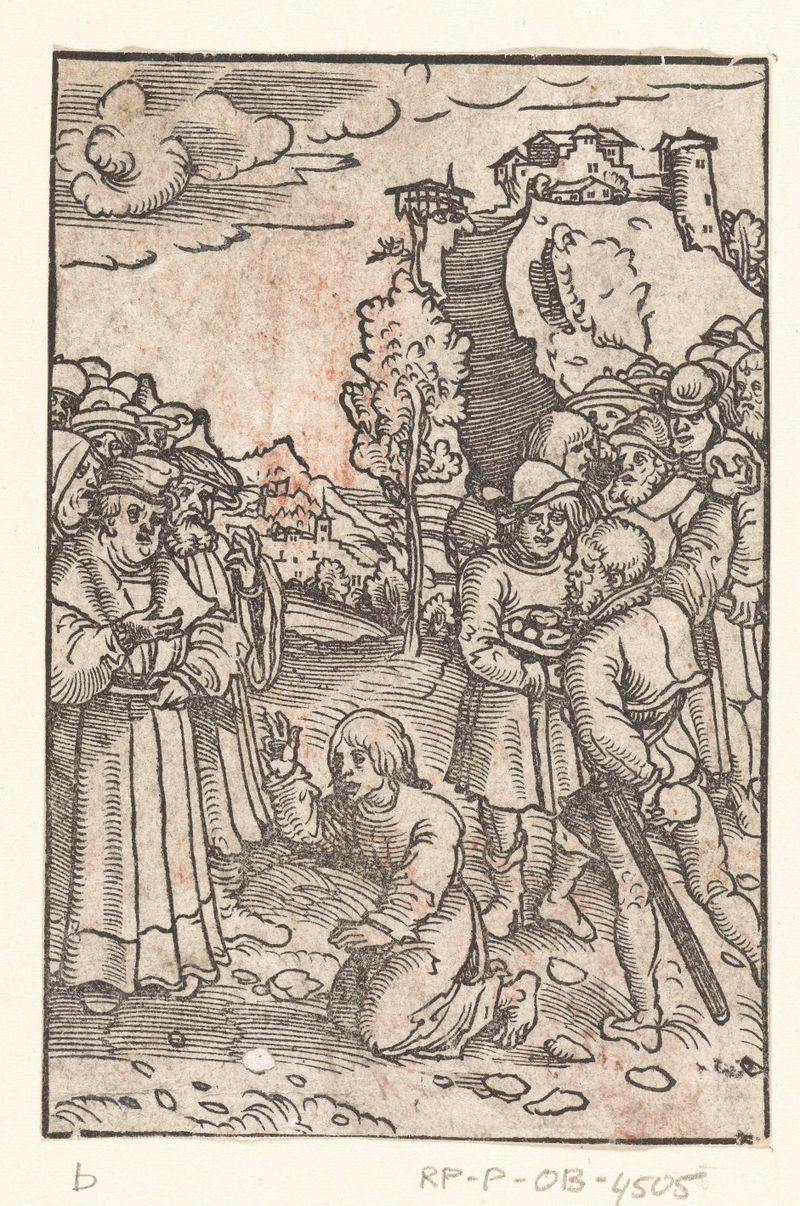
Steniging van Stefanus
Lucas Cranach (I)
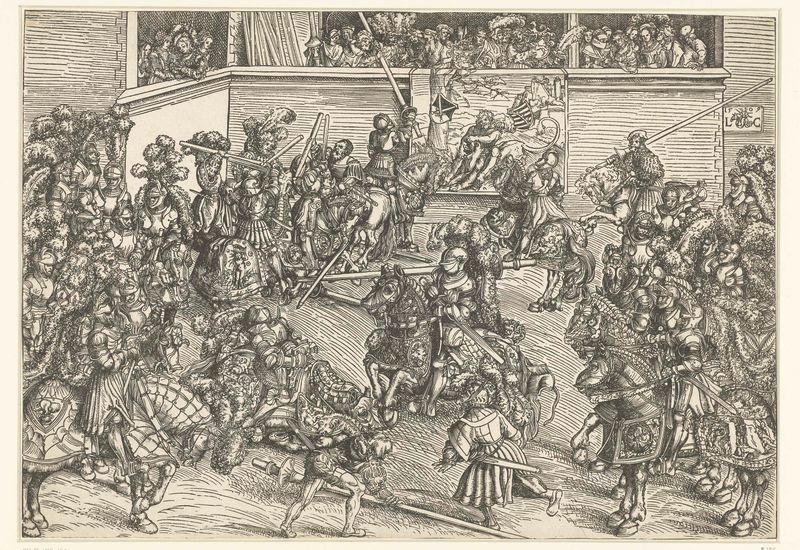
Toernooi van het keurvorstelijk hof van Saksen met wandtapijt Simson doodt de leeuw
Lucas Cranach (I)
More Religious Art
Browse all →
The Return of the Prodigal Son
Rembrandt van Rijn

The Garden of Earthly Delights
El Bosco

Count Orgaz’ funeral
El Greco

The Hundred Guilder Print: the central piece with Christ preaching, the plate arched
Rembrandt van Rijn

The Descent from the Cross
Rogier van der Weyden

The return of the prodigal son
Rembrandt van Rijn