
Rest on the Flight into Egypt — History & Facts
In the quiet moments of life, what do we choose to hold onto, and what do we let slip away? Look closely at the serene figures nestled within the warmth of the composition. The gentle embrace of light illuminates the Virgin and child, drawing our gaze to their tender interaction. The deep, rich hues of the landscape envelop them, contrasting with the vibrant reds and blues of their garments.
Notice how the lush foliage frames the scene, creating a cocoon of intimacy that invites contemplation while the distant mountains loom, holding timeless stories. The juxtaposition of serenity and foreboding is palpable. While the warmth of the figures evokes a sense of peace, the dark shadows in the background hint at the dangers lurking ahead. Each brushstroke reveals an obsessive care for detail, from the delicate folds of clothing to the deep expressions of love and concern in their eyes.
This duality speaks to the journey of life itself, where joy and hardship coexist, each moment a thread in the fabric of existence. Lucas Cranach (I) painted Rest on the Flight into Egypt in 1509, during a period marked by his growing prominence in the Northern Renaissance. Living in Wittenberg, he was deeply influenced by the Reformation and the changing attitudes towards religious subjects in art. This piece reflects his mastery of combining traditional themes with a personal touch, showcasing his evolution as an artist in a rapidly changing world.
More Artworks by Lucas Cranach (I)
Browse all →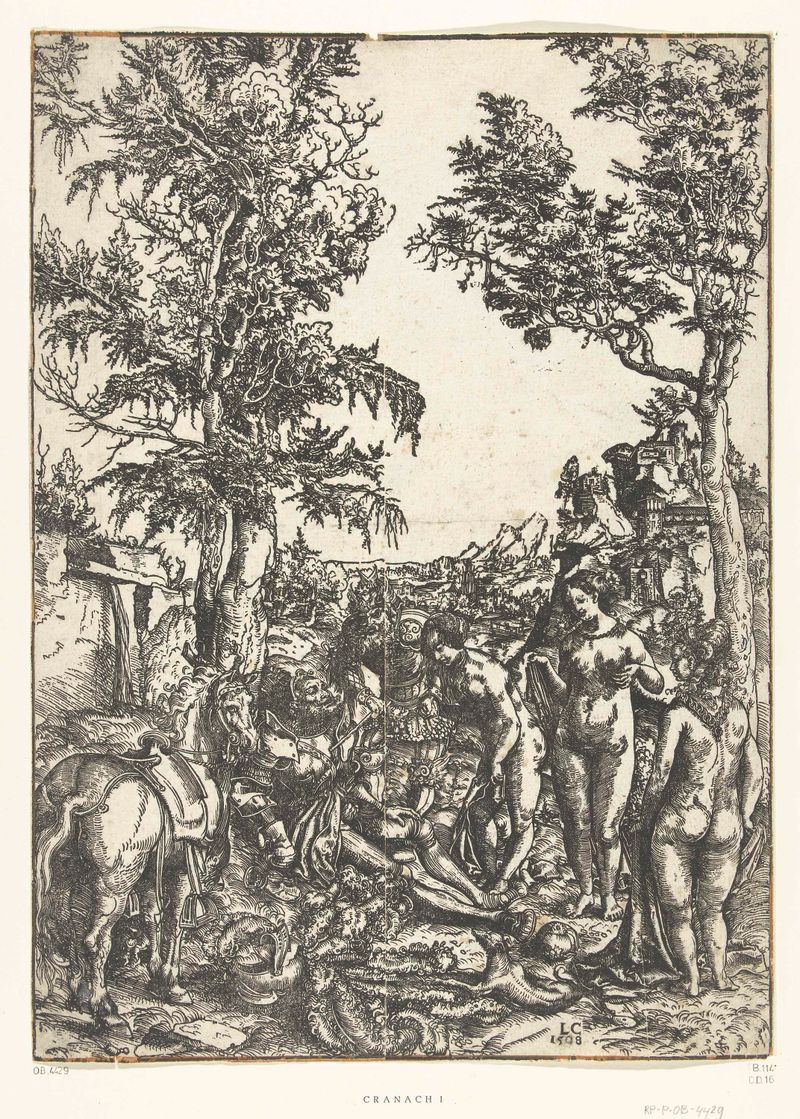
Oordeel van Paris
Lucas Cranach (I)
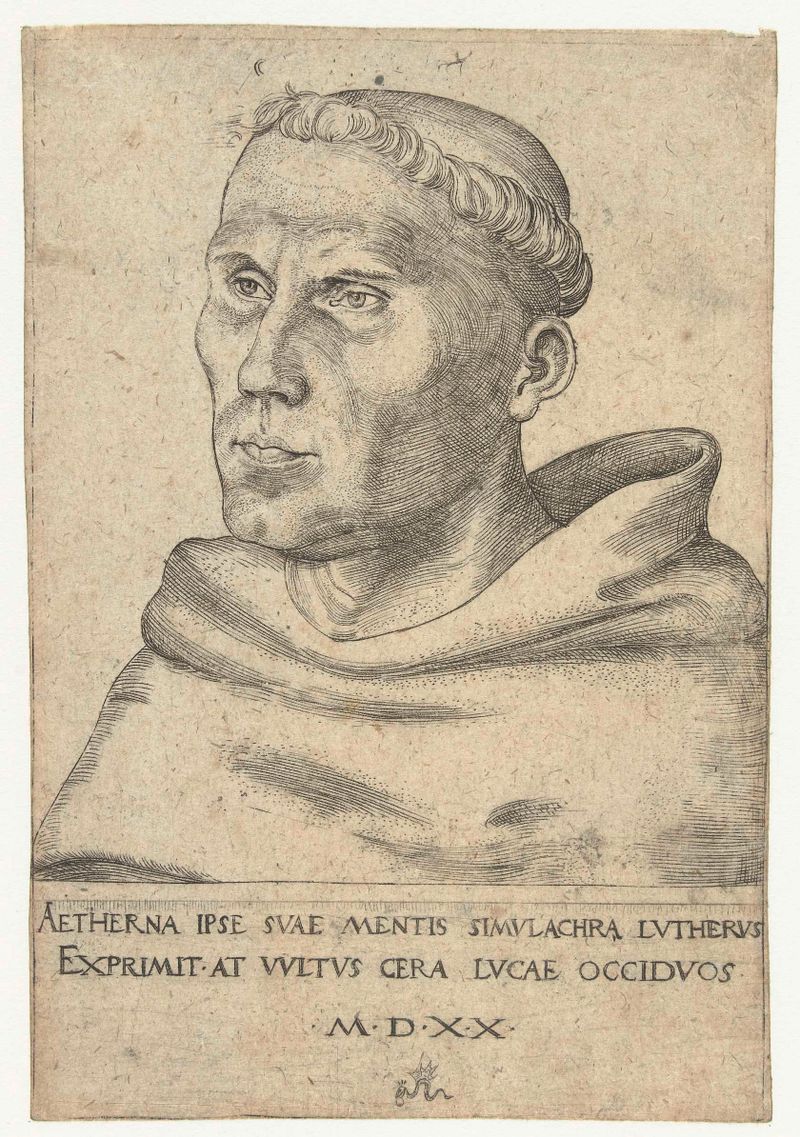
Portret van Martin Luther als Augustijner monnik
Lucas Cranach (I)
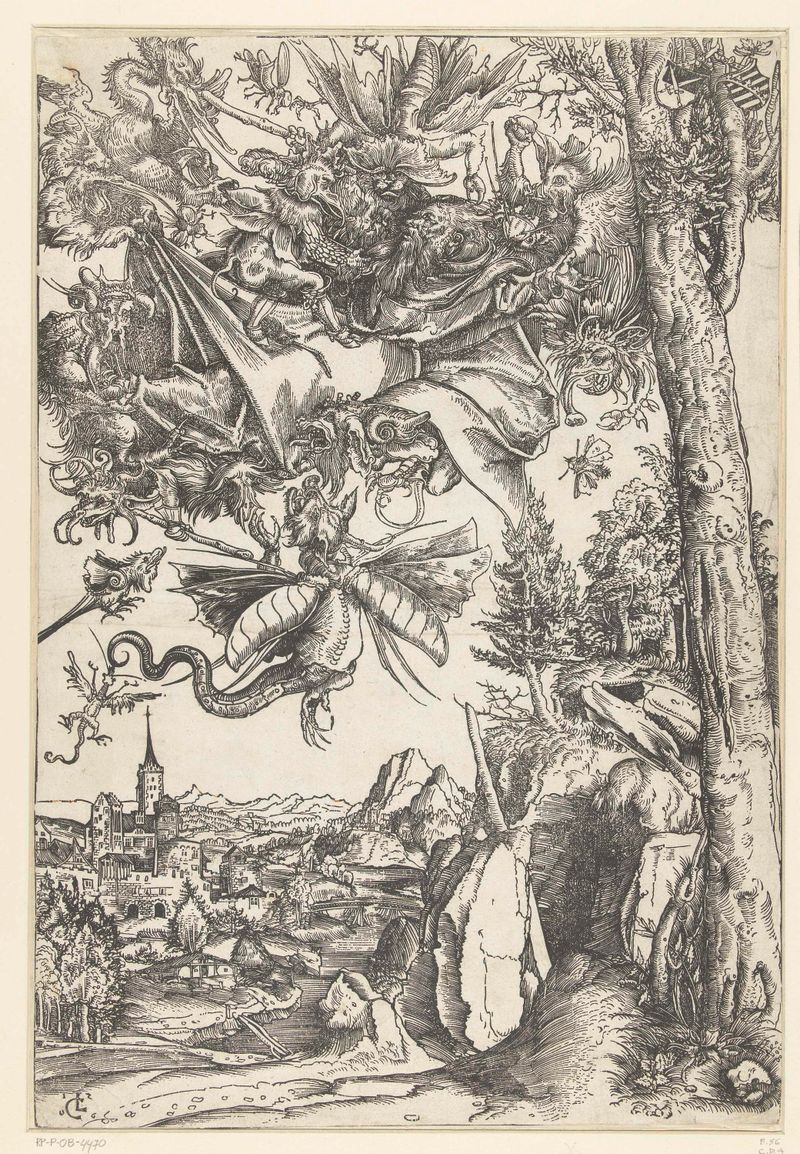
Verzoeking van Antonius met aanval door demonen
Lucas Cranach (I)

Christus en de Samaritaanse vrouw
Lucas Cranach (I)

Duits toernooi met twee edelmannen als ridders te paard
Lucas Cranach (I)
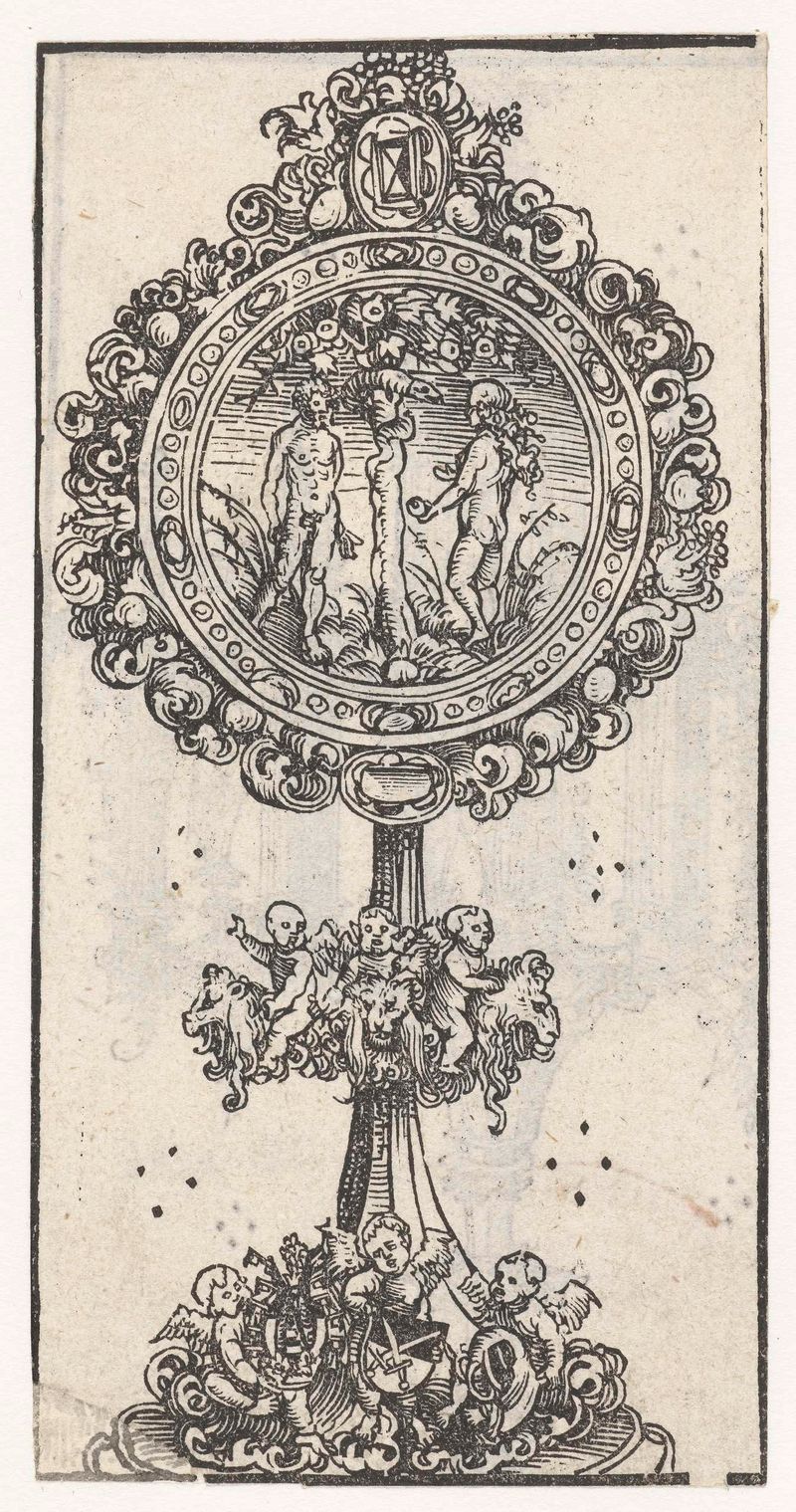
Reliekhouder met de verzoeking van Adam en Eva
Lucas Cranach (I)

Intocht van Christus in Jerusalem
Lucas Cranach (I)
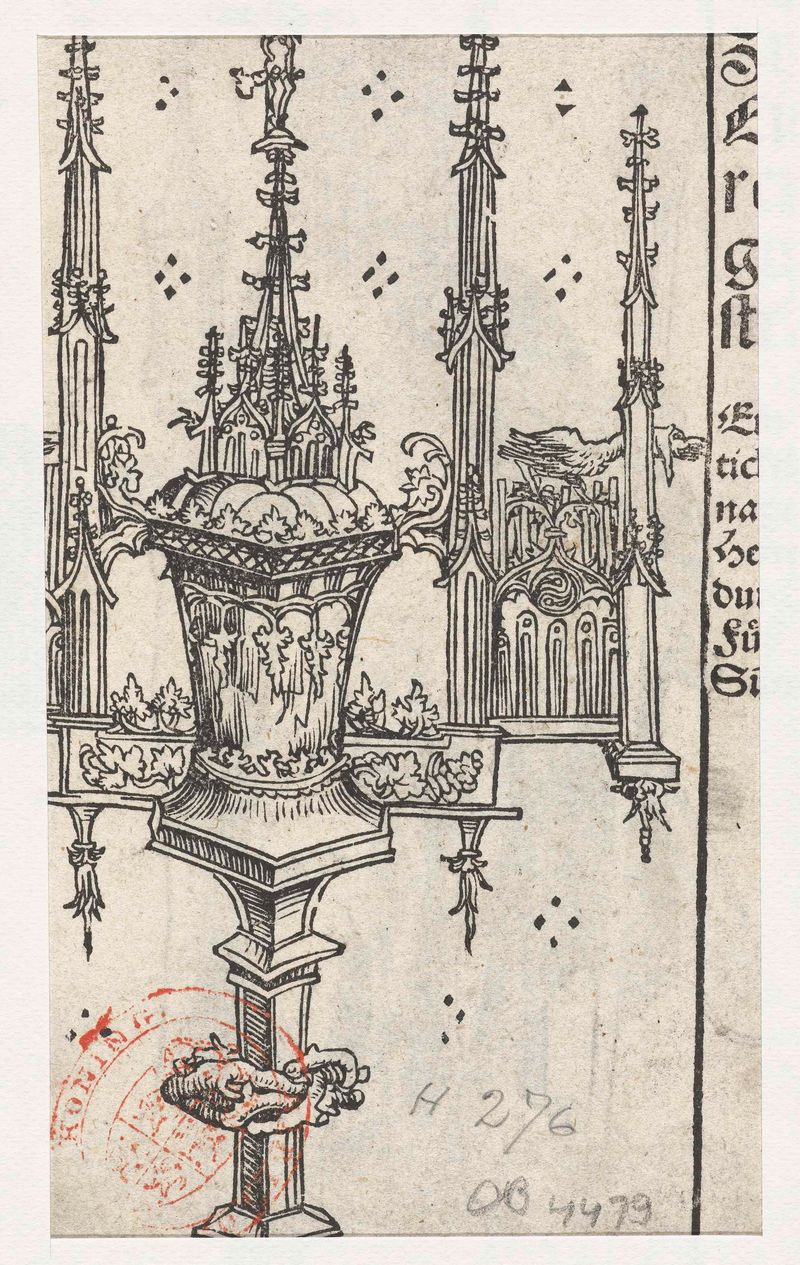
Monstrans met vogel (pelikaan)
Lucas Cranach (I)
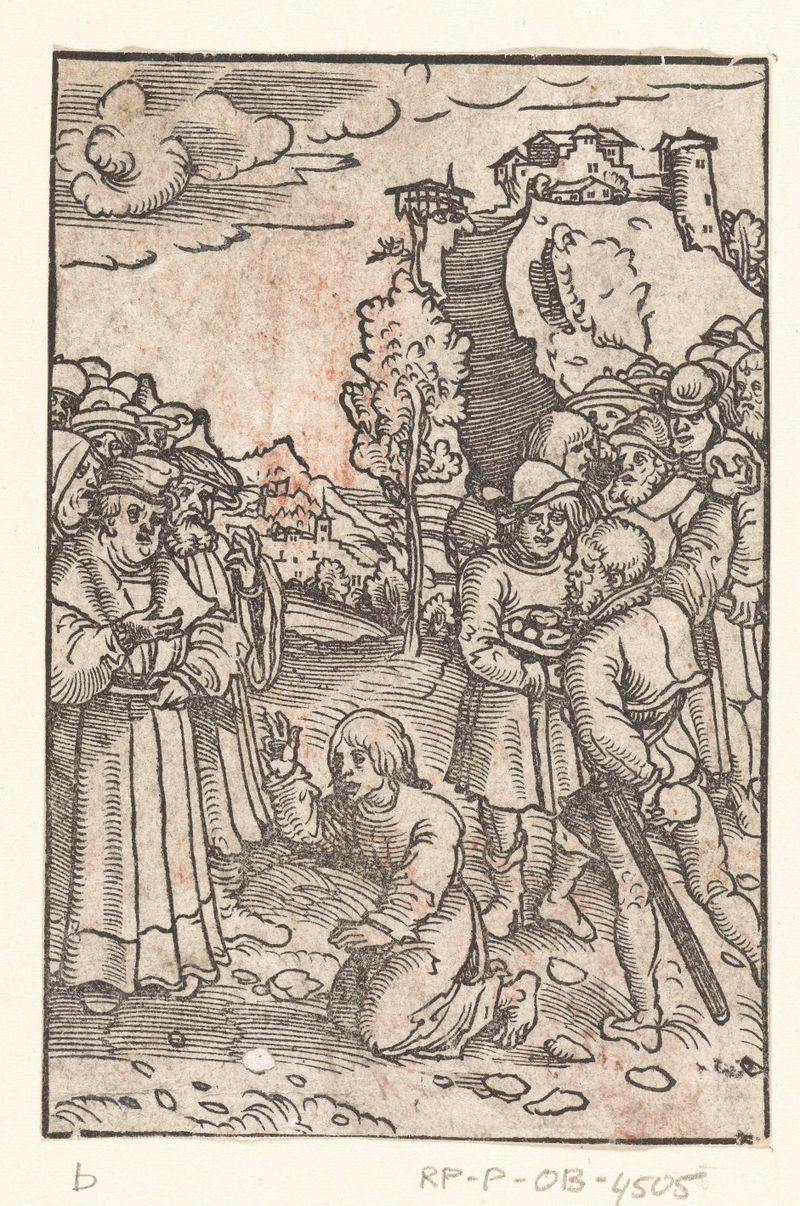
Steniging van Stefanus
Lucas Cranach (I)
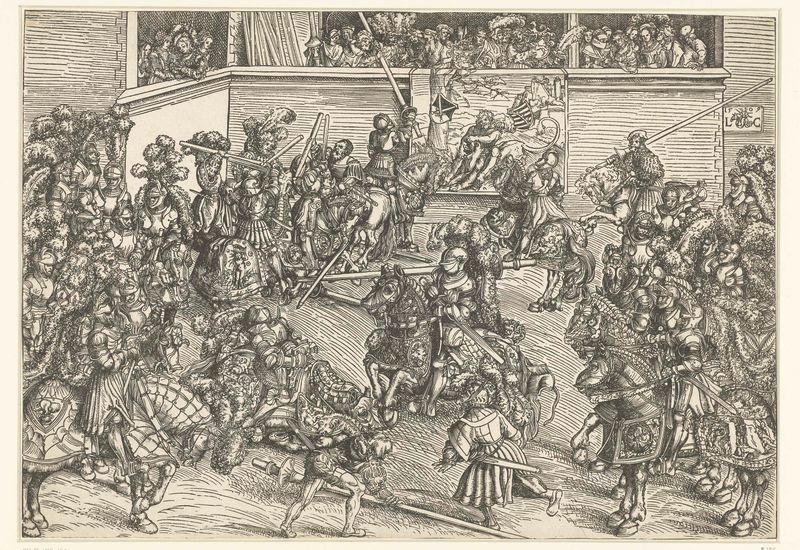
Toernooi van het keurvorstelijk hof van Saksen met wandtapijt Simson doodt de leeuw
Lucas Cranach (I)
More Religious Art
Browse all →
The Return of the Prodigal Son
Rembrandt van Rijn

The Garden of Earthly Delights
El Bosco

Count Orgaz’ funeral
El Greco

The Hundred Guilder Print: the central piece with Christ preaching, the plate arched
Rembrandt van Rijn

The Descent from the Cross
Rogier van der Weyden

The return of the prodigal son
Rembrandt van Rijn