
Rheinlandschaft — History & Facts
Such moments of transformation linger in the spaces where nature meets the human touch, evoking a sense of life and change. Look to the foreground, where gentle ripples in the water reflect the overhanging foliage. The soft blues and greens swirl together, inviting your gaze upward, where the horizon holds a promise of dawn. The artist’s deft handling of light infuses the scene with warmth, suggesting the quiet tension between day and night, the transient nature of existence itself. As you explore further, notice the subtle interplay between the expansive sky and the grounded earth.
The atmospheric perspective draws you into the depth of the landscape, highlighting the contrast between tranquility and the latent energy of transformation. Each element — the trees swaying in the breeze, the distant hills shrouded in mist — serves as a reminder of the ever-changing canvas of life, where every moment holds the potential for renewal. Christian Georg Schütz the elder painted this landscape in a period when Romanticism was blossoming in Europe, though the exact date remains uncertain. His work emerged amidst a growing fascination with nature and its emotive power, reflecting a shift in the artistic narrative of the 18th century.
As he explored the Rhine's beauty, he not only captured a location but also an evolving dialogue about humanity’s relationship with the natural world, setting the stage for subsequent generations of artists.
More Artworks by Christian Georg Schütz the elder
Browse all →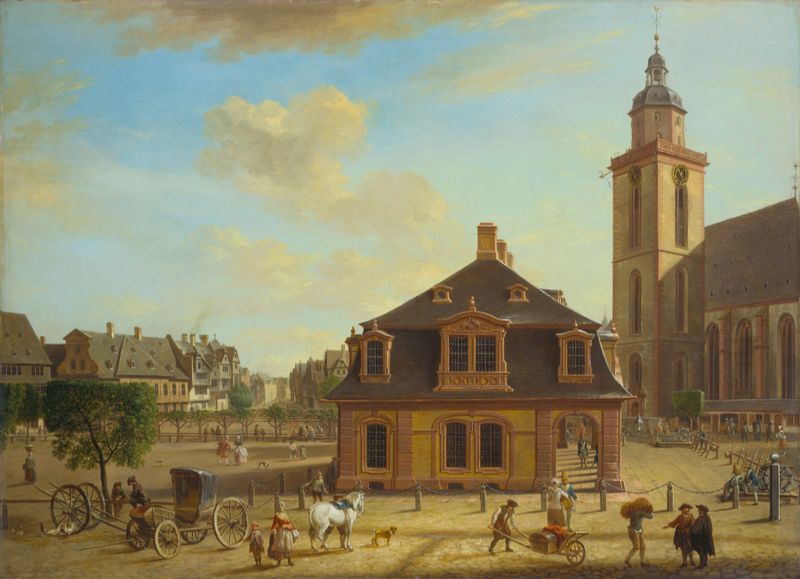
The Rossmarkt in Frankfurt
Christian Georg Schütz the elder
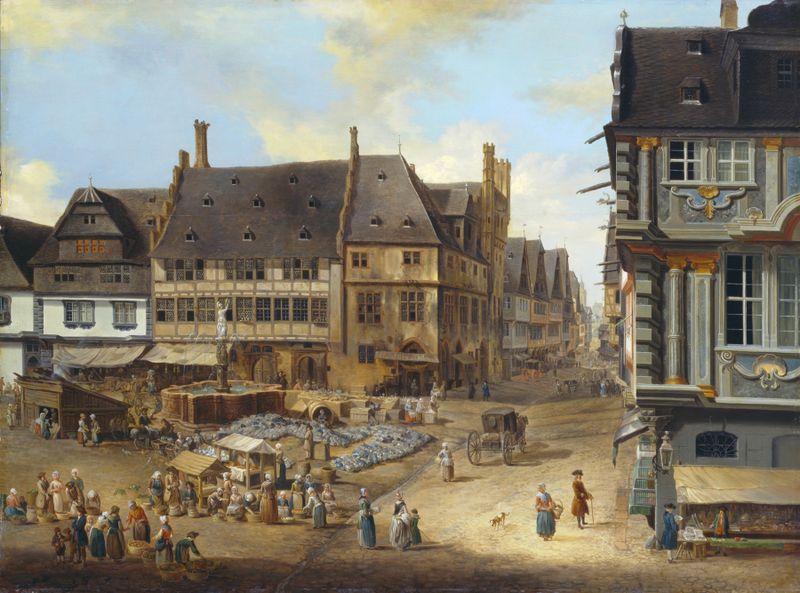
The Liebfrauenberg in Frankfurt
Christian Georg Schütz the elder
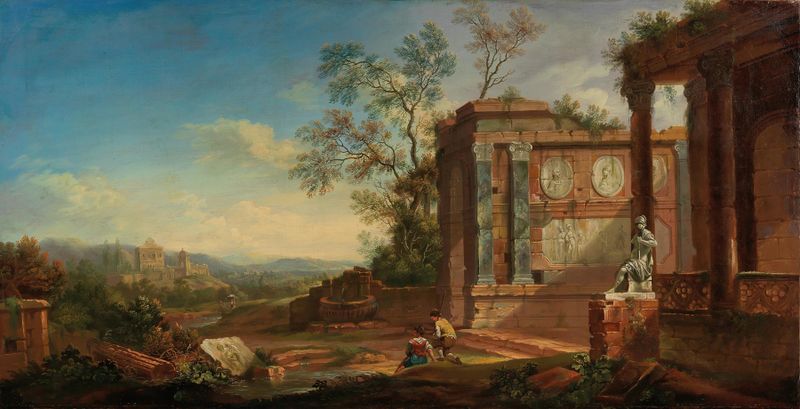
Gebirgige Flusslandschaft
Christian Georg Schütz the elder
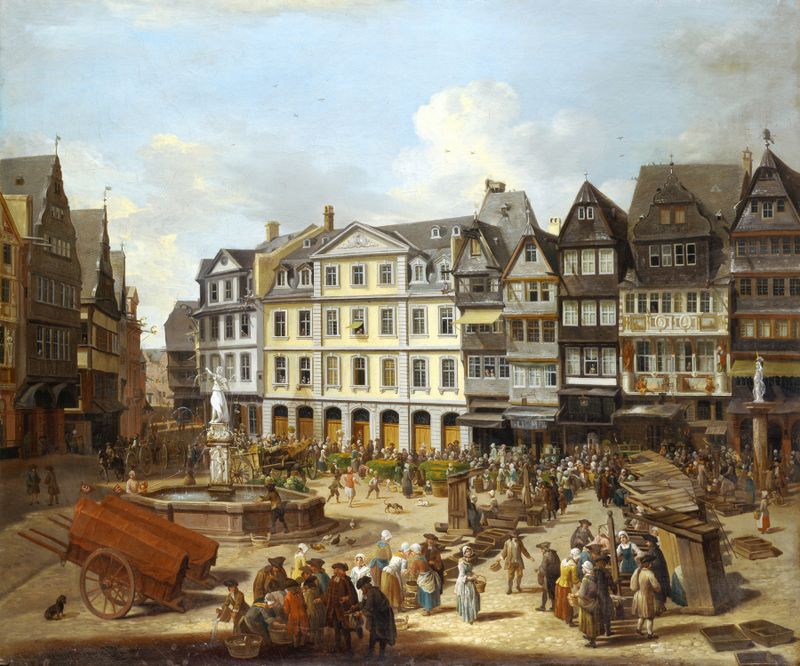
A Market on the Römerberg in Frankfurt
Christian Georg Schütz the elder
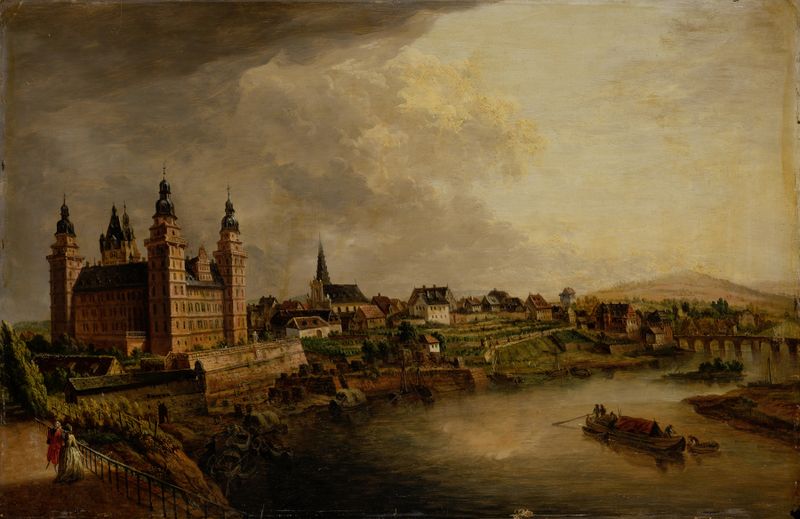
View of Aschaffenburg
Christian Georg Schütz the elder

Landscape with River.
Christian Georg Schütz the elder

River Landscape in the Morning Light
Christian Georg Schütz the elder

A Rhine landscape with a ferry, near Bonn with the Rolandsbogen, Drachenfels and the island of Nonnenwerth beyond
Christian Georg Schütz the elder
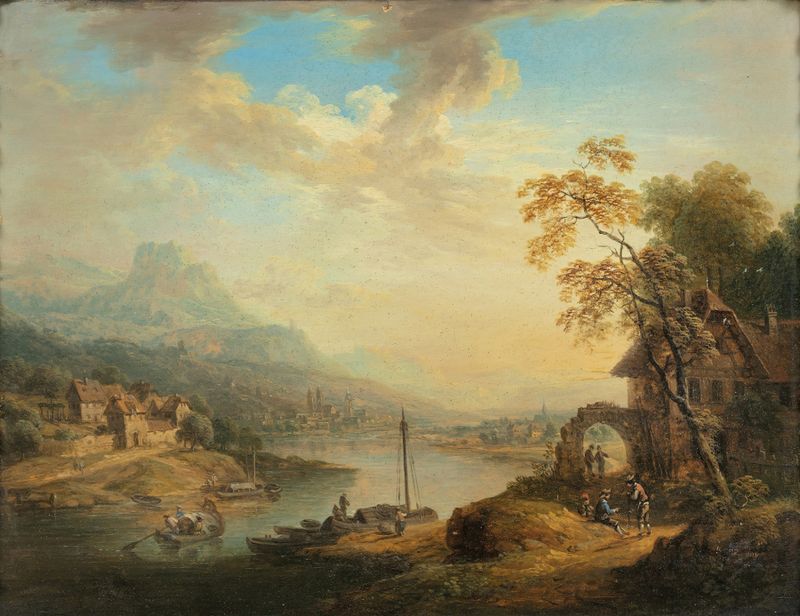
River Landscape
Christian Georg Schütz the elder

Flooded Woodlands near Oberrad
Christian Georg Schütz the elder





