
Rhodes — History & Facts
Is this a mirror — or a memory? The waters shimmer with a dreamlike quality, where the past and present intermingle, teasing the boundaries of reality. Look to the horizon, where the soft hues of blue and gold merge in a delicate embrace, drawing your gaze toward the distant island of Rhodes. Notice how the brushstrokes pulse with energy; the sky, alive with swirling clouds, hints at an impending change, while the calm sea reflects this tumultuous sky in a palette of muted colors. Turner's signature technique of layering color and light creates a luminescent atmosphere, inviting viewers to inhabit both the scene and their own introspections. As you explore further, pay attention to the contrasting elements in play—the serene water juxtaposed with the tempestuous sky evokes a longing for lost moments and the ephemeral nature of beauty.
The ethereal light captures the essence of nostalgia, drawing the viewer into a meditation on memory and longing, as if the canvas itself is a portal to a time forgotten. The figures in the foreground, mere silhouettes against the grand landscape, suggest the insignificance of human existence amidst nature's majesty. Between 1823 and 1824, Turner painted this work while living in London, a time marked by both personal trials and a broader artistic shift toward Romanticism. The industrial revolution was transforming England, and painters were increasingly exploring themes of nature and emotion as a response to the encroaching modernity.
Turner's fascination with light, color, and the sublime during this period solidified his position as a pioneer of landscape painting, pushing boundaries and challenging perceptions of both art and reality.
More Artworks by Joseph Mallord William Turner
Browse all →
Dort or Dordrecht- The Dort Packet-Boat from Rotterdam Becalmed
Joseph Mallord William Turner
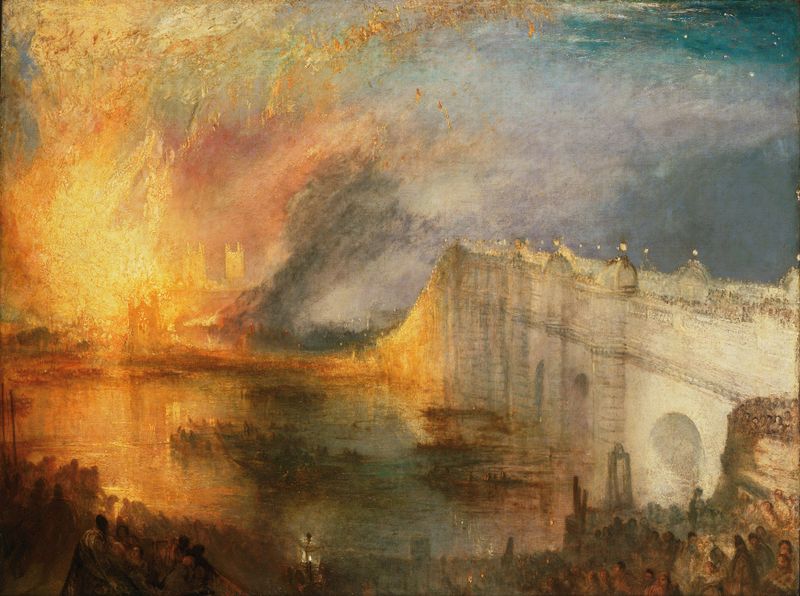
The Burning of the Houses of Lords and Commons, October 16, 1834
Joseph Mallord William Turner
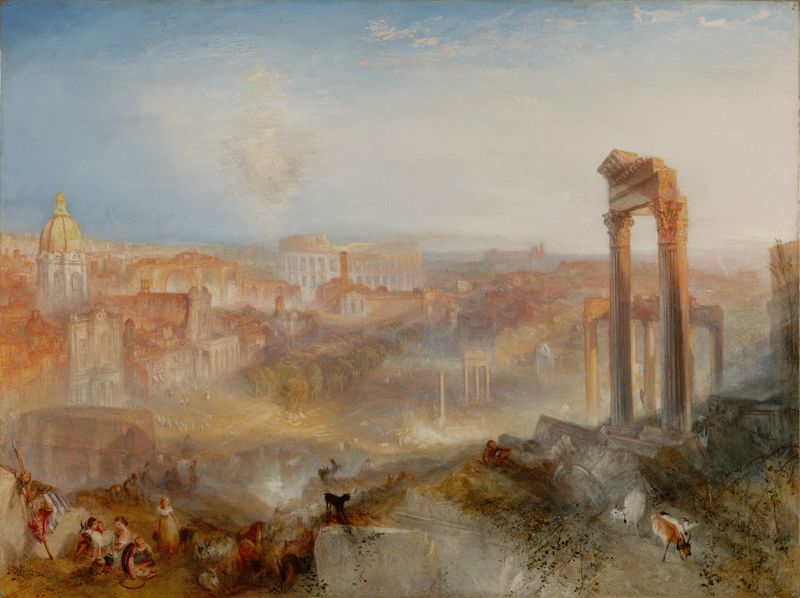
Modern Rome – Campo Vaccino
Joseph Mallord William Turner
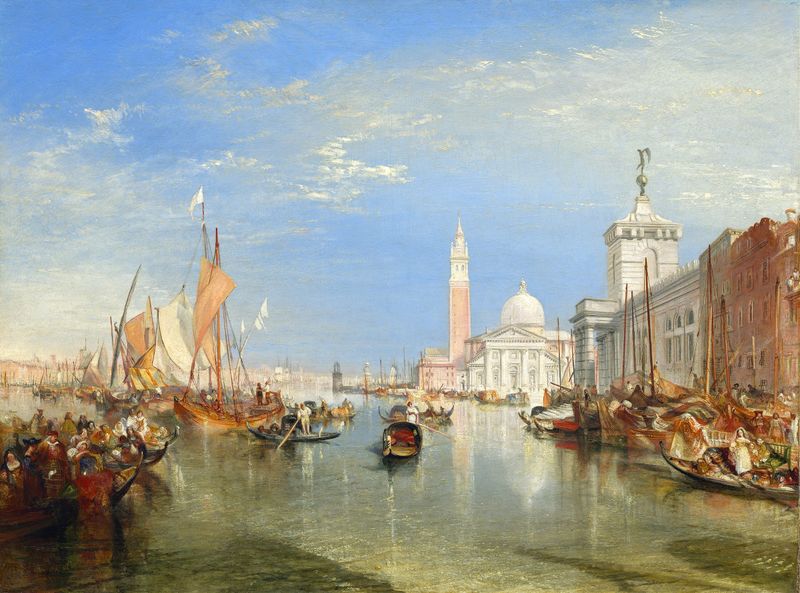
Venice – The Dogana and San Giorgio Maggiore
Joseph Mallord William Turner

The Burning of the Houses of Lords and Commons, 16 October 1834
Joseph Mallord William Turner
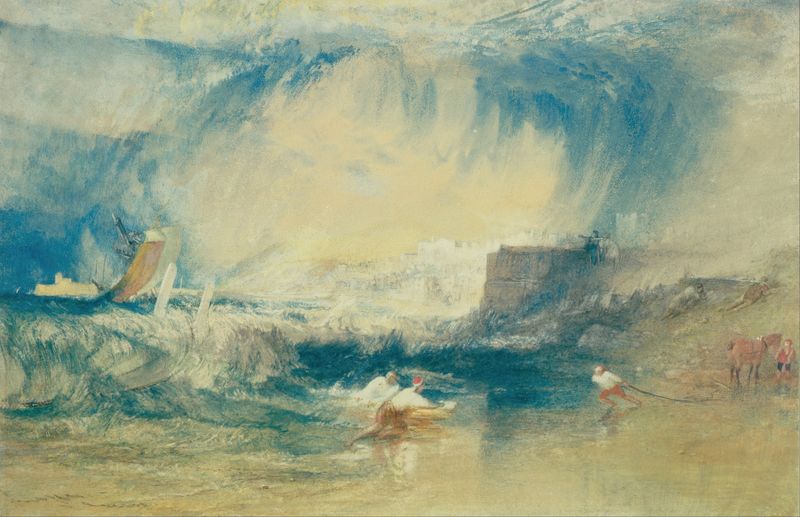
Lyme Regis, Dorsetshire, England
Joseph Mallord William Turner
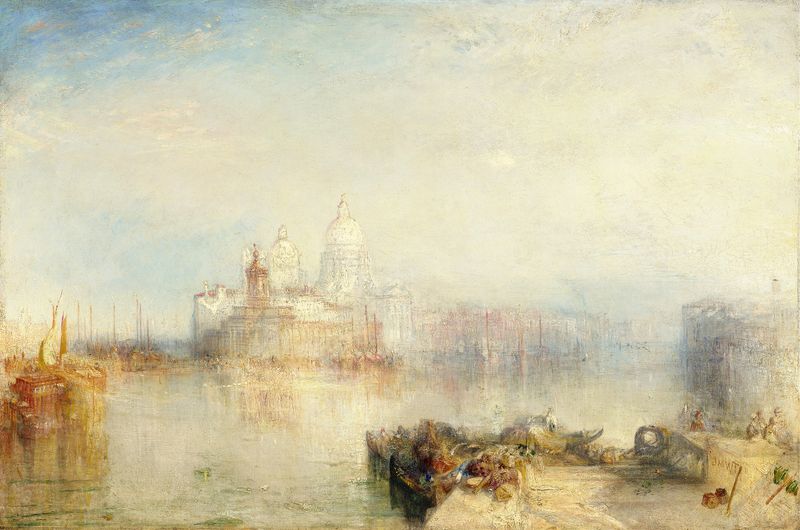
The Dogana and Santa Maria della Salute, Venice
Joseph Mallord William Turner
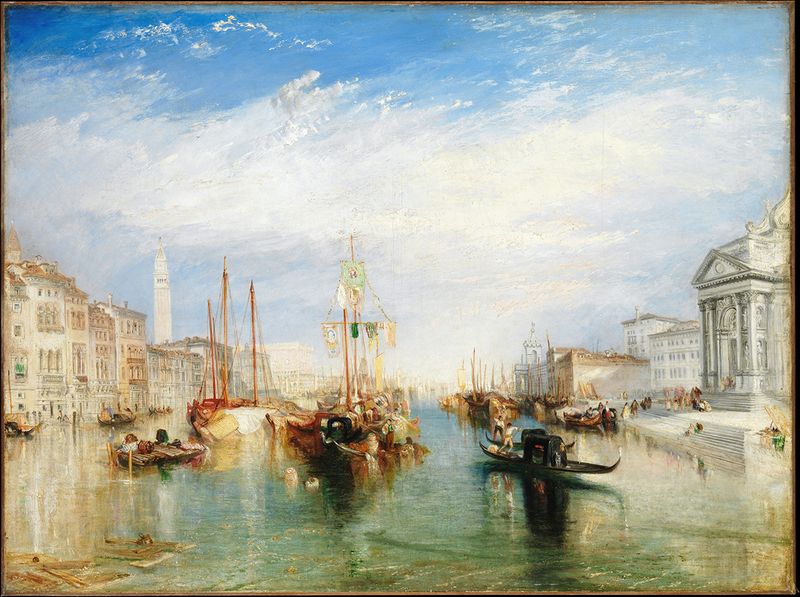
Venice, from the Porch of Madonna della Salute
Joseph Mallord William Turner
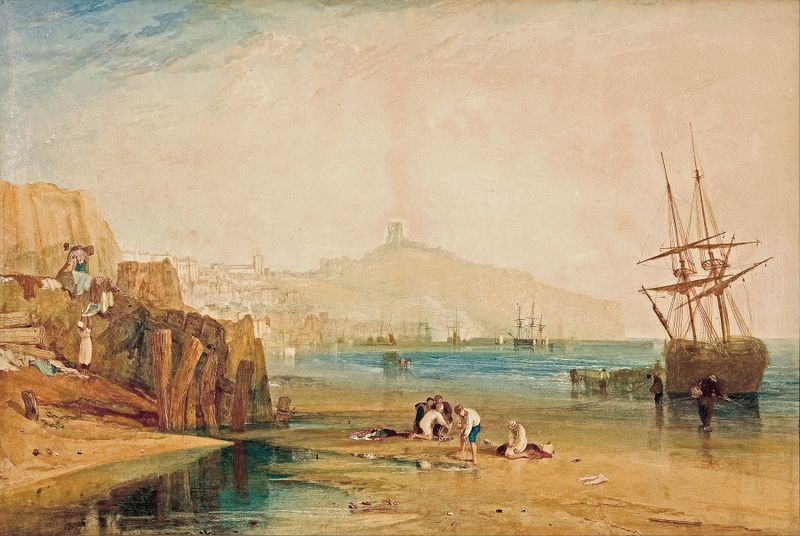
Scarborough town and castle; morning; boys catching crabs
Joseph Mallord William Turner
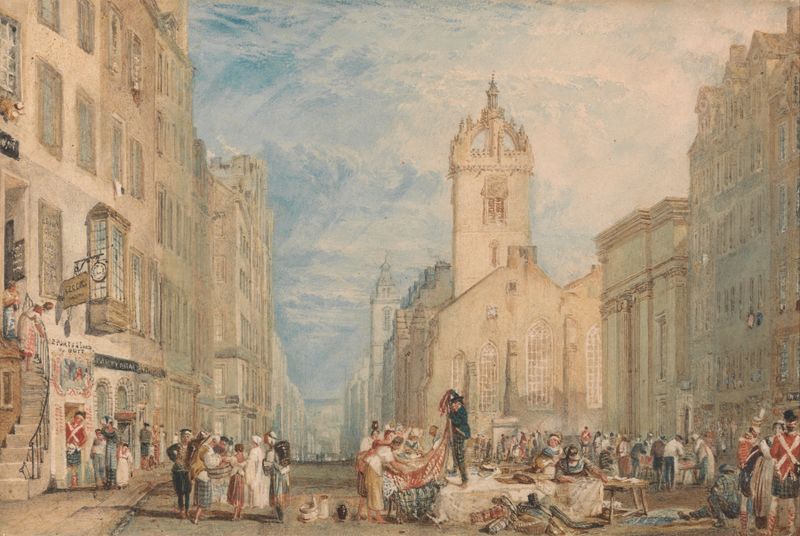
High Street, Edinburgh
Joseph Mallord William Turner




