
Rider Conversing With A Shepherdess In An Extensive Landscape — History & Facts
When did color learn to lie? In Rider Conversing With A Shepherdess In An Extensive Landscape, the hues whisper tales of connection against a backdrop of profound solitude. Focus first on the figures at the center, where a rider engaged in conversation with a shepherdess draws our attention. Notice how the warm tones of their garments clash beautifully with the cool, expansive blues and greens that stretch into the horizon, emphasizing the vast emptiness surrounding them. The play of light softly caresses their forms, spotlighting their interaction while the distant landscape fades into a gentle haze.
This careful composition creates a tension between intimacy and isolation, urging viewers to reflect on their own connections within such a boundless environment. As you delve deeper, consider the juxtaposition of the vibrant figures against the vastness of the landscape. The shepherdess, with her downturned gaze, embodies a sense of contemplation or even longing, while the rider’s upright posture suggests a yearning for connection amidst an overwhelming emptiness. The swaying grass and distant hills seem to listen, amplifying the silence of their conversation, evoking feelings of both hope and melancholy.
This emotional landscape invites us to ponder the significance of human encounter in the face of nature’s indifference. In 1850, Verboeckhoven worked in Belgium, a time when Romanticism was giving way to Realism in the art world. He was known for his pastoral scenes that often featured animals and landscapes, reflecting a shift towards more realistic portrayals of rural life. During this period, he sought to capture the essence of human connection in the natural world, a theme that resonates powerfully in this piece, inviting viewers to engage with both the characters and the expansive solitude surrounding them.
More Artworks by Eugène Joseph Verboeckhoven
Browse all →
The Guardian Of The Flock
Eugène Joseph Verboeckhoven
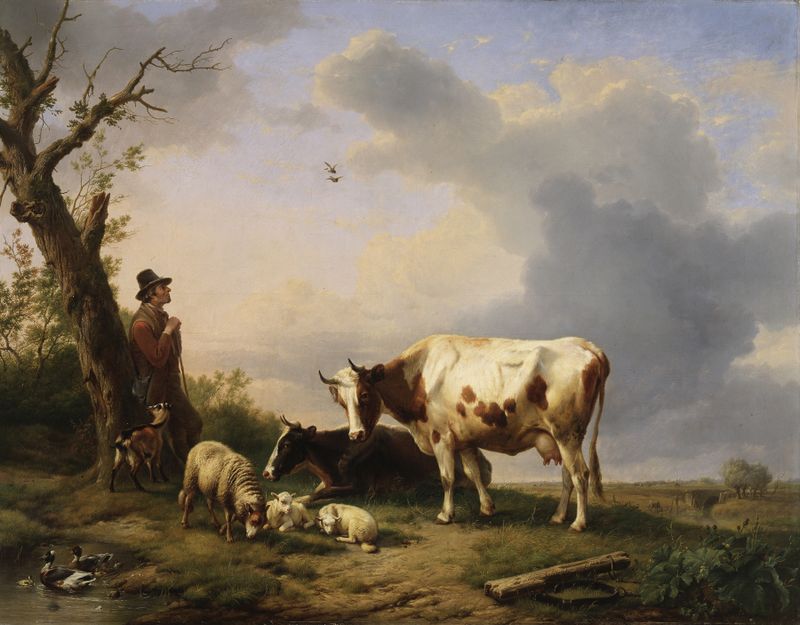
Landscape with animals
Eugène Joseph Verboeckhoven
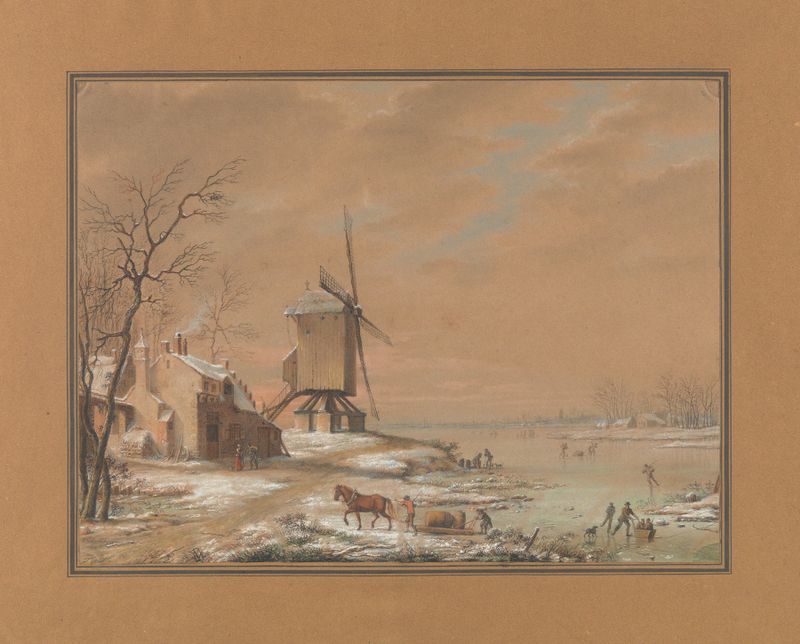
Winterlandschap
Eugène Joseph Verboeckhoven

Sheep and Chicken in a Landscape
Eugène Joseph Verboeckhoven
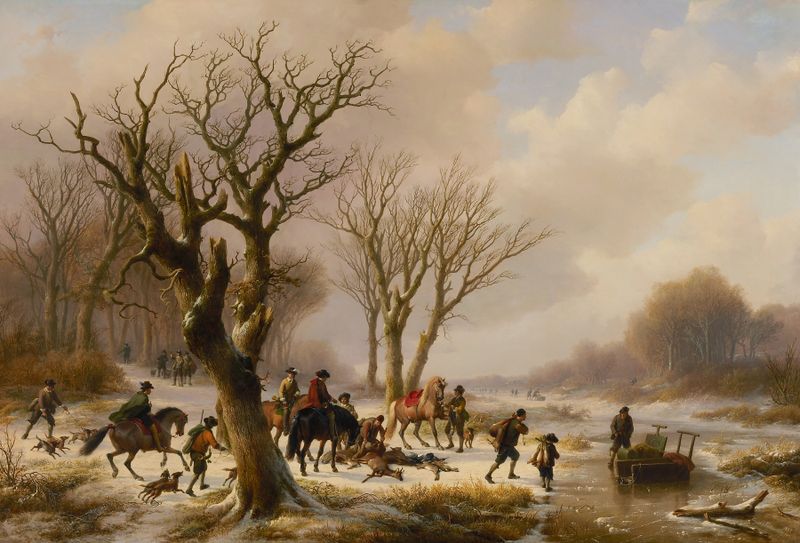
Na de jacht
Eugène Joseph Verboeckhoven
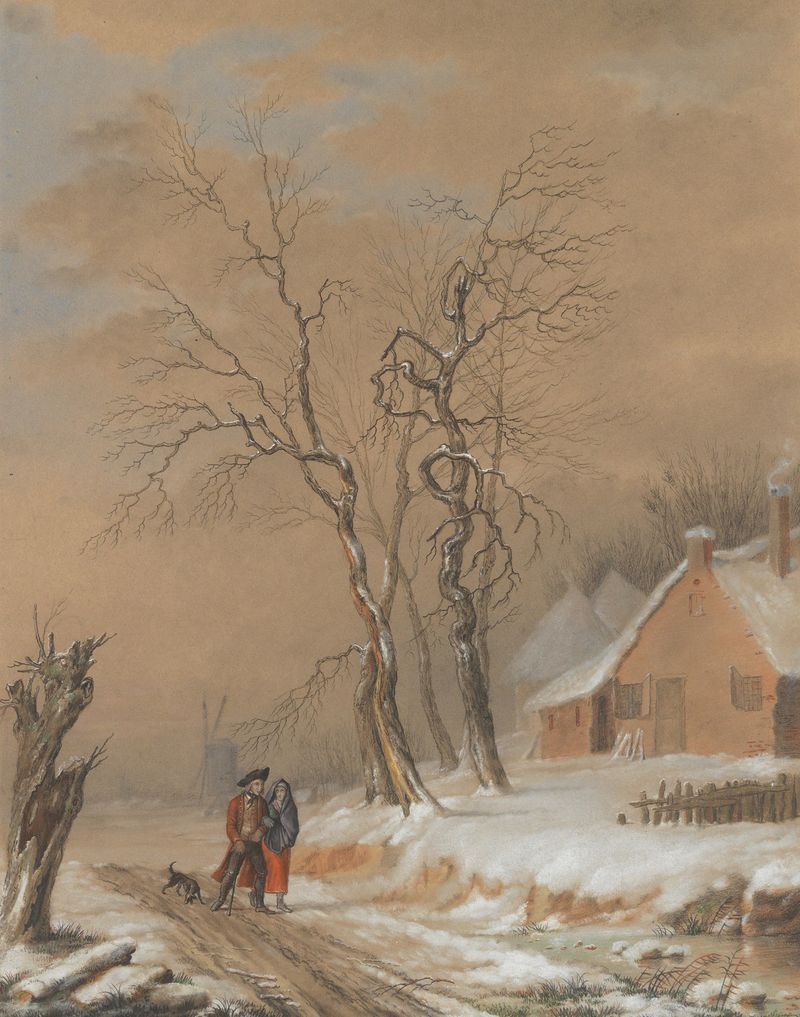
Winter landscape with two figures and a dog
Eugène Joseph Verboeckhoven

Horseman Resting
Eugène Joseph Verboeckhoven
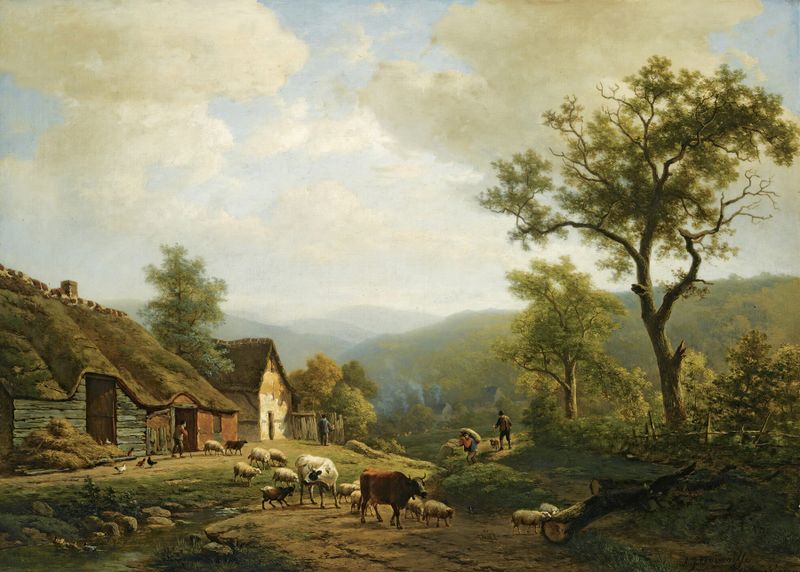
A Hilly Landscape With Cattle Going To The Fields
Eugène Joseph Verboeckhoven
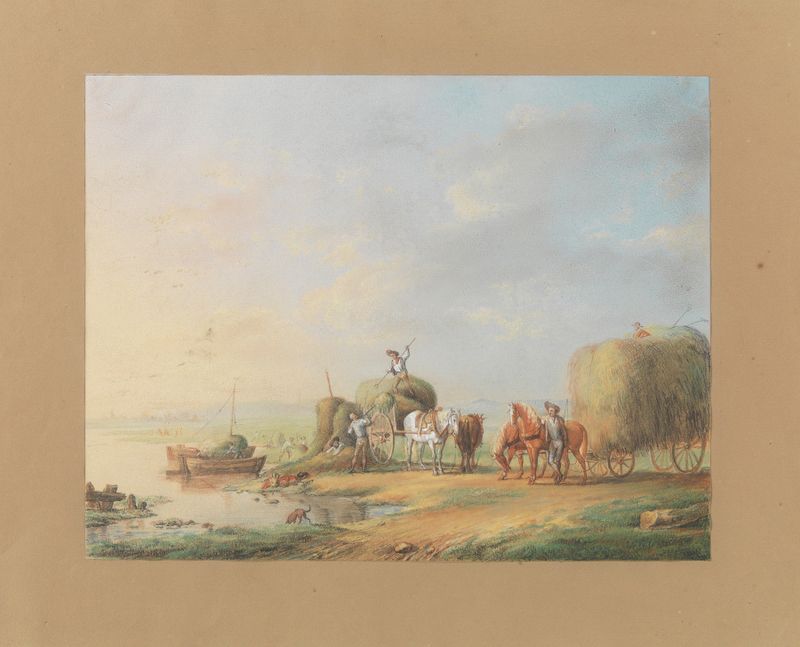
Boeren met paarden en hooiwagens aan de oever van een rivier
Eugène Joseph Verboeckhoven
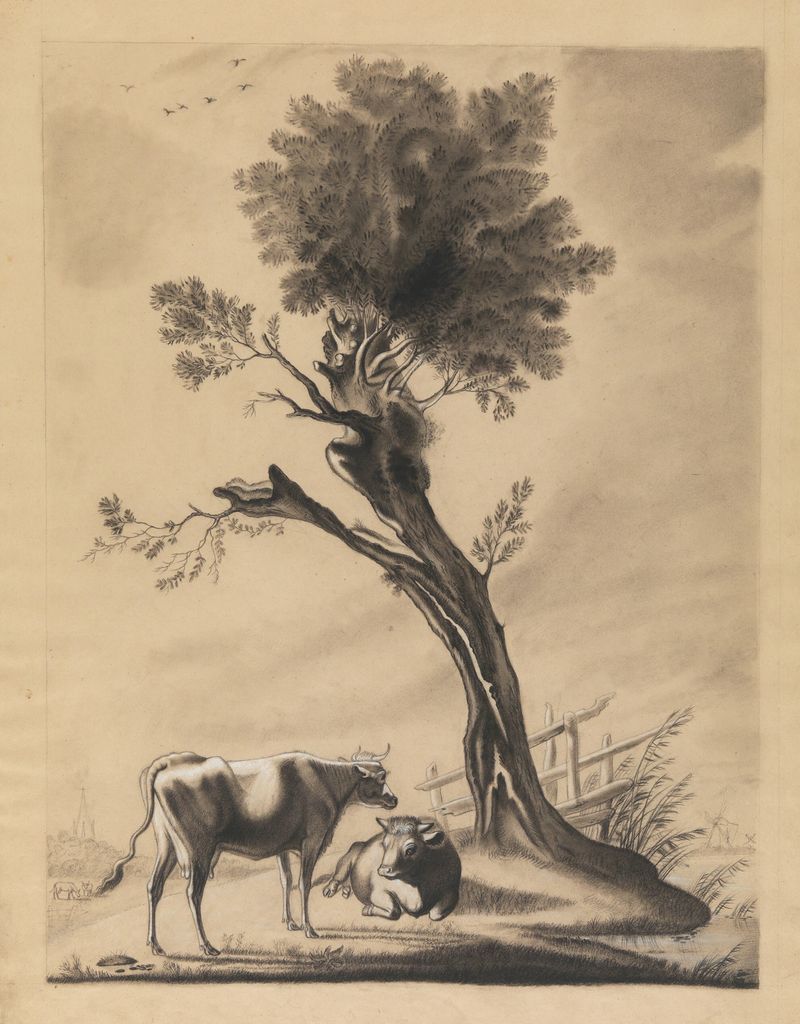
Cows in a landscape
Eugène Joseph Verboeckhoven





