
Rijke man in de hel en Lazarus in de hemel bij Abraham — History & Facts
Could a single brushstroke hold eternity? In the intricate layers of Rijke man in de hel en Lazarus in de hemel bij Abraham, beauty transcends the canvas, inviting the viewer into a dialogue about life, death, and the contrasting fates of souls. Look to the left at the lavishly adorned figure, the rich man, whose opulence starkly contrasts with the ragged form of Lazarus on the right. The sumptuous reds and golds employed in the rich man’s garments draw the eye, while the muted earth tones of Lazarus evoke a somber reality. Notice how light cascades over their forms, illuminating the gluttonous indulgence of the former and the ethereal glow surrounding the latter, a visual metaphor for their diverging destinies. Beneath the surface, the painting weaves a narrative of moral reckoning.
The distant, serene gaze of Abraham exuding compassion serves as a silent rebuke to the wealthy man's excesses. The juxtaposition of comfort and despair is palpable, highlighting the consequences of earthly choices. Here, beauty is not merely in the aesthetic; it is a haunting reminder of the transient nature of wealth and the eternal significance of humility. Georg Pencz created this work in Nuremberg between 1542 and 1543, during a period marked by the rise of the Reformation and a growing interest in moral themes within art.
He was influenced by Northern Renaissance ideals, which emphasized detail and symbolism, capturing the zeitgeist of an era grappling with spirituality and social justice. This painting encapsulates the tension of its time, inviting viewers to reflect on their paths in the light of eternity.
More Artworks by Georg Pencz
Browse all →
Parabel van de zaaier
Georg Pencz

Parabel van de arbeiders in de wijngaard
Georg Pencz
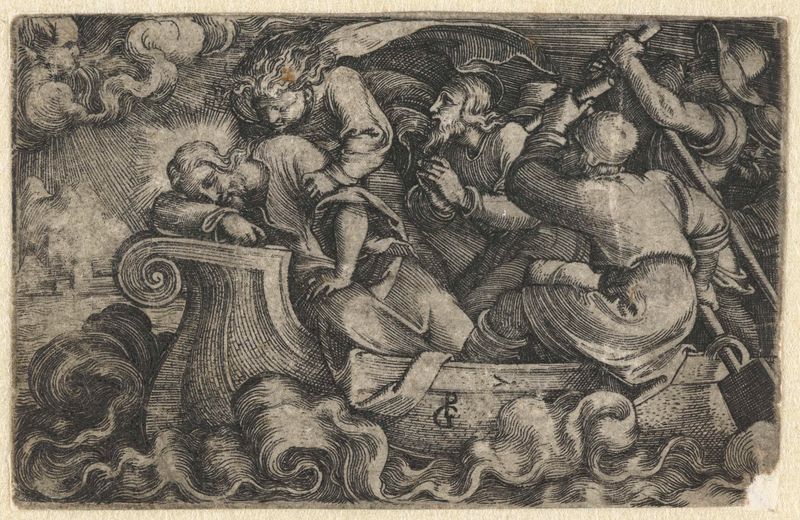
Discipelen wekken slapende Christus tijdens storm op Meer van Galilea
Georg Pencz

Afgunst (Invidia)
Georg Pencz
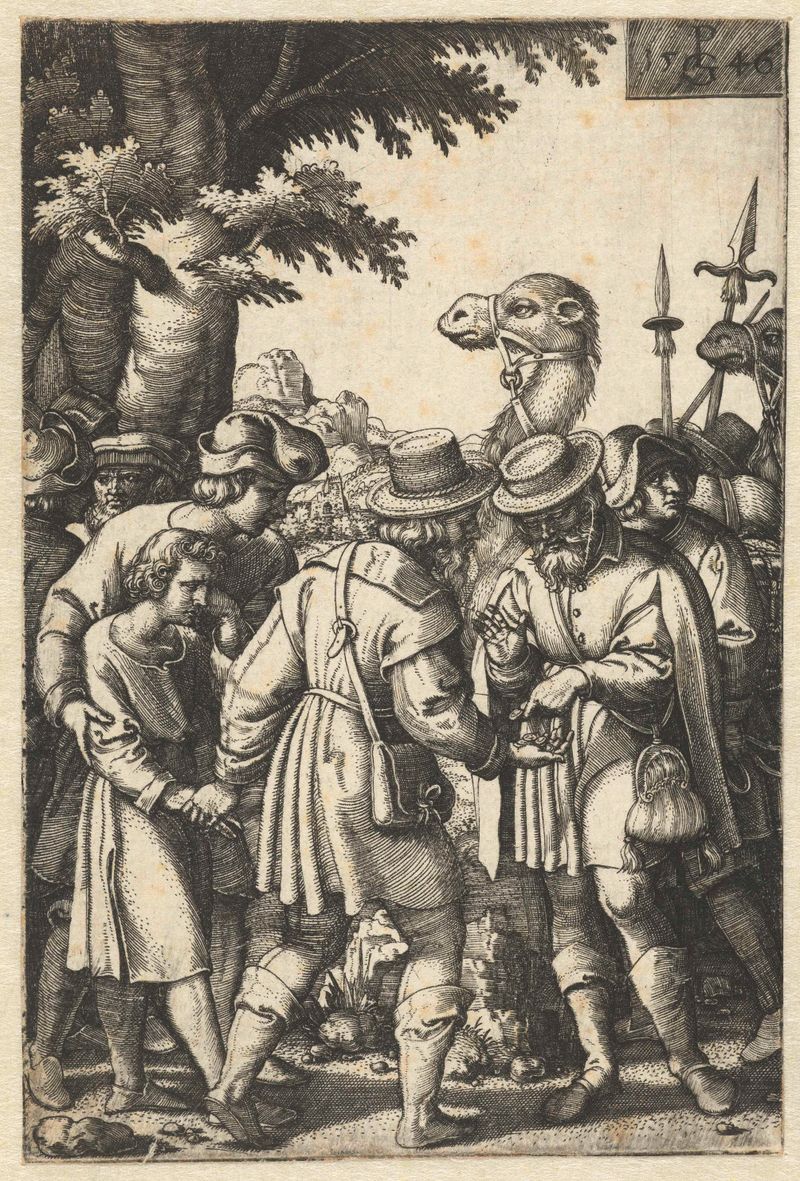
Jozef wordt verkocht aan kooplieden op weg naar Egypte
Georg Pencz

Aanbidding der koningen
Georg Pencz
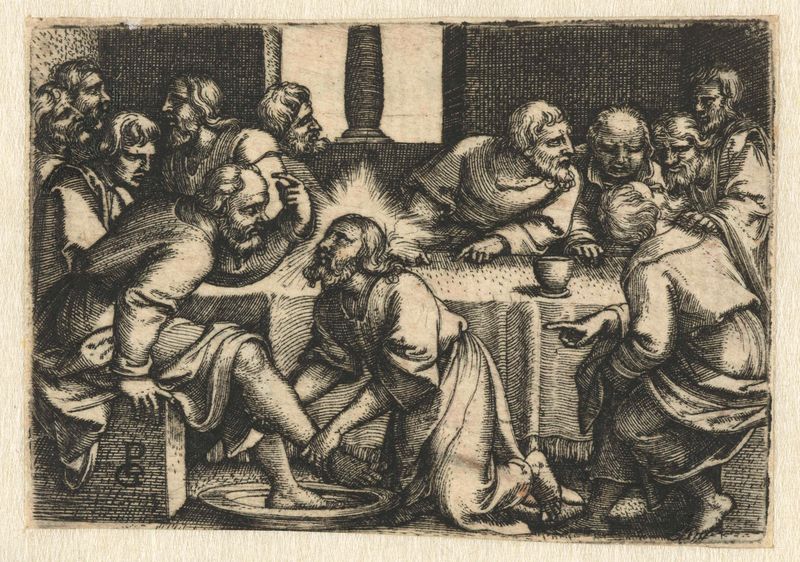
Petrus protesteert als Christus zijn voeten wast
Georg Pencz
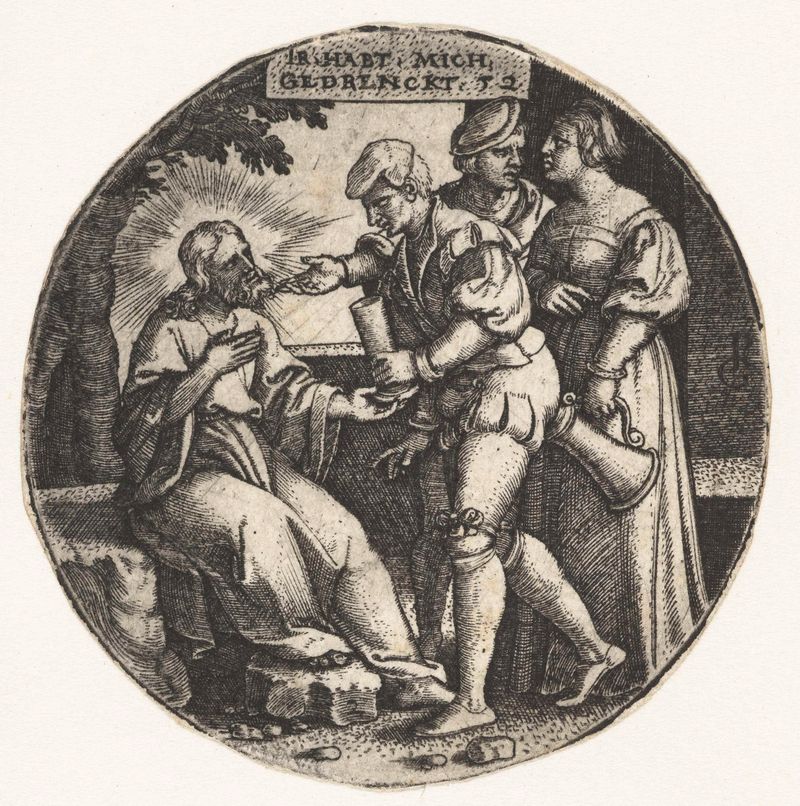
Christus heeft dorst en krijgt drinken aangeboden
Georg Pencz
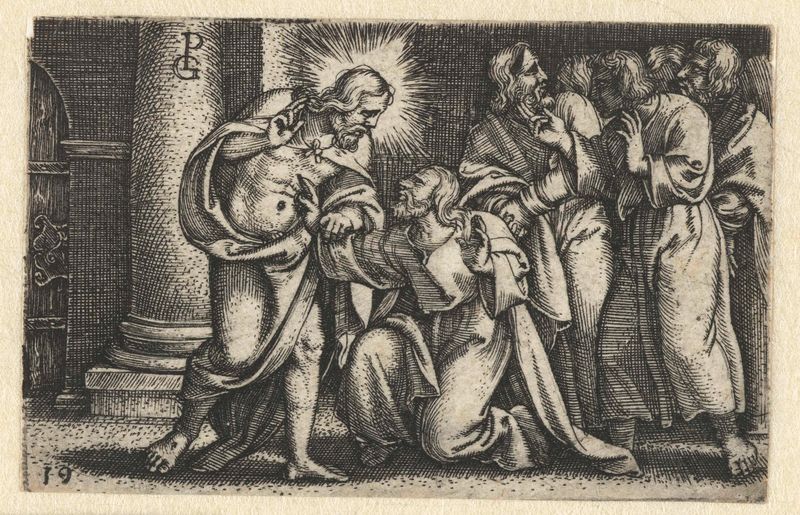
Ongelovige Thomas raakt wonden Christus aan
Georg Pencz

Offer van Abraham van Isaak
Georg Pencz
More Religious Art
Browse all →
The Return of the Prodigal Son
Rembrandt van Rijn

The Garden of Earthly Delights
El Bosco

Count Orgaz’ funeral
El Greco

The Hundred Guilder Print: the central piece with Christ preaching, the plate arched
Rembrandt van Rijn

The Descent from the Cross
Rogier van der Weyden

The return of the prodigal son
Rembrandt van Rijn