
River Landscape with Mule Drover — History & Facts
Can beauty exist without sorrow? The landscape before us whispers of longing, an exquisite harmony of nature and emotion that beckons the soul to ponder life’s fleeting moments. Look to the left at the gentle curve of the river, its waters shimmering under the soft caress of sunlight. The painter employs delicate brushstrokes, allowing the ripples to dance as if animated by a breeze. Notice how the rich greens of the surrounding foliage contrast with the muted browns of the earth, creating a sense of balance and tranquility, while the solitary figure of the mule drover stands as a poignant reminder of human presence in this serene wilderness. The juxtaposition of the tranquil landscape against the lone traveler stirs a sense of melancholy.
The drover, lost in thought, conveys a profound solitude; perhaps he yearns for a place beyond the horizon, echoing an unfulfilled desire that resonates with many. The distant mountains loom as silent witnesses, their grandeur symbolizing the weight of aspirations that remain just out of reach, enhancing the emotional depth of the scene. Created in 1750, this work emerged during a time when Christian Georg Schütz the elder found himself at the crossroads of artistic innovation in Europe. Settled in Germany, he was influenced by the naturalistic movement that sought to capture the essence of everyday life.
As the world awoke to new ideas about beauty and nature, Schütz’s landscape reflected both the harmony and the underlying sorrow that characterize the human experience, making his art timeless and profoundly relatable.
More Artworks by Christian Georg Schütz the elder
Browse all →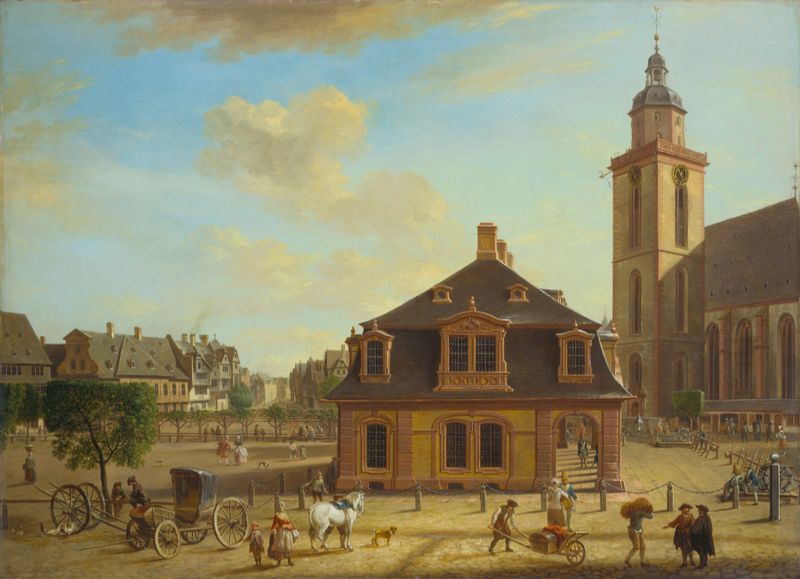
The Rossmarkt in Frankfurt
Christian Georg Schütz the elder
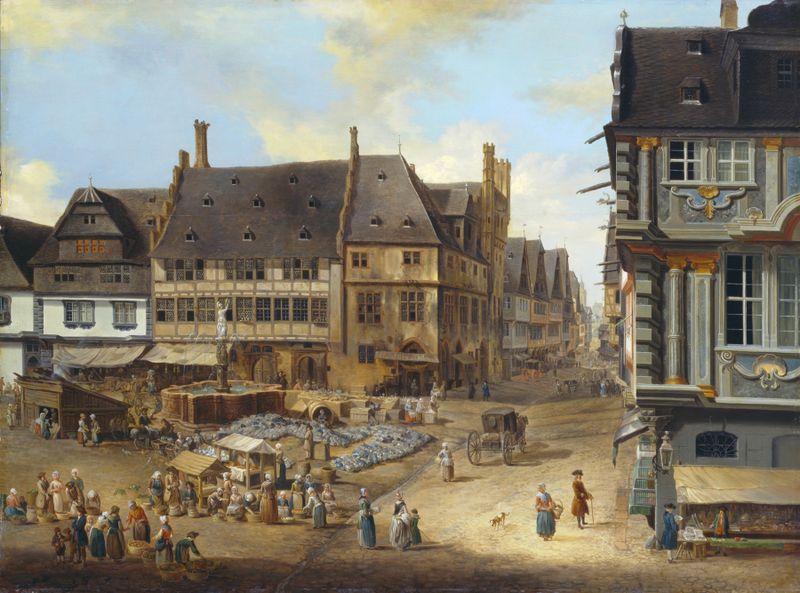
The Liebfrauenberg in Frankfurt
Christian Georg Schütz the elder
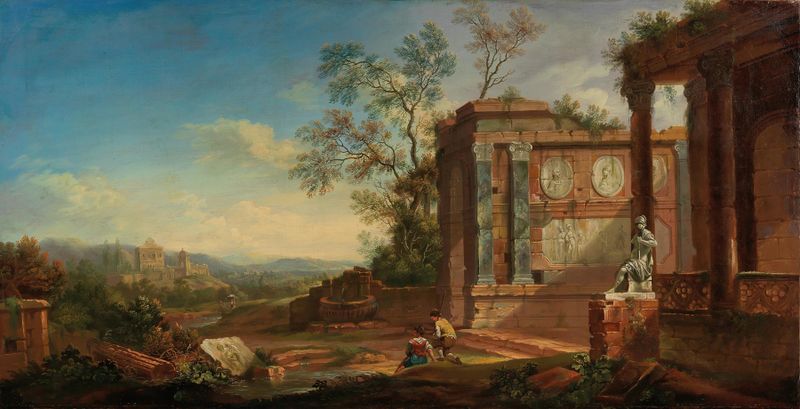
Gebirgige Flusslandschaft
Christian Georg Schütz the elder
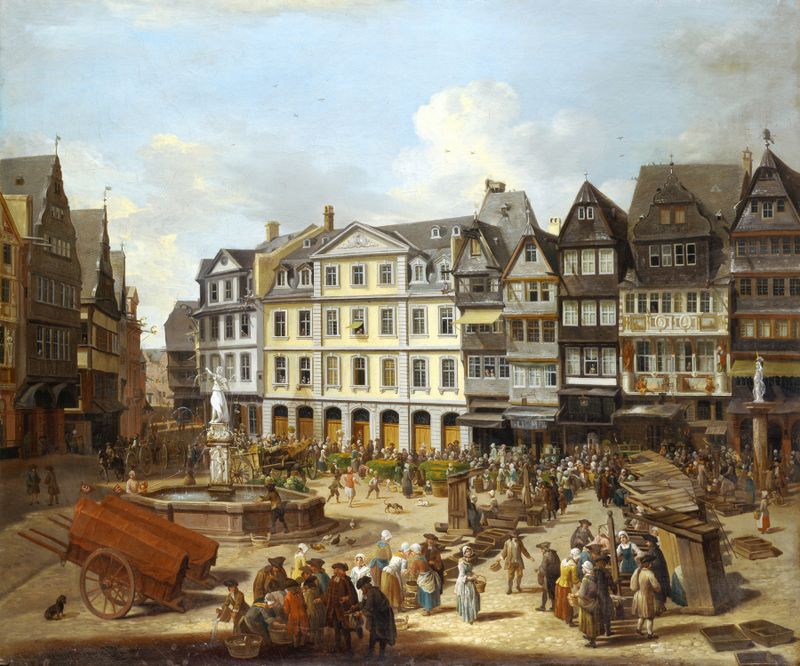
A Market on the Römerberg in Frankfurt
Christian Georg Schütz the elder
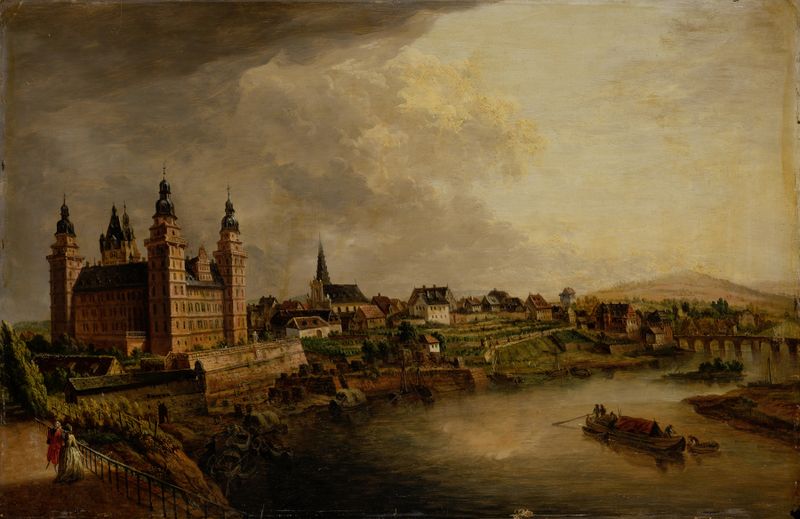
View of Aschaffenburg
Christian Georg Schütz the elder

Landscape with River.
Christian Georg Schütz the elder

River Landscape in the Morning Light
Christian Georg Schütz the elder

A Rhine landscape with a ferry, near Bonn with the Rolandsbogen, Drachenfels and the island of Nonnenwerth beyond
Christian Georg Schütz the elder
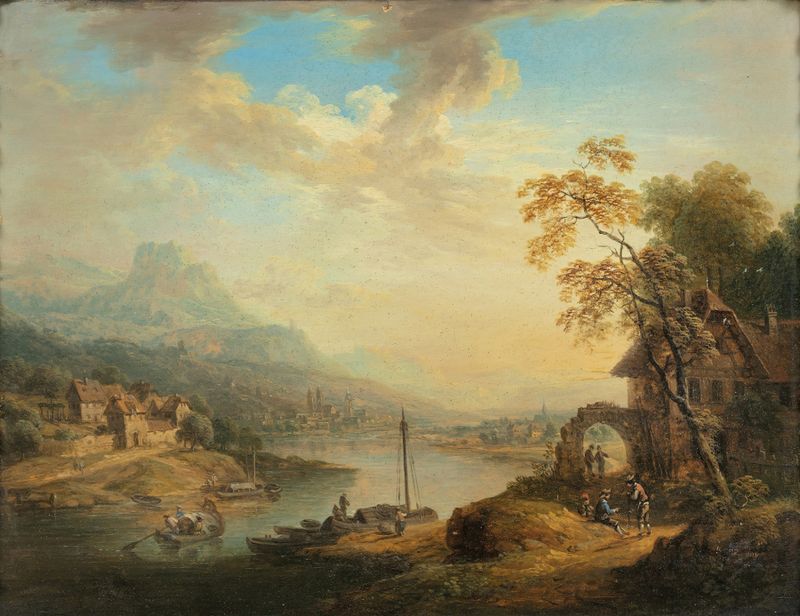
River Landscape
Christian Georg Schütz the elder

Flooded Woodlands near Oberrad
Christian Georg Schütz the elder





