
River View — History & Facts
In the quiet moments between light and shadow, the truth of a landscape emerges, inviting us to pause and reflect. Look to the left at the serene expanse of water, where subtle hues of blue and green create a sense of depth and tranquility. The artist employs gentle brushstrokes that mimic the soft ripples of the river, drawing the eye across the surface and inviting exploration of the scene. Notice how the light filters through the clouds above, casting a golden glow on the distant horizon and illuminating the horizon line, which seamlessly merges the land and sky in a delicate embrace. As we delve deeper, the tranquility of the river contrasts sharply with the looming presence of the darkened trees on the shore.
This juxtaposition evokes a sense of introspection; the light symbolizes hope and possibility, while the shadows hint at the complexities of existence. The small figures in the distance serve as reminders of human scale and vulnerability within nature’s grandeur, creating an emotional tension that resonates long after one has left the canvas. Jan van Goyen painted this work around 1644 to 1648, during a period of great change in the Dutch art scene, where landscape painting began to flourish. Living in a time marked by the prosperity of the Dutch Golden Age, he was influenced by the natural beauty surrounding him and the shifting tides of artistic expression, capturing the essence of light and atmosphere that defined his legacy in this serene view.
More Artworks by Jan van Goyen
Browse all →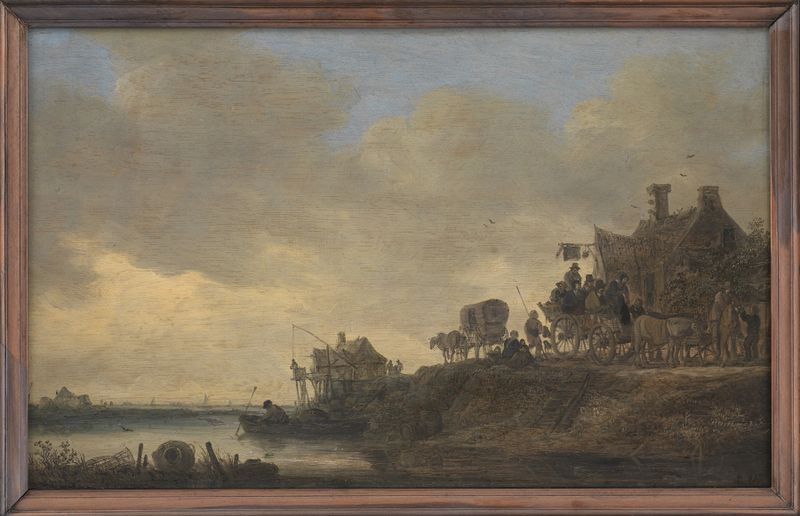
River Scene with the ‘Swan’ Tavern
Jan van Goyen

The Valkhof in Nijmegen
Jan van Goyen
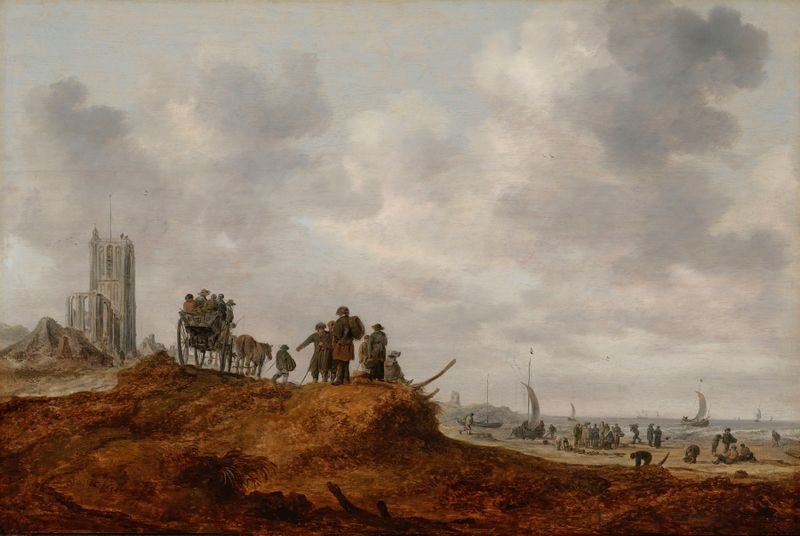
The Old Church at Egmond aan Zee
Jan van Goyen
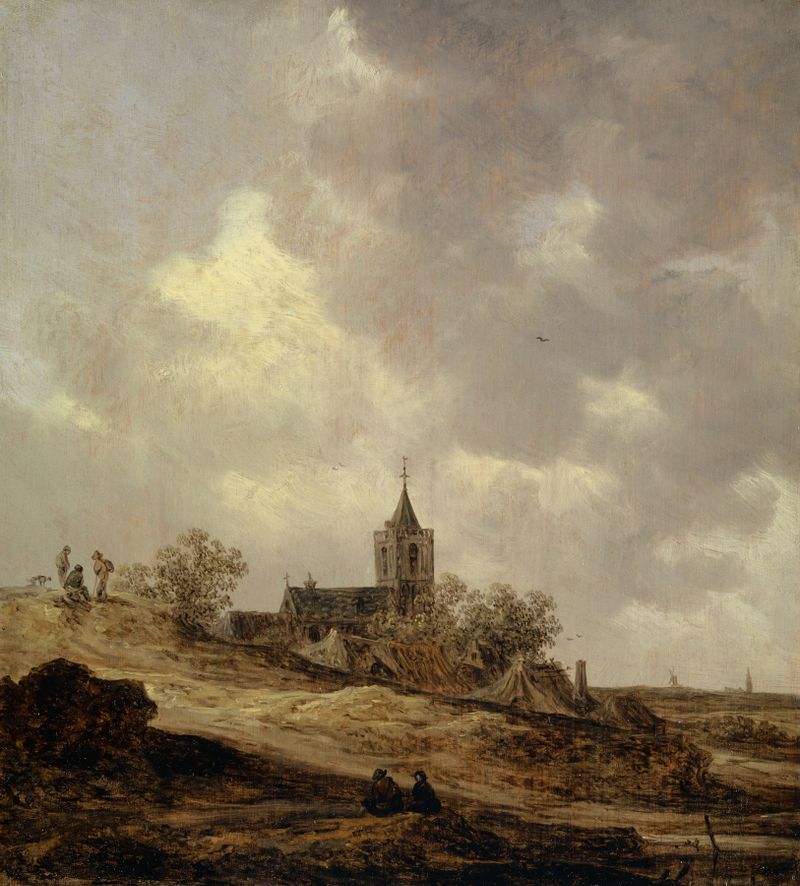
Village Church seen from the Dunes
Jan van Goyen
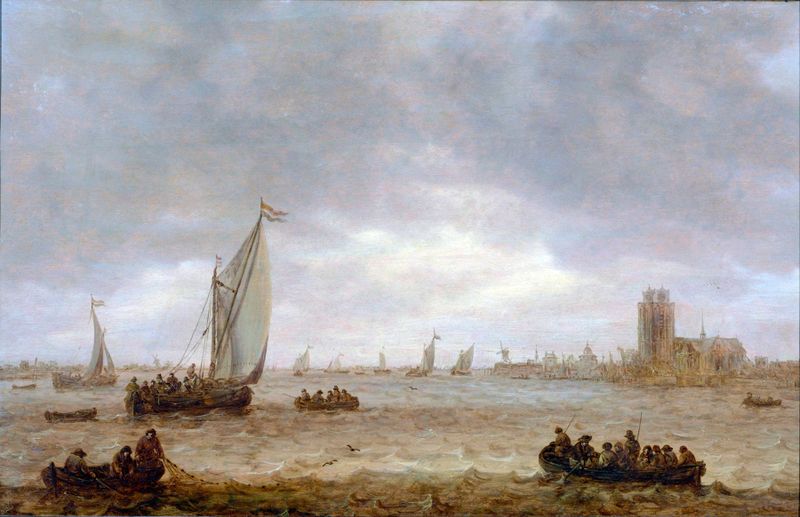
Mouth of the Meuse
Jan van Goyen

River Landscape with the Pellecussen Gate near Utrecht
Jan van Goyen
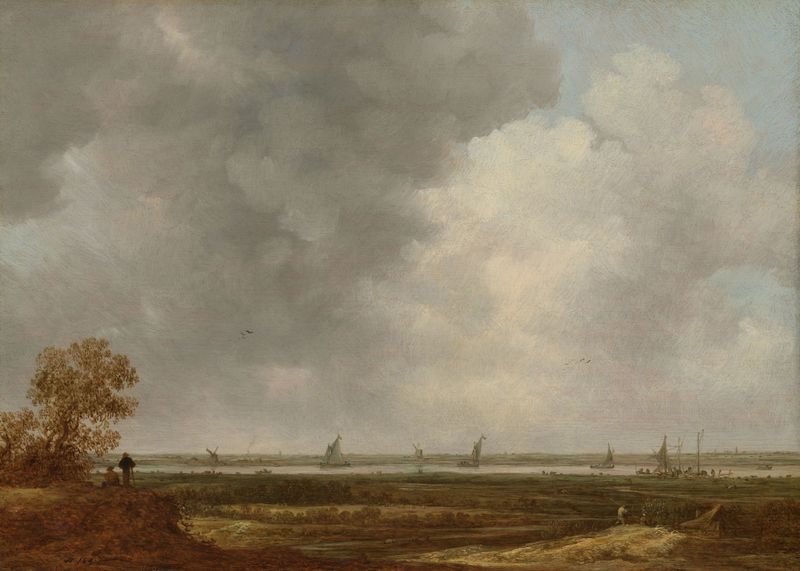
Panoramic View of a River with Low-lying Meadows
Jan van Goyen
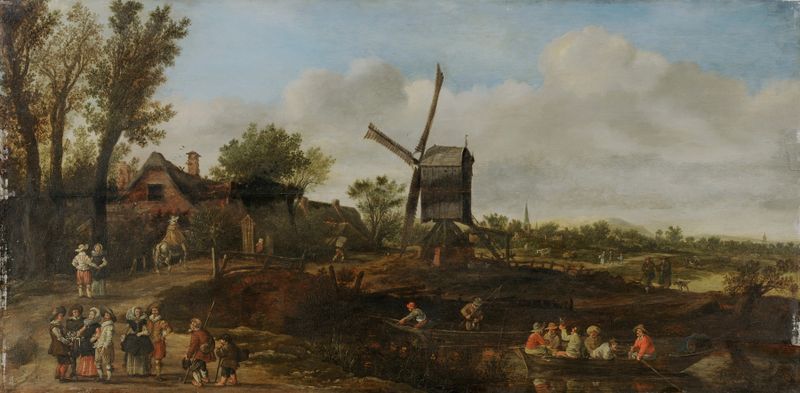
Dutch Landscape
Jan van Goyen
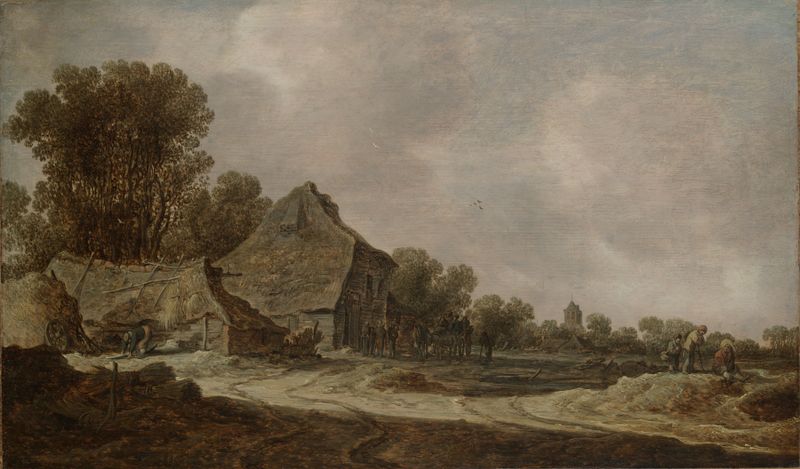
A Sandy Road with Thatched Cottages
Jan van Goyen
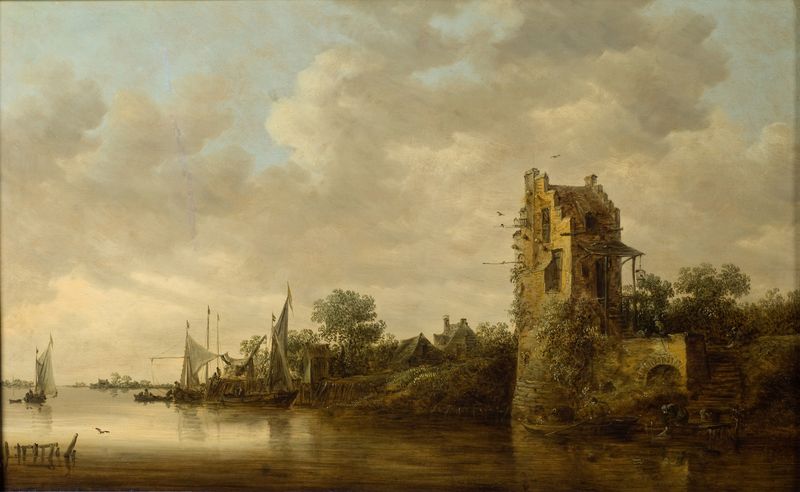
Riverside with an Old Tower
Jan van Goyen





