
Robec Stream — History & Facts
Few paintings capture the industrial transformation of 19th-century France as intimately as Robec Stream by Claude Monet. Painted in 1872, this work marks Monet’s return to his native Normandy after the Franco-Prussian War, at a moment when the city of Rouen was rapidly modernizing. The Robec, once a rural waterway, had become lined with factories and dyeworks—yet Monet sought out its quieter stretches, bridging old and new.
This painting is one of several views he made of the Robec that year, each exploring the changing relationship between nature and industry. In Robec Stream, Monet chooses a humble, everyday corner of Rouen rather than a grand vista. The viewer’s eye is drawn along the narrow watercourse, flanked by modest houses and overhanging trees, their reflections trembling on the surface. The light is cool and silvery, suggesting an early morning or overcast sky, and the brushwork is loose, already hinting at the Impressionist style Monet would soon help define.
Unlike the bustling city scenes of Camille Pissarro, Monet’s focus here is on quiet persistence: laundry hangs in the distance, and the water flows steadily past. The painting captures a moment of calm amid the city’s transformation, where nature and human life coexist in delicate balance. The exact provenance of Robec Stream is not fully documented, a common fate for Monet’s early works, many of which were sold through dealers such as Paul Durand-Ruel or passed between private collectors. Its medium is not clearly recorded, though Monet was working almost exclusively in oil on canvas at this time.
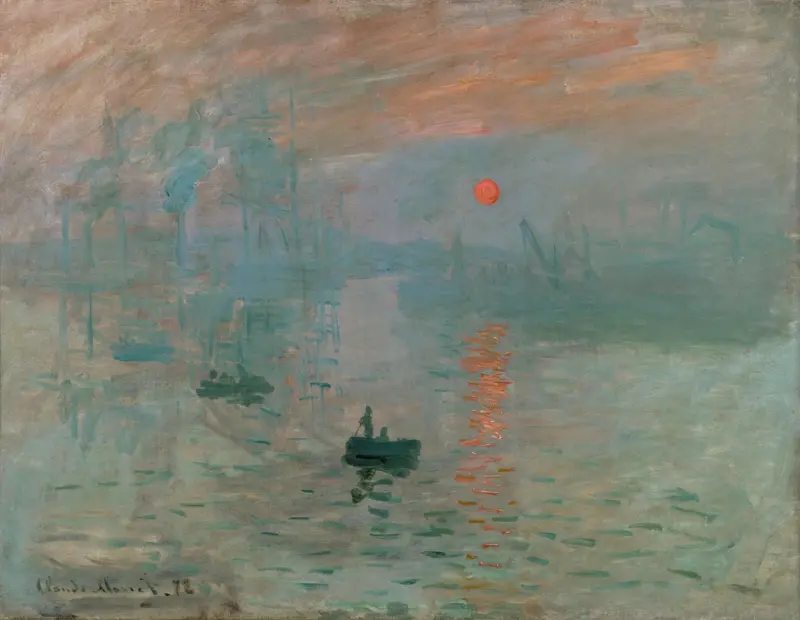
The painting belongs to a formative period, just before Monet’s breakthrough with Impression, Sunrise in 1872, and reflects his growing fascination with light and atmosphere. Today, Robec Stream stands as a testament to Monet’s deep connection to Normandy and his ability to find beauty in the overlooked corners of a changing world.
More Artworks by Claude Monet
Grainstack (Sunset)
Claude Monet
Bathers at La Grenouillère
Claude Monet
Women in the Garden
Claude Monet
The Artist's Garden at Giverny
Claude Monet
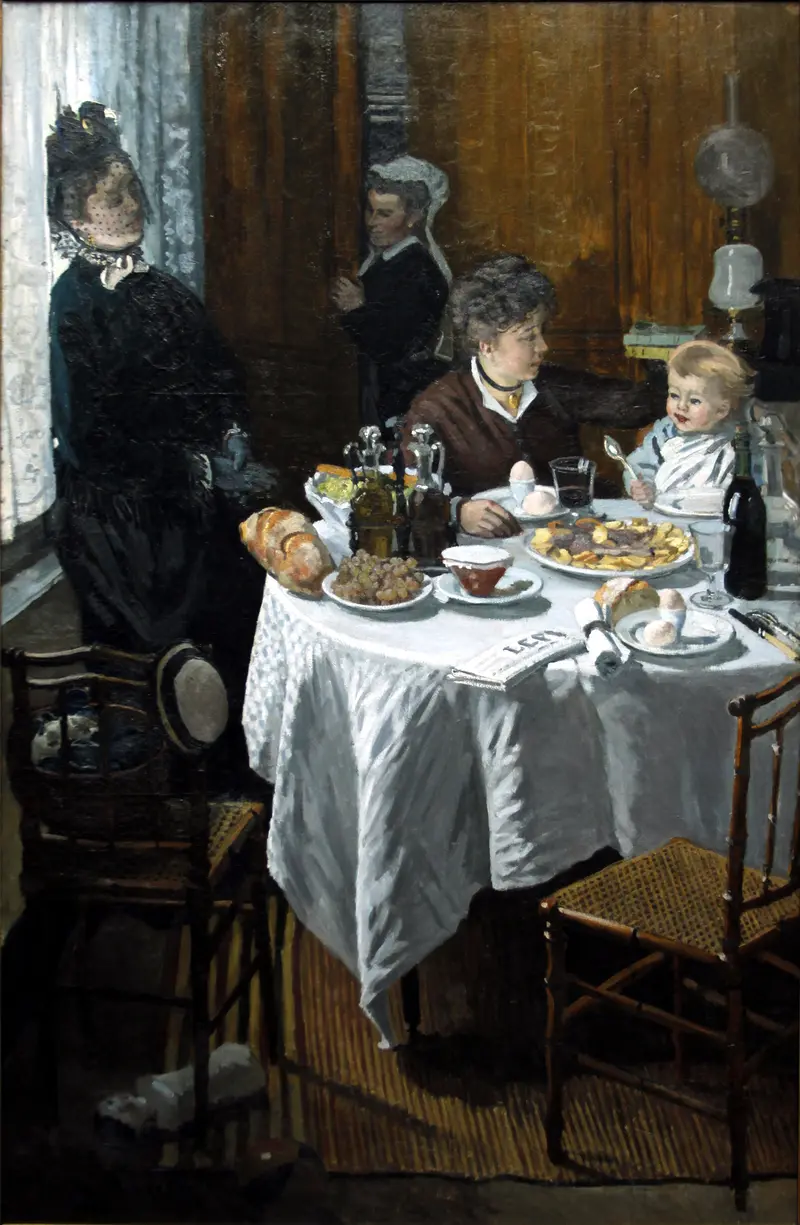
The Luncheon
Claude Monet
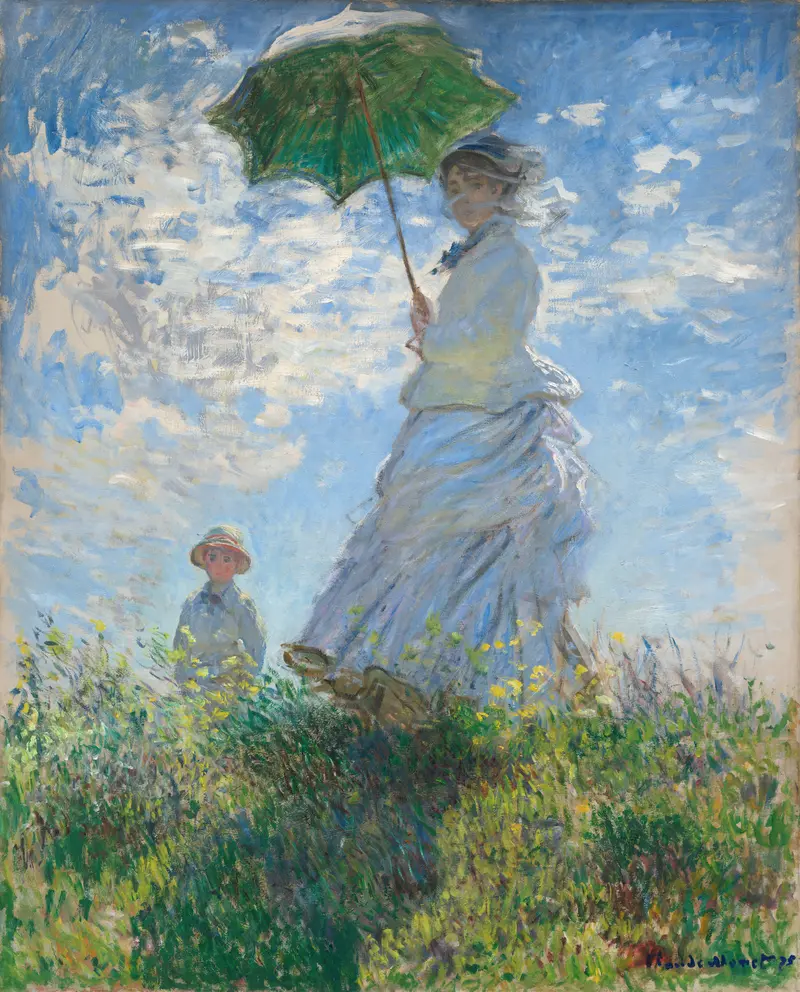
Woman with a Parasol – Madame Monet and Her Son
Claude Monet

The Gare Saint-Lazare
Claude Monet
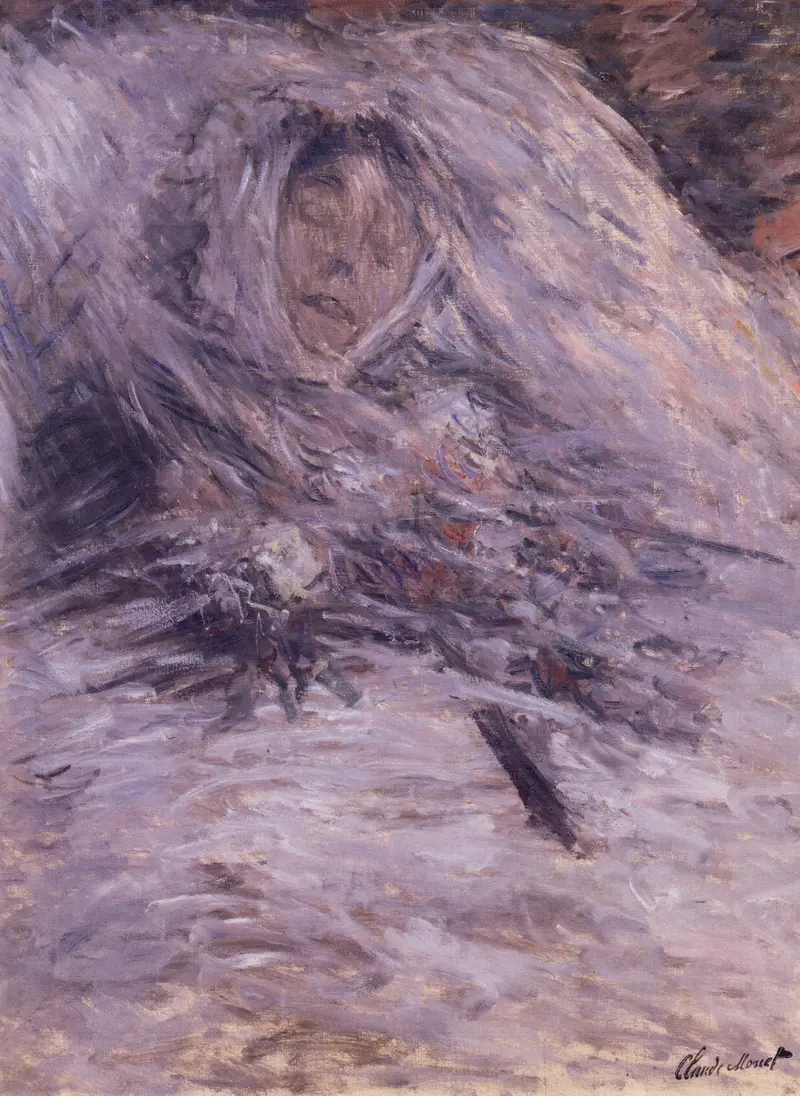
Camille Monet on Her Deathbed
Claude Monet
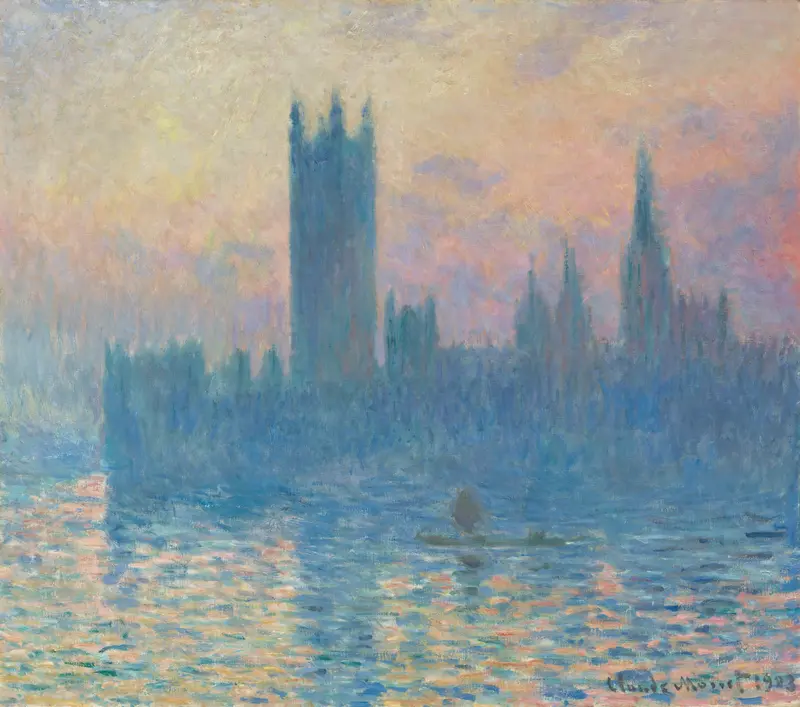
The Houses of Parliament, Sunset
Claude Monet
Impression, Sunrise
Claude Monet
More Landscape Art

The Starry Night
Vincent van Gogh

View of Delft
Johannes Vermeer

Water Lilies
Claude Monet

The Grand Canal, Venice, looking north-west from the Ca' Corner to the Ca' Contarini degli Scrigni, with the campanile of Santa Maria della Carità
Canaletto

Windsor Castle
Canaletto

The Grand Canal looking North-East from the Palazzo Dolfin-Manin to the Rialto Bridge
Canaletto