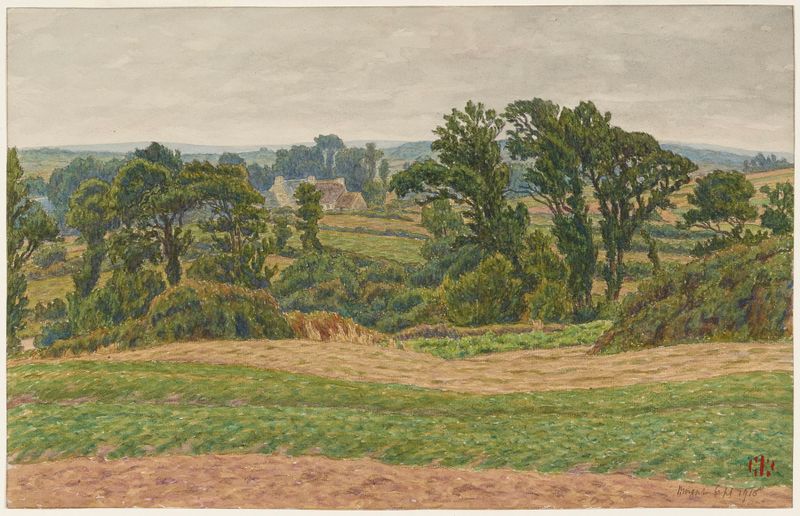
Roc Neveu – La falaise de l’oiseau. Loguivy — History & Facts
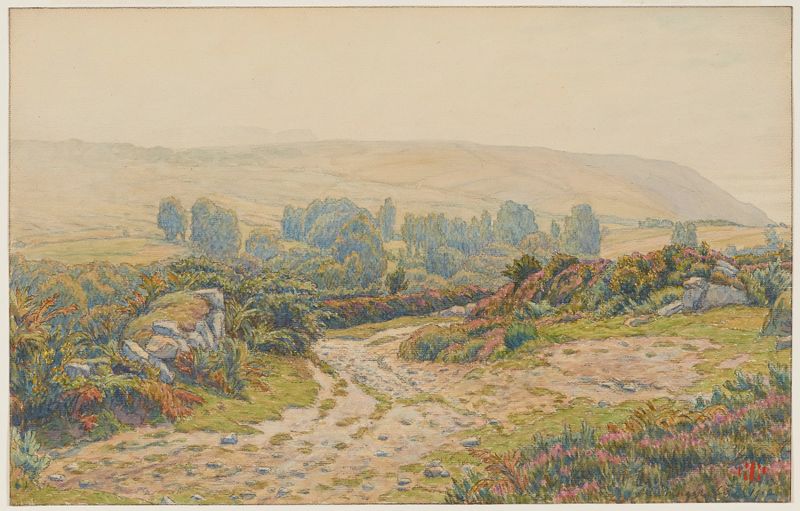
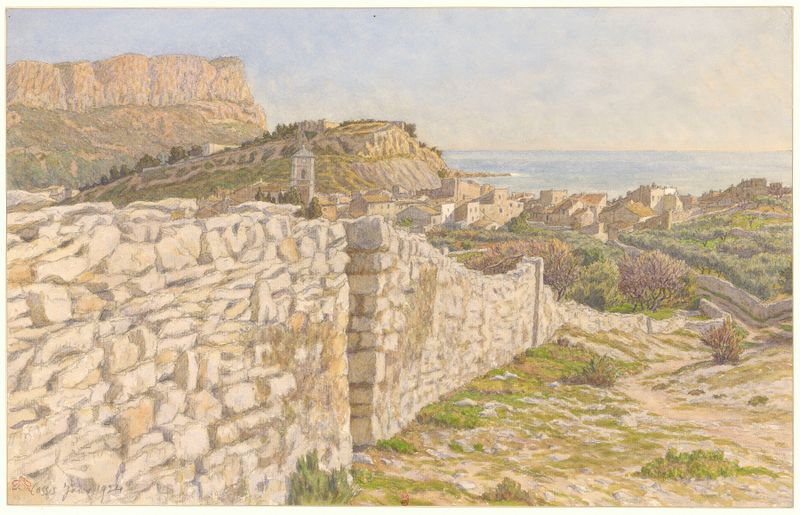
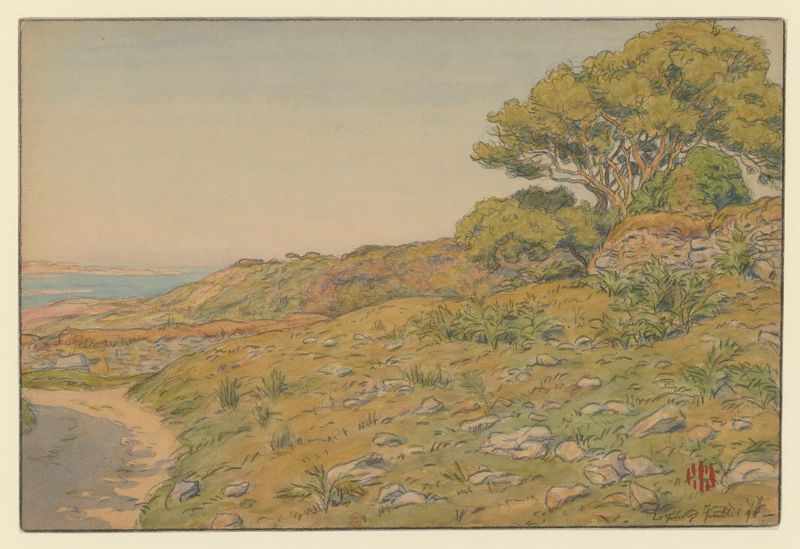
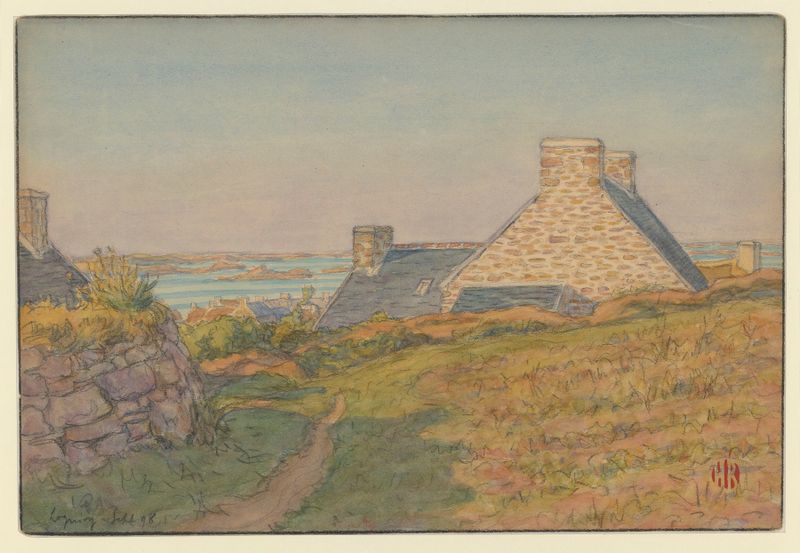
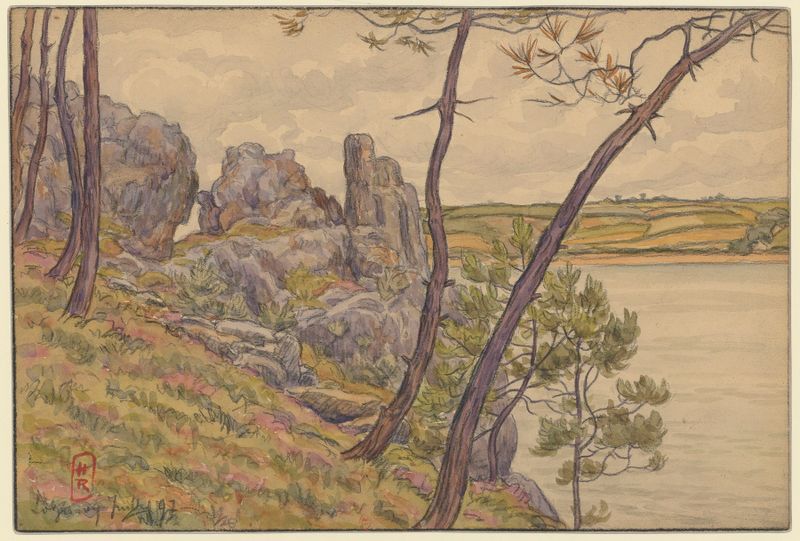
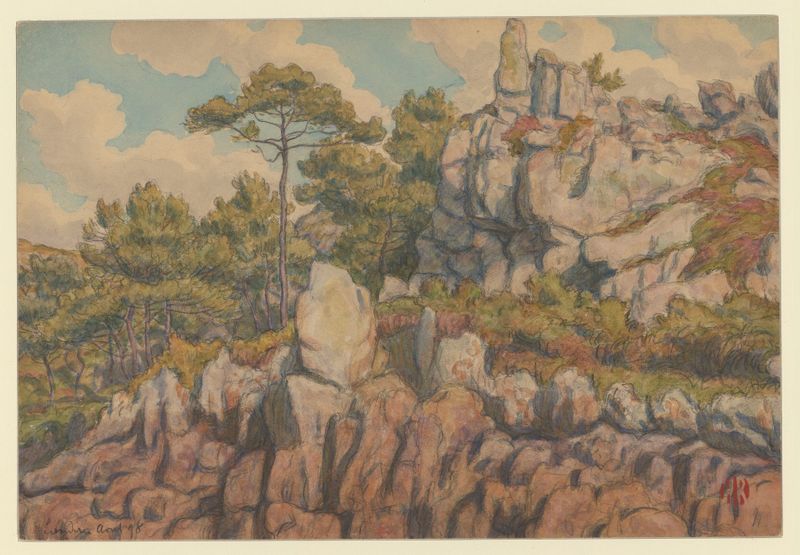
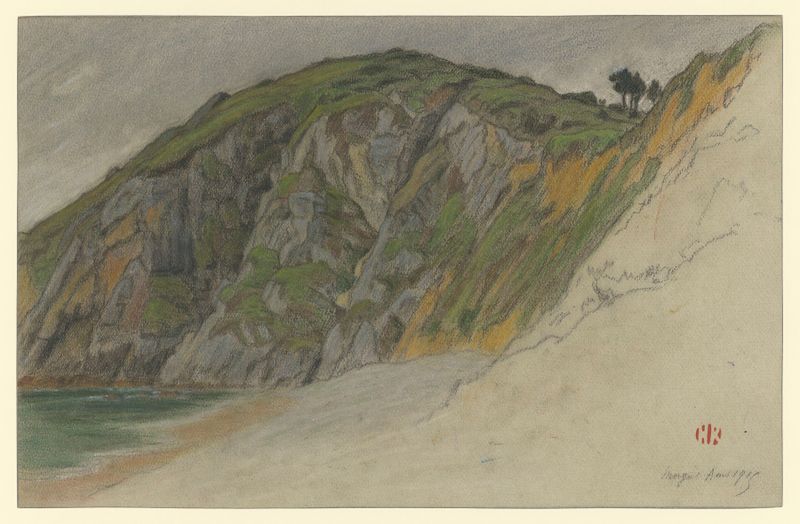
What if beauty was never meant to be finished? In La falaise de l’oiseau, Henri Rivière captures that notion, inviting us into a moment suspended between the rawness of nature and a fleeting revelation. Look to the left at the dramatic cliffs, their jagged edges rising defiantly against the soft hues of the sky. Notice how the gradient of blues and greens entwines, creating an ethereal atmosphere that envelops the scene. The light spills softly over the landscape, casting gentle shadows that dance along the rocky surfaces, while the textured brushstrokes evoke a sense of movement, as if the very earth breathes.
Each element draws the eye, guiding us towards the central figure of a solitary bird, poised atop the cliff, embodying freedom and solitude. Delve deeper into the contrasts at play: the rugged strength of the cliff juxtaposed with the delicacy of the bird, symbolizing a fragile balance between power and vulnerability. The use of color—muted yet vibrant—mirrors the emotional landscape, suggesting a silent dialogue between land and sky, life and stillness. Each detail, from the wisps of cloud to the suggestion of wind, invites contemplation on the transient nature of existence and beauty, revealing layers of meaning wrapped in simplicity. Rivière painted this work in 1906, during a period marked by a growing fascination with nature's unrefined splendor.
Working in Loguivy, he was influenced by the Impressionist movement, which sought to capture light and atmosphere rather than mere representation. This piece, along with others from his coastal series, reflects his desire to connect deeply with the landscape, a yearning for authenticity amidst the rapidly changing world of early 20th-century art.