
Rocca di San Leo — History & Facts
What if silence could speak through light? In Rocca di San Leo, an ethereal stillness envelops the viewer, inviting contemplation of the emptiness that lies between shadows and illumination. Look to the left at the stark silhouette of the fortress, its formidable structure rising against an expansive sky. The muted tones of grey and cream, juxtaposed with hints of ochre, create a somber yet captivating atmosphere. Notice how the soft light bathes the rocky landscape, casting elongated shadows that echo the fort's stoic presence.
The brushstrokes, almost fluid, convey a sense of both permanence and the inevitable erosion of time, guiding your eye from the fortress to the vast, open space that surrounds it. This painting reveals profound contrasts—the strength of the architectural form against the delicate emptiness of the surrounding terrain. The absence of human figures amplifies the solitude of the scene, suggesting a narrative of isolation and resilience. The interplay between light and shadow enhances the emotional weight, allowing the mere presence of the fortress to speak of history, memory, and the quietude of forgotten places. In 1924, the artist created Rocca di San Leo during a period of personal reflection, influenced by the tumult of post-World War I Europe.
Living in Germany, Lismann sought to capture the essence of landscapes that resonated with a sense of loss and yearning. This work mirrors a time when artists were turning their gaze inward, exploring themes of emptiness, solitude, and the poignant beauty of abandoned spaces.
More Artworks by Hermann Lismann
Browse all →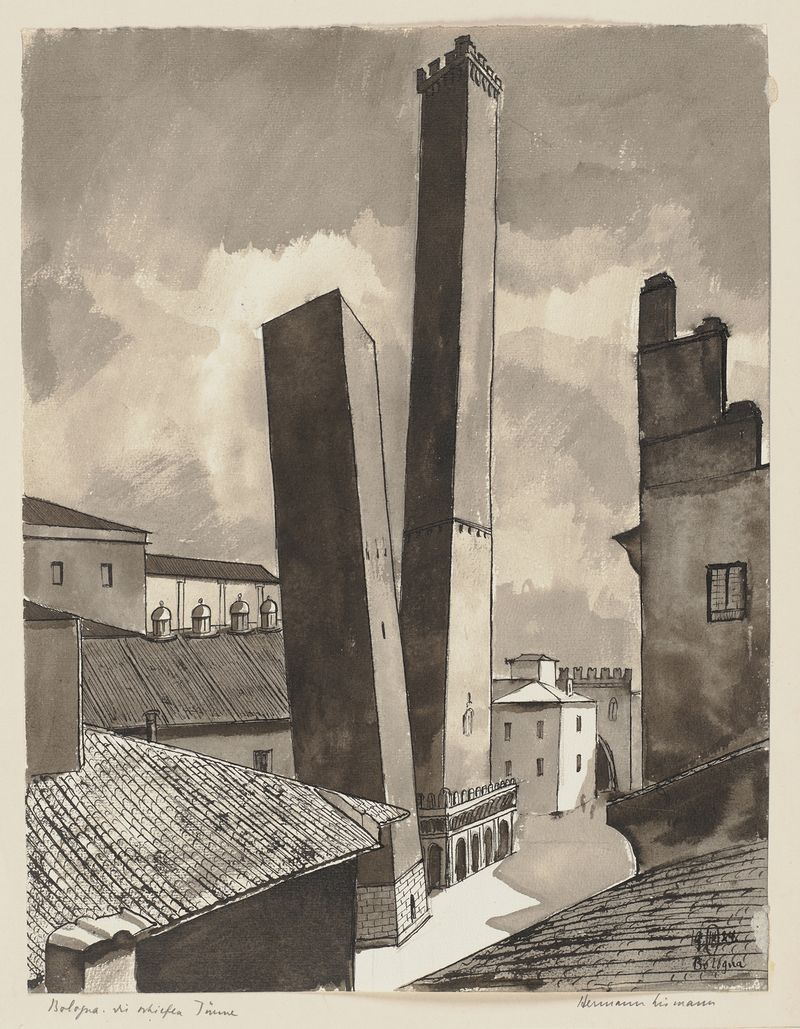
Die beiden Türme Garisenda und Asinelli in Bologna
Hermann Lismann
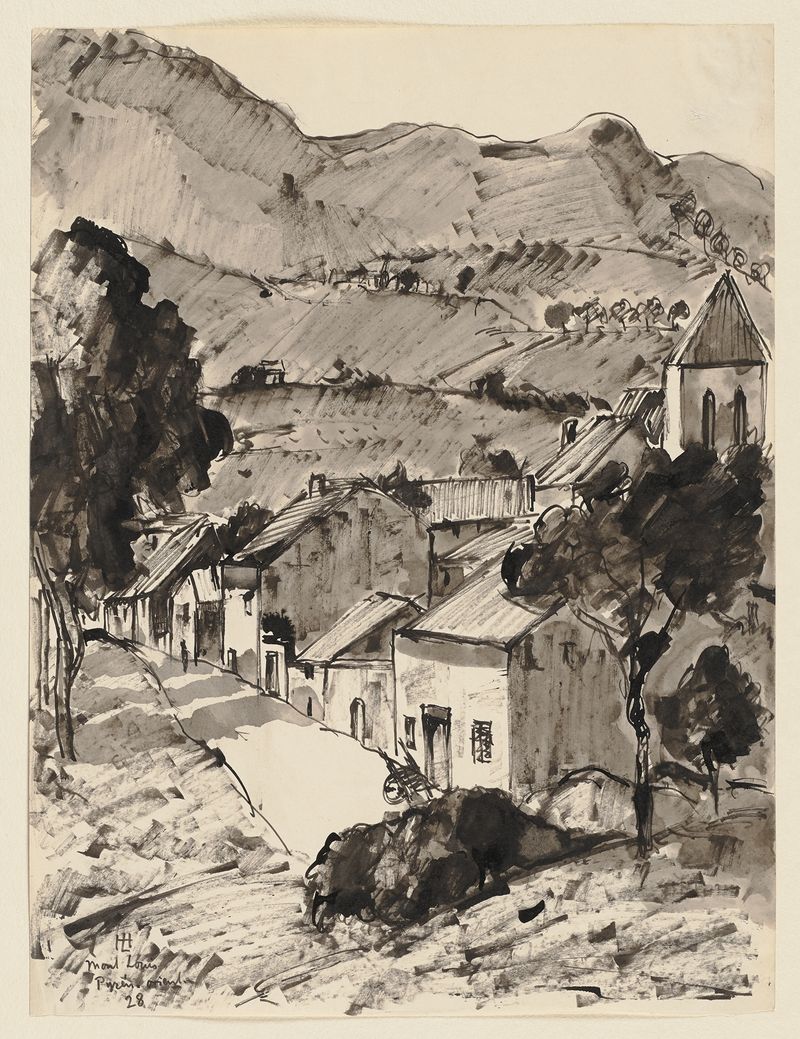
Mont-Louis
Hermann Lismann
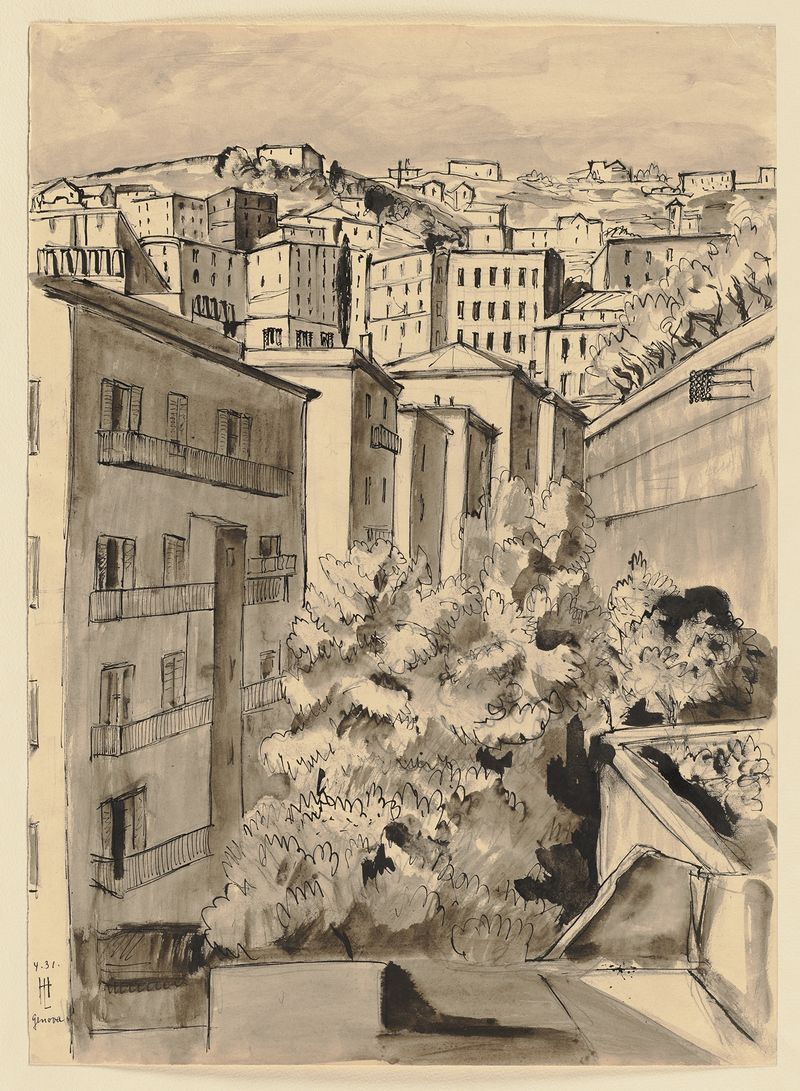
View of Genoa
Hermann Lismann
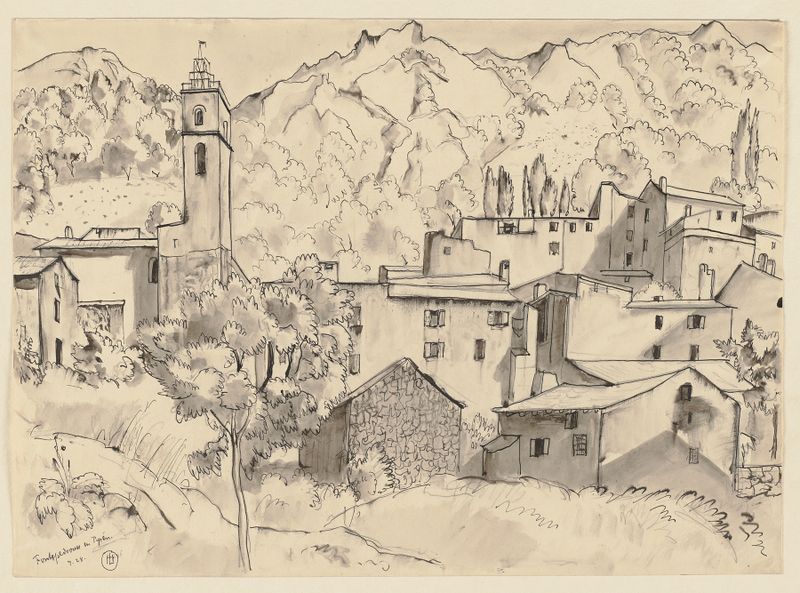
Fontpédrouse en Pyrénées
Hermann Lismann
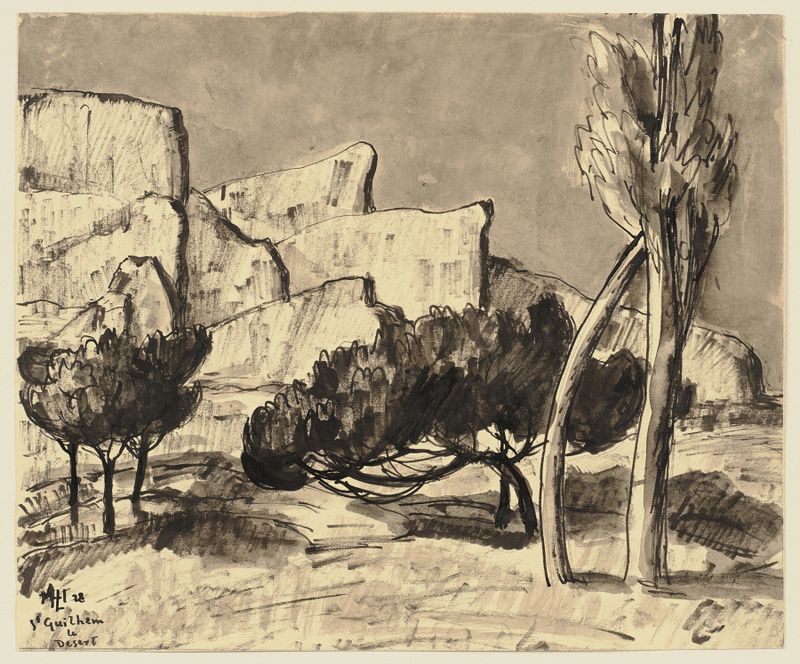
Saint-Guilhem-le-Désert
Hermann Lismann
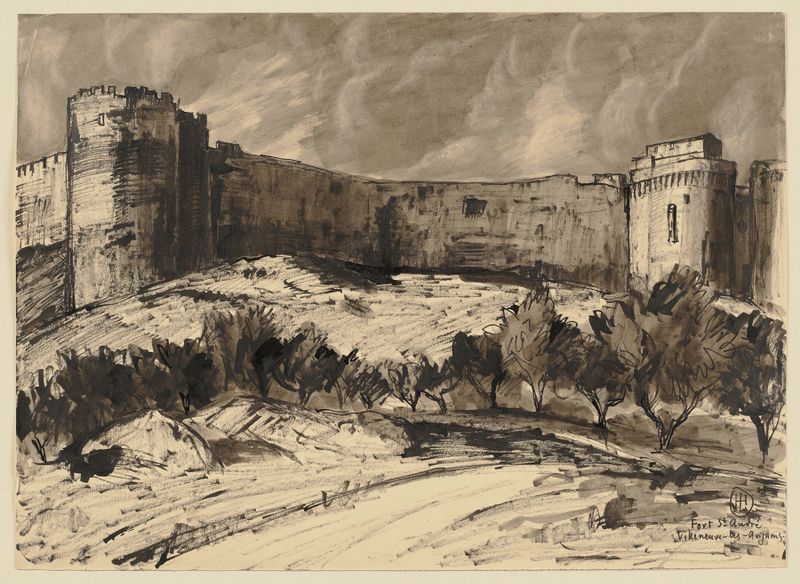
Fort Saint-André in Villeneuve-les-Avignon
Hermann Lismann
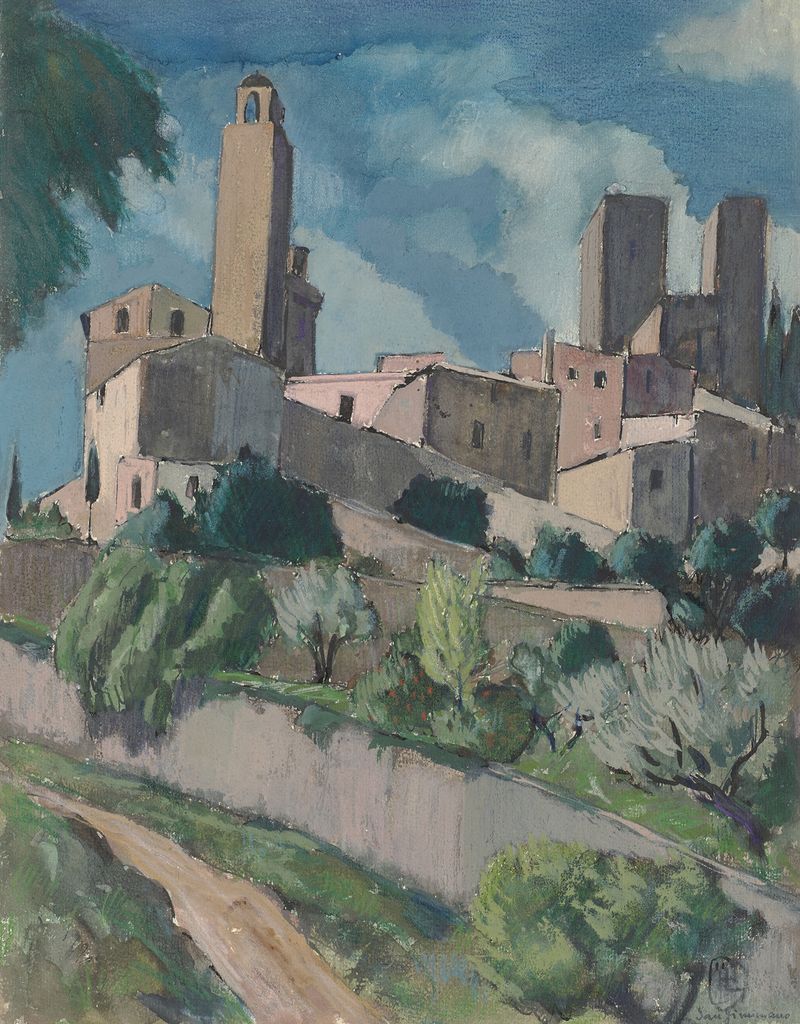
San Gimignano
Hermann Lismann
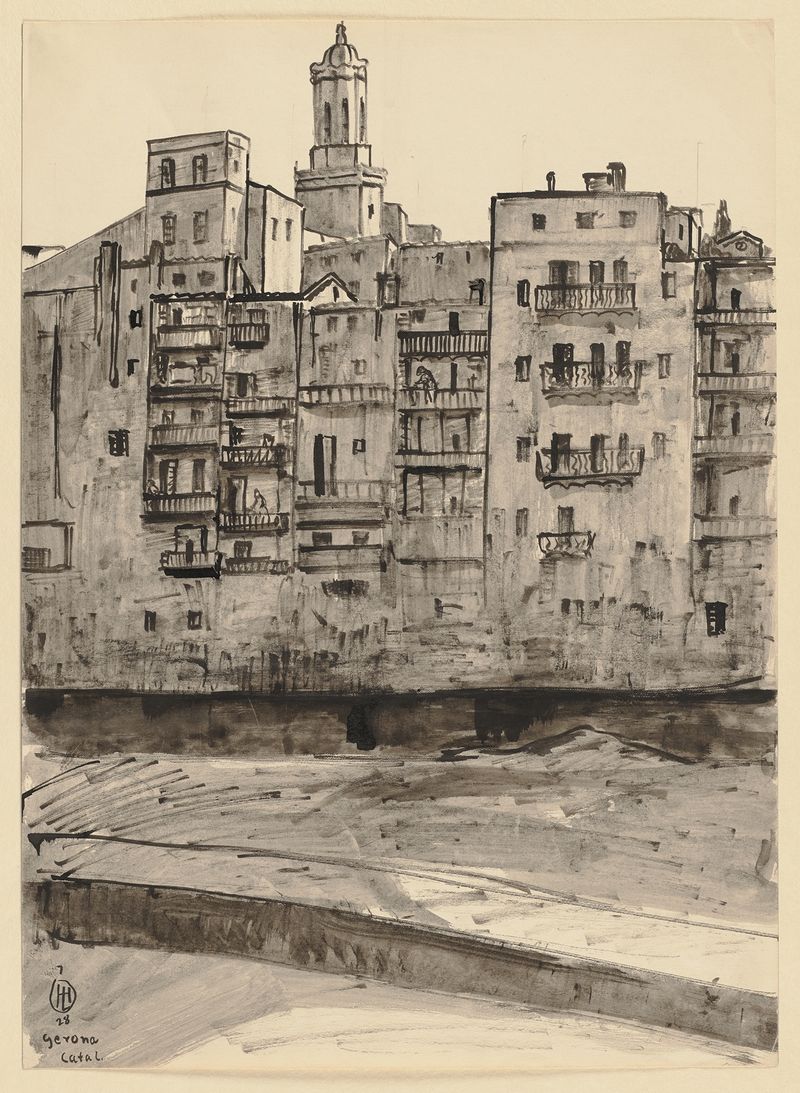
Girona vom Fluss aus gesehen, im Hintergrund der Turm der Kathedrale
Hermann Lismann
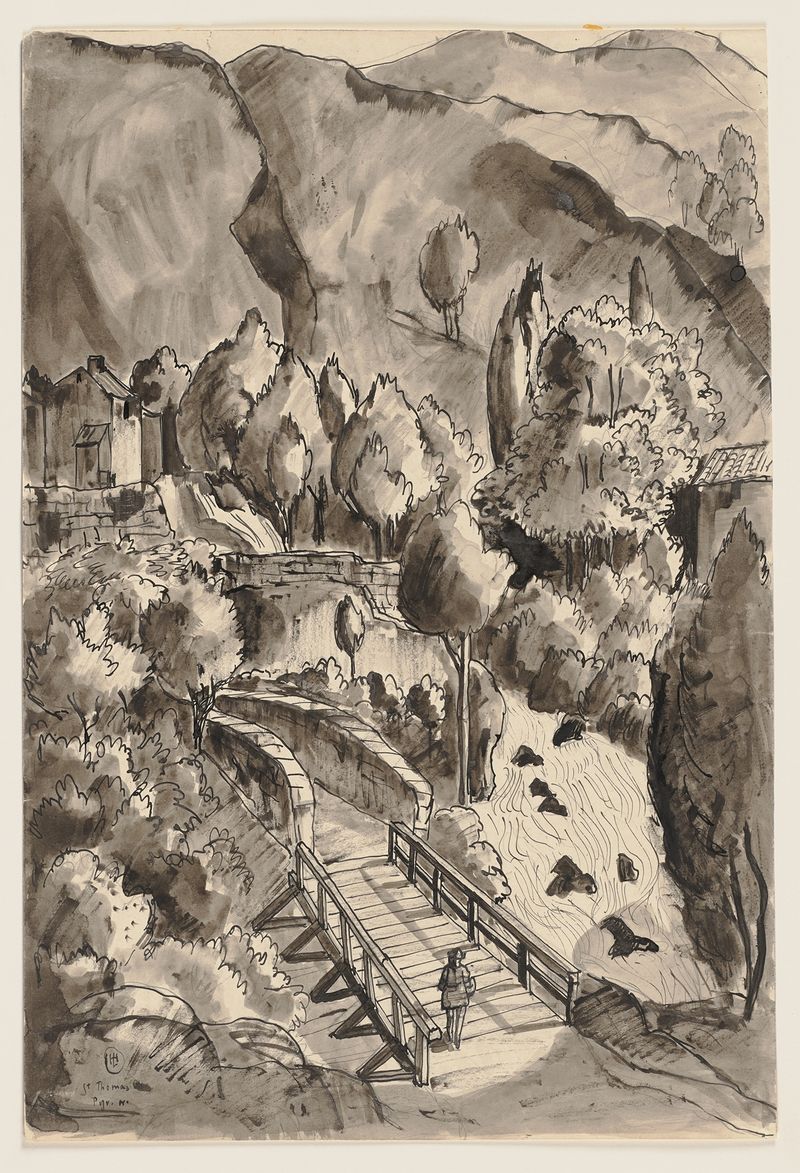
Saint Thomas, Pyrénées
Hermann Lismann
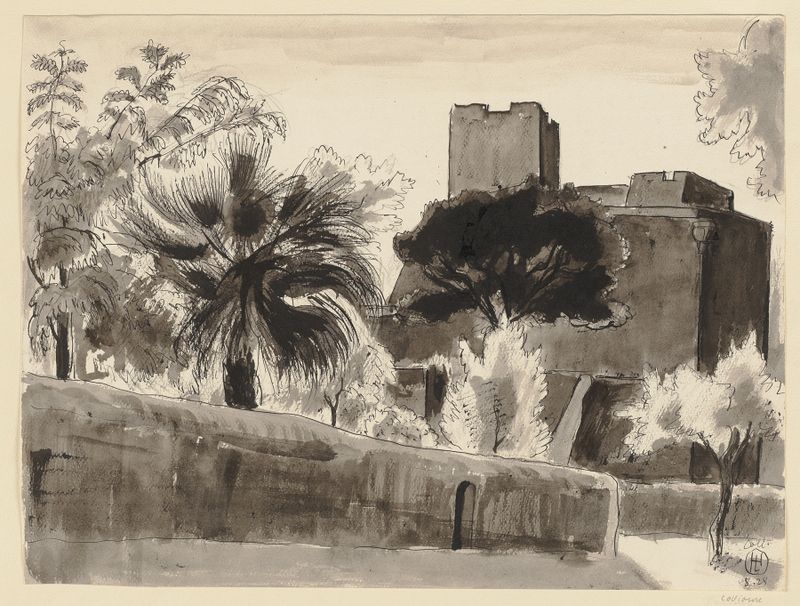
Collioure
Hermann Lismann





