
Rochefort’s Escape — History & Facts
What if silence could speak through light? In Édouard Manet’s Rochefort’s Escape, divine light bathes the figure of the fugitive, transforming the mundane act of concealment into a poignant moment of grace. Look to the left at the figure cloaked in shades of gray, their hands gripping the railing. Manet’s brushstrokes convey urgency; the loose yet deliberate swathes of paint create a sense of movement and tension. The contrast between the dark shadows surrounding the figure and the luminous highlights glimmers with an otherworldly quality, drawing the viewer’s eye to the subject's face, where a furtive glance betrays a mixture of fear and determination.
The background fades into ethereal blues and soft whites, enhancing the feeling of isolation while simultaneously suggesting a world beyond. The painting juxtaposes the weight of despair with the fragile hope of liberation, embodied in the interplay of light and shadow. The figure's somber posture stands in stark contrast to the brightness that surrounds them, hinting at an internal struggle between the burden of past choices and the yearning for freedom. Manet masterfully captures this tension, suggesting that divinity may lie in the act of escape itself, a moment where silence is heavy with unspoken potential. In 1881, Manet painted this work during a period of personal and artistic transition.
While grappling with his illness, he reflected on the sociopolitical upheaval of his time, particularly the aftermath of the Paris Commune. Art, once a means of mere representation, became for him a vessel for deeper emotional truths, as he sought to convey the complexities of human experience through light and shadow.
More Artworks by Édouard Manet
Browse all →
Le Déjeuner sur l’herbe
Édouard Manet
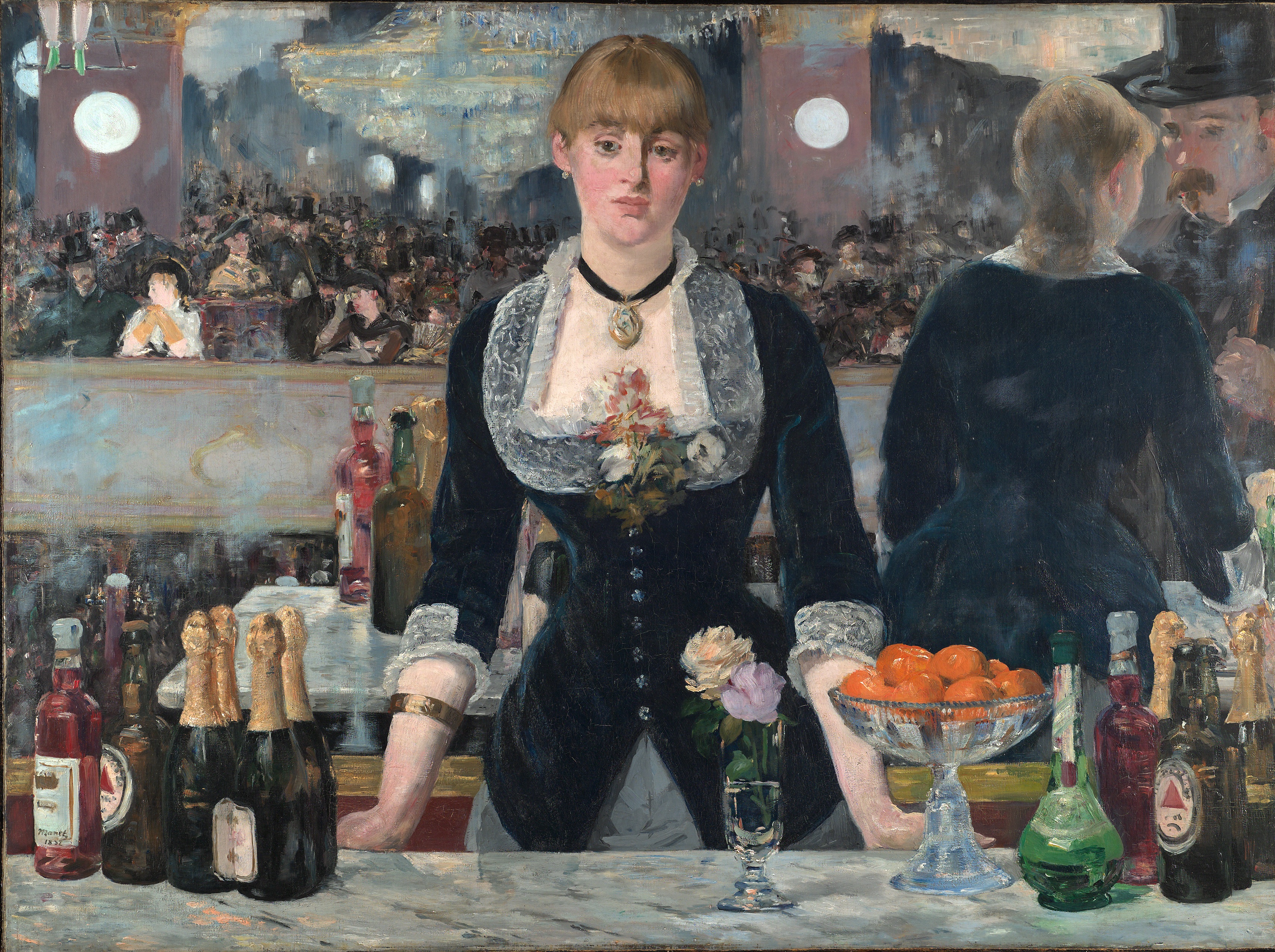
A Bar at the Folies-Bergère
Édouard Manet
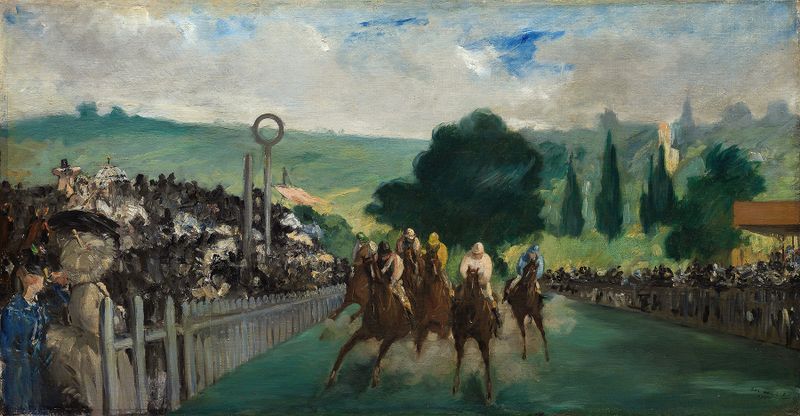
The Races at Longchamp
Édouard Manet
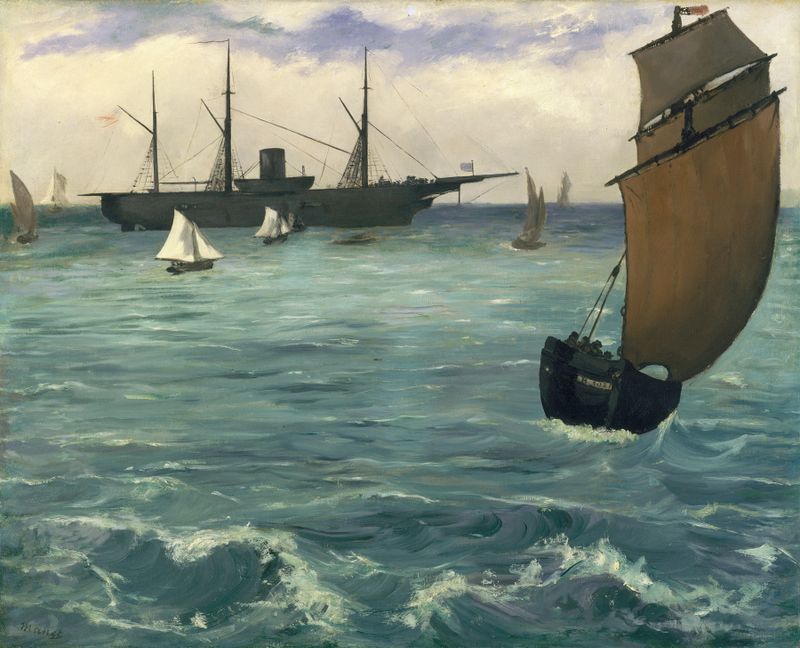
The ‘Kearsarge’ at Boulogne
Édouard Manet
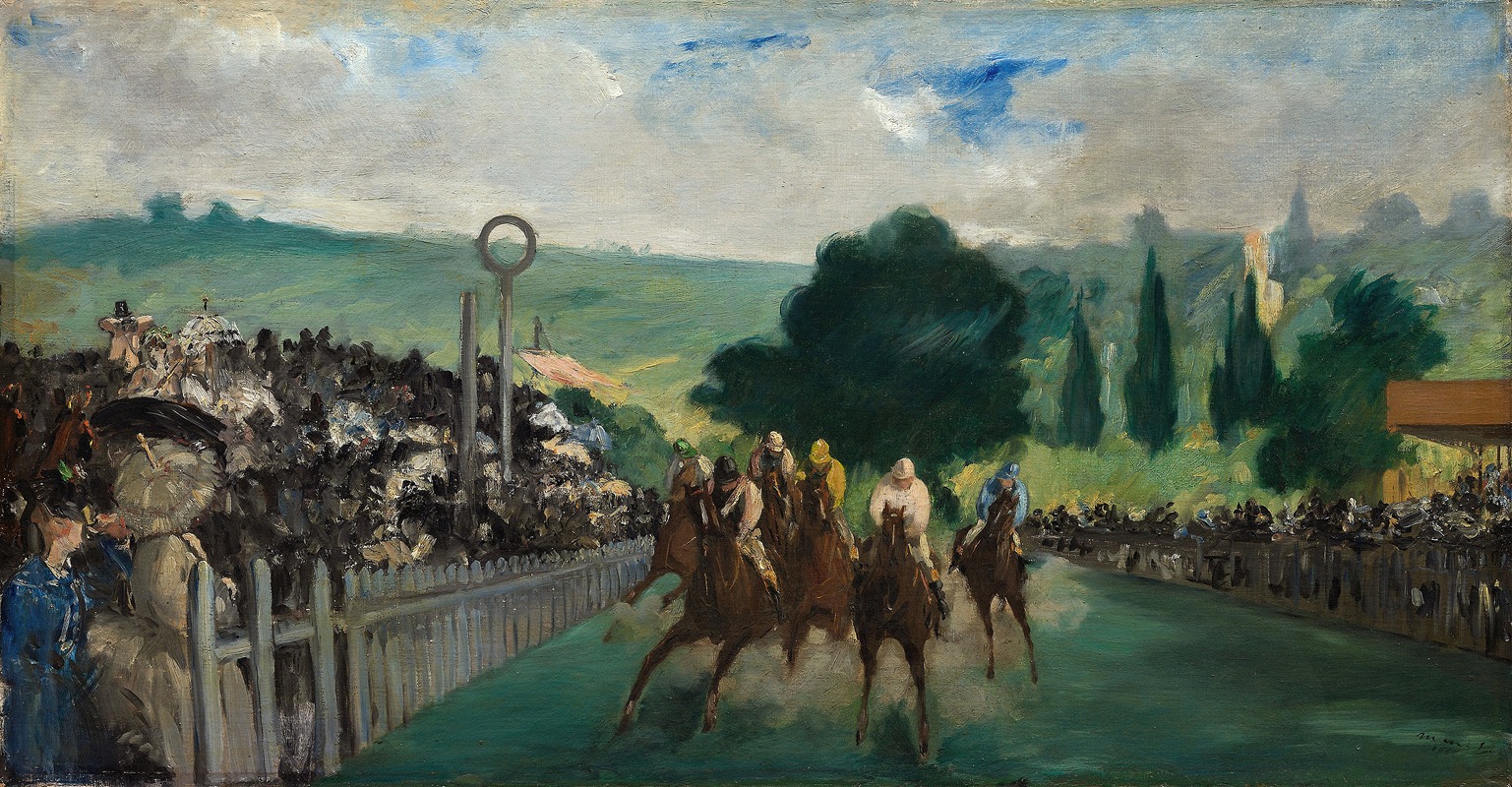
The Races at Longchamp
Édouard Manet
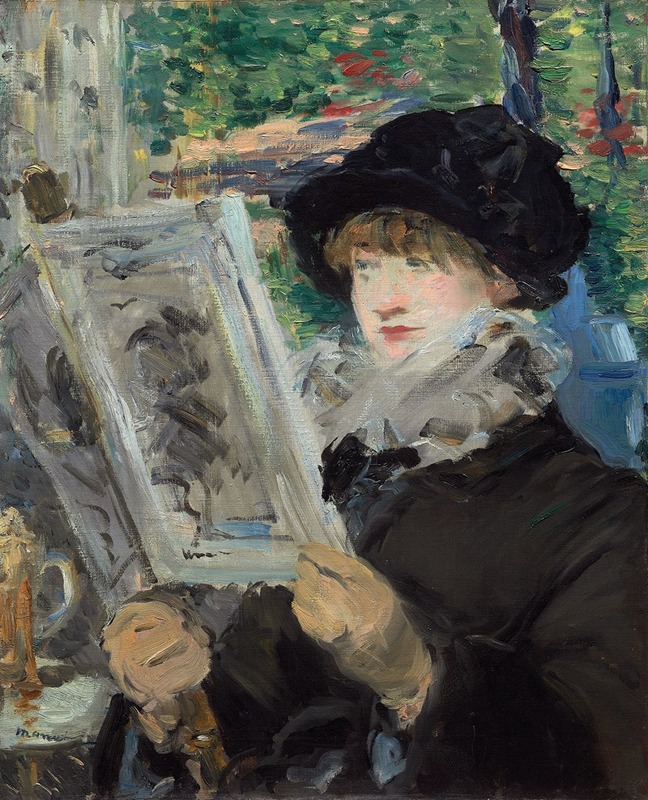
Woman Reading
Édouard Manet
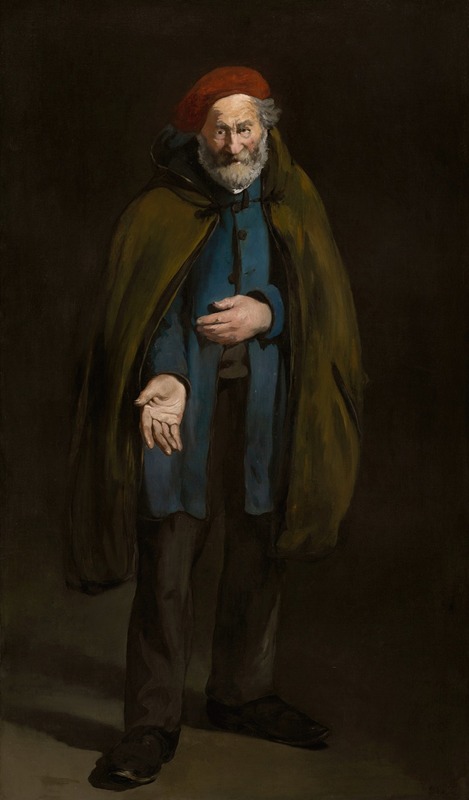
Beggar with a Duffle Coat (Philosopher)
Édouard Manet
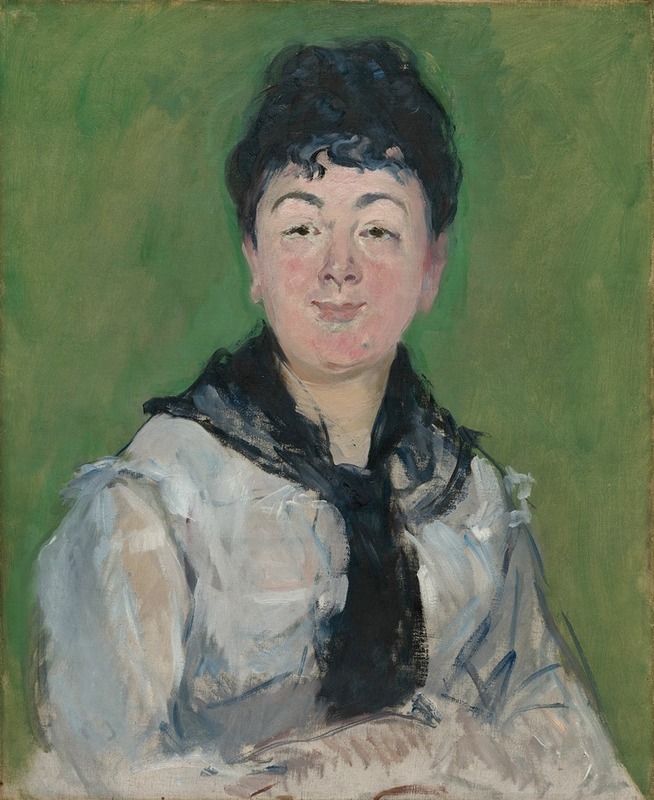
Portrait of a Woman with a Black Fichu
Édouard Manet
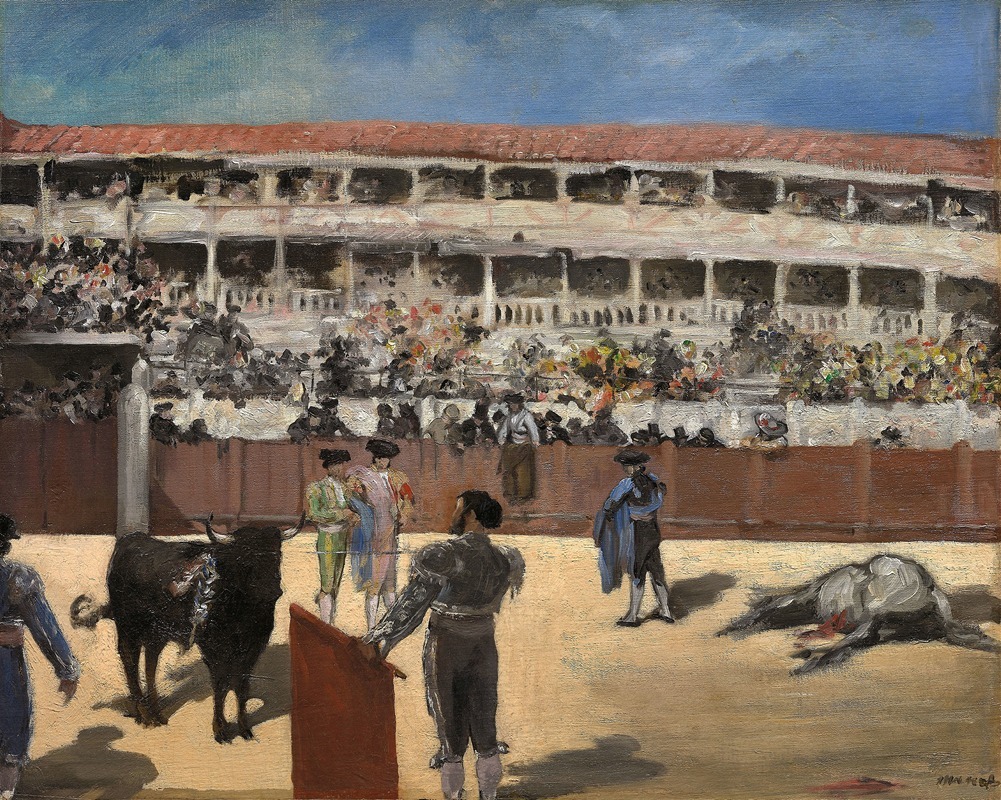
Bullfight
Édouard Manet
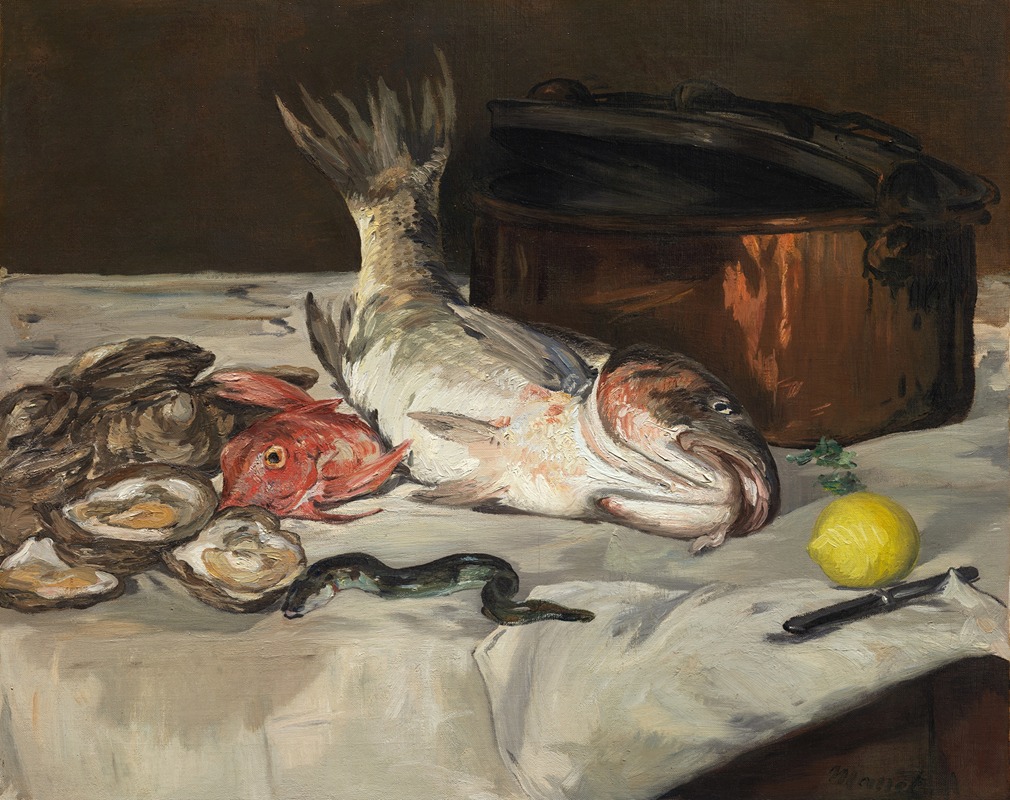
Fish (Still Life)
Édouard Manet





