Fish (Still Life) — History & Facts
In stillness, objects reveal the obsessions that lie beneath their surfaces. Look closely at the vivid display of fish laid upon the weathered table, glistening under the soft light that dances across their scales. The rich hues of blue and green contrast dramatically with the stark white of the tablecloth, drawing the eye to the center where the catch lies. Notice how the painter employs loose, expressive brushstrokes to convey texture; the way the fish’s forms are captured suggests both realism and a deep appreciation for their beauty.
The shimmering skin and delicate fins invite the viewer to linger just a moment longer, entranced. The painting holds layers of meaning: the vibrant fish, while seemingly a simple subject, represent the allure and fleeting nature of desire. The meticulous arrangement can be seen as an obsession with perfection, yet the unrefined table evokes a sense of rawness, a reminder of life’s inherent chaos. The tension between the lifeless catch and the vibrant colors hints at deeper existential questions — the beauty of life contrasted with the inevitability of decay. In 1864, while living in Paris, Manet created this work amidst a burgeoning art scene that oscillated between traditional craftsmanship and the emerging Impressionist movement.
He was grappling with his own artistic identity and the societal expectations of art, seeking to redefine still life through his bold brushwork and modern perspective. It was a time of experimentation, and this piece speaks to his desire to capture not just objects, but the emotional resonance they evoke.
More Artworks by Édouard Manet
Browse all →
Le Déjeuner sur l’herbe
Édouard Manet

A Bar at the Folies-Bergère
Édouard Manet
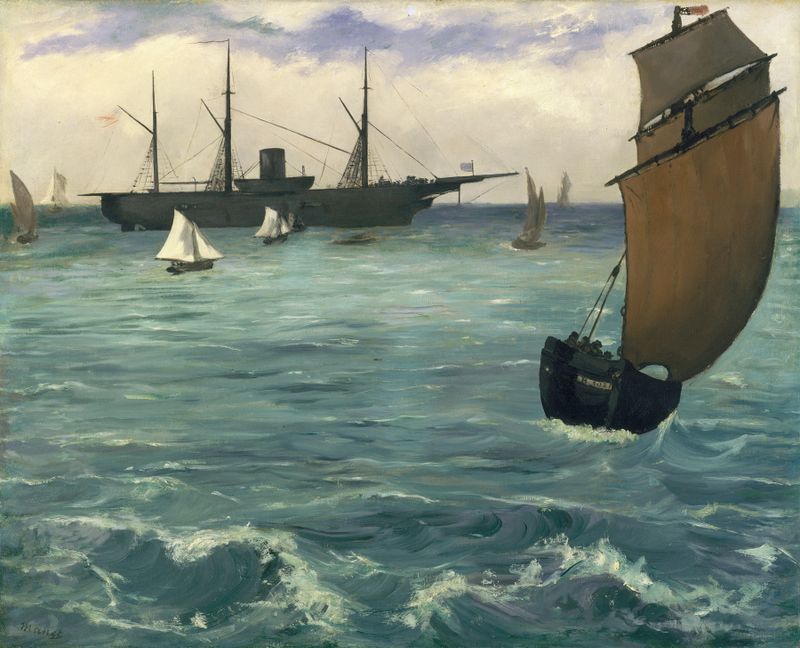
The ‘Kearsarge’ at Boulogne
Édouard Manet
The Races at Longchamp
Édouard Manet
Woman Reading
Édouard Manet
The Races at Longchamp
Édouard Manet
Beggar with a Duffle Coat (Philosopher)
Édouard Manet
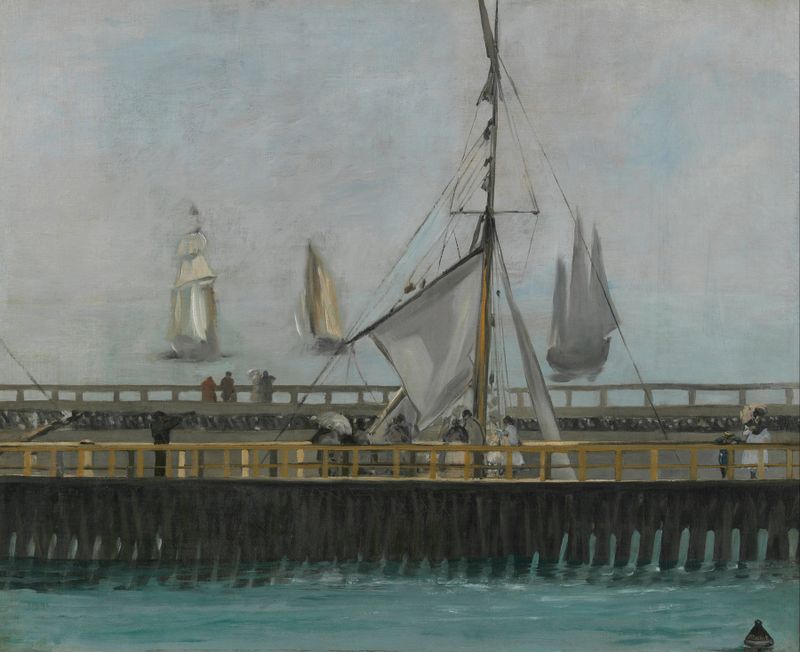
The jetty of Boulogne-sur-Mer
Édouard Manet
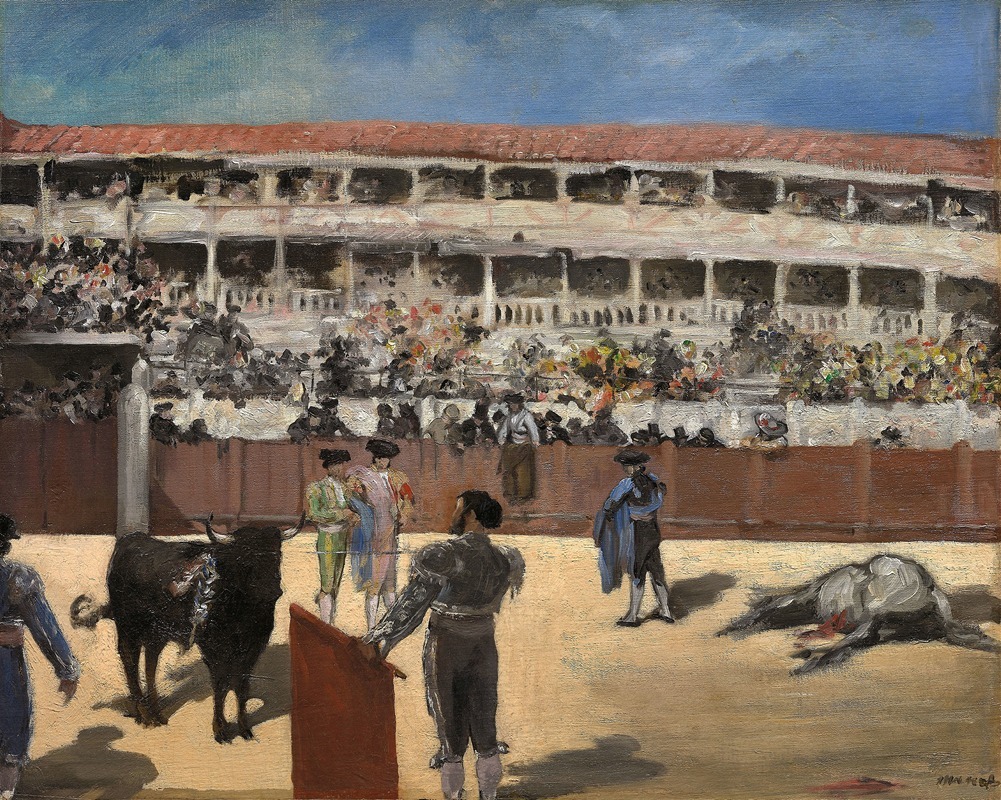
Bullfight
Édouard Manet
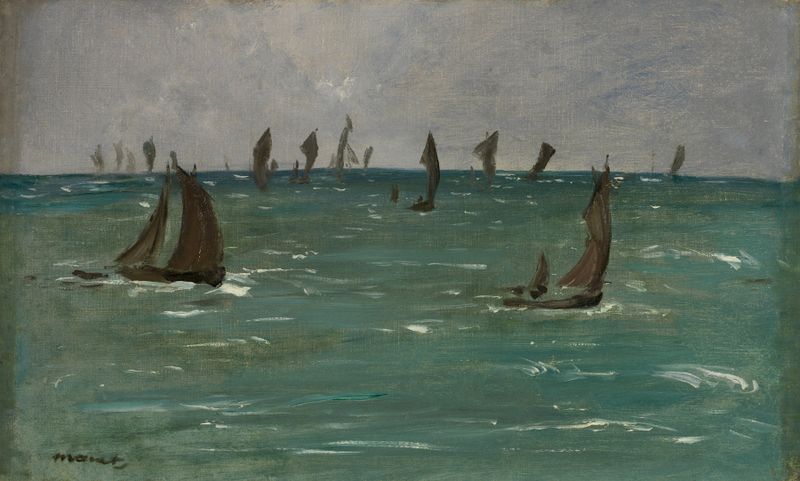
Boats at Berck-sur-Mer
Édouard Manet