
Rochester — History & Facts
The allure of this artwork beckons us to peer beyond the surface, inviting contemplation of the divine hidden within the ordinary. Look closely at the horizon, where the soft hues of twilight blend seamlessly into the tranquil river below. The careful brushwork captures the gentle ripple of water, reflecting the fading light. Notice how the ethereal clouds seem to cradle the sun, casting a warm golden glow over the landscape, while the architecture of Rochester stands resolute in the foreground.
Each element is meticulously placed, guiding the viewer's gaze through a harmonious arrangement of nature and civilization. Within this serene setting lies a profound juxtaposition — the fleeting moment of beauty against the permanence of the structures. The river symbolizes life’s transience, flowing inexorably onward, while the buildings represent human ambition and mortality. This tension evokes feelings of nostalgia, as we grapple with the ephemeral nature of existence even amidst the splendor of creation.
The interplay of light and shadow accentuates this emotional complexity, as if the scene itself mourns the inevitable passage of time. Painted in 1780 during a transformative period for English landscape art, Marlow crafted this piece while living in England at a time when the Romantic movement was blossoming. Artists began to prioritize personal expression and an emotional connection to nature. Marlow, influenced by these currents, sought to blend realism with a deeper spiritual resonance, reflecting both the beauty of the world and the pain of its impermanence.
More Artworks by William Marlow
Browse all →
Whitehall
William Marlow
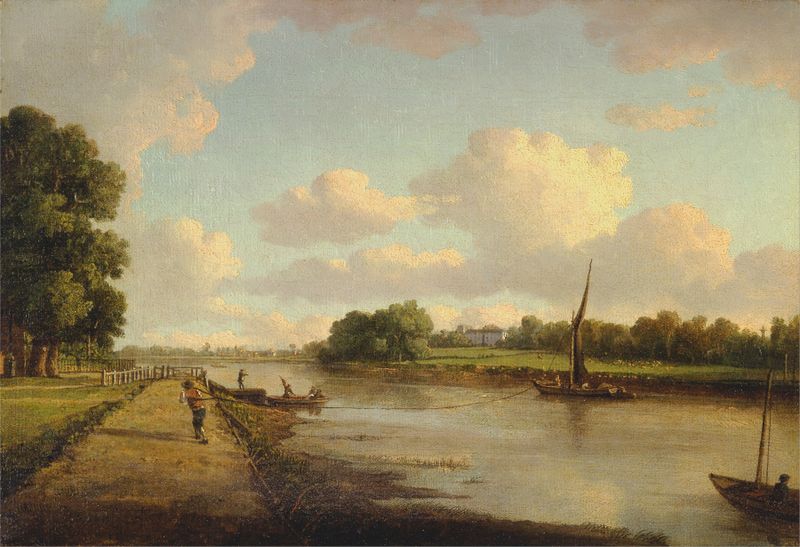
View on the River Thames at Richmond
William Marlow
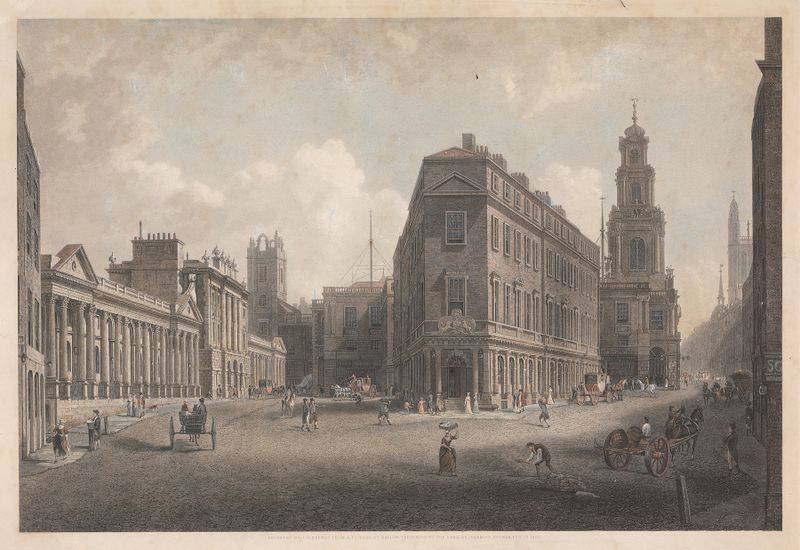
Bank of England Royal Exchange
William Marlow

The Thames At Richmond
William Marlow

The Arno towards the Ponte alle Grigio
William Marlow
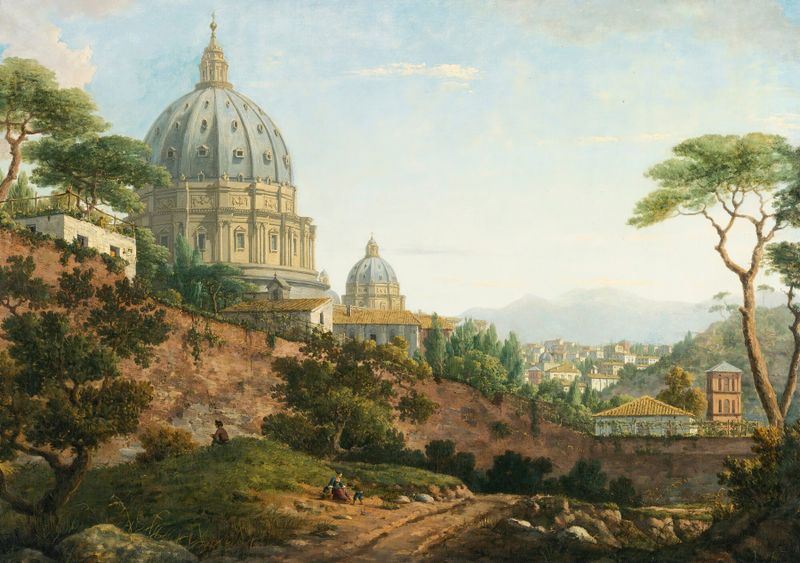
View Of Saint Peter’s, Rome
William Marlow
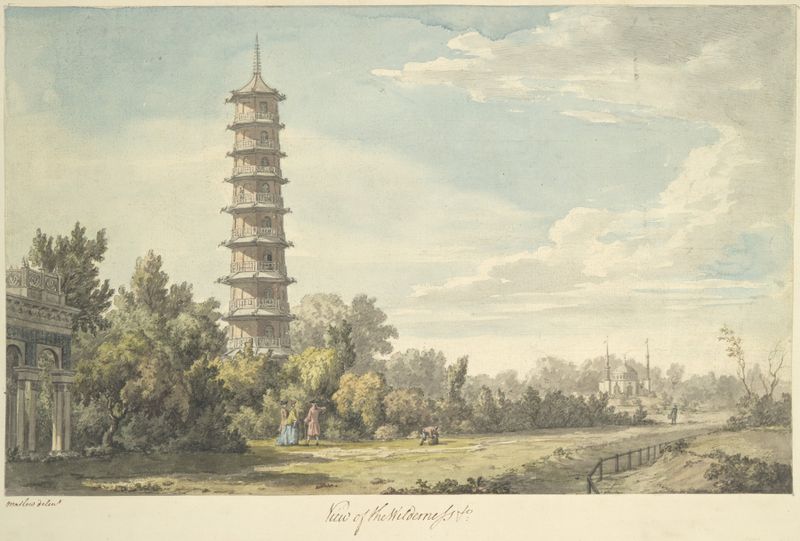
View of the Wilderness at Kew
William Marlow
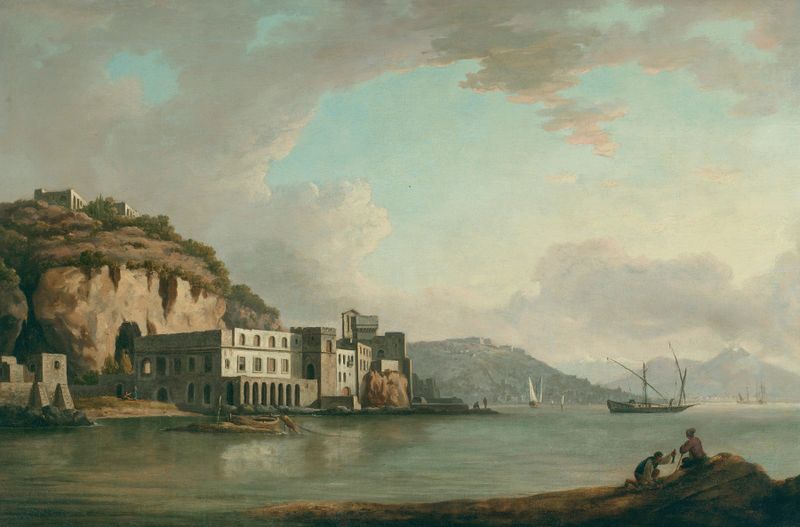
The Bay of Naples with Santa Maria degli Angeli
William Marlow

Nîmes from the Tour Magne
William Marlow
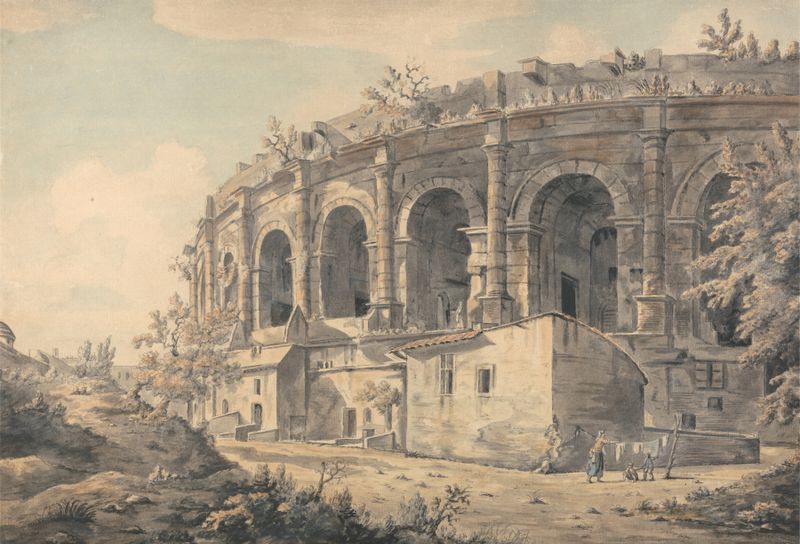
The Amphitheater at Nimes
William Marlow





