
Rock Canyon in the Harz — History & Facts
A wall of stone rises, sheer and unyielding, as if the earth itself has split open to reveal its ancient bones. Your gaze is drawn into the shadowed mouth at the center, a cavernous void that seems to swallow light and sound. Moss and lichen cling to every surface, their green and ochre hues softening the hard geometry of the rocks, while spindly trees—some alive, some mere skeletons—cling precariously to the slopes.
The painter has set up a quiet tension between the living and the lifeless: the delicate grasses and undergrowth press against the immovable cliff, and the fragile branches reach toward a sky we cannot see. Every detail, from the rough bark to the glistening stones, is rendered with a precision that invites the viewer to step closer, to feel the cool dampness and the hush of a place untouched by human presence. Works like this, painted in the early nineteenth century, belong to the world of Caspar David Friedrich and the Romantic movement, when artists turned their eyes from grand historical scenes to the mysteries of nature itself. Around 1811, when this piece was created, painters in German-speaking lands sought out wild, remote landscapes as sites of reflection and awe, often for private collectors or as meditations on the power of the natural world.
The Harz mountains, with their crags and forests, were a favored subject for Friedrich, who was known for imbuing his scenes with a sense of quiet contemplation. Today, the painting is held in the Pommersches Landesmuseum, a reminder of a time when artists found meaning not in the deeds of men, but in the silent drama of stone, moss, and shadow. Let your eye linger on the meeting point of light and darkness at the heart of the canyon, and consider what stories might be hidden in the depths.
More Artworks by Caspar David Friedrich
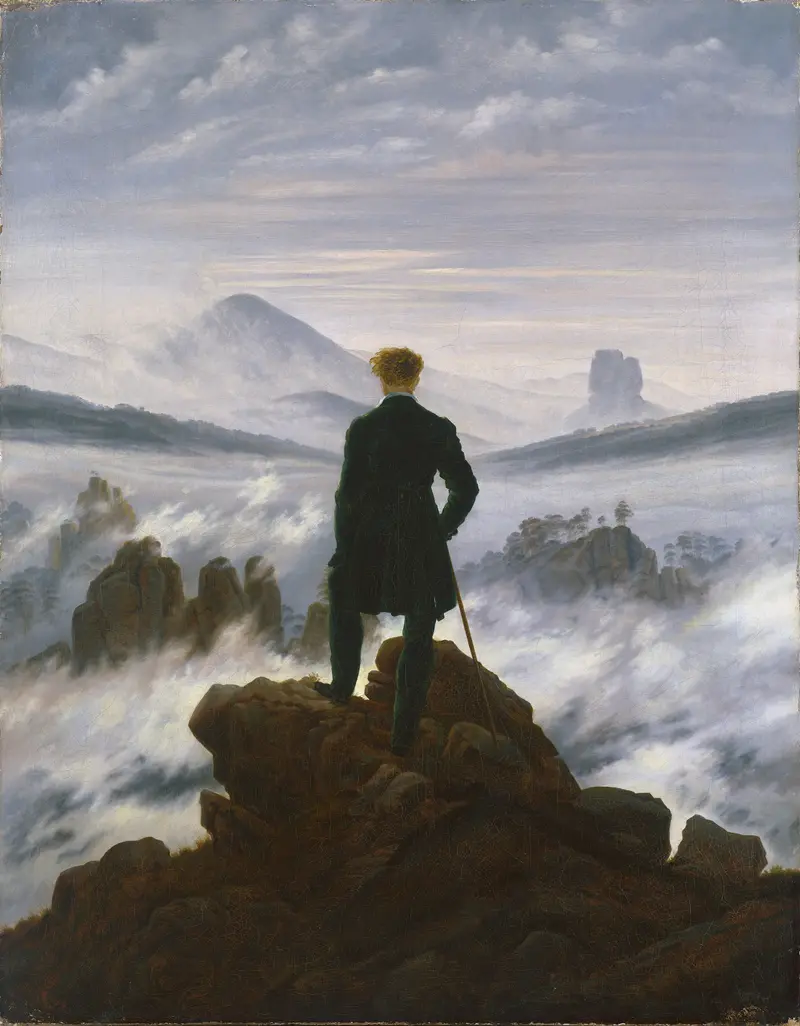
Wanderer above the Sea of Fog
Caspar David Friedrich

The Sea of Ice
Caspar David Friedrich
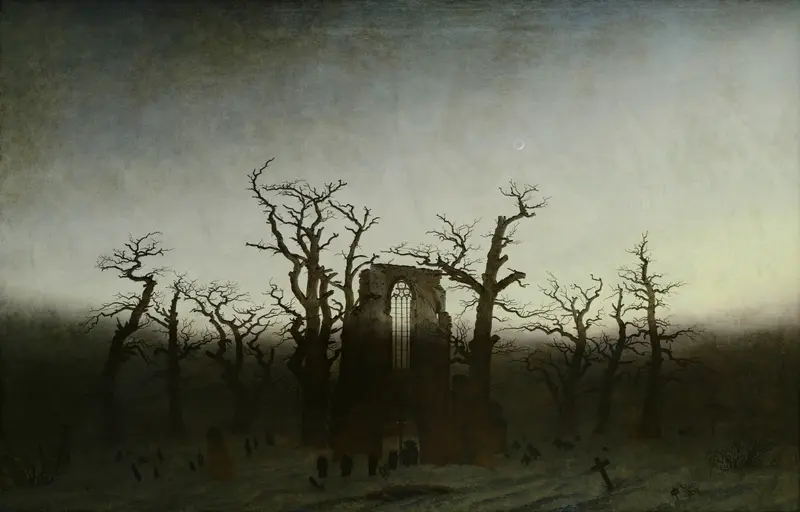
The Abbey in the Oakwood
Caspar David Friedrich
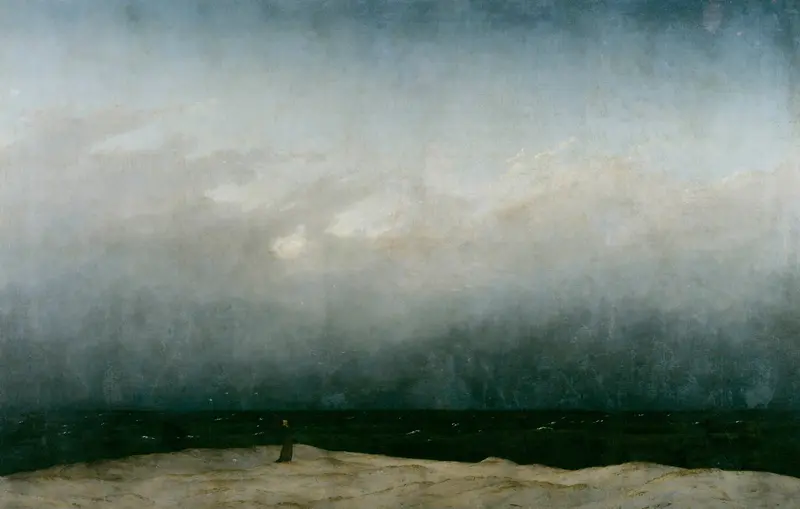
The Monk by the Sea
Caspar David Friedrich
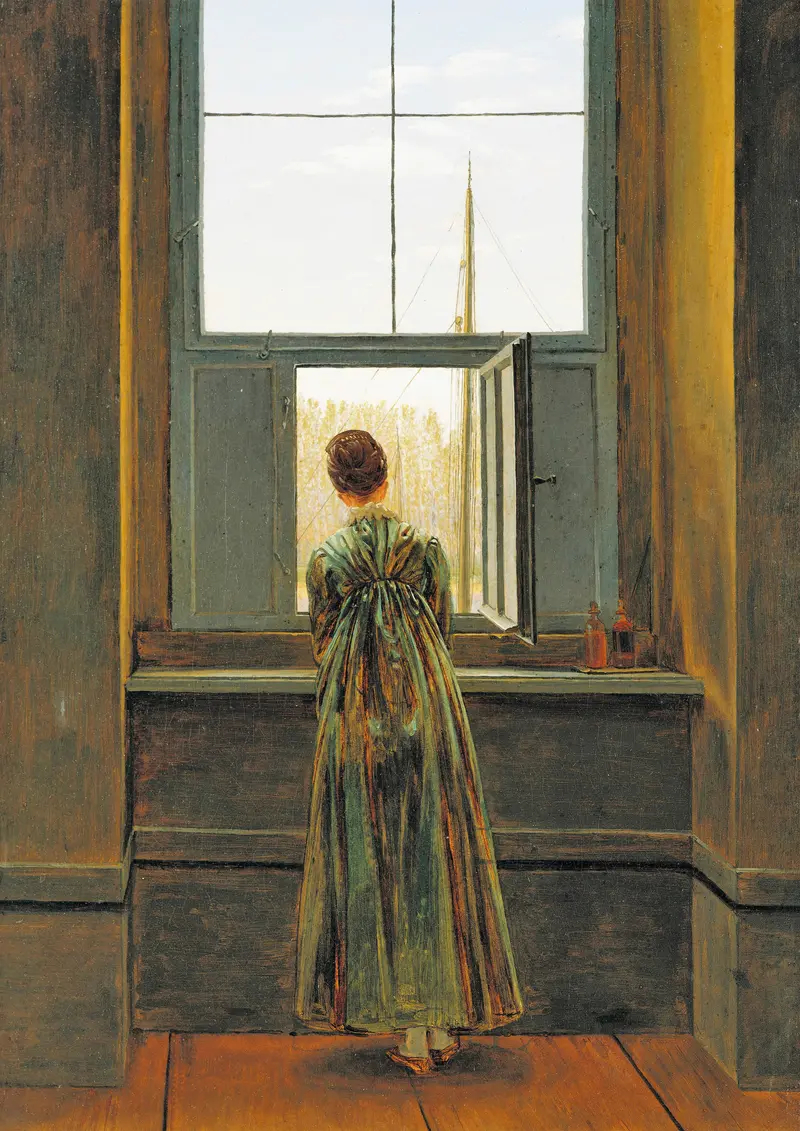
Woman at a Window
Caspar David Friedrich
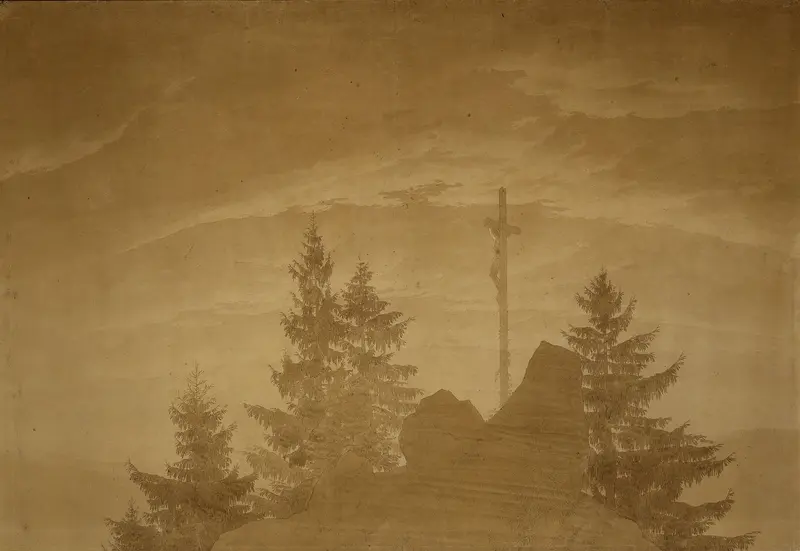
Cross in the Mountains
Caspar David Friedrich
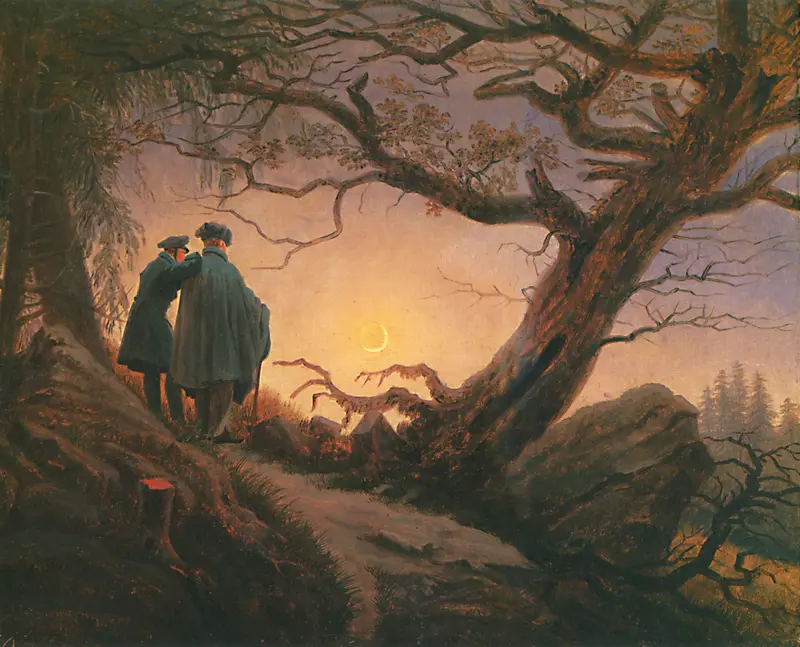
Two Men Contemplating the Moon
Caspar David Friedrich
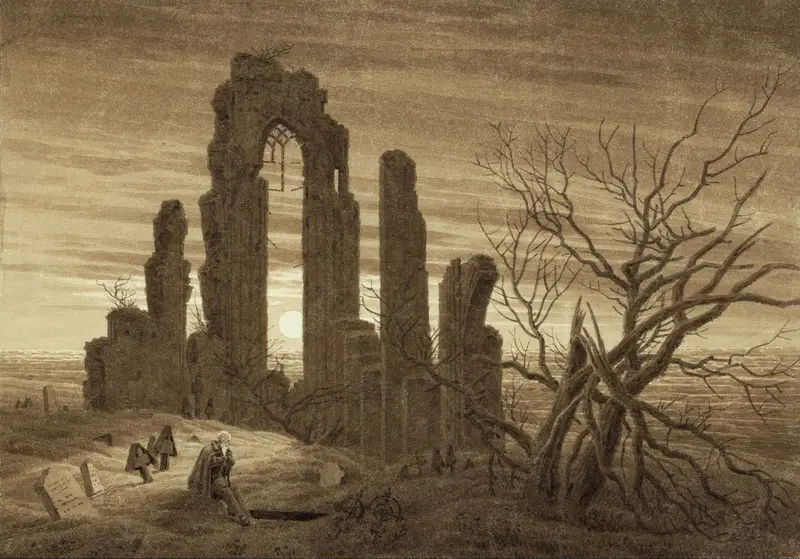
Winter – Night – Old Age and Death (from the times of day and ages of man cycle of 1803)
Caspar David Friedrich
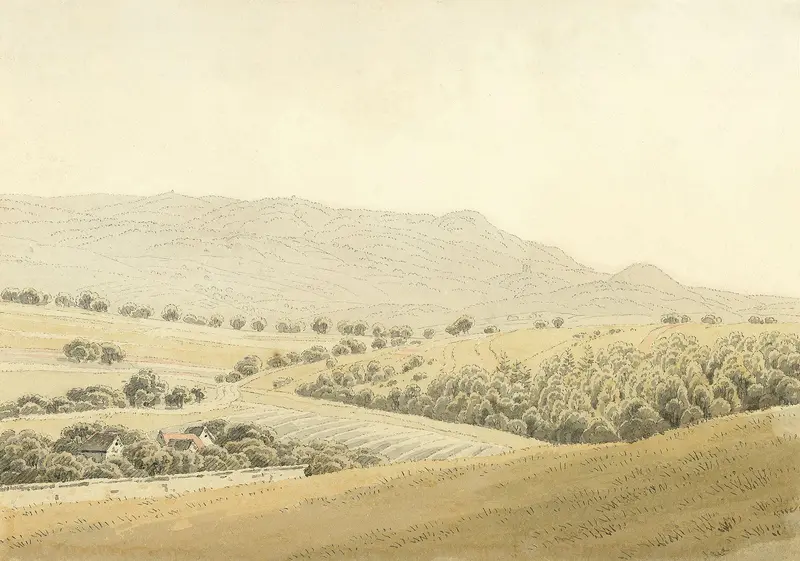
Mittelgebirgslandschaft
Caspar David Friedrich

Landschaft mit gebirgsee, morgen
Caspar David Friedrich
More Landscape Art

The Starry Night
Vincent van Gogh

View of Delft
Johannes Vermeer

Water Lilies
Claude Monet

The Grand Canal, Venice, looking north-west from the Ca' Corner to the Ca' Contarini degli Scrigni, with the campanile of Santa Maria della Carità
Canaletto

Windsor Castle
Canaletto

The Grand Canal looking North-East from the Palazzo Dolfin-Manin to the Rialto Bridge
Canaletto