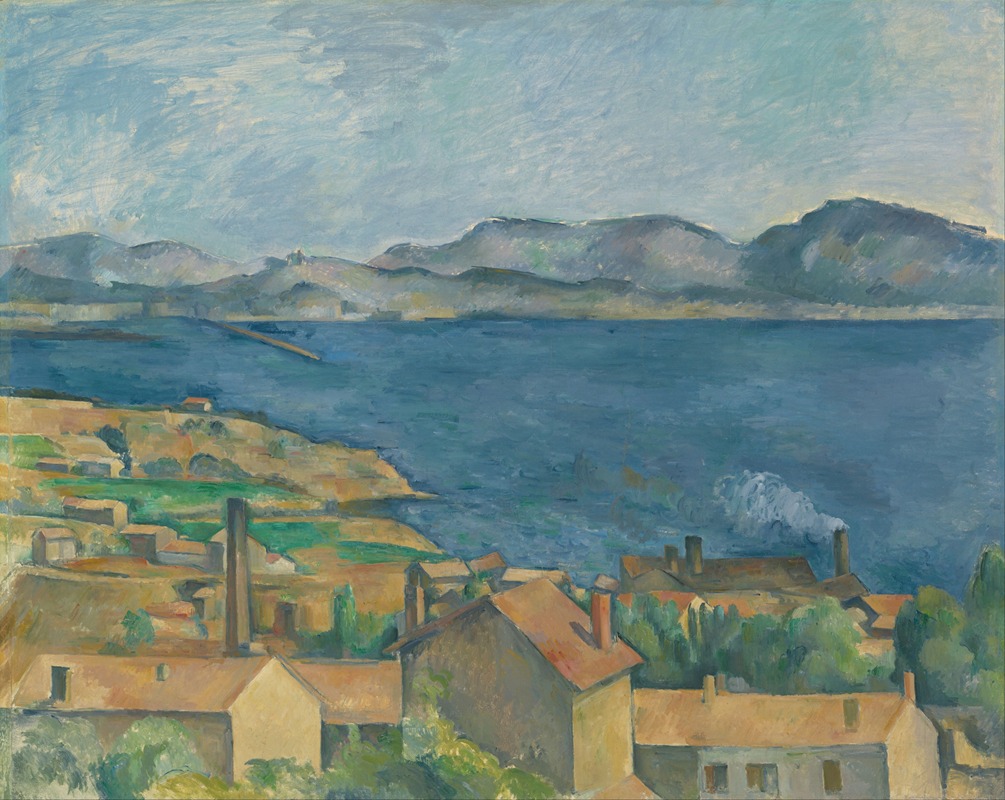
Discover insights about this artwork
Rocks at Port-Goulphar, Belle-Île — History & Facts
In Rocks at Port-Goulphar, Belle-Île, Claude Monet presents a vivid coastal scene. The painting features a dynamic interplay of colors, with deep blues and greens representing the sea and rocky cliffs. Bright whites and yellows depict the sunlight reflecting off the water.
The overall composition conveys a sense of movement and the natural beauty of the landscape. Monet's technique in this piece exemplifies his Impressionist style, characterized by loose brushwork and a focus on light. The use of color is particularly striking, with a palette that captures the essence of the coastal environment. The painting measures approximately 73 x 92 cm, allowing for a detailed representation of the rocks and water.
This work showcases Monet's ability to capture the fleeting effects of light on the landscape. Claude Monet painted this work during his time on Belle-Île, a small island off the coast of Brittany, France. This period was significant for Monet, as he sought to capture the beauty of nature in its raw form. An interesting fact about this painting is that it reflects Monet's fascination with the changing qualities of light and color in different weather conditions.
This work is a testament to his dedication to the Impressionist movement.
More Artworks by Claude Monet
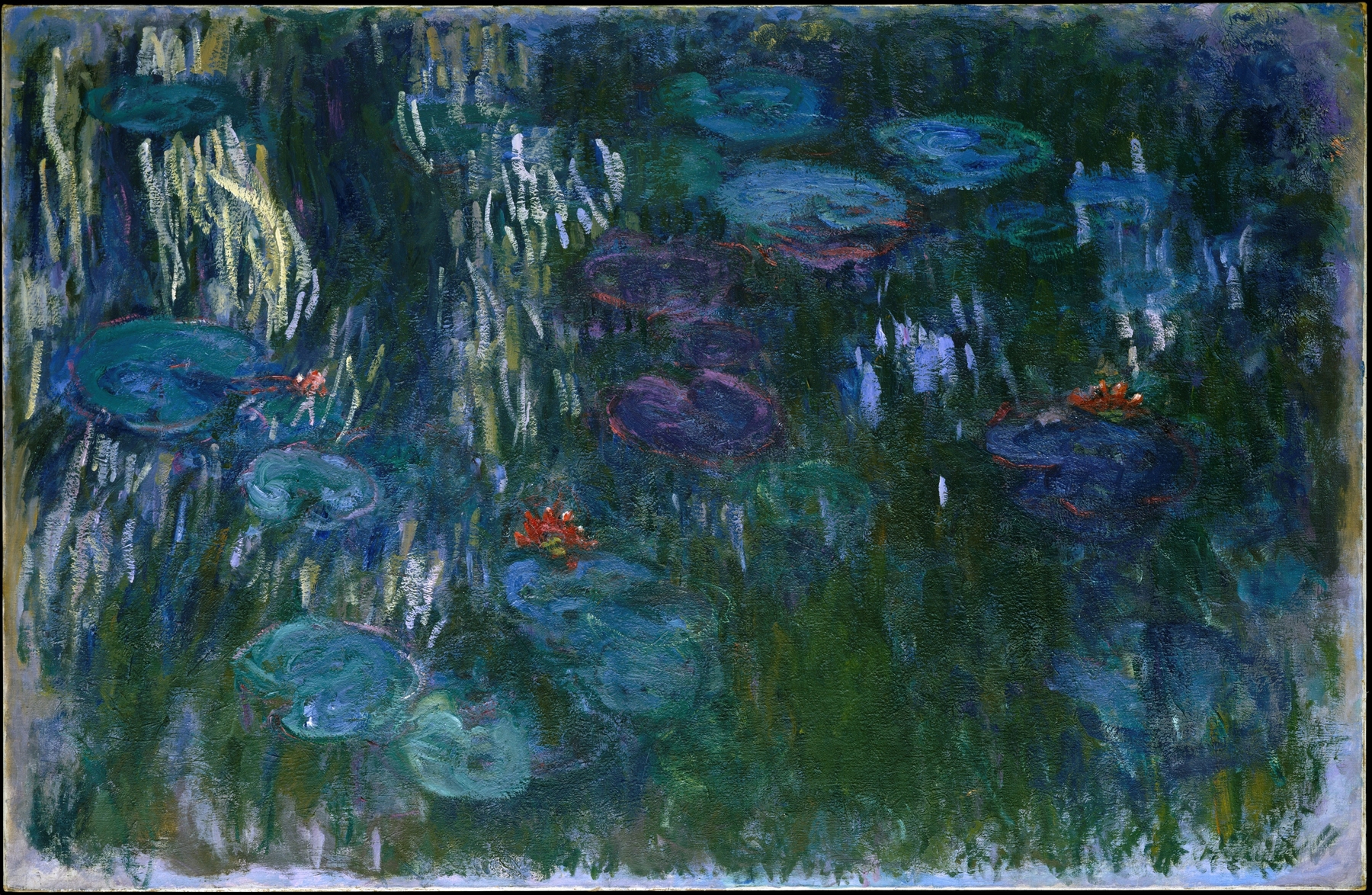
Water Lilies
Claude Monet
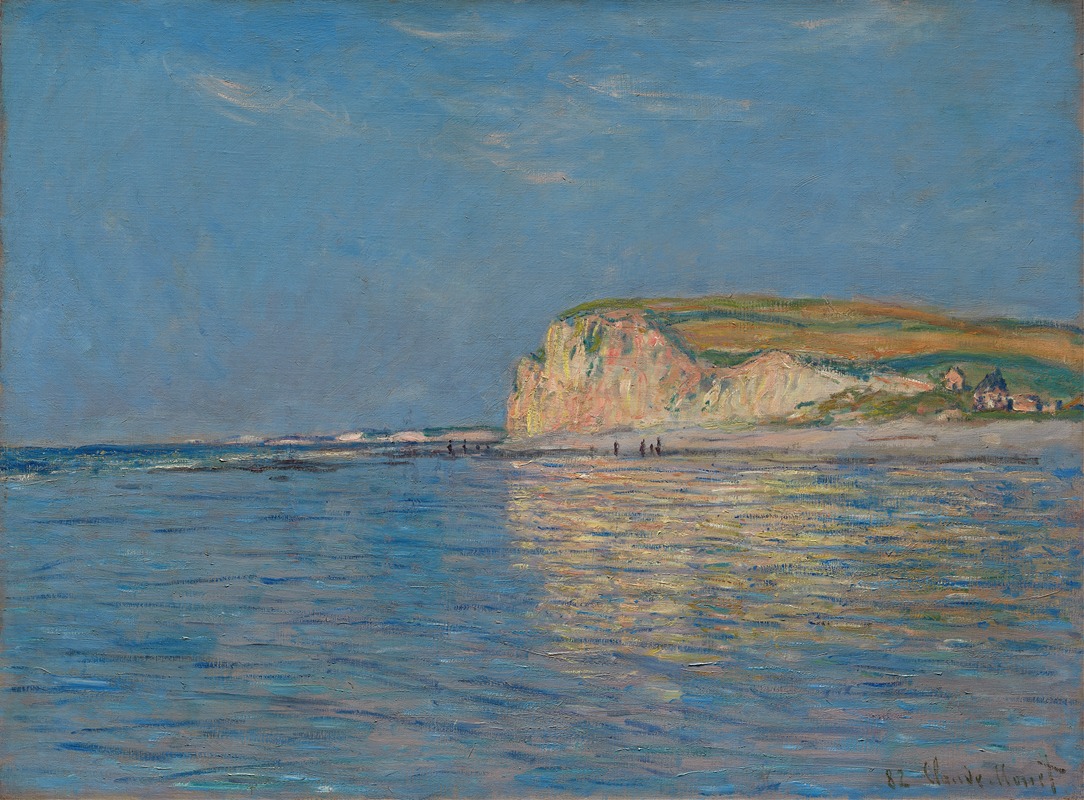
Low Tide at Pourville, near Dieppe
Claude Monet
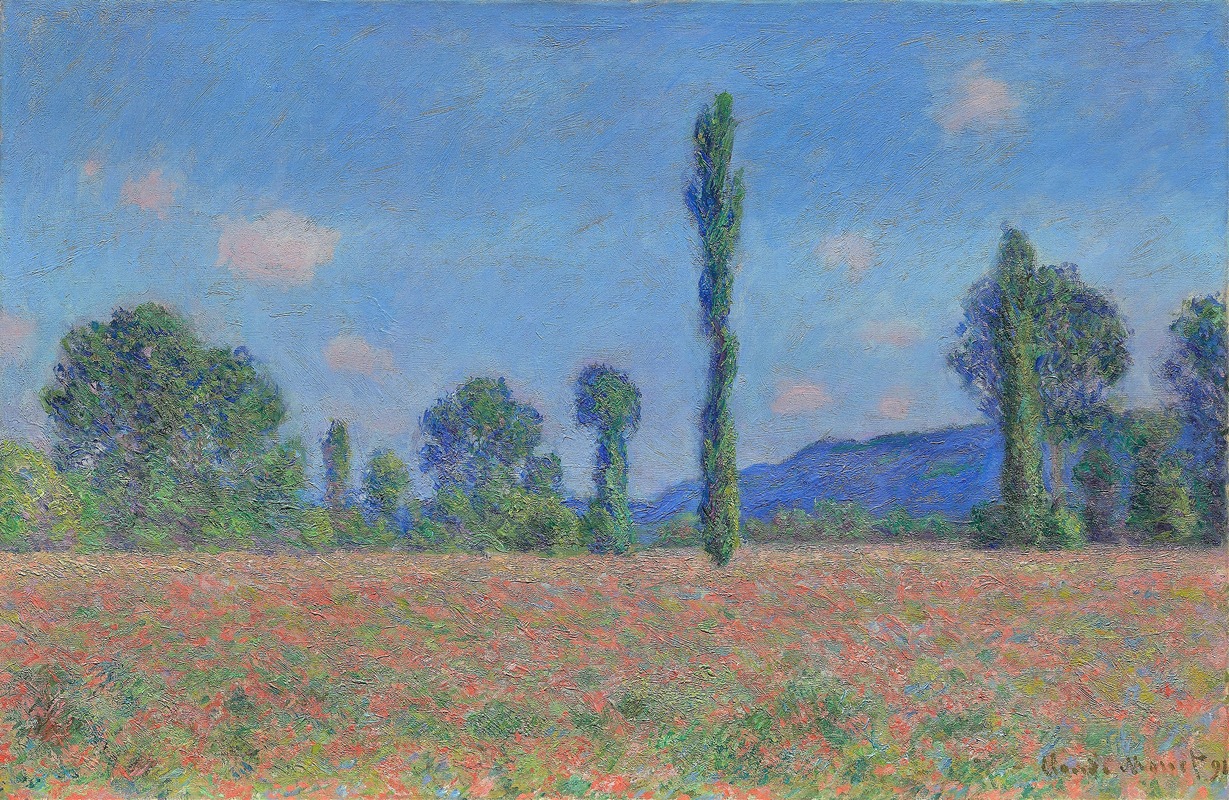
Poppy Field (Giverny)
Claude Monet
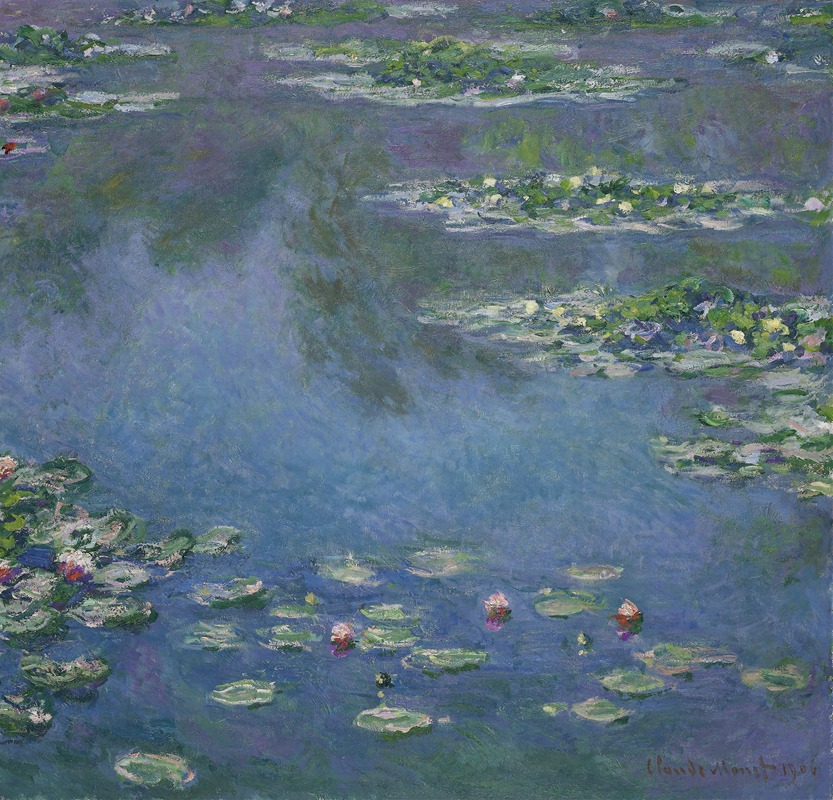
Water Lilies
Claude Monet
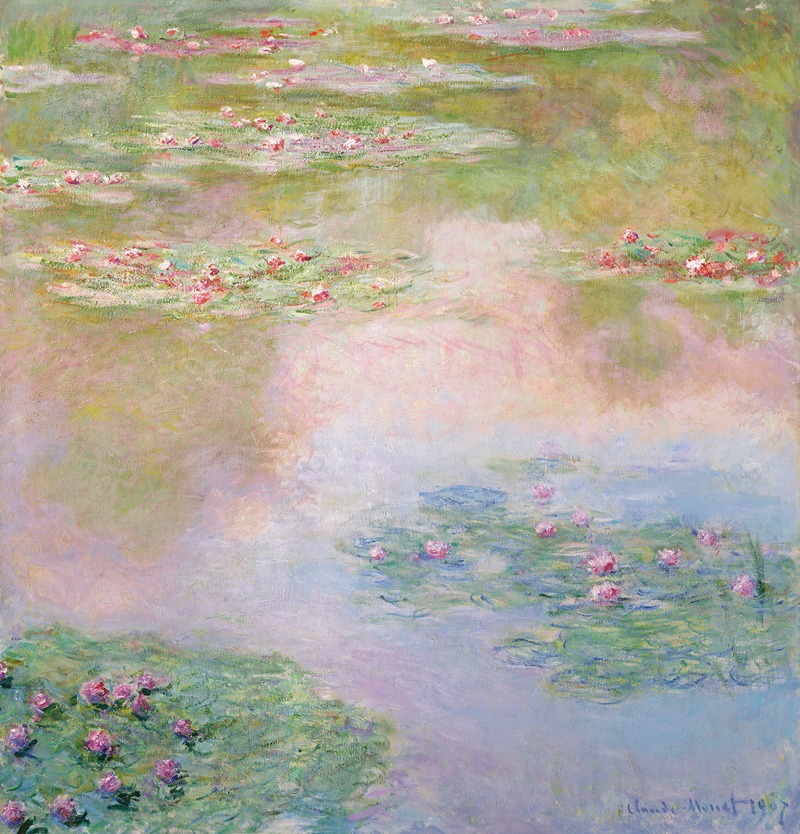
Nymphéas
Claude Monet
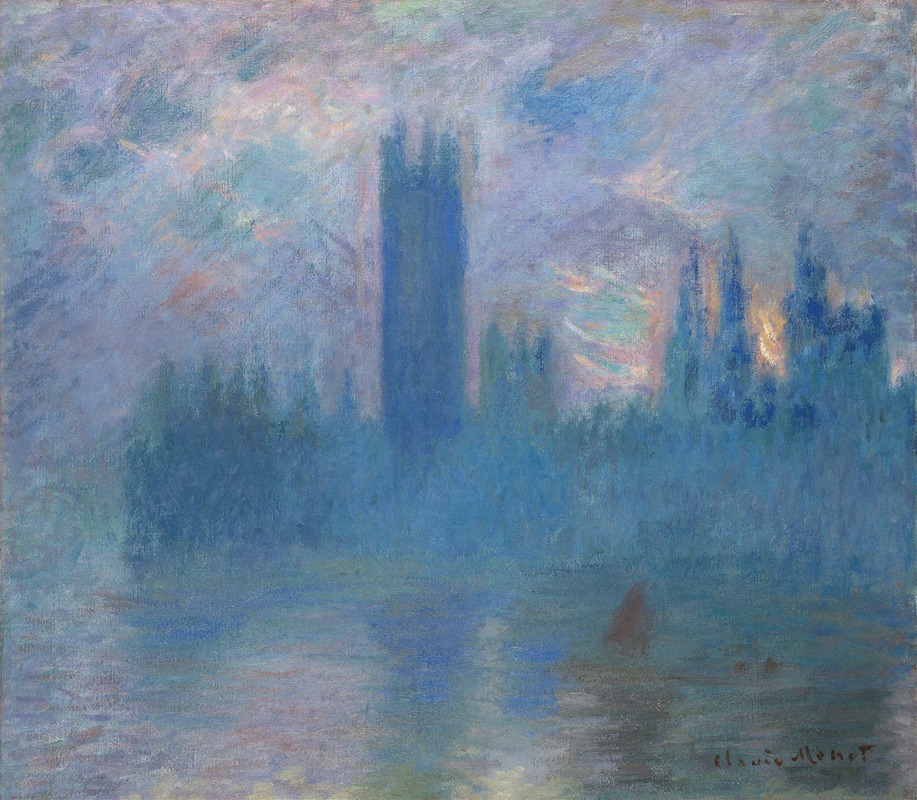
Houses of Parliament, London
Claude Monet
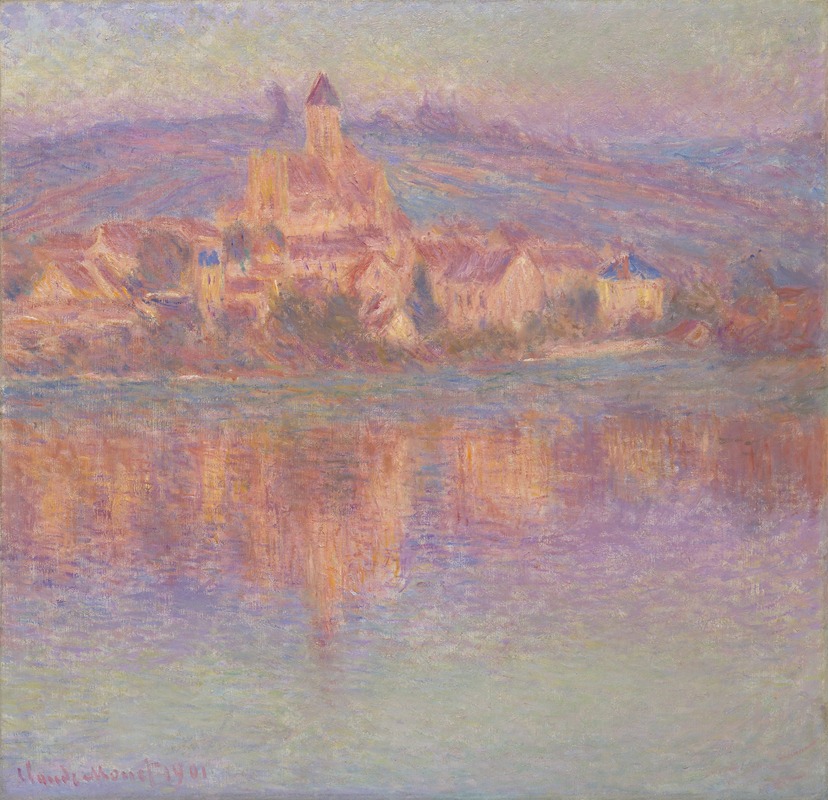
Vétheuil
Claude Monet
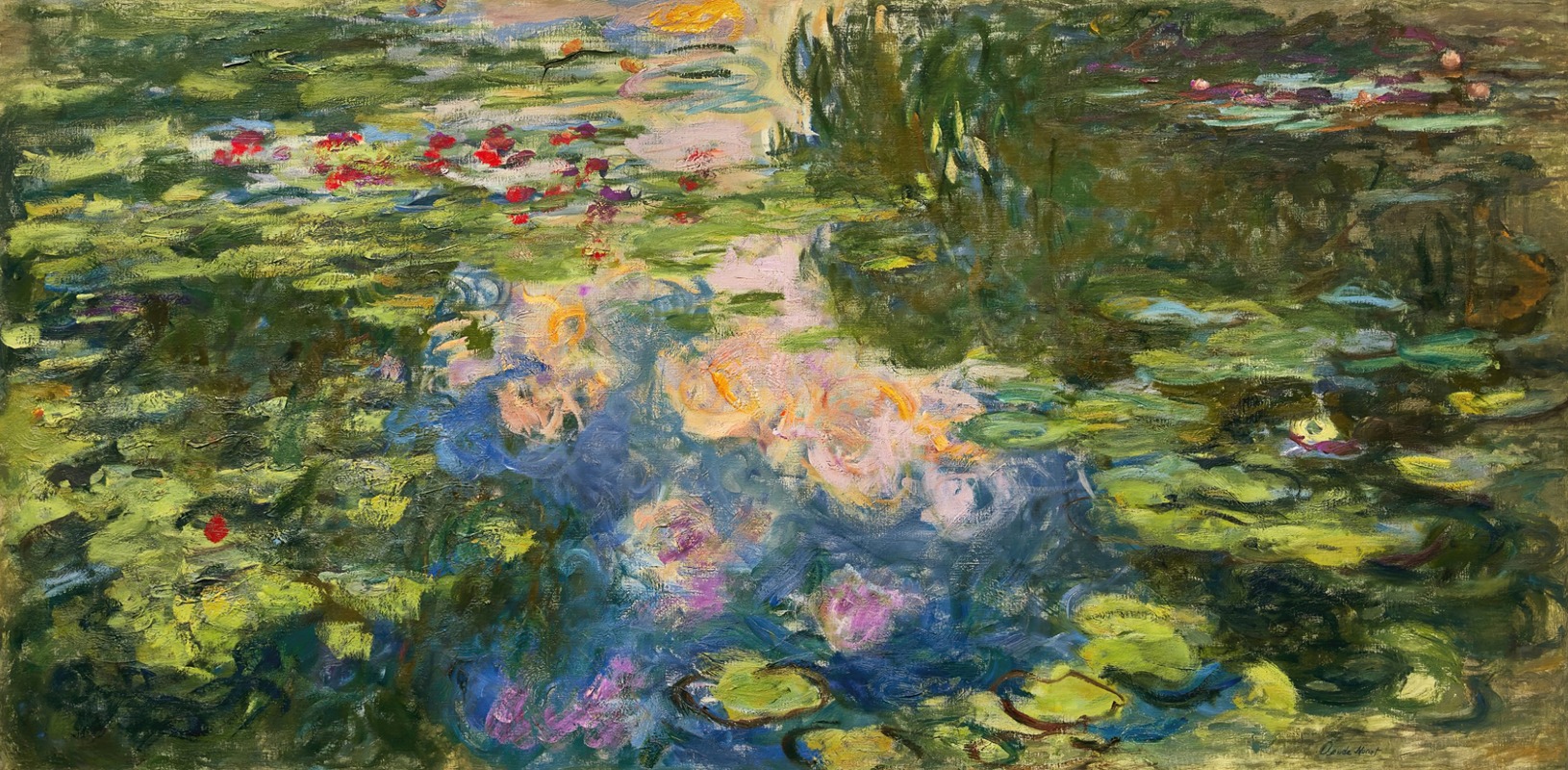
Le Bassin aux nymphéas
Claude Monet
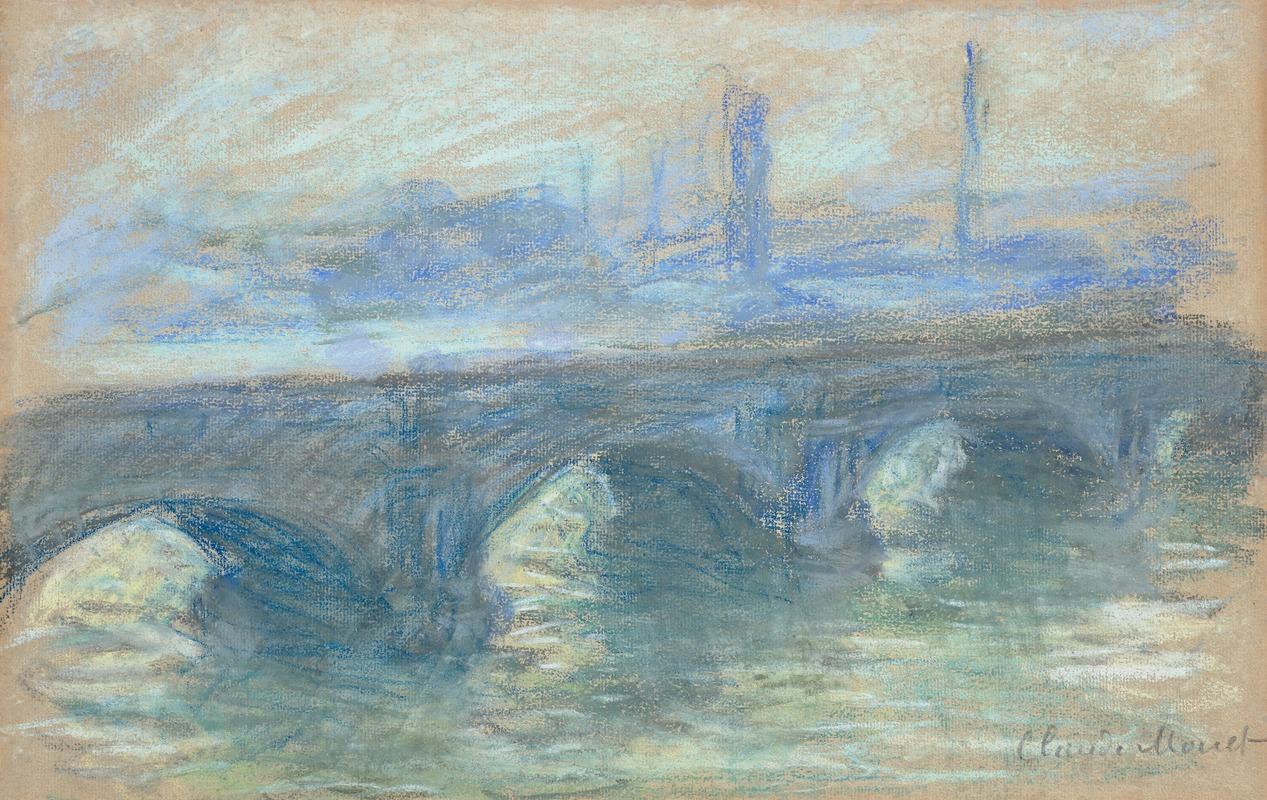
Waterloo Bridge
Claude Monet

Printemps à Giverny, effet d’après-midi
Claude Monet