
Rocks near St. Blasius, Black Forest — History & Facts
In Rocks near St. Blasius, Black Forest, the viewer is invited to witness a stunning awakening, where the natural world unfurls its splendor with a subtle undercurrent of turmoil. Focus on the center, where rugged rocks rise dramatically against the lush greenery, their textured surfaces capturing the light in hues of ochre and deep umber. Notice how the interplay of sunlight and shadow creates a dance of warmth across the canvas, breathing life into the landscape.
The artist’s deft brushwork invites the viewer to trace the contours of the rocks, while delicate breezes seem to rustle the leaves in the background, suggesting a moment frozen in time. As you explore the details, consider the muted yet vibrant colors that speak to both the roughness of the terrain and the serenity of the forest. The juxtaposition of the jagged rocks against the soft, enveloping foliage reflects the duality of existence—strength and fragility, beauty and harshness. This tension enhances the emotional resonance of the piece, awakening a sense of contemplation within the viewer, urging them to ponder their own relationship with nature. Created in 1870 during a period of personal reflection for the artist, this work exemplifies his return to themes of nature and landscape after a time of exploring more contemporary subjects.
Thoma was deeply influenced by the Romantic movement and sought to portray the sublime beauty of the Black Forest, amidst the broader European artistic shift towards realism. This painting captures not only a moment in nature but also Thoma’s own awakening to the profound connections between humanity and the earth.
More Artworks by Hans Thoma
Browse all →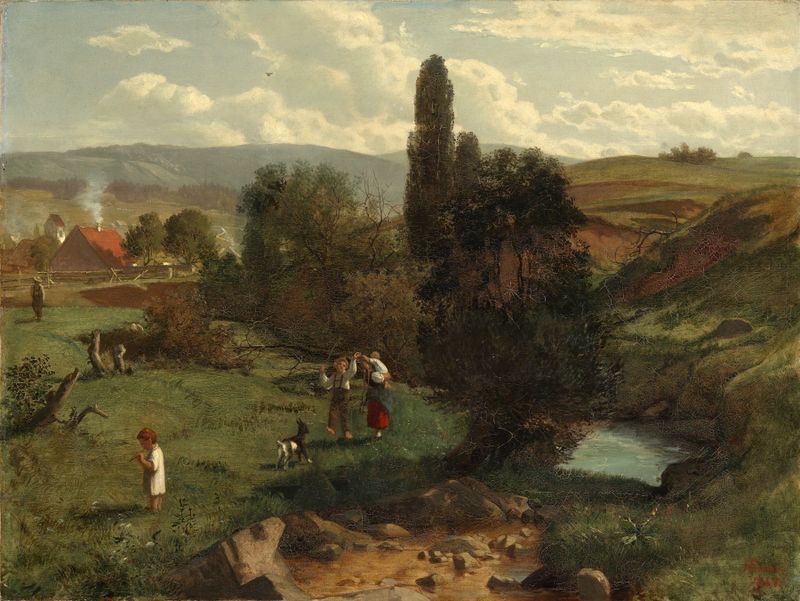
Schwarzwaldlandschaft
Hans Thoma
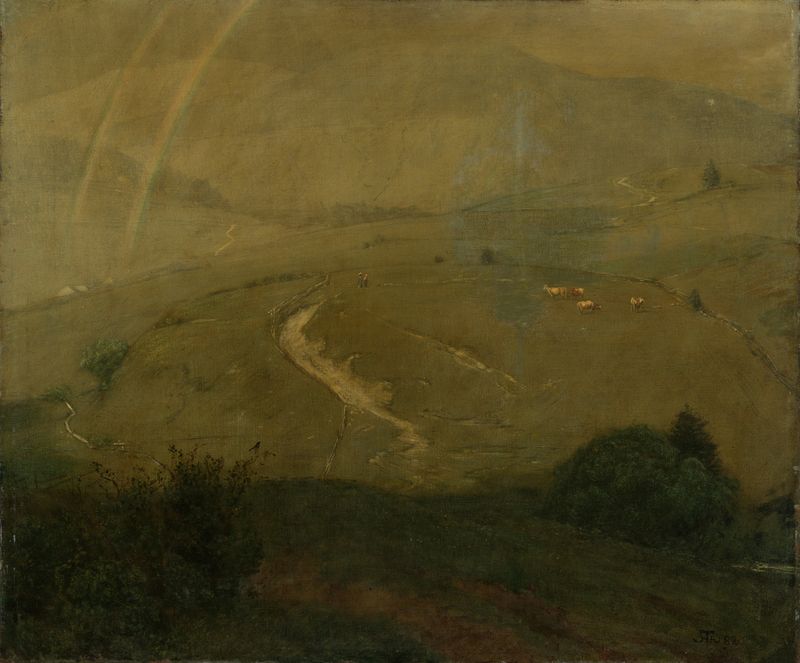
Regen im Schwarzwald
Hans Thoma
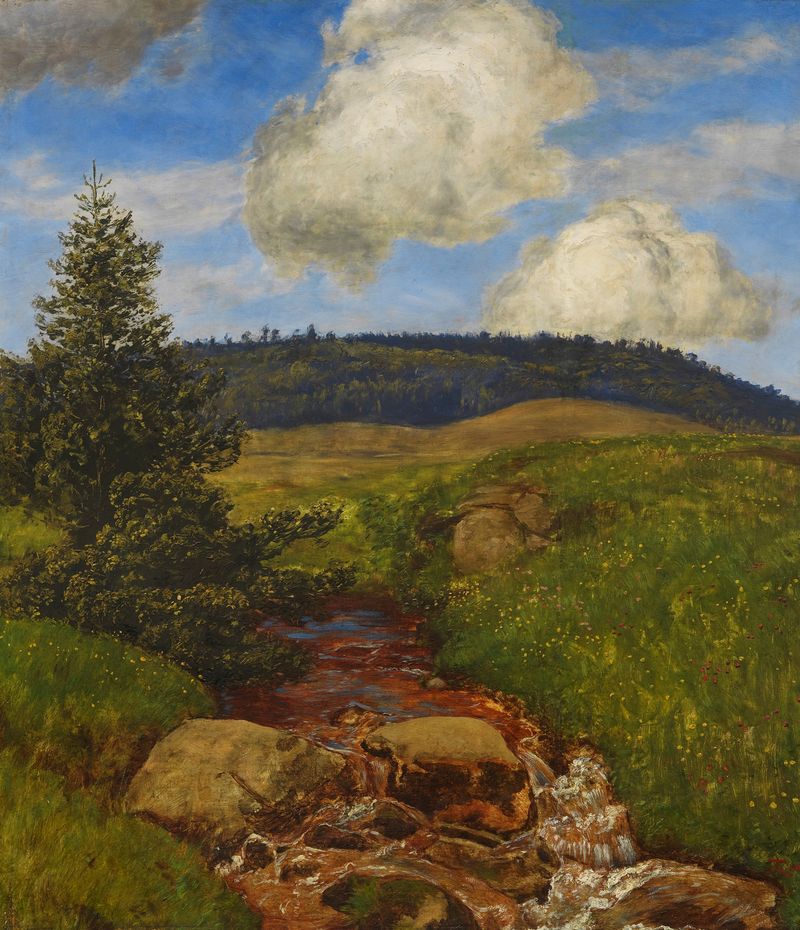
Schwarzwaldbach
Hans Thoma
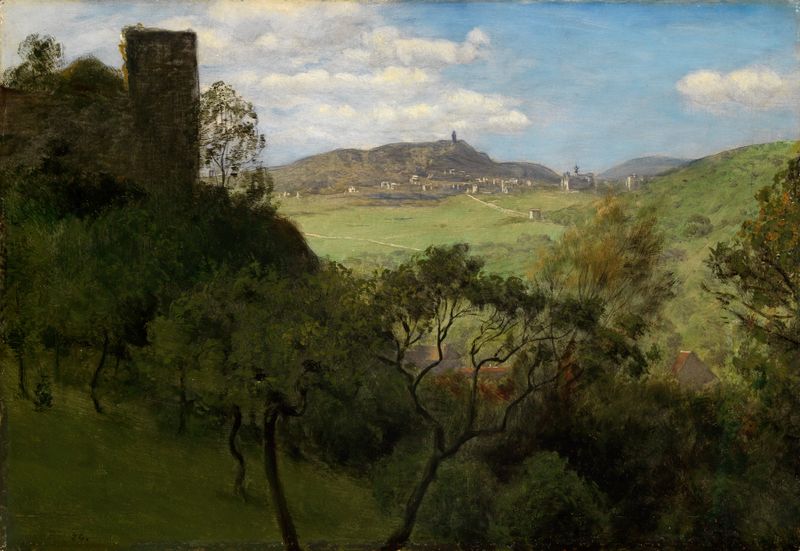
Blick auf Falkenstein im Taunus
Hans Thoma
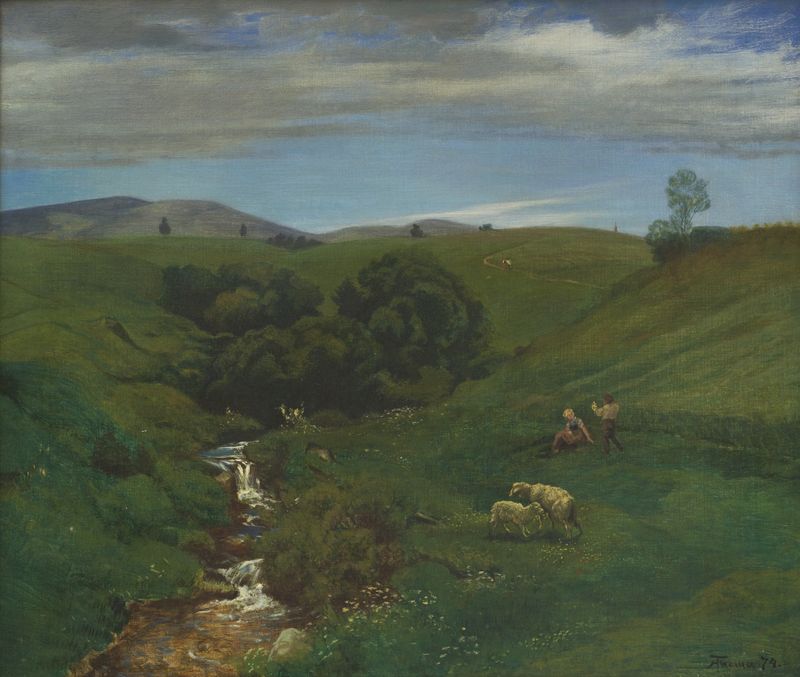
Black Forest Meadow near Bernau
Hans Thoma
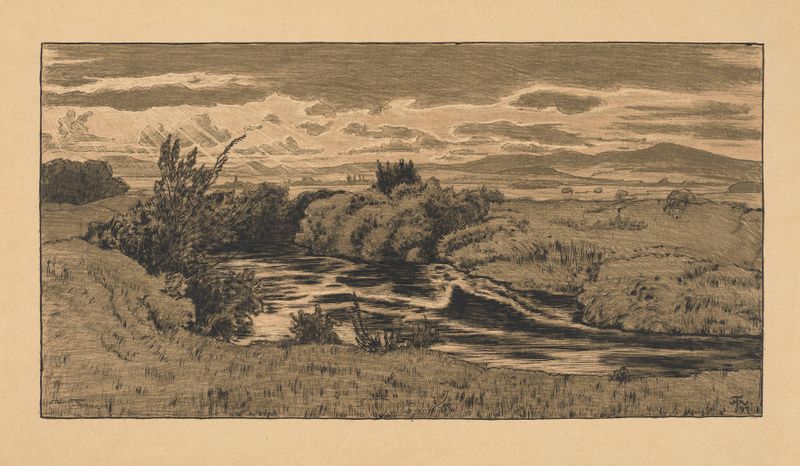
Evening by the Nidda River
Hans Thoma
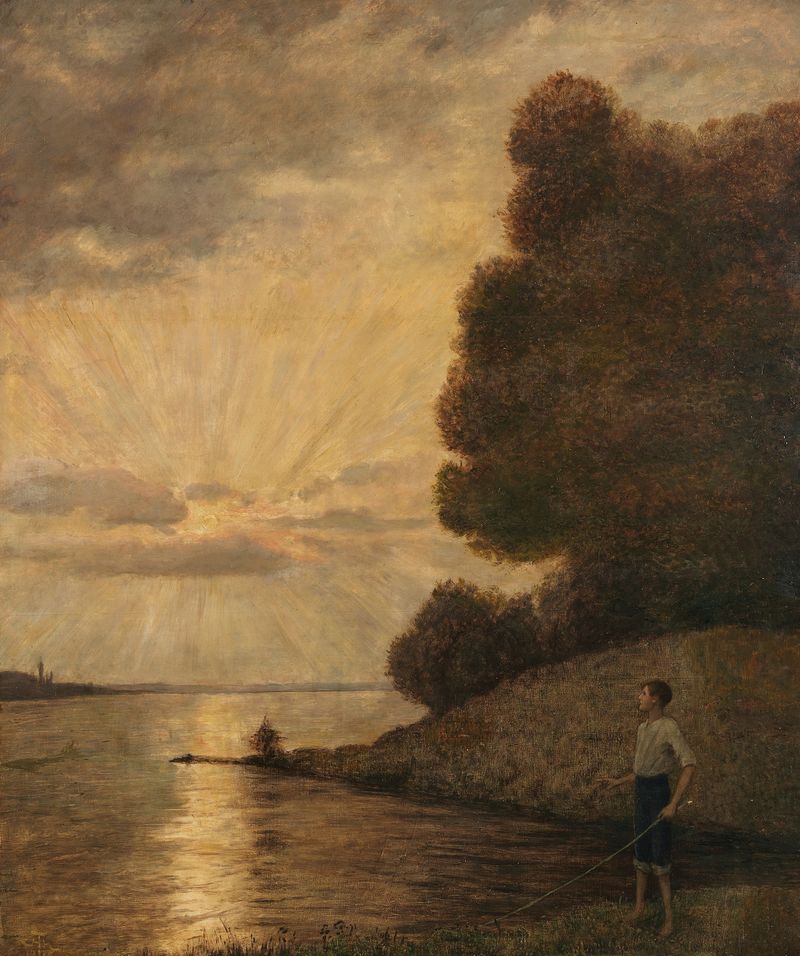
Sonnenuntergang am Oberrhein
Hans Thoma
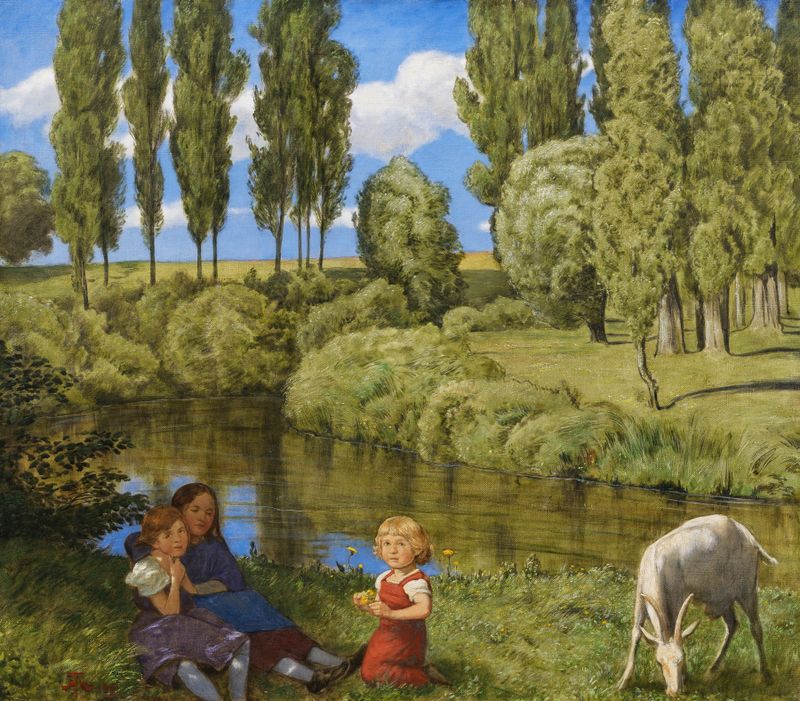
Am Stillen Bach
Hans Thoma
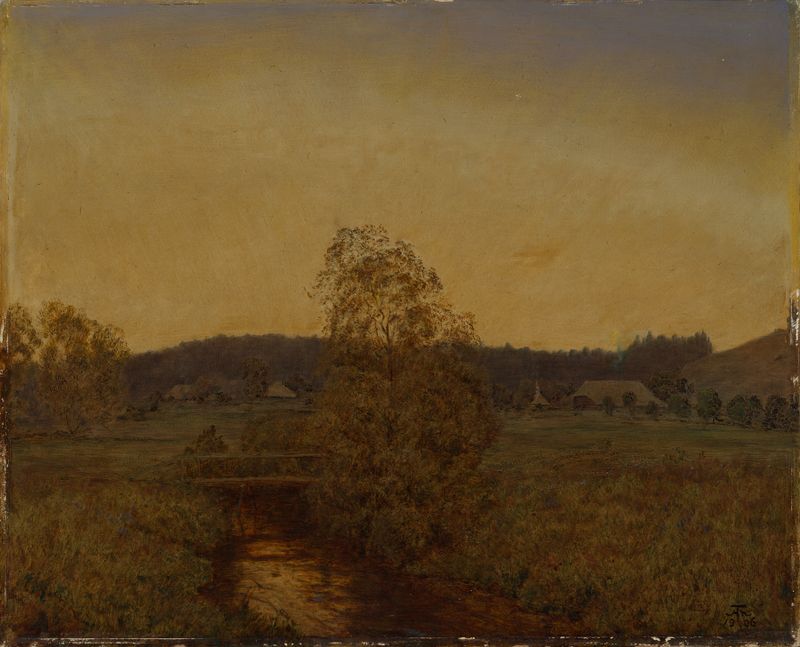
Der Abendstern
Hans Thoma
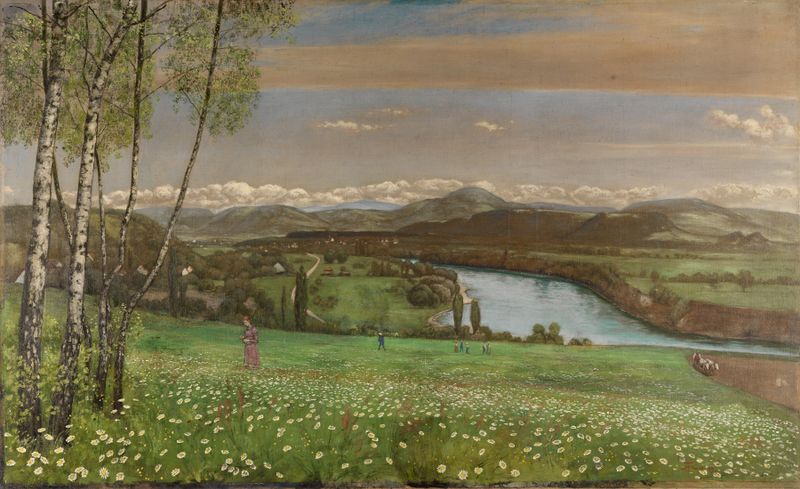
Das Rheintal bei Säckingen
Hans Thoma





