
Rocky Valley — History & Facts
A hush falls over the scene in Rocky Valley, where the eye is drawn first not to a grand vista, but to the quiet drama of stone and shadow. The heart of the image lies in its interplay of steep, jagged rocks and the vertical thrust of dark pine trees, their silhouettes etched sharply against the ochre-toned cliff behind. Light slips in from above, catching on moss and grass, but the valley floor remains in deep shadow, its secrets withheld.
The composition leads you inward, past the ramparts of stone, into a space that feels both intimate and untamed—nature as a place of both shelter and mystery. Every detail is deliberate: the way the trees lean, the careful gradation from light to gloom, the sense that this is a place rarely touched by human presence. Painted in 1813, at the height of the Romantic movement, this work by Caspar David Friedrich reflects a time when artists sought not just to record nature, but to suggest its power and its invitation to contemplation. Such landscapes were rarely commissioned in the traditional sense; instead, they were often personal meditations, created for collectors who craved images that mirrored the era’s fascination with solitude and the unknown.
Little is recorded about the specific journey of this painting, now listed as Object 8126 in PaintingDb, but its mood and subject speak clearly to the period’s longing for wildness and reflection. Stand before it, and let your gaze wander the valley’s depths—Friedrich’s world is one where every shadow and shaft of light asks you to look again.
More Artworks by Caspar David Friedrich
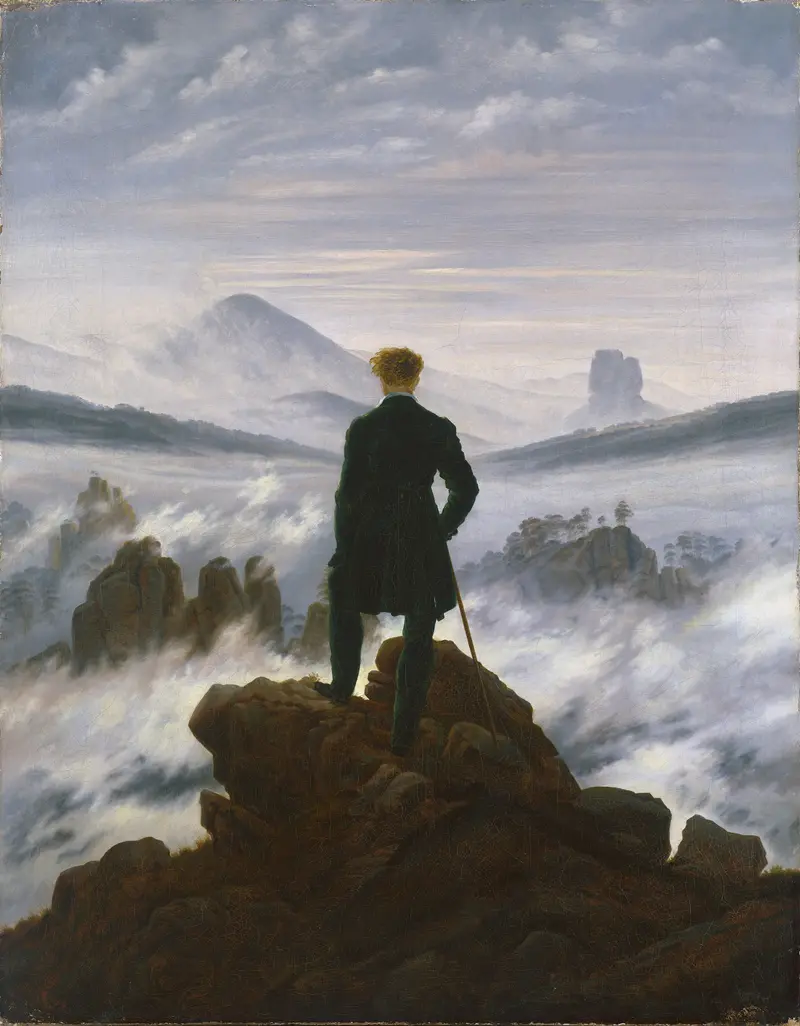
Wanderer above the Sea of Fog
Caspar David Friedrich

The Sea of Ice
Caspar David Friedrich
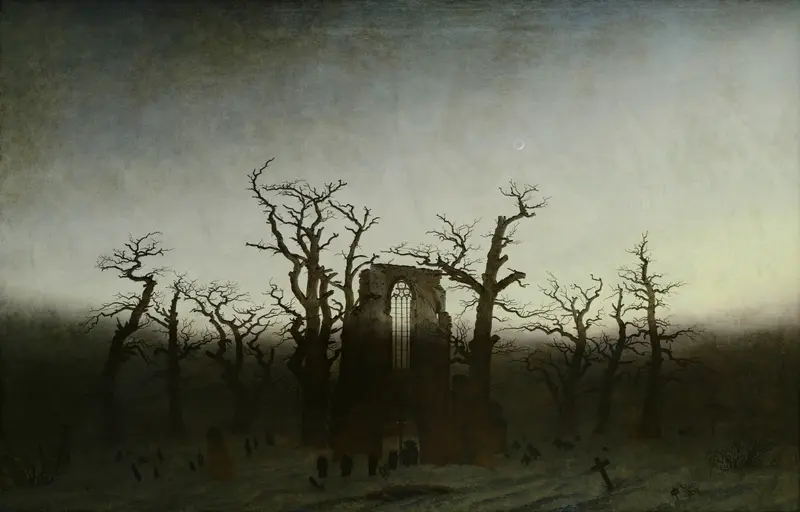
The Abbey in the Oakwood
Caspar David Friedrich
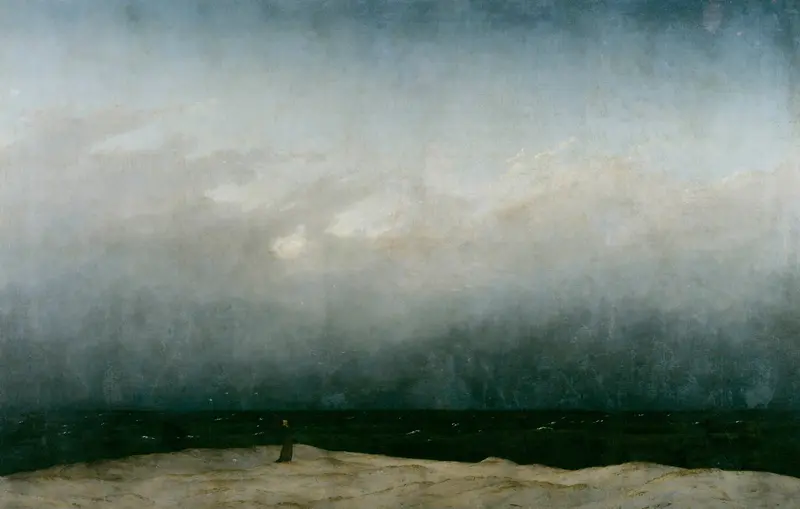
The Monk by the Sea
Caspar David Friedrich
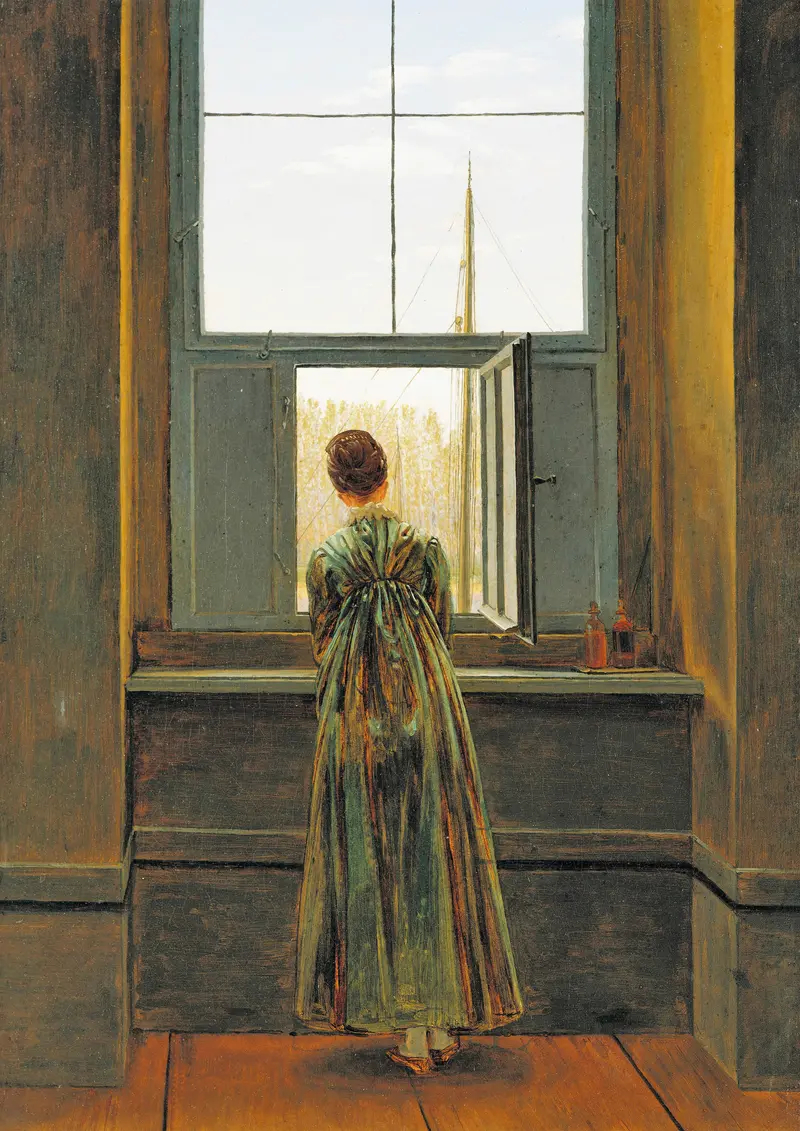
Woman at a Window
Caspar David Friedrich
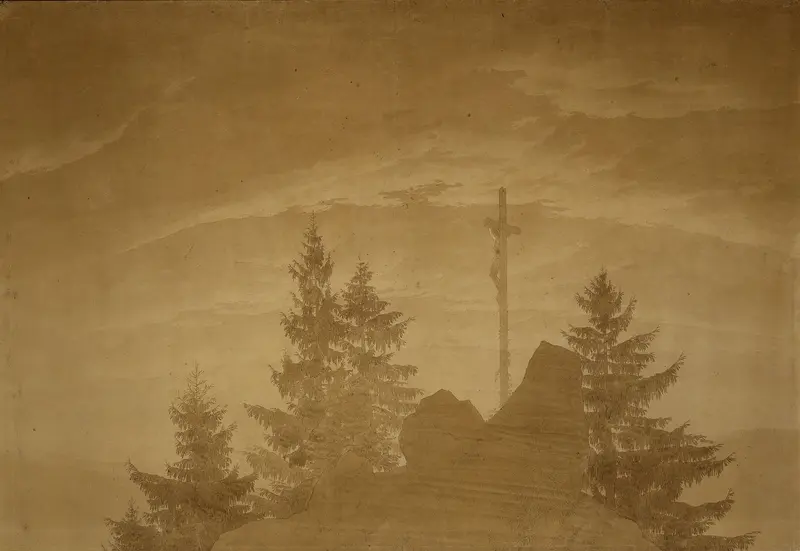
Cross in the Mountains
Caspar David Friedrich
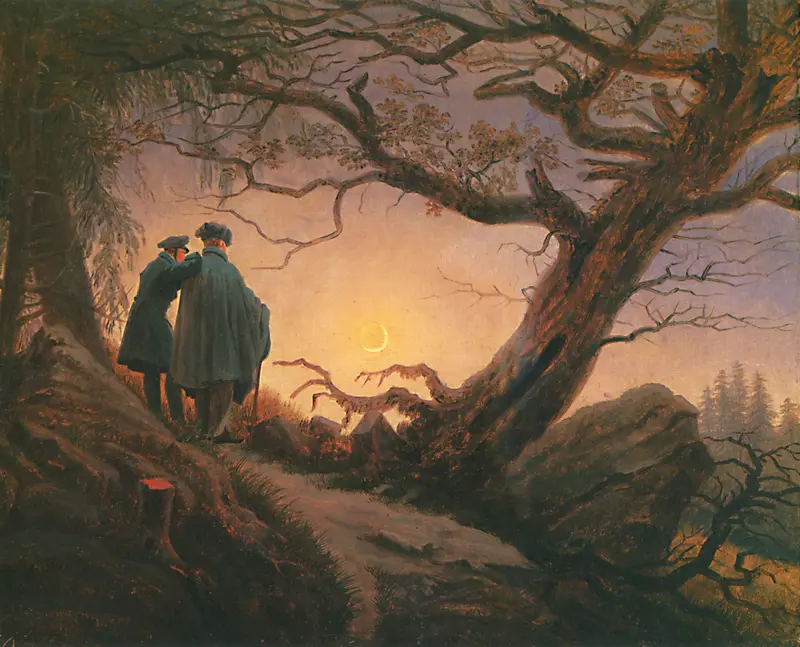
Two Men Contemplating the Moon
Caspar David Friedrich
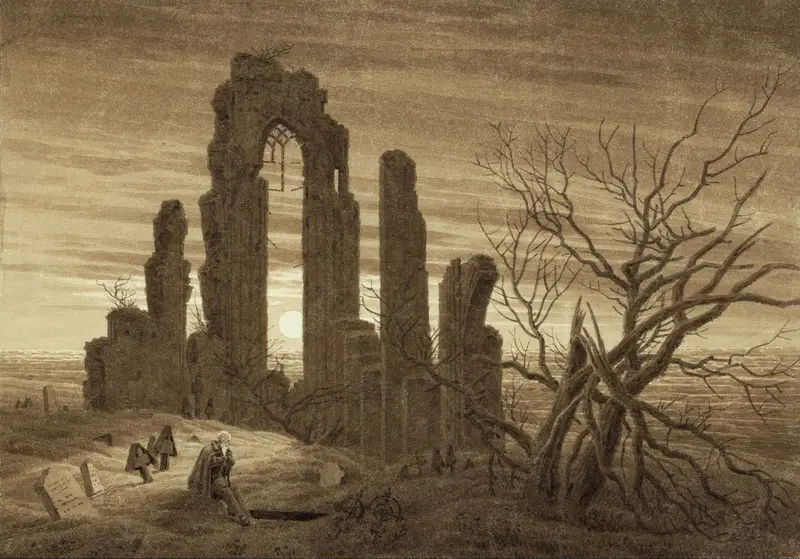
Winter – Night – Old Age and Death (from the times of day and ages of man cycle of 1803)
Caspar David Friedrich
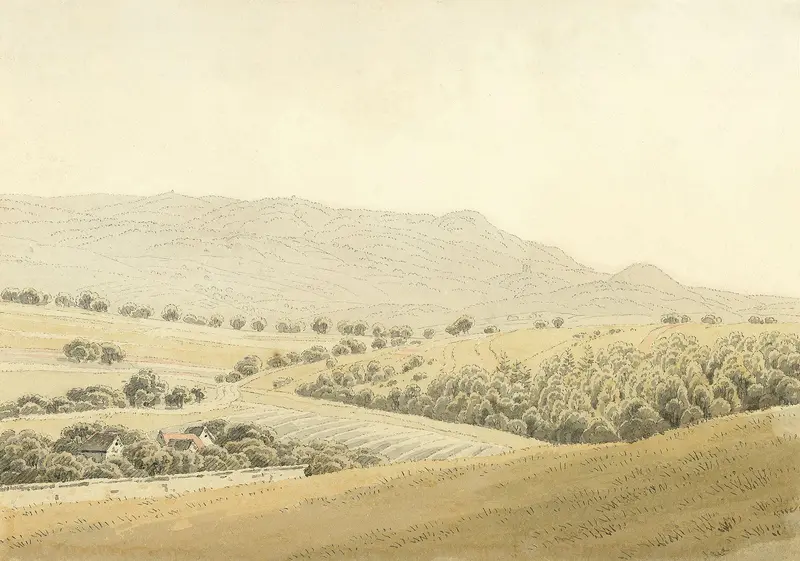
Mittelgebirgslandschaft
Caspar David Friedrich

Landschaft mit gebirgsee, morgen
Caspar David Friedrich
More Landscape Art

The Starry Night
Vincent van Gogh

View of Delft
Johannes Vermeer

Water Lilies
Claude Monet

The Grand Canal, Venice, looking north-west from the Ca' Corner to the Ca' Contarini degli Scrigni, with the campanile of Santa Maria della Carità
Canaletto

Windsor Castle
Canaletto

The Grand Canal looking North-East from the Palazzo Dolfin-Manin to the Rialto Bridge
Canaletto