
Rogers’ house, no. 7 State Street — History & Facts
The stillness of a neighborhood, the hidden stories behind the façades, vibrate with an unspoken violence that whispers through the spaces shared by inhabitants. Focus on the intricate details of the architecture, where Mielatz captures the play of light across the weathered brick. Look to the left at the shaded doorway, a dark threshold that seems to hold its breath, while the sun dances on the windows, casting an ethereal glow. The subtle variations in color — from the rich brown of the wood to the muted tones of the wall — beckon the viewer to explore the contrasts between warmth and the chill of looming shadows. As you survey the scene, consider the tension between the inviting exterior and the threat of what lies within.
The meticulous craftsmanship hints at a community proud of its heritage, yet the emptiness of the street suggests a past marred by conflict. Each detail, from the worn steps to the closed windows, evokes a sense of longing, inviting speculation about the lives lived behind those walls — lives that silently navigate the complexities of existence, perhaps driven by forces beyond their control. Created in 1904, the artist found himself in an era where America was grappling with rapid urbanization, often plagued by social unrest and change. Mielatz was influenced by the shifting dynamics of his surroundings in New York City, where architecture was both a sanctuary and a battleground of identities.
This work reflects his keen observation of life’s dualities, capturing a moment that lingers long after the viewer has walked away.
More Artworks by Charles Frederick William Mielatz
Browse all →
View of Rockwood Tarrytown on the Hudson, residence of William Rockefeller, no. 1
Charles Frederick William Mielatz
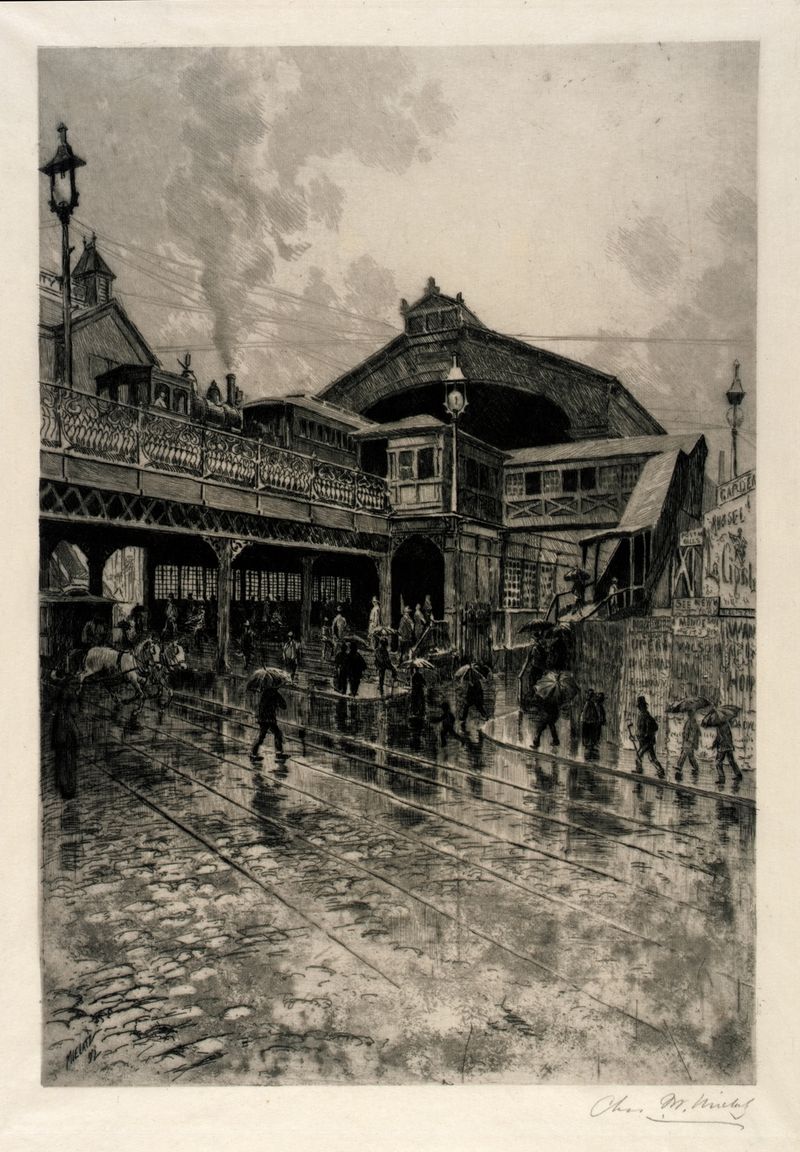
Entrance to Brooklyn Bridge
Charles Frederick William Mielatz
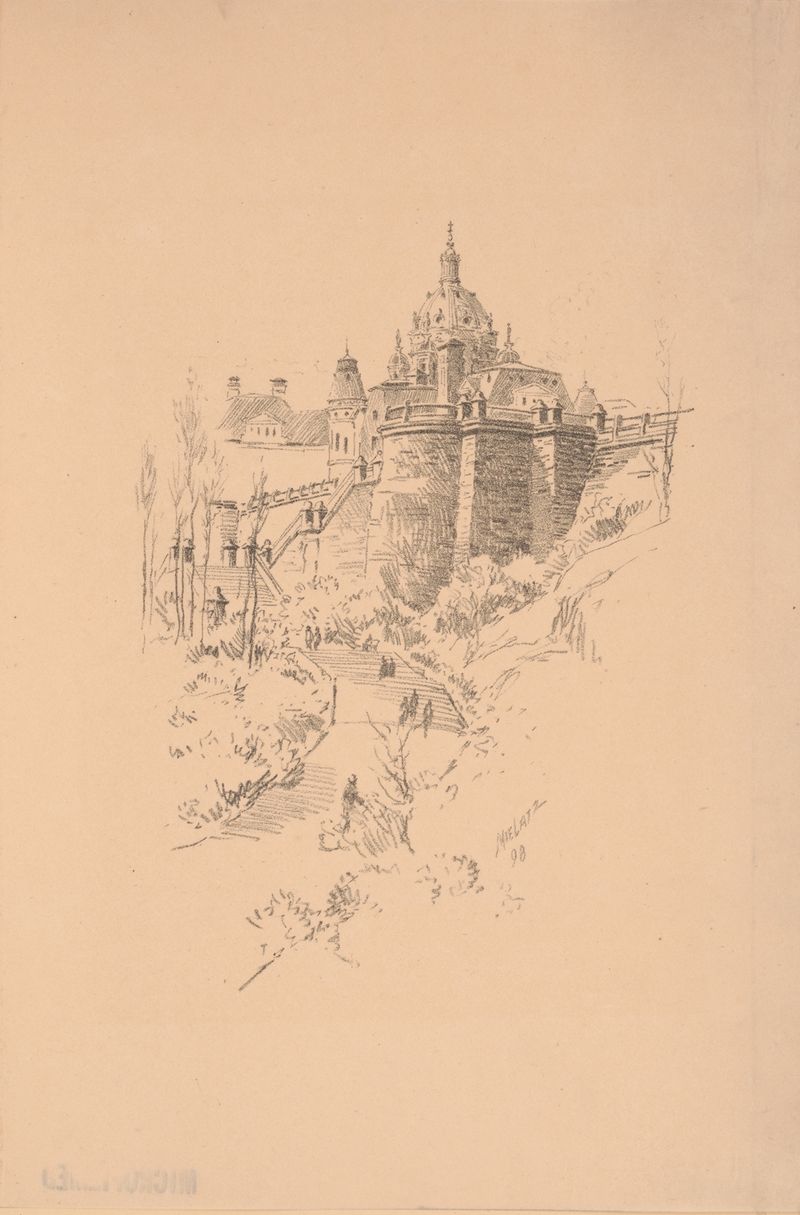
Morningside Park and St. Luke’s Hospital
Charles Frederick William Mielatz

Street Scene under Steel Bridge
Charles Frederick William Mielatz
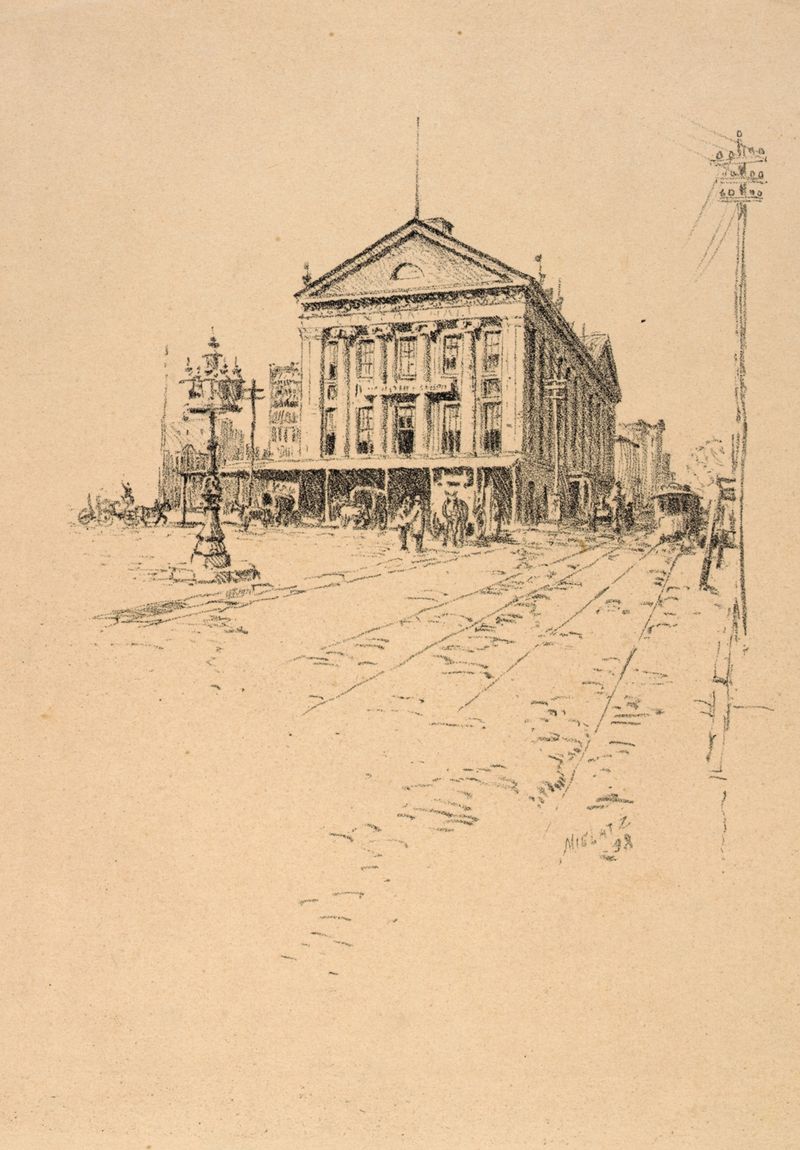
Clinton Hall
Charles Frederick William Mielatz
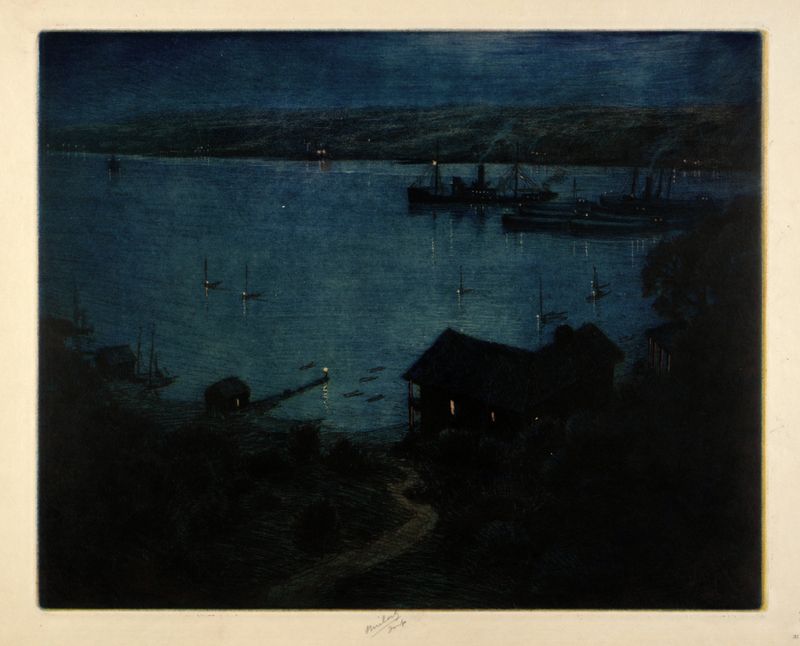
Moonlight–Hudson River
Charles Frederick William Mielatz
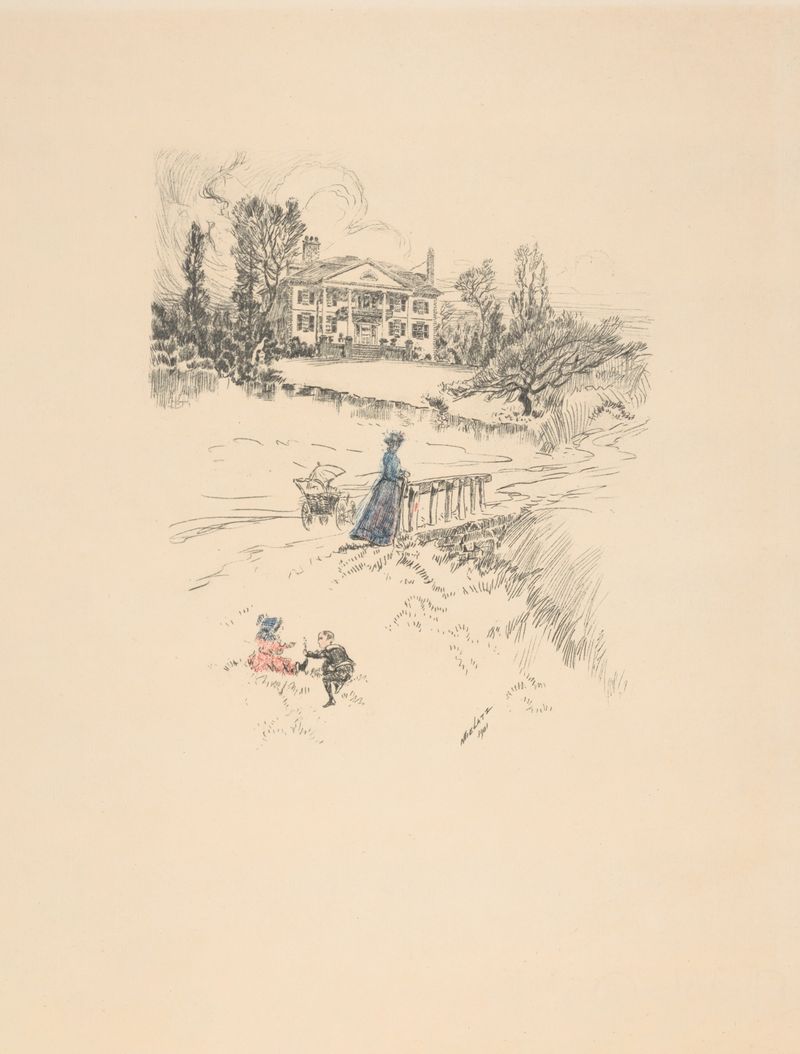
Jumel mansion
Charles Frederick William Mielatz
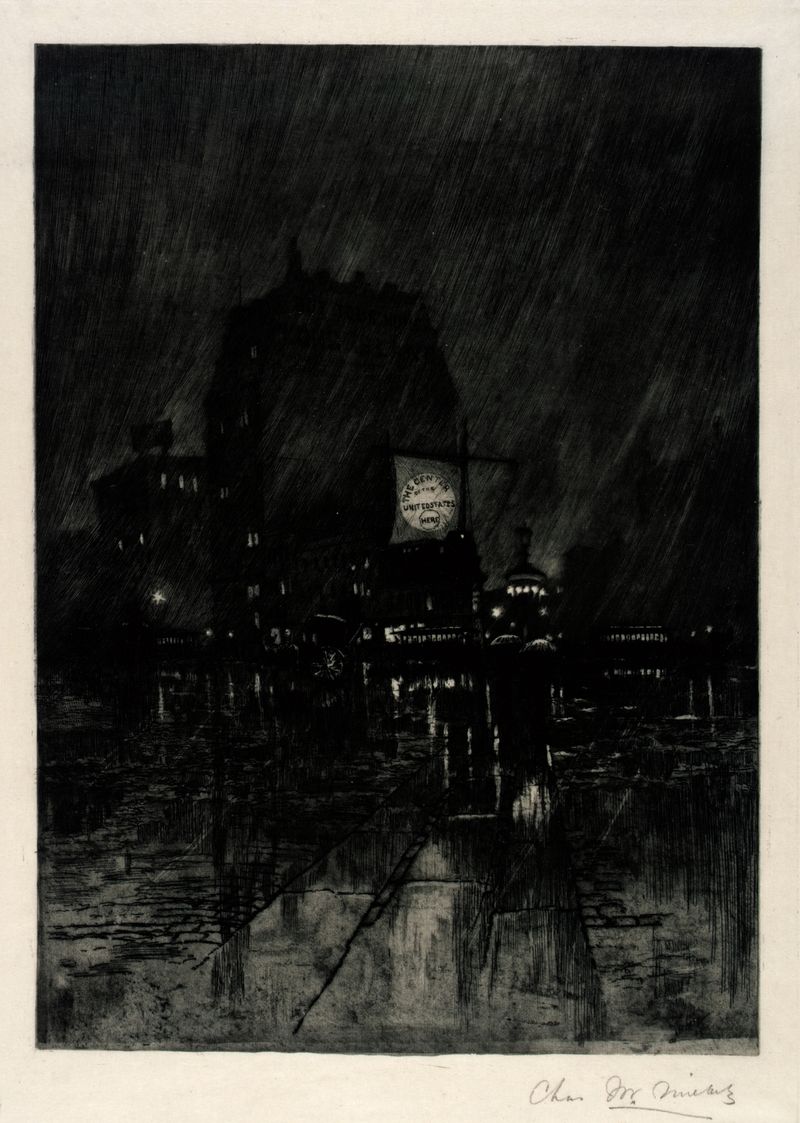
Rainy Night, Madison Square
Charles Frederick William Mielatz
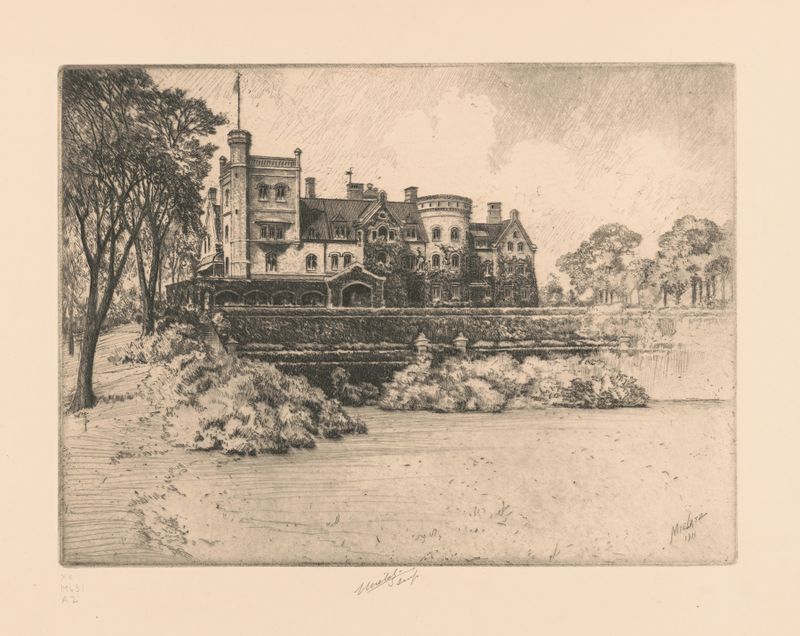
View of Rockwood, Tarrytown on the Hudson, residence of William Rockefeller, no. 3
Charles Frederick William Mielatz

View of Rockwood, Tarrytown on the Hudson, residence of William Rockefeller, no. 5
Charles Frederick William Mielatz
More Architecture Art
Browse all →
The statue of Liberty
Frédéric Auguste Bartholdi

View of Houses in Delft, Known as ‘The Little Street’
Johannes Vermeer

View of Houses in Delft, Known as ‘The Little Street’
Johannes Vermeer

The Cathedral in Rouen. The portal, Grey Weather
Claude Monet

The yellow house
Vincent van Gogh

The Church in Auvers-sur-Oise, View from the Chevet
Vincent van Gogh