Rosa Gallica Aurelianensis — History & Facts
What first arrests the eye in Rosa Gallica Aurelianensis is the extraordinary clarity with which the rose is rendered, as if the bloom itself has been plucked from nature and pressed onto the page. Each petal is layered with a precision that suggests both delicacy and resilience, the pinks deepening into crimsons at the heart and fading to the palest blush at the edges. The leaves, too, are given their due—veins crisply defined, edges serrated, their green tinged with the first hints of autumnal gold.
The stem, bristling with thorns, anchors the composition and reminds the viewer that beauty and defense are inseparable in the natural world. The light falls evenly, banishing shadow, so that every detail stands in quiet, scientific relief. This is the world of late eighteenth- and early nineteenth-century botanical illustration, a time when artists like Pierre-Joseph Redouté were celebrated for their ability to unite art and science. Such works were commissioned by aristocrats and botanists alike, intended both as objects of study and as emblems of cultivated taste.
Redouté, often called the “Raphael of flowers,” worked at the intersection of Enlightenment curiosity and the burgeoning passion for horticulture that swept through Europe. The inscription and elegant script at the bottom root this piece in a tradition of cataloguing and naming, a practice that sought to bring order to the dizzying variety of the natural world. Today, as this watercolor surfaces in a Belgian auction, it stands as a testament to an era when the act of looking closely was itself a form of wonder—an invitation to return, again and again, to the rose’s unfolding mystery.
More Artworks by Pierre-Joseph Redouté
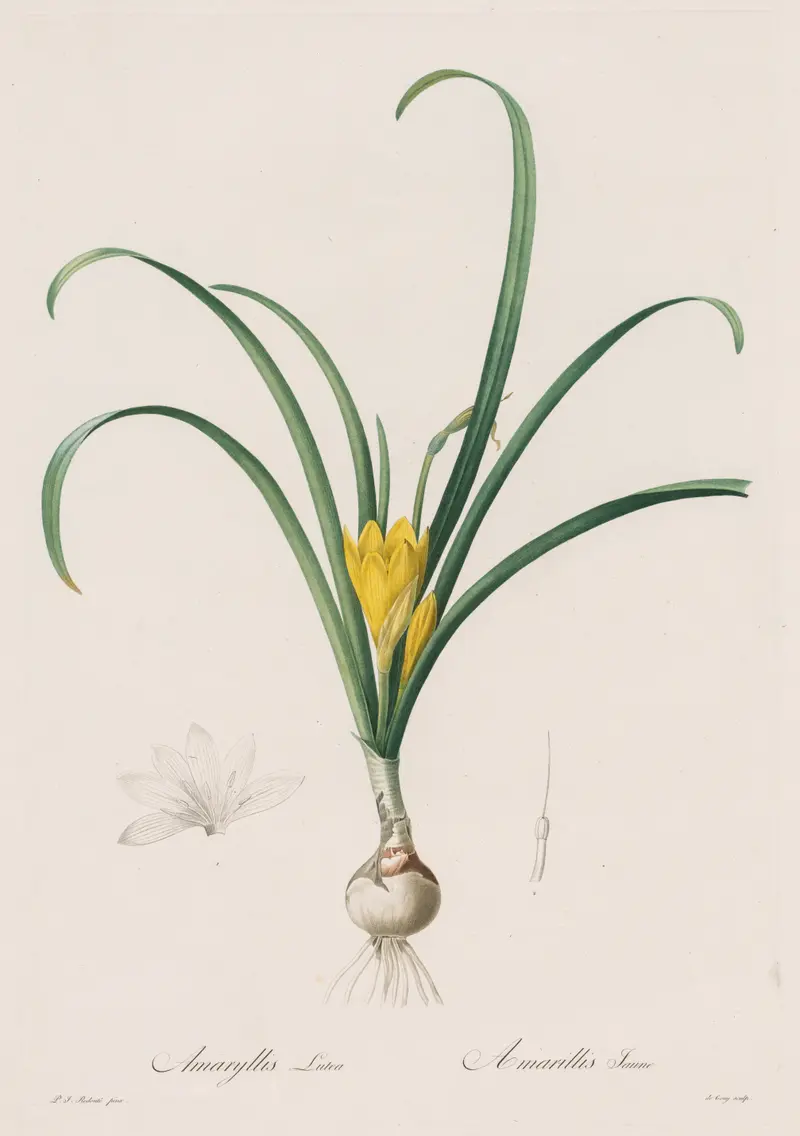
Amaryllis lutea (Les Liliacées)
Pierre-Joseph Redouté
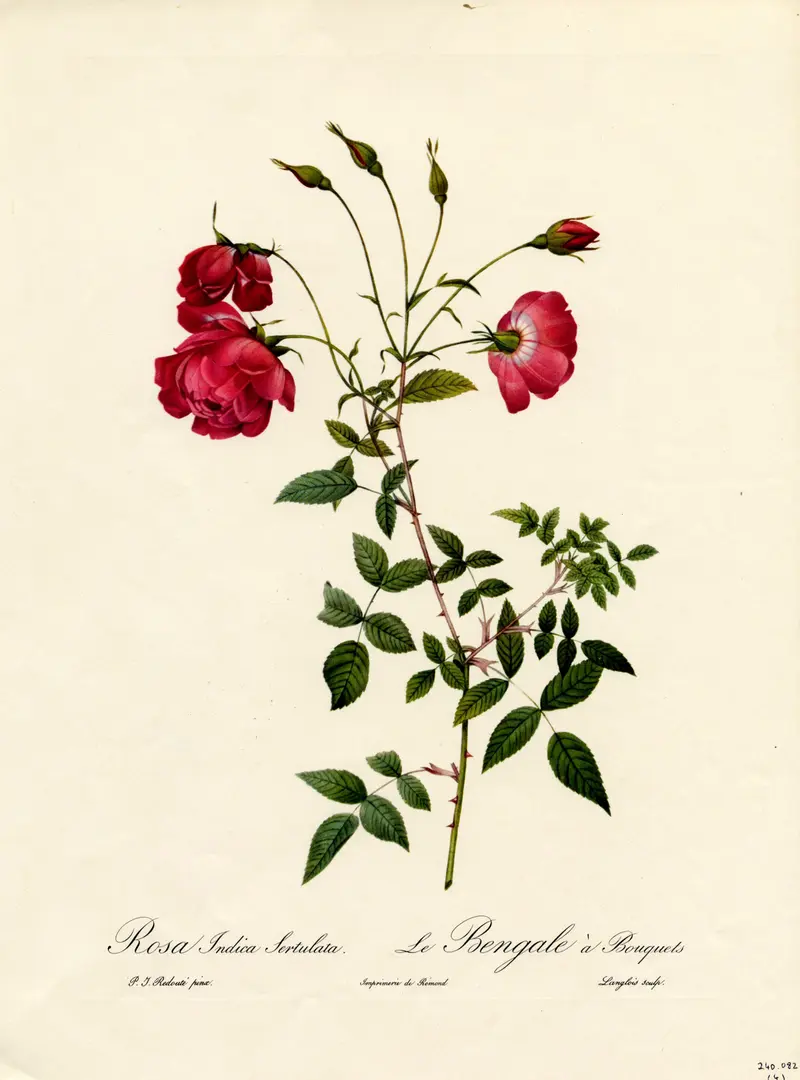
Rosa Indica Sertulata (Bengal Rose)
Pierre-Joseph Redouté

Rosa Centifolia Foliacea
Pierre-Joseph Redouté
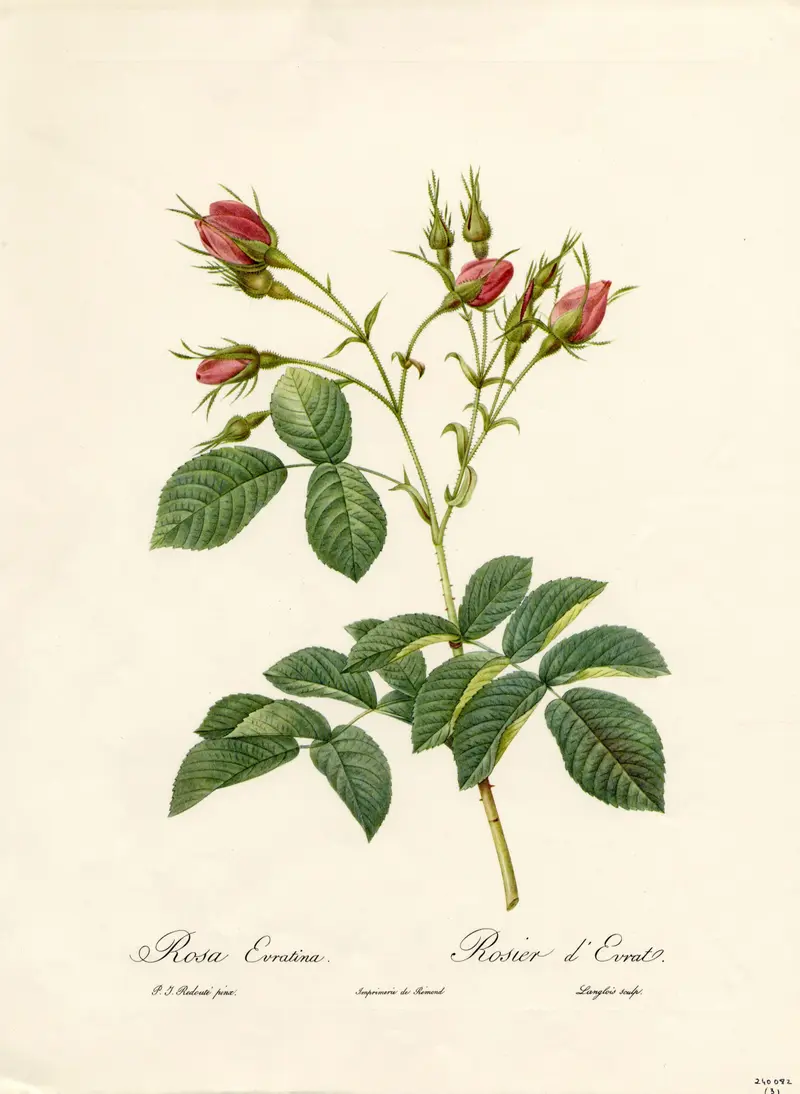
Rosa Evratina (Evrat's Rose)
Pierre-Joseph Redouté
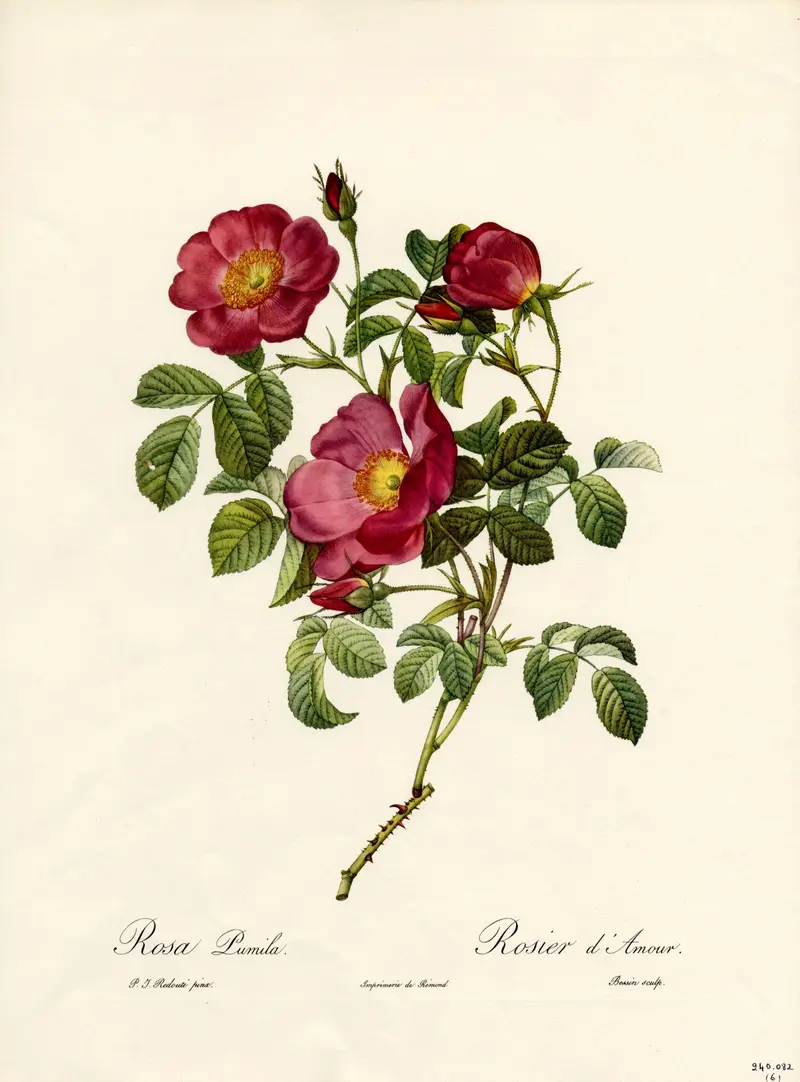
Rosa Pumila (Love Rose)
Pierre-Joseph Redouté
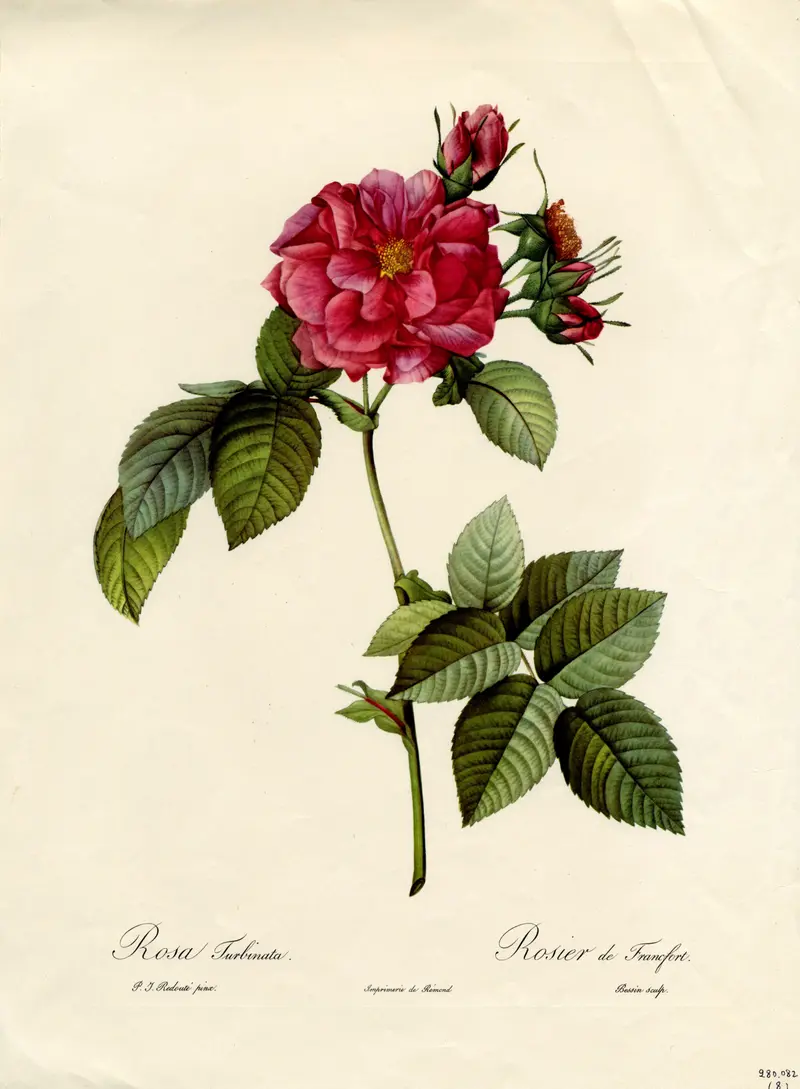
Rosa Turbinata (Frankfurt Rose)
Pierre-Joseph Redouté

Rosa Multiflora Carnea
Pierre-Joseph Redouté

Rosa Damascena Aurora
Pierre-Joseph Redouté
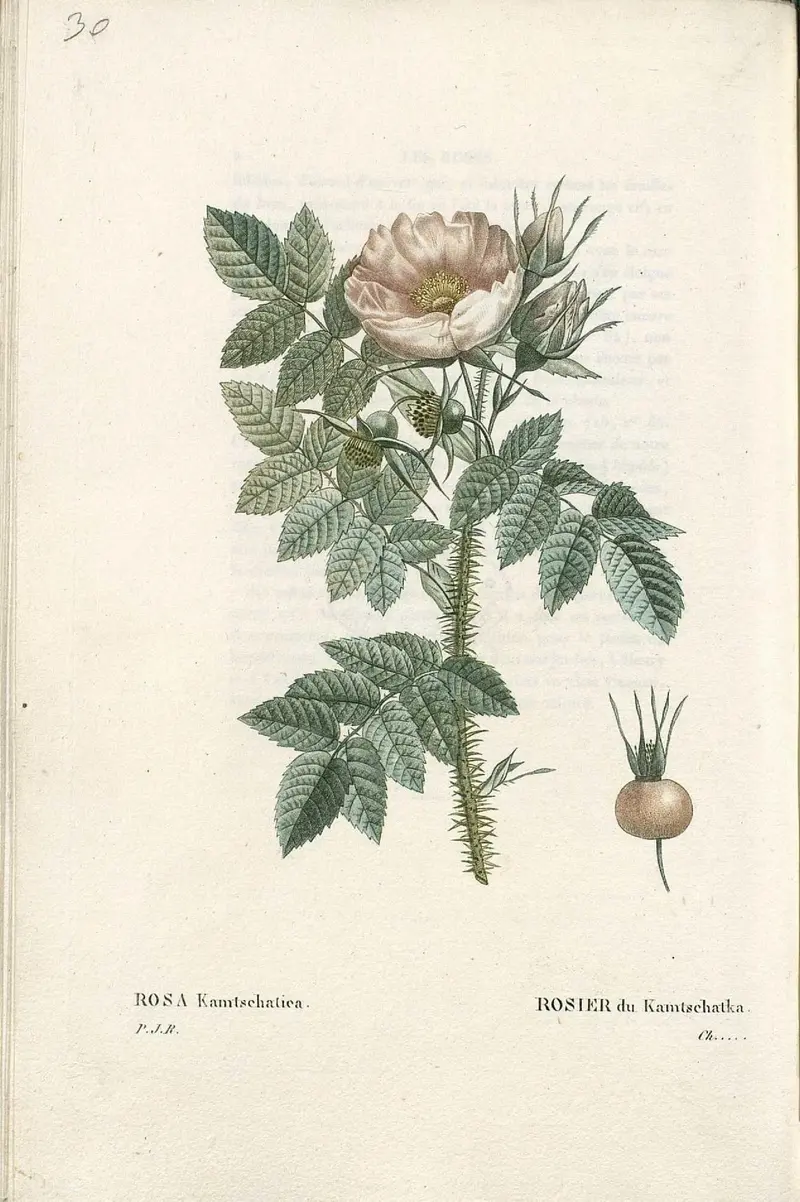
Rosa Kamtchatica (Kamchatka Rose)
Pierre-Joseph Redouté
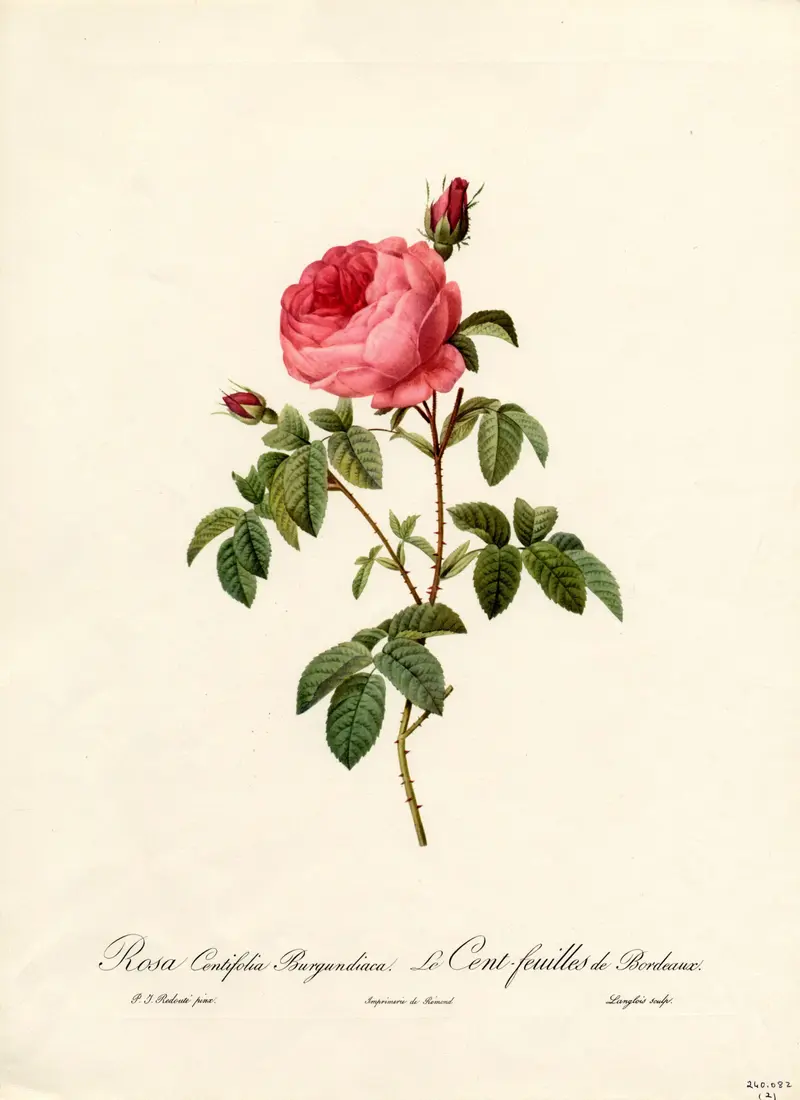
Rosa Centifolia Burgundiaca (Burgundy Rose)
Pierre-Joseph Redouté