
Rose Street — History & Facts
In the quiet recesses of time, the unassuming details of everyday life hold profound stories waiting to be uncovered. Focus first on the vibrant green of the street's foliage, framing the scene with an almost reverent embrace. Mielatz captures the play of afternoon light filtering through leaves, casting soft shadows on the cobblestone path. The delicate brushwork invites the eye to wander, revealing the textures of weathered bricks and the subtle hues of a nearby facade, where whispers of urban life mingle with the golden warmth of the sun. Yet beneath this serene surface lies an exploration of transience and permanence.
The stillness of the empty street contrasts with the hidden lives behind closed doors, hinting at moments of joy and sorrow that have passed through this space. The juxtaposition of the ephemeral light against the enduring architecture speaks to the fleeting nature of time itself, underscoring a poignant nostalgia for the lives that played out here. In 1904, Mielatz was in New York City, immersed in the evolving art scene that embraced both realism and impressionism. As artists sought to capture the essence of modern life, he focused on the ordinary, reflecting a belief that beauty can be found in the neglected corners of urban existence.
His work emerged during a time when the city was undergoing rapid change, yet it remains a testament to the enduring spirit of place amid the chaos of progress.
More Artworks by Charles Frederick William Mielatz
Browse all →
View of Rockwood Tarrytown on the Hudson, residence of William Rockefeller, no. 1
Charles Frederick William Mielatz
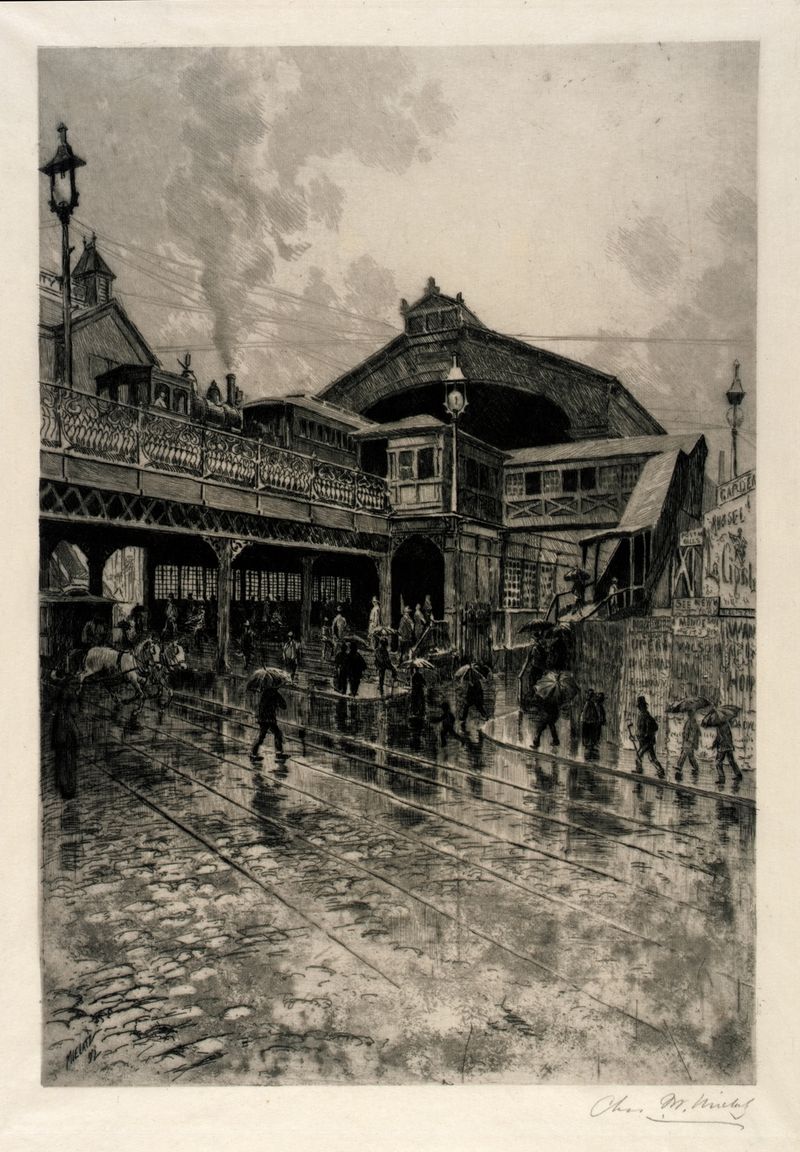
Entrance to Brooklyn Bridge
Charles Frederick William Mielatz
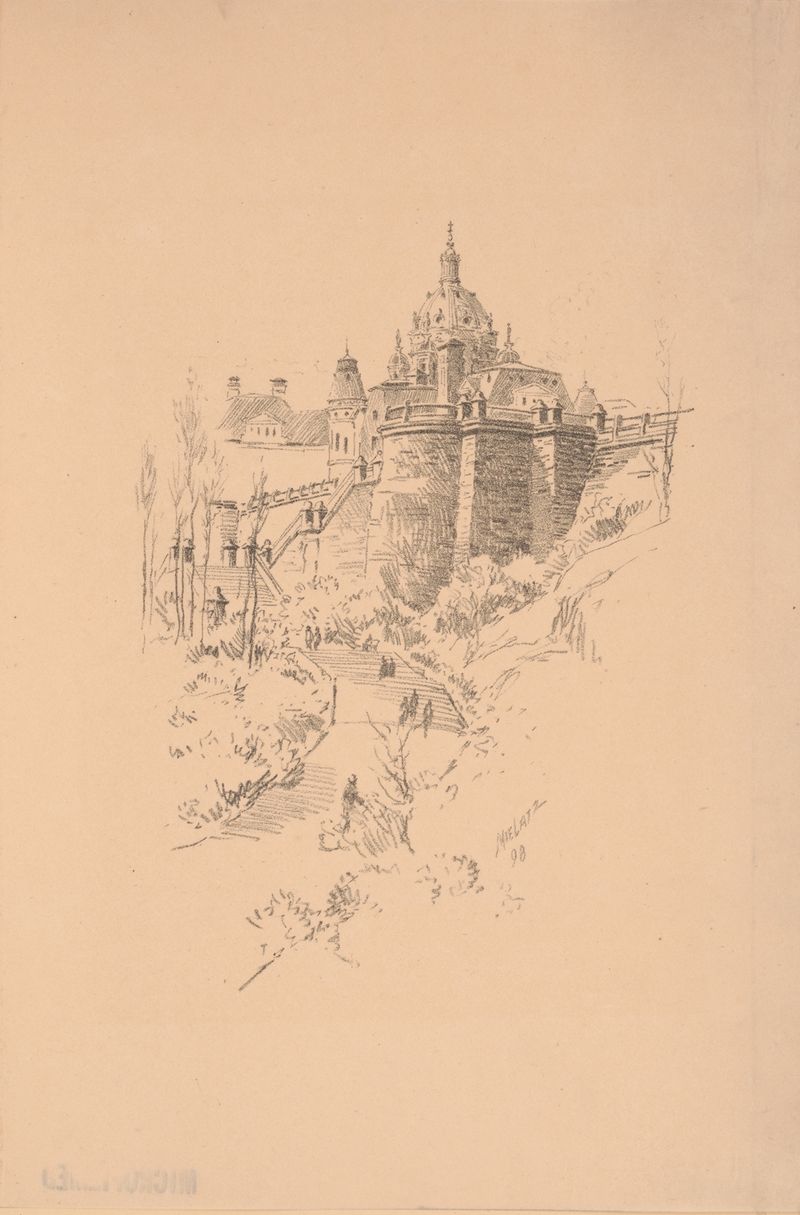
Morningside Park and St. Luke’s Hospital
Charles Frederick William Mielatz

Street Scene under Steel Bridge
Charles Frederick William Mielatz
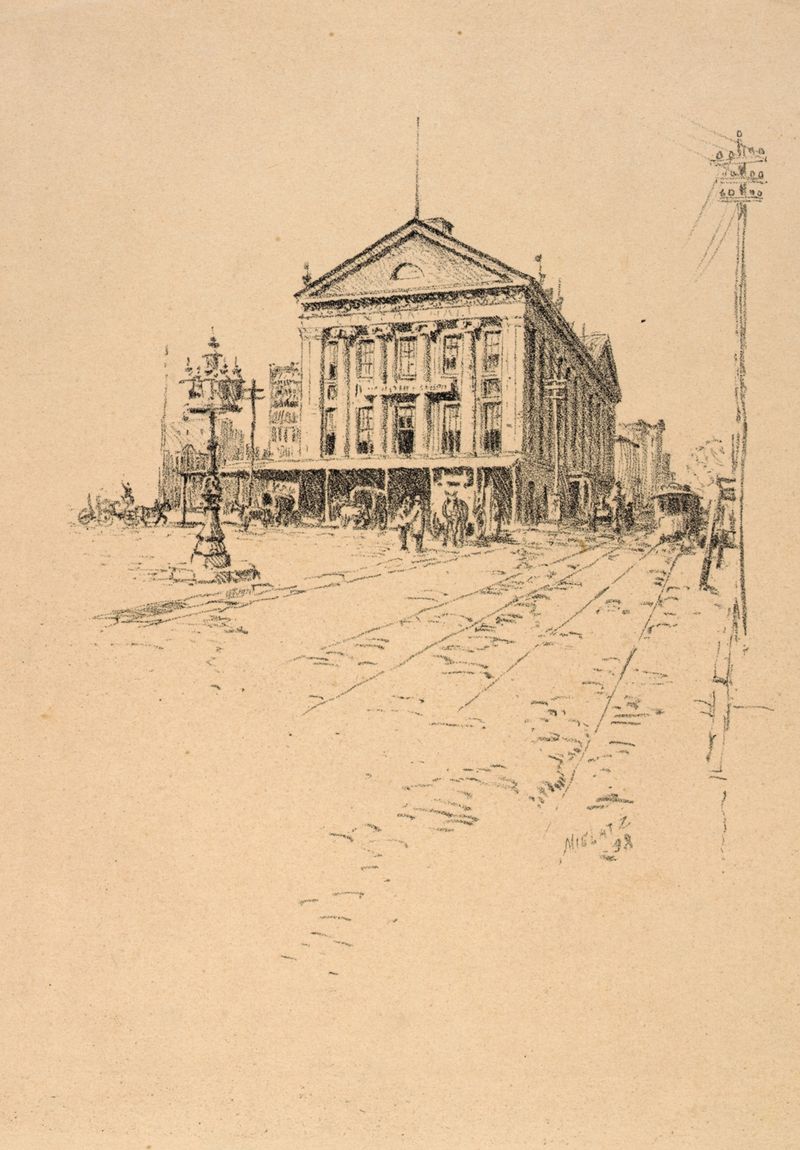
Clinton Hall
Charles Frederick William Mielatz
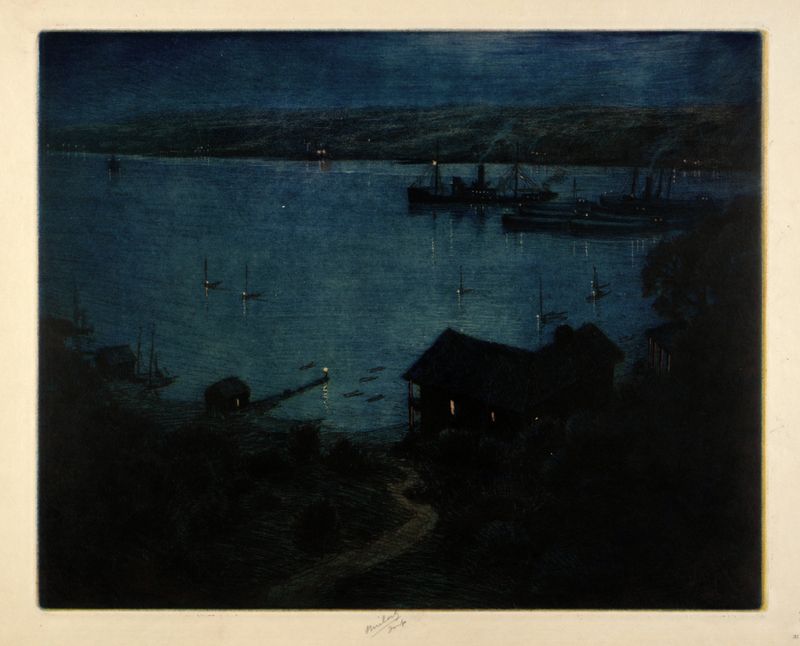
Moonlight–Hudson River
Charles Frederick William Mielatz
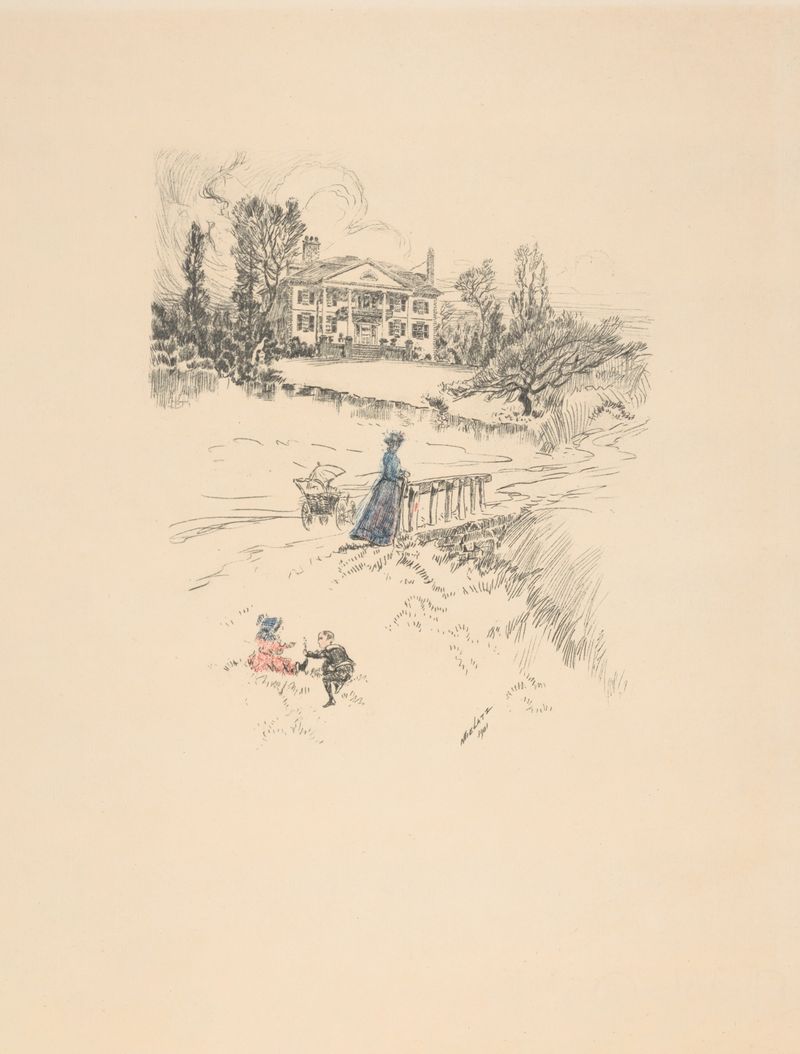
Jumel mansion
Charles Frederick William Mielatz
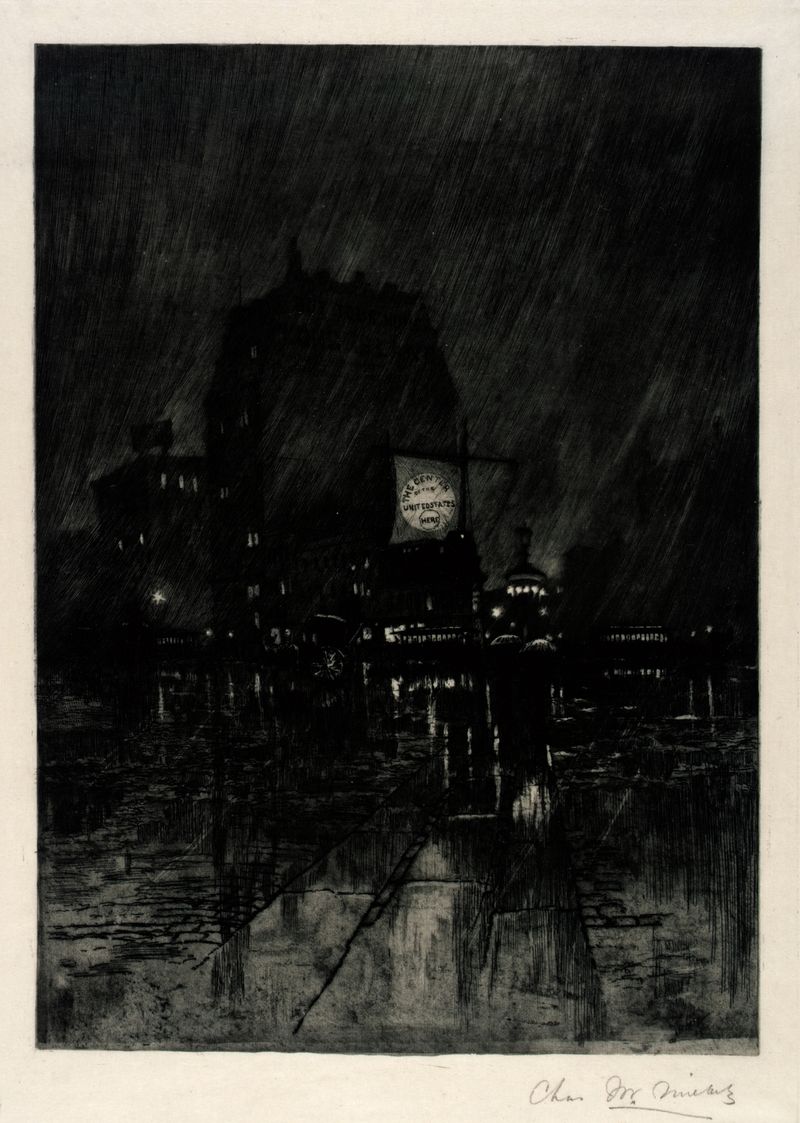
Rainy Night, Madison Square
Charles Frederick William Mielatz
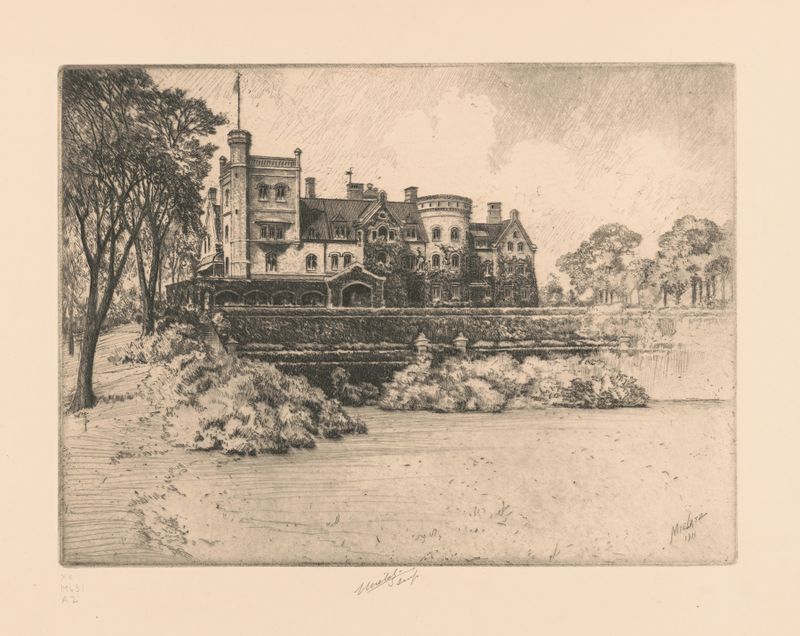
View of Rockwood, Tarrytown on the Hudson, residence of William Rockefeller, no. 3
Charles Frederick William Mielatz

View of Rockwood, Tarrytown on the Hudson, residence of William Rockefeller, no. 5
Charles Frederick William Mielatz





